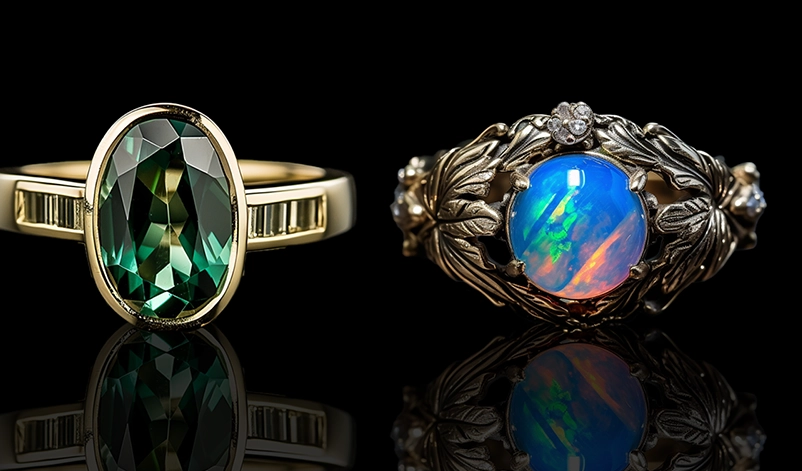
Let's talk about topaz. You've probably seen the brilliant blue stones in mall jewelry stores, sparkling under the lights. But here's the thing most salespeople won't tell you: that vibrant blue is almost always enhanced. The natural story of topaz is far richer, more colorful, and honestly, more interesting. It's a stone shrouded in ancient myths, blessed with a stunning range of colors from sunset orange to champagne pink, and it carries a value proposition that's often misunderstood. I've been collecting and studying gemstones for over a decade, and I still see people make the same costly mistakes with topaz – paying too much for treated stones or missing out on the truly rare natural hues. This guide is here to cut through the noise. We'll explore what topaz really is, how to spot the good stuff, and how to buy a piece you'll love forever without feeling like you got duped.
Your Quick Guide to Topaz
What Exactly is Topaz? The Science Simplified
Forget the textbook definition for a second. In practical terms, topaz is a silicate mineral made of aluminum and fluorine. Its key feature is an excellent hardness of 8 on the Mohs scale. That means it's very durable for daily wear – harder than quartz but softer than sapphire or diamond. It forms in pegmatites and high-temperature veins, often creating large, beautifully shaped crystals.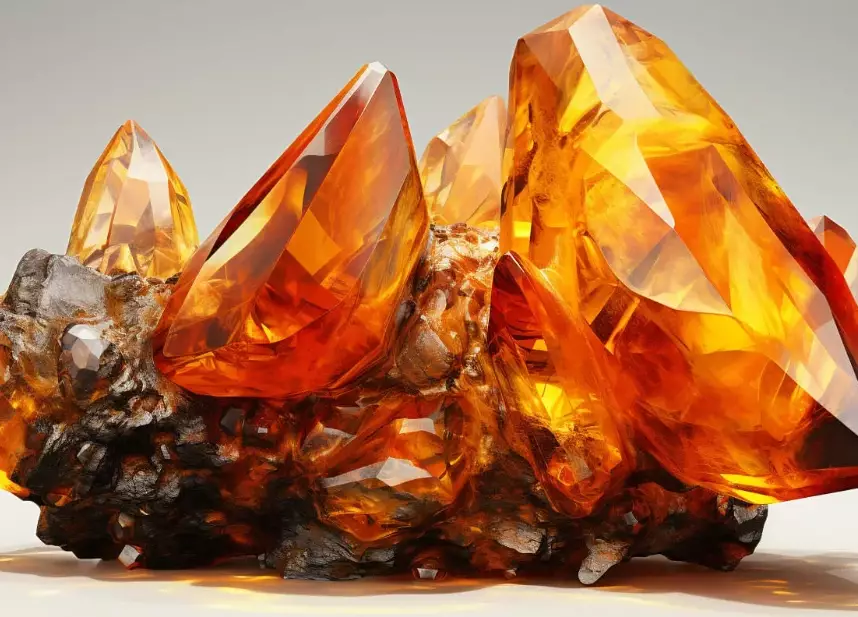
The first time I held a raw topaz crystal from Brazil, I was struck by its heft. It has a relatively high specific gravity, so it feels heavier than a similarly sized quartz crystal. This density is one of the first clues gemologists use in identification.
The Real Color Spectrum of Topaz
This is where most articles get it wrong. They list a rainbow of colors but don't explain the reality behind them. Let's break it down honestly.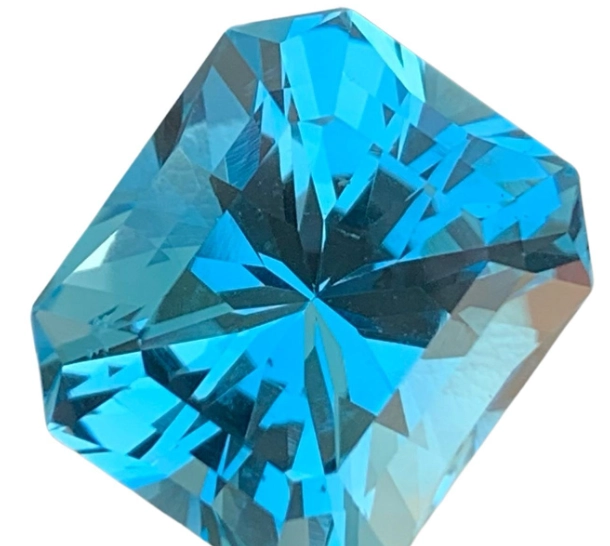
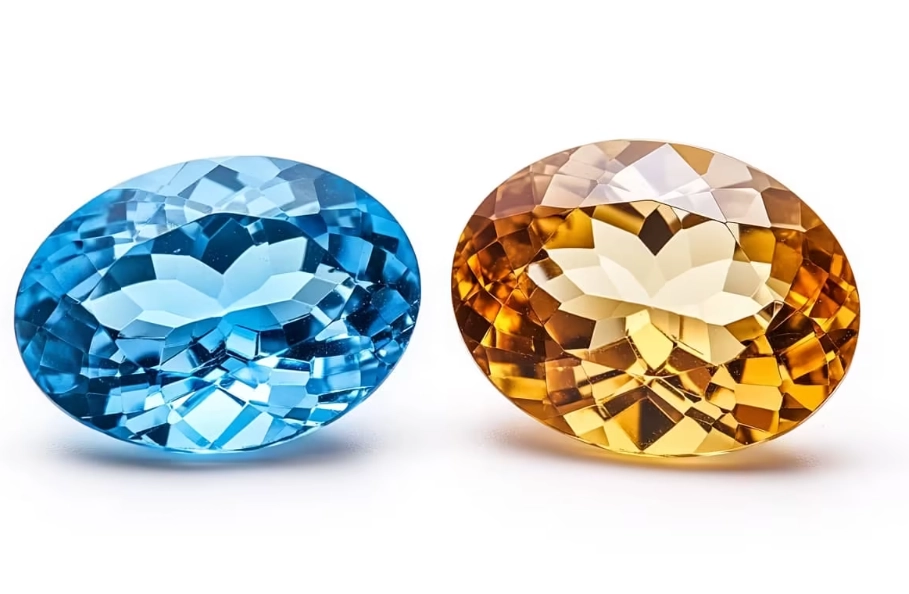
Key Insight: The vast majority of blue topaz on the market is colorless topaz that has been irradiated and heated to produce that stable blue color. This is a permanent, accepted treatment, but it's crucial to know what you're buying. Natural blue topaz is extremely rare and pale.
Natural Topaz Colors (The Untreated Ones)
Imperial Topaz: The king. A magnificent blend of orange, pink, and red. The most valuable color, primarily from Ouro Preto, Brazil. Prices can soar into the thousands per carat for top-quality stones. If a dealer shows you a large "imperial" topaz at a suspiciously low price, be very skeptical.
Sherry Topaz: Warm, golden brown to orange-brown. Think of fine sherry wine. A classic, rich color that's naturally occurring.
Colorless Topaz: Often called "silver topaz." It's abundant and sometimes used as a more affordable diamond alternative in jewelry. It can be treated to become blue.
Pink and Red Topaz: Rare and usually the result of a color center in the crystal lattice. They're often faint and can sometimes fade with prolonged exposure to strong light (a fact rarely advertised).
Treated Topaz Colors (The Common Market Stones)
Treatments are standard, but transparency is key. A reputable seller will always disclose them.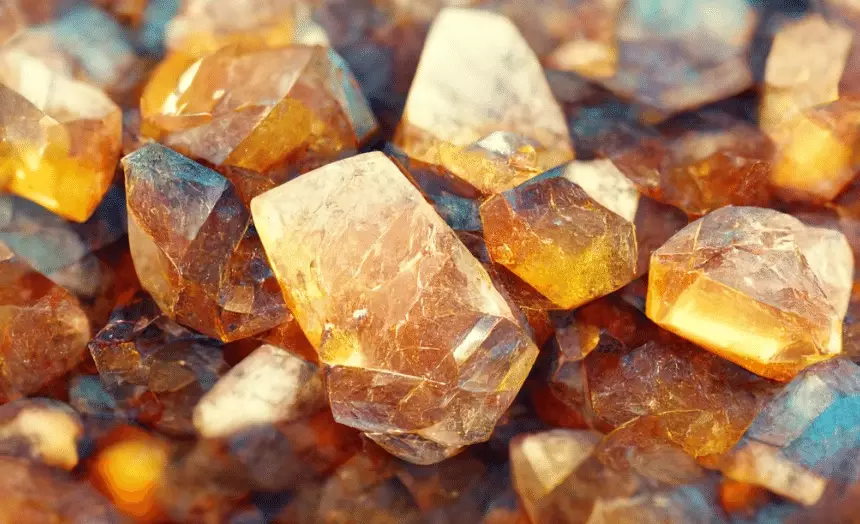
- Sky Blue, Swiss Blue, London Blue: All shades of blue created by irradiating colorless topaz. London Blue is the deepest, almost inky blue, and is the most popular.
- Mystic Topaz: A colorless topaz coated with a thin metallic layer to create a rainbow iridescence. It's beautiful but the coating can wear off over time if not cared for properly.
| Topaz Color Type | Natural or Treated? | Typical Price Range (per carat, mid-market) | Key Source Locations |
|---|---|---|---|
| Imperial Topaz (Fine) | Natural | $500 - $2000+ | Brazil (Ouro Preto) |
| Sherry Topaz | Natural | $50 - $200 | Brazil, Mexico, Pakistan |
| Natural Pale Blue | Natural (Very Rare) | $100 - $400 | Limited sources worldwide |
| London Blue Topaz | Treated (Irradiated) | $20 - $80 | Treated globally from colorless stock |
| Colorless Topaz | Natural | $10 - $50 | Brazil, Sri Lanka, Nigeria |
| Mystic Topaz | Treated (Coated) | $15 - $60 | Treated globally |
Meaning, History, and Why It Matters
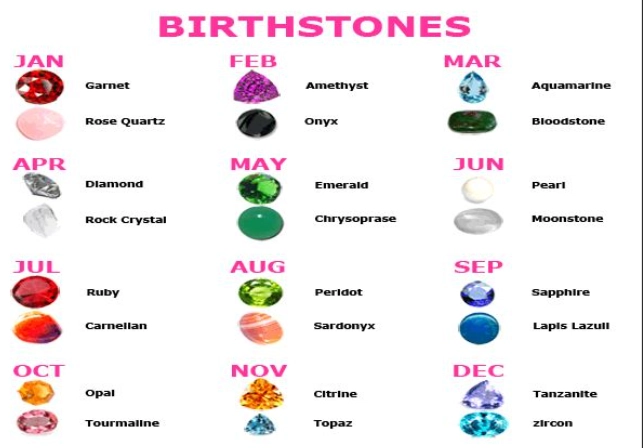
Topaz has been confused with other yellow stones for centuries. The ancient "topazios" from an island in the Red Sea was actually peridot. Despite the mix-up, topaz accumulated powerful lore. It's the November birthstone, symbolizing friendship, love, and fidelity. In Hindu beliefs, it's associated with the planet Jupiter and is thought to bring wisdom and abundance.
But here's my take: buying a stone for its meaning is personal. If you're a November baby, a blue topaz is a classic, affordable choice. If you're drawn to the warmth and rarity, a natural sherry or imperial topaz carries a deeper geological story. The meaning is in the connection you feel to the stone's color and history, not just a generic description.
How to Identify Real Topaz and Avoid Fakes
You won't have a refractometer at home, but you can use some logic. The most common "fake" scenario isn't glass, but misrepresentation. Citrine (heated amethyst) is often sold as "golden topaz" or "quartz topaz," which is misleading. Real citrine is cheaper than natural golden topaz.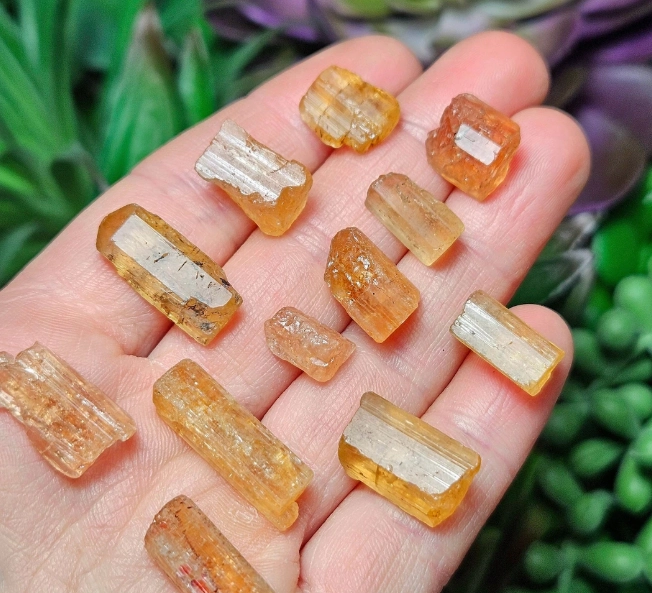
Practical Checks:
- The Heft Test: Topaz feels noticeably heavier than quartz or glass of the same size.
- The Clarity Check: Topaz often forms with excellent clarity. Too many bubbles? It's likely glass.
- The Scratch Test (Careful!): Topaz (hardness 8) can scratch quartz (hardness 7). Don't try this on a finished piece of jewelry.
The ultimate identification comes from a reputable gemological lab like the Gemological Institute of America (GIA). For any significant natural-colored topaz purchase, an independent lab report is your best investment.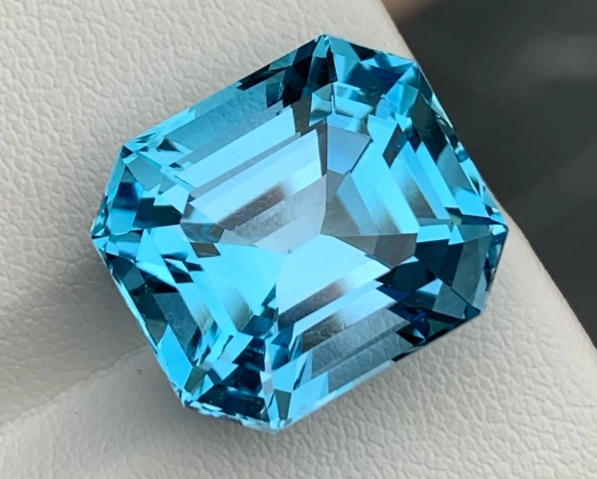
The Insider's Guide to Buying Topaz
Let's get tactical. Where and how should you buy?
For Treated Blue Topaz: You can find good quality at major online retailers like Blue Nile or James Allen, or even reputable sellers on Etsy. Focus on the cut and setting. A well-cut London blue in a simple sterling silver setting can be had for under $100.
For Natural Colored Topaz (Sherry, Imperial): This is where you need specialist dealers. Look for established gemstone dealers who specialize in colored stones, not just general jewelers. Platforms like The Natural Gem or attending gem and mineral shows are better bets. I once found a stunning sherry topaz at the Tucson Gem Show from a dealer who could trace it directly to a mine in Pakistan.
Ask These Questions: "Is the color natural or treated?" "What is the country of origin?" (For natural stones) "Do you have a lab report for this stone?" If the seller hesitates or gets defensive, walk away.
Caring for Your Topaz Jewelry
Topaz is durable but has perfect cleavage, meaning it can split if struck sharply along a certain direction. Remove your topaz ring when doing heavy work. Clean it with warm soapy water and a soft brush. Avoid steam cleaners and ultrasonic cleaners, especially for mystic topaz or stones with fractures. Store it separately to prevent scratches from harder gems.
Topaz Questions Answered (No Fluff)
Topaz offers something for everyone – from the affordable, dazzling blue that makes a perfect birthday gift to the rare, fiery imperial stone that becomes a collector's treasure. The key is knowledge. Understand the color's origin, ask the right questions, and buy from someone who respects the stone enough to tell you its full story. That's how you find a piece that's truly valuable, both in price and in personal meaning.