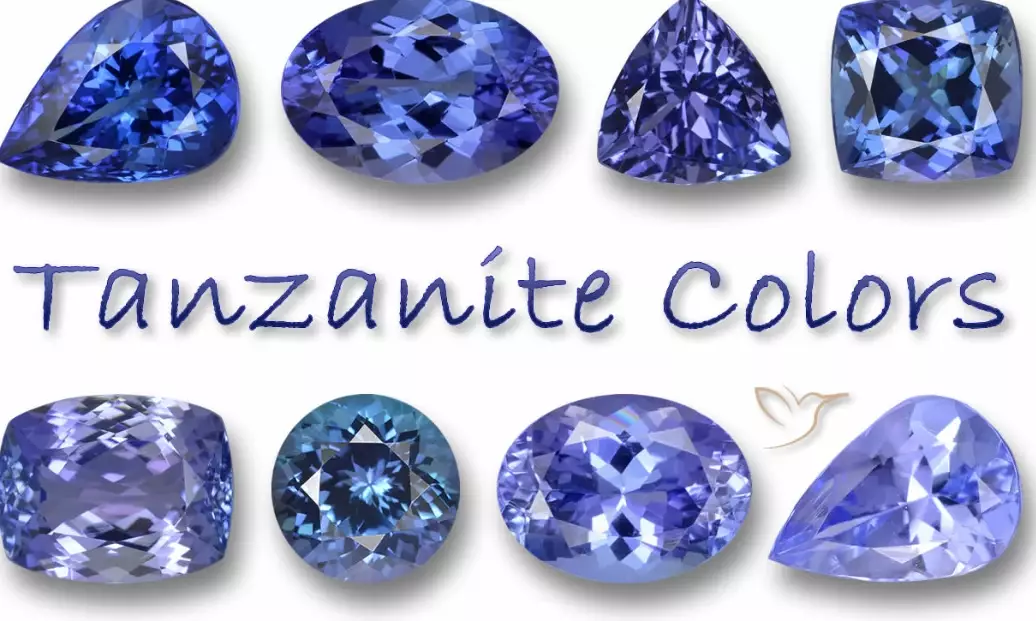
You see a blue topaz ring online. It's stunning, affordable. Then you see an "imperial topaz" pendant. The price is ten times higher, and the color is a warm orange-pink. What's the real difference? Is it just the name? Most articles will list the colors and move on. That's not helpful if you're trying to buy, identify, or simply understand the value of what's in front of you.
Let's cut to the chase: The color of a topaz is the single most important factor determining its identity, value, and often, its story. But here's the part most guides gloss over—most of the vibrant blue topaz you see in jewelry stores didn't start out blue. It was likely colorless and treated. That doesn't make it "fake," but it fundamentally changes how you should assess its worth. Meanwhile, that soft sherry-orange imperial topaz is almost always natural, and that rarity commands a premium.
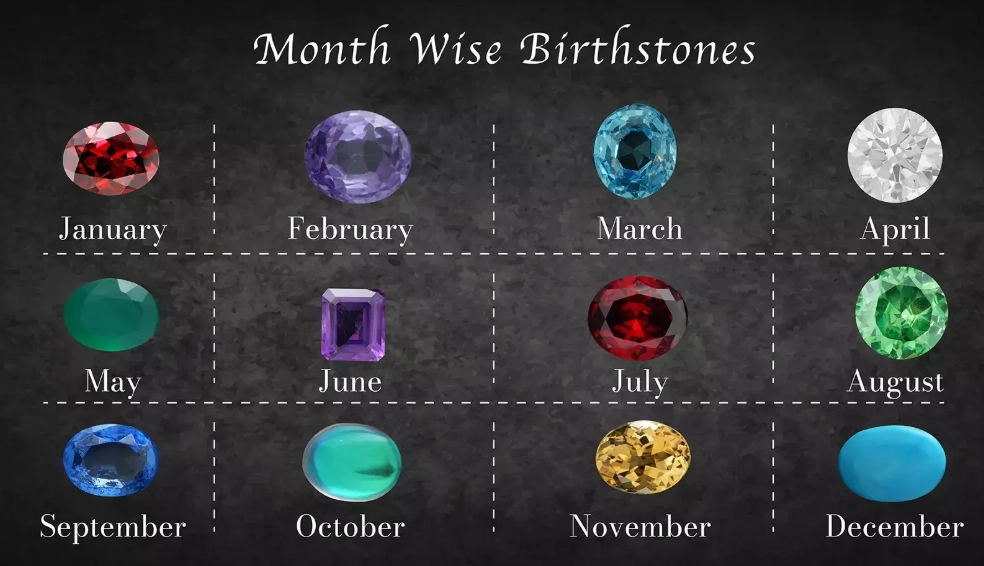
This guide won't just describe colors. We'll connect them to geology, market reality, and your decision-making process. Whether you're shopping for a November birthstone, inherited a piece, or are just gem-curious, understanding topaz color is your first step to being an informed enthusiast.
What's Inside This Guide
- Where Topaz Colors Really Come From (It's Not What You Think)
- The Blue Topaz Spectrum: Swiss, London, Sky & What You're Buying
- The Precious & Natural: Imperial, Sherry & Rare Hues
- How to Spot Natural vs. Treated Topaz: A Practical Checklist
- Beyond Color: Clarity, Cut & Care for Your Topaz
- Your Topaz Color Questions, Answered
Where Topaz Colors Really Come From (It's Not What You Think)
Many people assume gemstone color comes from a primary chemical component. With topaz, that's a common misconception. Pure topaz is colorless. Its rainbow is painted by trace impurities and, crucially, defects in its crystal structure.
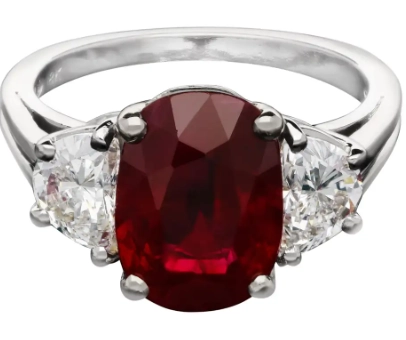
Chromium is the VIP guest. When it sneaks into the topaz crystal lattice, it can produce those coveted pink, red, and violet-pink hues we call "imperial." It's the same guest that colors rubies and emeralds, which tells you something about the intensity it can bring.
Now, here's the twist that shapes the entire market.
Natural blue topaz is exceptionally rare. The pale, almost grayish-blue you might find in nature usually comes from color centers—crystal lattice defects—activated by natural radiation over eons. The vibrant, saturated blues in 99% of jewelry? They're created by taking colorless or pale material and treating it with irradiation and heat. This process is stable, accepted, and must be disclosed by reputable sellers. But it means the blue color is man-made, even if the stone itself is natural topaz.
Key Takeaway: If you see a deep, affordable blue topaz, it's almost certainly treated. A natural topaz with that color would be a museum piece. This isn't a bad thing—it makes a beautiful gem accessible—but knowing it separates the informed buyer from the casual one.
The Blue Topaz Spectrum: Swiss, London, Sky & What You're Actually Buying
The jewelry industry uses specific names for shades of treated blue topaz. These are commercial grades, not geological terms. Understanding them helps you know what you're getting.
Let's break down the three main types you'll encounter.
Sky Blue Topaz
This is the lightest and most common shade. Think of a clear summer sky. It's cheerful, bright, and very affordable. Because it requires the least treatment intensity, it's often the starting point for many treated gems. It's a fantastic entry-level choice for birthstone jewelry or everyday wear.
Swiss Blue Topaz
Named for the deep blue of the Swiss flag (or so the story goes), this is a vivid, medium-saturated blue. It's electric and eye-catching. It strikes a great balance between color impact and price, making it arguably the most popular choice for statement rings and pendants.
London Blue Topaz
The darkest of the trio, London blue has a steely, inky blue color, often with subtle greenish or grayish secondary tones. It looks sophisticated and deep. It requires the most extensive treatment. Here's an expert nuance many miss: that slight gray-green undertone is actually a key indicator of the irradiation treatment process. A perfectly pure, deep blue might be a different stone altogether, like a sapphire.
| Color Name | Description | Typical Price Range (per carat)* | Best For |
|---|---|---|---|
| Sky Blue | Pale, light azure blue | $10 - $30 | Dainty earrings, birthstone stacks, first-time buyers |
| Swiss Blue | Vivid, medium electric blue | $20 - $50 | Statement rings, center stones, vibrant pendants |
| London Blue | Dark, inky blue with gray-green tones | $30 - $80 | Men's jewelry, vintage-style pieces, sophisticated looks |
*Prices are for treated commercial quality gems and can vary widely based on cut, clarity, and retailer markup.
The Precious & Natural: Imperial, Sherry & The Rare Hues
This is where topaz gets serious—and expensive. These colors are typically natural and highly prized by collectors.
Imperial Topaz is the undisputed king. The classic definition is a vivid medium orange to orange-red, often with pinkish or purplish undertones. The finest examples come from Ouro Prêto, Brazil. The color comes from chromium, and it's stable. I remember seeing a fine 5-carat imperial topaz from Brazil at a gem show. The warmth of the color had a depth that no photograph could capture. It felt alive in a way a treated blue simply doesn't. That's the difference.
Sherry Topaz refers to yellowish-brown, orange-brown, or brownish-orange hues. Think of the drink sherry. It's warmer and more muted than imperial. These colors are often caused by color centers related to natural radiation. They're more common than imperial but still far rarer than treated blues.
Other natural colors exist but are less common in the mainstream market:
Colorless (White) Topaz: Often used as a more affordable diamond alternative, but it lacks diamond's brilliance and is much softer. It can look glassy if not cut well.
Pale Yellow & Green: These occur naturally but are usually lightly colored. Vivid green topaz is extremely rare and usually the result of treatment.
How to Spot Natural vs. Treated Topaz: A Practical Checklist
You won't have a lab in your pocket, but you can make educated guesses. Here’s what I look for, based on years of handling these stones.
1. The Price Tag Test. This is the fastest filter. A large, vividly colored blue topaz ring selling for $200 is treated. A similar sized stone with a rich, reddish-orange hue (imperial) for the same price is almost certainly a scam, a synthetic, or a different gemstone like citrine.
2. The Color Uniformity Clue. Treated blue topaz often has flawless, perfectly even color saturation. Nature is rarely that perfect. Some natural imperial or sherry topaz might show slight color zoning—subtle stripes or patches of lighter and darker color. This isn't a flaw; it's a fingerprint of natural formation.
3. The Inclusion Hint. Many treated blue topaz start as very clean, colorless rough. They can be eye-clean. Fine natural imperial topaz can also be clean, but it often contains characteristic inclusions: two-phase inclusions (little cavities with a liquid and a gas bubble) or minute crystal inclusions. A jeweler's loupe can reveal these stories.
4. Ask the Right Question. Don't just ask "Is it real?" Ask, "Is the color natural, or has this stone been treated?" A reputable seller will disclose treatments for blue topaz. If they evade the question, walk away.
Beyond Color: Clarity, Cut & Care for Your Topaz
Color is the star, but the supporting cast matters.
Clarity: Topaz is a Type I clarity gemstone, meaning it's usually expected to be eye-clean (no visible inclusions to the naked eye). This is especially true for the treated blues and colorless varieties. For imperial topaz, minor inclusions are more accepted. A visible inclusion that impacts brilliance or durability will lower the value.
Cut: Topaz has perfect basal cleavage. This means it can split cleanly along one direction if hit sharply. A good cutter will orient the gem to protect it from this and maximize its brilliance. A poorly cut stone not only looks dull but is also more vulnerable.
Care: This is critical. Topaz is an 8 on the Mohs scale (hard), but its cleavage makes it brittle. Never use ultrasonic or steam cleaners. Warm soapy water, a soft brush, and a thorough rinse are safest. Store it separately to avoid scratches from harder gems like sapphires or diamonds. I've seen a beautiful London blue topaz chip on its girdle because it was rattling loose in a jewelry box next to a diamond stud.