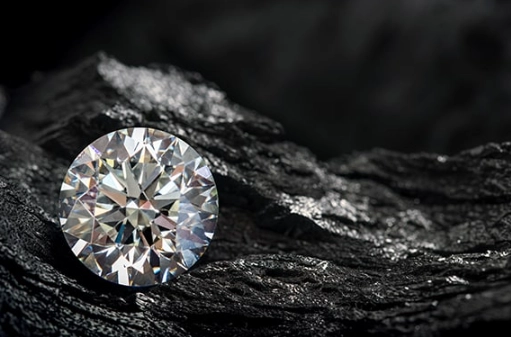
Let's clear the air right away. If you're searching for "zircon diamond," you're probably caught in a web of confusion. You might think it's a fake diamond, a cheap cubic zirconia, or maybe some obscure synthetic stone. I get it. I've been a gemologist for over a decade, and at nearly every jewelry show, someone points to a stunning blue or white zircon and asks, "Is that a CZ?" It's the most misunderstood gem in the industry. The truth is, natural zircon is a spectacular, ancient, and fiery gemstone in its own right. It has nothing to do with cubic zirconia, the lab-created diamond simulant. This guide isn't about selling you on a diamond alternative; it's about introducing you to a legitimate, beautiful, and surprisingly affordable gem that deserves its own spotlight.
What You'll Learn in This Guide
What Is Zircon (And What It's Not)?
Natural zircon is the oldest mineral on Earth. We've found zircon crystals in Australia that are over 4.4 billion years old. That's wild to think about. It's a zirconium silicate, and when it forms in ideal conditions, it produces gems with a brilliance and fire—that's the rainbow flashes—that can rival a diamond's. Its high refractive index and strong dispersion are the technical reasons for that sparkle.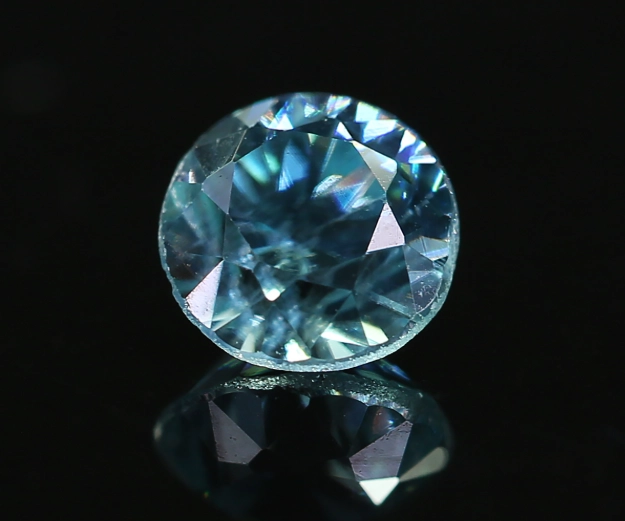
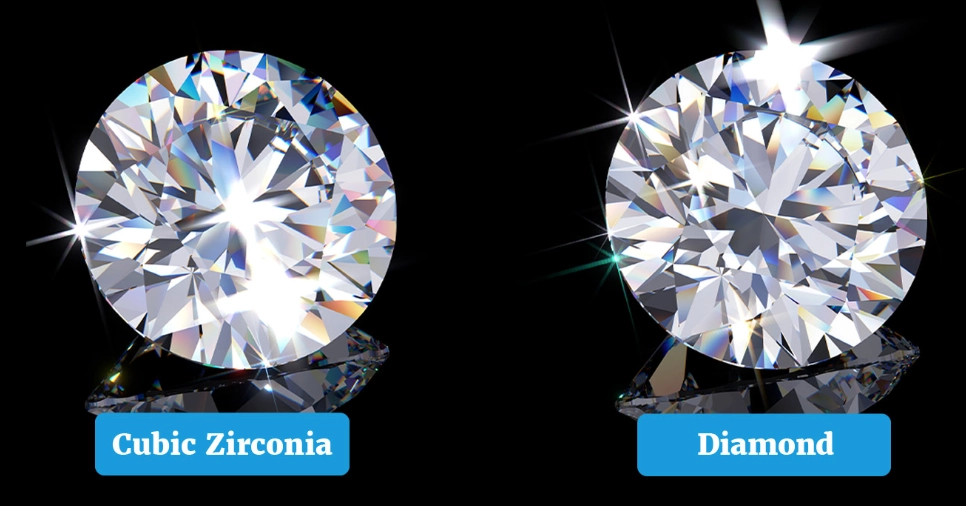
Now, the big mix-up. Cubic zirconia (CZ) is a completely different, man-made material (zirconium dioxide). It was invented in the 1970s as a diamond simulant. The names sound similar, so the confusion stuck. Jewelers didn't help by historically calling white zircon "Matura diamond" as a trade name. So, when you hear "zircon," always ask: natural zirconium silicate or lab-created cubic zirconia? The price and value difference is enormous.
The Colors of Zircon: It's Not Just "White"
This is where zircon gets fun. Heat treatment is common and accepted in the trade to enhance or change its color. It's a stable process.
- Blue Zircon: The most popular color, almost always heat-treated from brown rough. The best have a vivid, slightly greenish-blue (like a teal) hue. Think of it as a more affordable and sparkly aquamarine.
- Colorless ("White") Zircon: The diamond look-alike. It has more fire than a diamond but a softer, more vitreous luster. Under a loupe, its double refraction (you see two of each pavilion facet) gives it away instantly.
- Cognac, Champagne & Brown Zircons: Warm, earthy tones that are naturally occurring. They have a rich, sophisticated look perfect for fall jewelry.
- Rarer Colors: Green, yellow, and red zircons exist but are much less common. Green zircon is often radioactive (sounds scary, but it's safe once cut and set).
Zircon vs Diamond: The Head-to-Head Breakdown
Let's put them side by side. This isn't about declaring a winner, but understanding their personalities. A diamond is like a precise, powerful laser beam of light. Zircon is like a brilliant, fiery sparkler.
d>Extremely Tough| Characteristic | Zircon (Natural) | Diamond (Natural) | What This Means for You |
|---|---|---|---|
| Hardness (Mohs Scale) | 6.5 - 7.5 | 10 | This is zircon's biggest downside. It can scratch more easily. Not ideal for a daily-wear ring if you're hard on your hands. |
| Brilliance & Fire | Very High (RI: 1.92-1.98, Disp: 0.039) | High (RI: 2.42, Disp: 0.044) | Zircon's fire is exceptional. In well-cut stones, the rainbow flashes can be more obvious than in many diamonds. |
| Durability | Brittle; can chip or abrade | Zircon has perfect cleavage, meaning a sharp knock in the wrong direction can cause a crack. Settings need to be protective. | |
| Price per Carat | $50 - $400+ (color dependent) | $2,000 - $20,000+ | The most dramatic difference. You can get a large, eye-catching zircon for the price of a tiny diamond accent. |
| Ethical Sourcing | Mostly from Cambodia, Sri Lanka, Myanmar. Generally small-scale mining. | Complex supply chain; Kimberley Process concerns. | Zircon's smaller market often means less industrial mining, but always ask your vendor for origin info. |
I once had a client bring in an heirloom "diamond" ring that had lost its sparkle. It was a white zircon. Decades of wear had abraded the facets, making it look cloudy and dull. A diamond would have just been dirty. That's the durability difference in practice.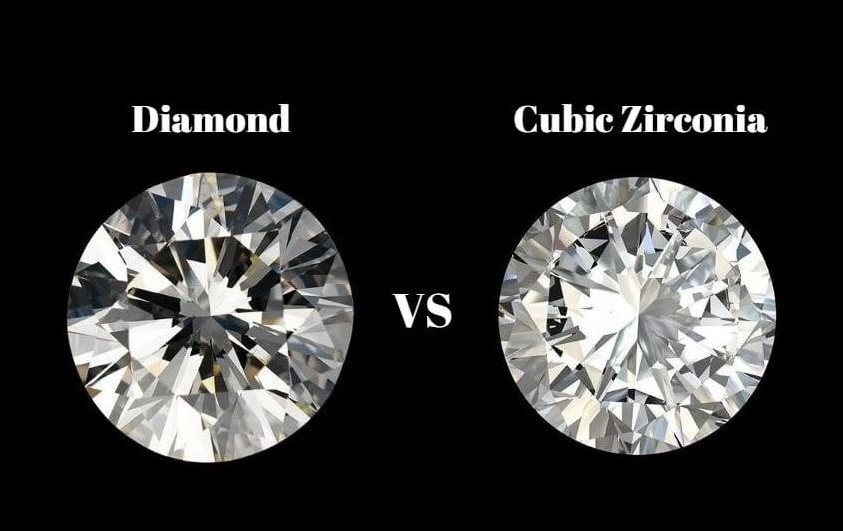
Why Choose Zircon?
- Unbeatable fire and brilliance for the price.
- Unique, vibrant blue and warm earth-tone colors.
- An ancient, natural gem with geological history.
- Excellent for statement jewelry worn on occasion.
Why You Might Hesitate
- Not suitable for an everyday engagement ring for an active person.
- Requires more careful wear and storage.
- The name confusion means you'll likely have to explain it's not CZ.
- Can become dull over many years if not cared for.
How to Buy Zircon Jewelry Without Getting Scammed
Ready to shop? Here's my field guide. The goal is to get a beautiful stone that will last, not the cheapest one you can find.
The 4 Cs, Adapted for Zircon
Color: For blue, look for a vibrant, saturated hue without gray masking the blue. For white, it should be as colorless as possible—some have a faint gray or yellow tinge. The warmth of cognac and champagne stones is part of their appeal.
Cut: This is critical. Zircon is often cut to save weight from the rough, not for optimal sparkle. Look for well-proportioned rounds or ovals with symmetrical facets. A poorly cut zircon looks dead and glassy. A well-cut one is a firework.
Clarity: Eye-clean is what you want. Most commercial quality zircon has minor inclusions visible under 10x magnification, but they shouldn't be visible to your naked eye, especially in white stones where they're more noticeable.
Carat: Zircon is dense, so a 1-carat zircon will look smaller than a 1-carat diamond. Don't fixate on weight. Look at the millimeter dimensions. A 6.5mm round zircon is a great statement size.
The Right Setting for a Zircon Ring
This is non-negotiable. You need a protective setting.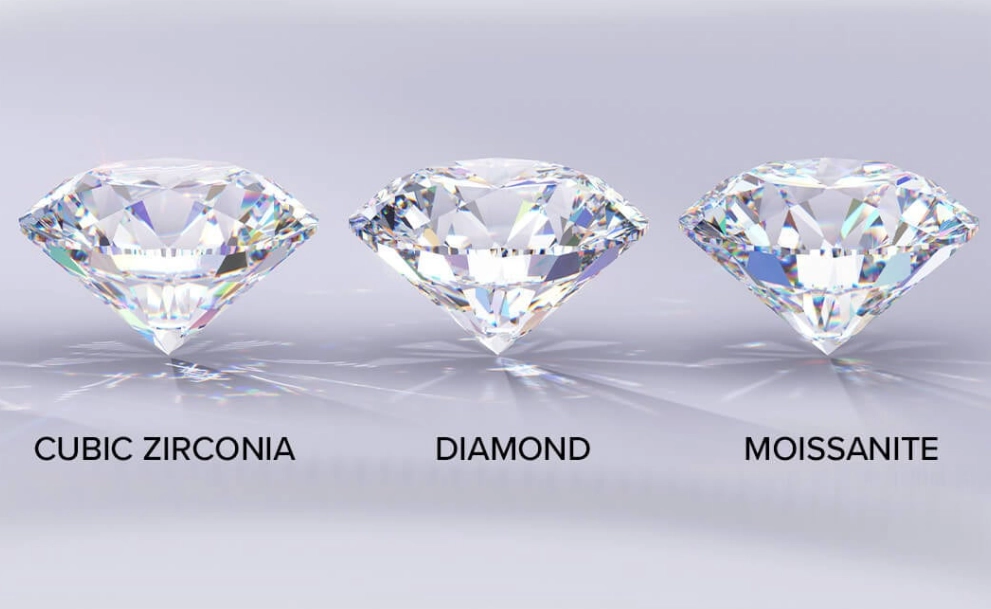
- Best: A bezel setting or a halo setting with a raised rim. This protects the vulnerable girdle (edge) from chips.
- Good: A deep six-prong setting in a sturdy metal like platinum or 14k gold. Avoid dainty, wiry prongs.
- Avoid: Tension settings, overly exposed east-west settings, or any setting where the stone's girdle is exposed to knocks.
Tell your jeweler, "I know zircon is a bit brittle; can we design a setting that protects it?" A good jeweler will appreciate you know your stuff.
The Real Deal on Caring for Zircon
It's not fragile like an opal, but it's not indestructible. Follow these rules and your zircon will keep its fire for decades.
Cleaning: Warm water, mild dish soap, and a soft toothbrush are perfect. Ultrasonic cleaners? Usually safe for untreated stones, but I never recommend them for any colored gem—too many variables. Steam cleaners are a definite no; the sudden heat can cause fractures.
Storage: This is key. Never store zircon loose in a jewelry box with diamonds, sapphires, or moissanite. Those harder gems will scratch it. Keep it in its own soft pouch or a separate compartment in a lined box.
Wearing: Put your zircon ring on last after applying makeup, lotion, and getting dressed. Take it off first when doing dishes, gardening, gym workouts, or any manual labor. It's a "dress-up" gem, not a "workhorse" gem.
I've seen more zircons damaged by being thrown in a purse or drawer than by anything else. A little care goes a long way.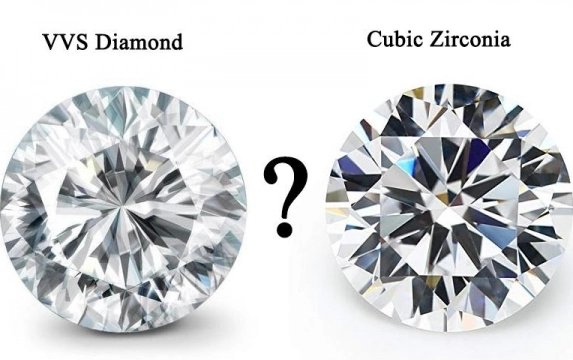
Your Zircon Questions, Answered by a Gemologist
So, there you have it. Zircon isn't a diamond substitute. It's not a cubic zirconia. It's zircon. A brilliant, fiery, colorful, and historical gem that asks for a little care in return for its stunning beauty. Next time you see one, you won't just see a look-alike. You'll see one of Earth's oldest treasures, finally getting its due.