Let's clear this up right away: zircon is a real, natural gemstone, not a fake diamond. But it gets confused with cubic zirconia (a lab-made simulant) all the time, and even on its own, it's often unfairly compared to the king of gems. If you're trying to figure out what you're looking at, or deciding between them, you need to look beyond the basic "hardness" factoid. The real story is about fire, fragility, and a surprising amount of history. I've seen too many people dismiss a beautiful blue zircon as "just a cheap diamond look-alike," which misses the point entirely. This guide will give you the tools to tell them apart and appreciate each for what they are.
What You'll Discover in This Guide
The Core Confusion: Zircon, Diamond, and CZ
This is the biggest mess in jewelry. You have three players:
- Diamond: Pure carbon, the hardest natural substance, formed under immense pressure deep in the earth.
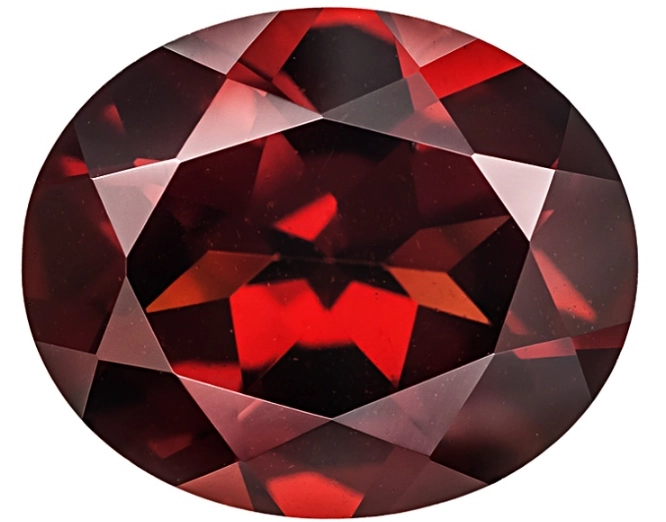
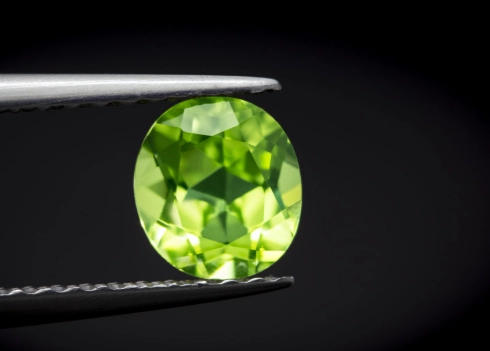
- Zircon (or zirconium silicate): A natural mineral, zirconium silicate. It comes in a rainbow of colors—blue, green, yellow, red, and the colorless variety that causes all the trouble. It's ancient, with some crystals dating back over 4 billion years.
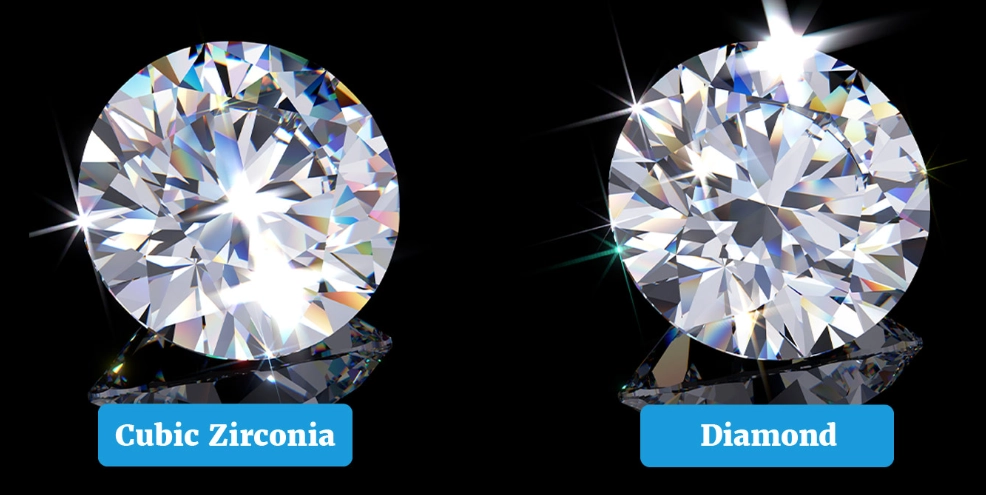
- Cubic Zirconia (CZ): A man-made cubic form of zirconium dioxide, created in a lab. It's a diamond simulant, designed to look like a diamond at a low cost.
The mix-up happens because "zircon" sounds like "cubic zirconia." For decades, cheap CZ was marketed as "zircon," tarnishing the natural gem's reputation. So when someone says, "My ring is zircon," they usually mean CZ. A natural zircon is a completely different, and far more interesting, story.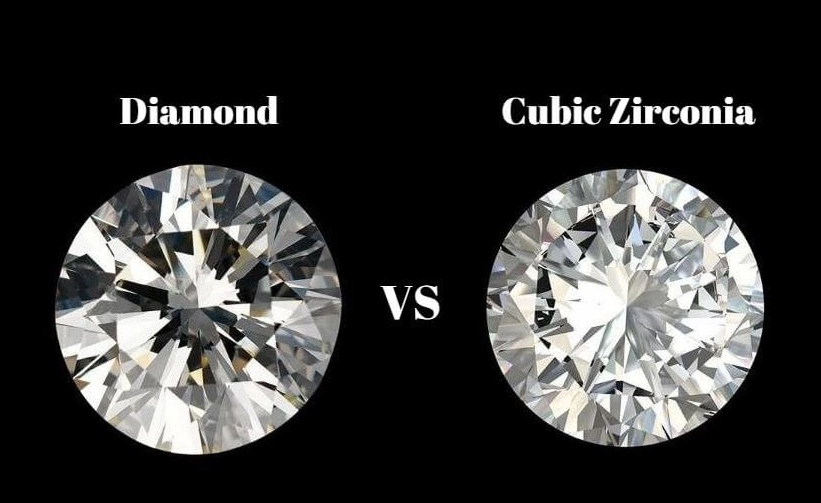
Head-to-Head Comparison: A Gemologist's Breakdown
Forget the generic lists. Here’s the practical, side-by-side data that actually matters when you're holding a stone or making a purchase.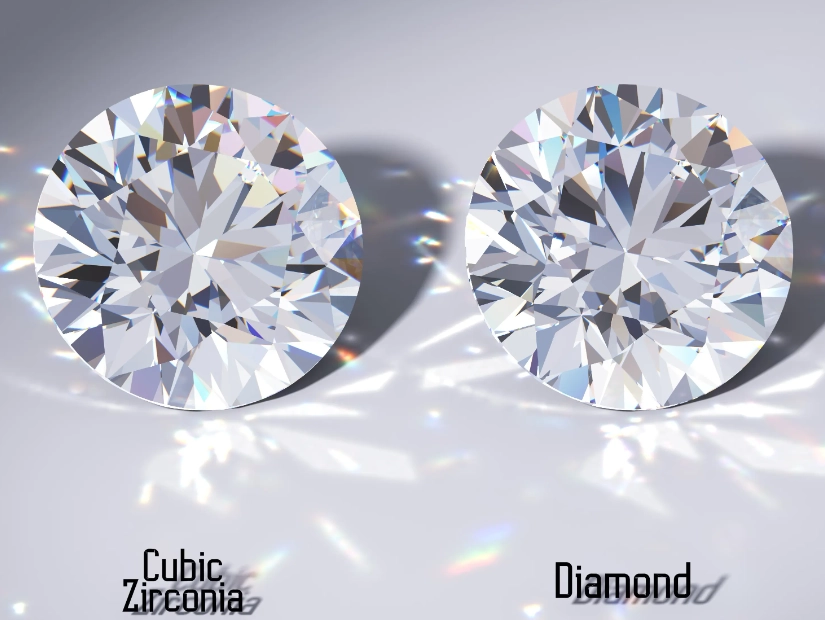
| Property | Diamond | Natural Zircon (Colorless) | Cubic Zirconia (CZ) |
|---|---|---|---|
| Composition | Carbon (C) | Zirconium Silicate (ZrSiO₄) | Zirconium Dioxide (ZrO₂) - Synthetic |
| Hardness (Mohs) | 10 – Exceptional wear resistance | 6.5-7.5 – Can scratch easily | 8-8.5 – Good, but not diamond-level |
| Dispersion ("Fire") | 0.044 – High, classic sparkle | 0.039 – Very High (often higher fire than diamond!) | 0.060-0.066 – Extremely high, can look "fiery" or artificial |
| Refractive Index (Brilliance) | 2.42 – The benchmark for brilliance | 1.92-1.98 – High, but lower than diamond | ~2.15-2.18 – High, but different quality of light return |
| Durability Quirk | Hard but can cleave if struck | Brittle – Prone to chipping at edges ("abraded facets") | Dense, heavy for its size |
| Thermal Conductivity | Very High – Basis for diamond testers | Low – Will not pass a diamond tester | Very Low – Will not pass a diamond tester |
| Double Refraction | None (Singly Refractive) | Strong – Can see doubled facet edges under a loupe | None (Singly Refractive) |
| Typical Price Point (1ct, colorless) | $2,000 - $20,000+ | $50 - $300 | $10 - $50 |
Look at the dispersion. Good zircon throws more colorful flashes of light (fire) than diamond. That's a fact most jewelers don't lead with. But then see the hardness and brittleness. A zircon in a daily-wear ring will show wear on its facets—little nicks and scratches—within a few years. A diamond will look new for a lifetime.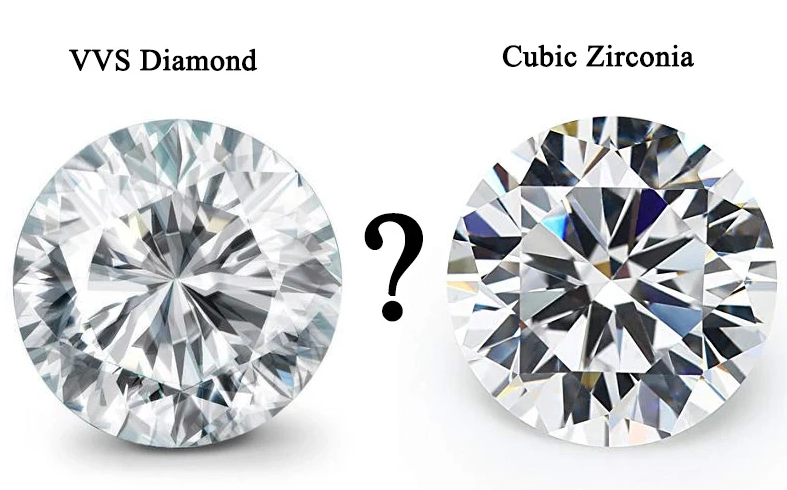
The Misunderstood Weakness: It's Not Just About Hardness
Everyone talks about Mohs hardness. For zircon, the bigger issue is tenacity—its resistance to breaking. Zircon is brittle. Imagine a piece of glass versus a piece of plastic. The plastic (lower hardness) might scratch easier, but the glass (higher hardness but brittle) will chip if you knock it. Zircon is the glass. This means setting and wearing it requires care. Prong settings are risky; a bezel setting is smarter.
How to Identify Zircon vs. Diamond at Home (and When to Call a Pro)
You don't always need a lab. Here are the tricks, ranked from easiest to most definitive.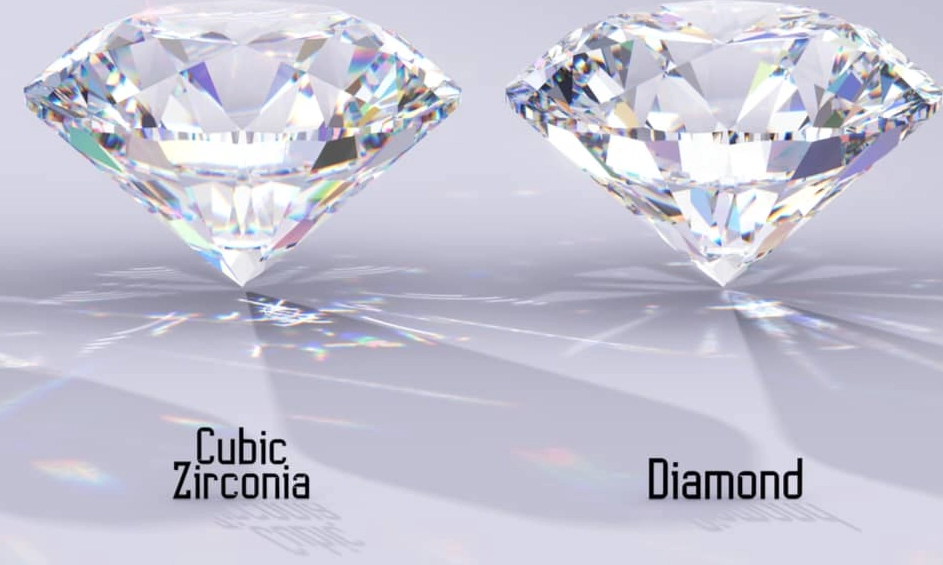
The Read-Through Test (For Unmounted Stones): Place the stone table-down on a piece of text. If you can clearly read the letters through the pavilion (bottom), it's not a diamond. Diamond's high refractive index bends light so much it won't let you see through. Zircon and CZ often will, especially if cut shallow.
The "Doubling" Check: This is the killer test for zircon. Look at the stone through the crown (top) with a 10x loupe, focusing on the facet edges at the back of the stone. If you see two lines instead of one where the facets meet, that's strong double refraction. Diamond and CZ will show single, sharp lines. Not all zircon shows this equally, but if you see it, it's not a diamond.
The Heft Test: Cubic zirconia is dense. A 1-carat CZ will be physically smaller than a 1-carat diamond. If you have a known diamond of the same carat weight to compare side-by-side, the CZ will look noticeably smaller. Zircon is closer to diamond in density, so this test isn't reliable for it.
When to Stop Guessing: If the stone passes the read-through test and shows no doubling, you could be looking at a diamond, a very well-made simulant like moissanite, or a lab-grown diamond. This is where DIY ends. You need a professional. A jeweler with a simple thermal conductivity tester (the pen-like device) can instantly separate diamond (passes) from zircon/CZ/moissanite (fails). For a final, legal answer, especially for insurance, a report from a gemological lab like the Gemological Institute of America (GIA) is the only sure path.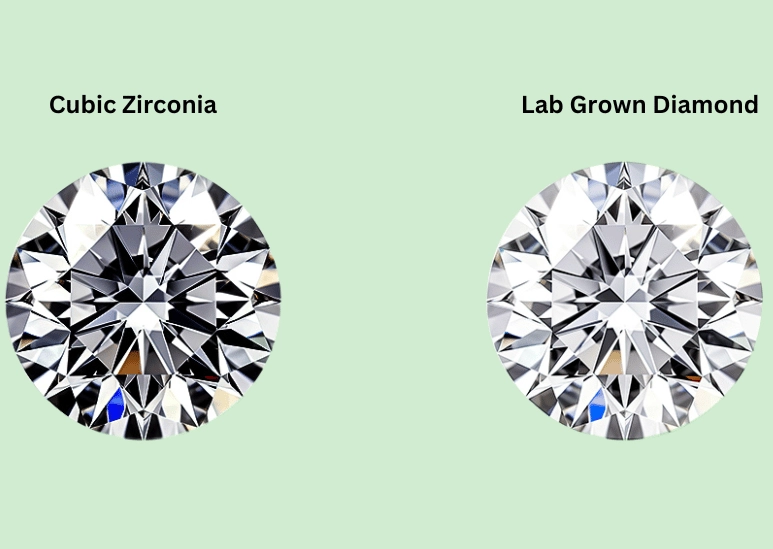
When to Choose Zircon, and When to Stick with Diamond
It's not about one being "better." It's about purpose.
Choose Natural Zircon If:
- You want a unique, colorful centerpiece in a pendant or earrings (where wear is minimal). Blue zircon is stunning.
- You're buying vintage or antique jewelry. Colorless zircon was a common diamond alternative in the early 1900s (often called "Matura diamond"). It has historical charm.
- Budget is a primary concern, but you want a natural gem with incredible fire, not a synthetic.
- You simply love its specific sparkle and don't plan on subjecting it to daily knocks.
Choose Diamond (or a Lab-Grown Diamond) If:
- The piece is for daily wear, especially an engagement ring or a right-hand ring.
- Symbolism, tradition, and the concept of "forever" durability are paramount.
- You need zero doubt about durability and long-term value retention.
- You prefer the specific, white brilliance of diamond over the more fiery display of zircon.
Avoid Cubic Zirconia for long-term pieces. It's great for fashion jewelry you'll wear a few times, but it clouds, scratches, and loses its polish quickly. It screams "costume" after a short while.