Quick Navigation: What's Inside
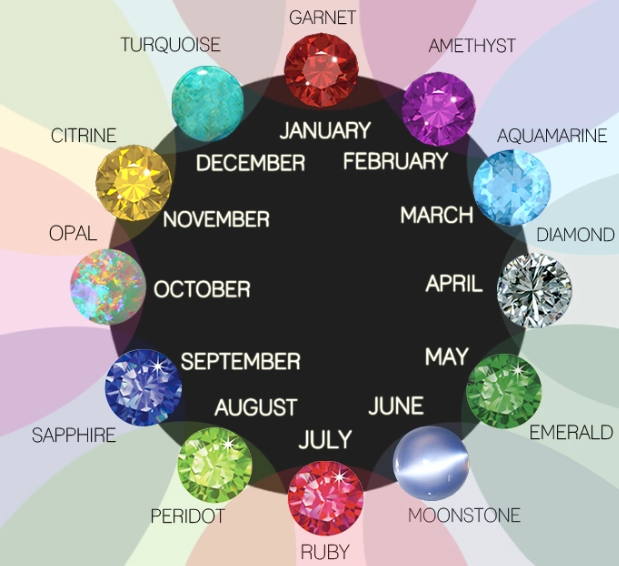
Let's cut to the chase: zircon is a stunning gemstone, often used as a December birthstone, but it's not for everyone. I've seen too many people rush into wearing it without considering the risks. If you're thinking about adding zircon jewelry to your collection, pause and read this. Certain individuals should avoid it due to health, job-related, or cultural reasons. I'll break down who these people are, based on my years in the gem trade and some painful lessons learned.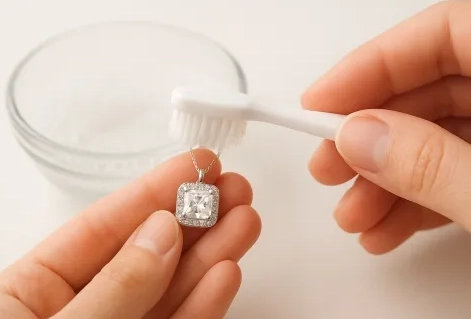
First off, zircon isn't cubic zirconia—that's a common mix-up. Natural zircon can have traces of elements like uranium and thorium, though the radiation is minimal and generally safe. But that's not the whole story. The real issues often come from metal settings, skin sensitivities, or plain old superstition.
What Is Zircon? Busting Common Myths
Zircon is a natural mineral, zirconium silicate, found in various colors like blue, white, and brown. It's been around for centuries, prized for its brilliance and fire. But here's where people get tripped up: it's frequently confused with cubic zirconia, a lab-created diamond simulant. That confusion leads to assumptions about safety and value.
In my experience, this mix-up causes two big problems. One, folks assume zircon is always cheap and harmless, which isn't true for high-quality natural stones. Two, they overlook genuine risks because "it's just a fake." The Gemological Institute of America (GIA) notes that natural zircon can be brittle and prone to chipping, something many jewelers forget to mention.
Key takeaway: Don't dismiss zircon as a mere imitation. Treat it with the same caution you would any gemstone, especially if you fall into risk groups.
Key Groups Who Should Avoid Zircon
Based on client stories and industry reports, I've identified three main categories of people who should think twice before wearing zircon. It's not just about allergies—though that's a big part.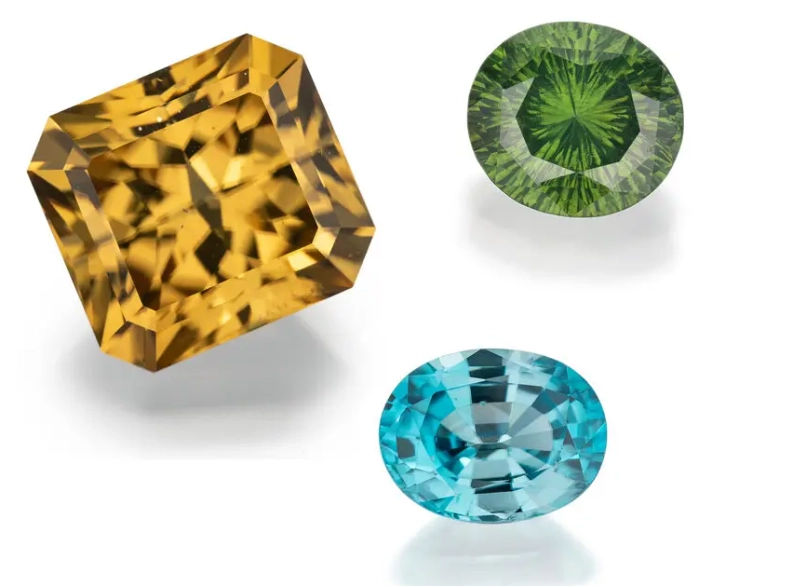
For Those with Skin Sensitivities or Allergies
If you have sensitive skin, zircon jewelry might trigger reactions. It's rarely the gem itself, but the metal setting. Many zircon pieces use nickel-based alloys to cut costs, and nickel allergies are common. I had a client last year who developed a persistent rash from a zircon ring. Turns out, it was the nickel in the band, not the stone. She switched to a platinum setting, and the problem vanished.
Also, some zircon stones are treated with heat or radiation to enhance color. While treatments are generally stable, residues or unstable processes can cause skin irritation in rare cases. Always ask about treatments when buying.
Occupational Hazards: When Work and Jewelry Clash
Your job might make zircon a bad choice. Think about it: zircon is relatively soft compared to diamonds, with a Mohs hardness of 6.5 to 7.5. If you're in a hands-on profession, it can get scratched or damaged easily.
| Occupation | Risk | Why Avoid Zircon |
|---|---|---|
| Healthcare Workers | High | Frequent hand washing and glove use can trap moisture, leading to skin irritation under rings; zircon settings may harbor bacteria. |
| Construction or Manual Laborers | High | Physical impact can chip or crack the stone; dust and debris can scratch the surface. |
| Chefs or Food Handlers | Medium | Heat and chemicals in kitchens can damage treated zircon; rings can fall into food. |
| Athletes | Medium | Sweat and friction during sports can cause metal corrosion and gem loosening. |
I recall a carpenter who wore a zircon pendant. It got snagged on a tool, and the stone shattered. He learned the hard way that delicate gems and rough work don't mix.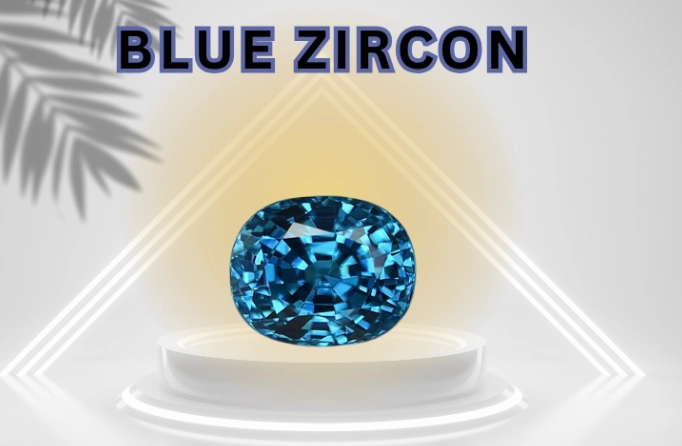
People with Specific Health Conditions
If you have conditions like arthritis or eczema, zircon might exacerbate discomfort. Heavy settings can press on swollen joints, and certain metals can irritate inflamed skin. Also, there's a niche concern about radioactivity. While natural zircon's radiation is extremely low—way below harmful levels—if you're pregnant or have a compromised immune system, you might want to err on the side of caution. The International Atomic Energy Agency (IAEA) states that gemstone radiation is negligible, but some folks prefer to avoid any risk.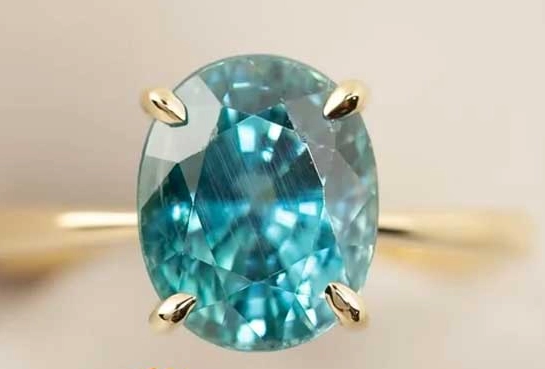
Cultural and Superstitious Beliefs Around Zircon
This is where it gets interesting. In some cultures, zircon is associated with bad luck or specific taboos. For example, in certain Asian traditions, blue zircon is avoided during mourning periods because it's seen as too vibrant. I've met clients who refuse to wear it based on family superstitions, like it attracting negative energy.
From a practical standpoint, if you're deeply superstitious or part of a community with strong beliefs, it's worth considering these aspects. It's not just about physical harm—mental peace matters too. I once sold a zircon necklace to a woman who later returned it, saying it made her anxious due to cultural stories. Respecting that is key.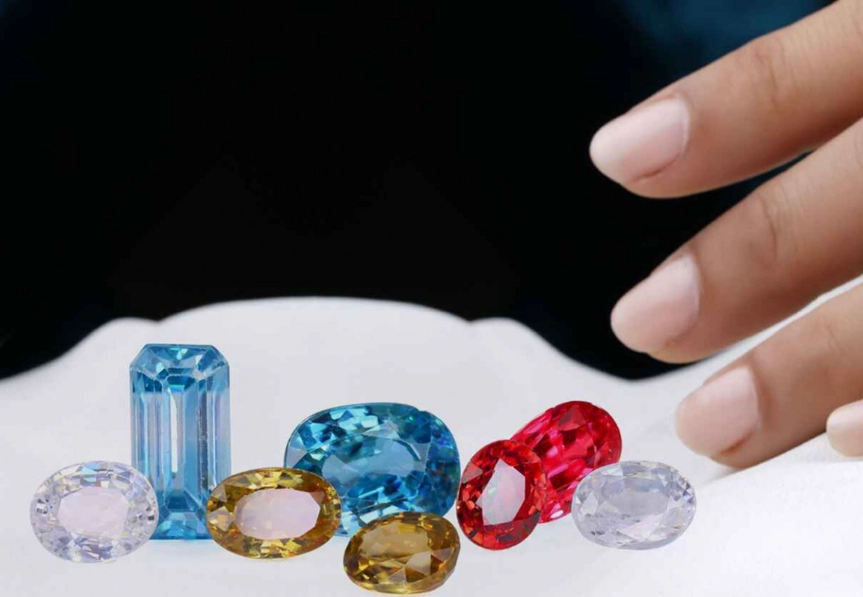
Practical Tips for Safe Zircon Wear
If you're not in the risk groups, you can still wear zircon safely. Here are some no-nonsense tips from my decade in the business:
- Choose the right setting: Opt for hypoallergenic metals like platinum, titanium, or high-karat gold. Avoid nickel if you're allergy-prone.
- Inspect regularly: Check for loose stones or worn prongs, especially if you wear it daily. Zircon's brittleness means it can pop out if the setting weakens.
- Clean gently: Use mild soap and water, not harsh chemicals. Ultrasonic cleaners might damage treated stones—I've seen it happen.
- Store separately: Keep zircon jewelry in a soft pouch to prevent scratches from harder gems.
Also, consider the source. Buy from reputable dealers who disclose treatments. The GIA website has resources on ethical sourcing, which can reduce risks like exposure to poorly processed stones.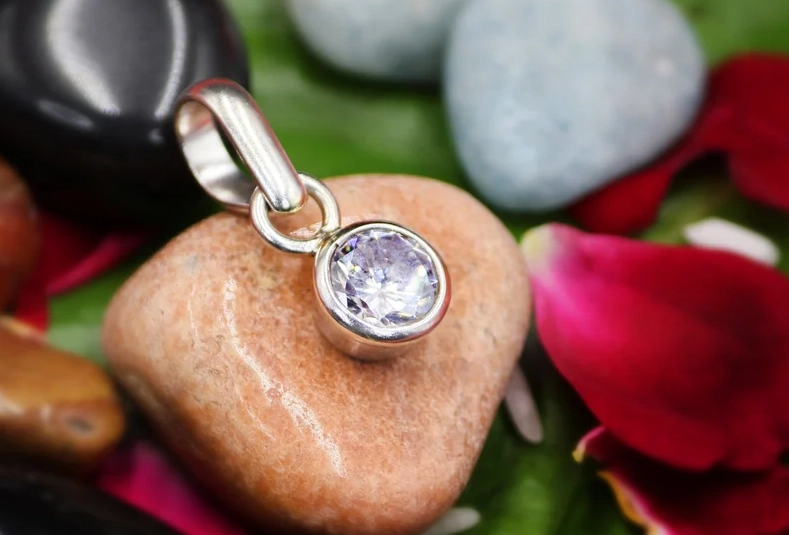
Frequently Asked Questions
Wrapping up, zircon is beautiful but not universal. If you have allergies, a rough job, or cultural hesitations, think carefully before wearing it. For others, follow the tips above to enjoy it safely. Remember, gemstones should enhance your life, not complicate it.