Ask most people to picture onyx, and they'll describe a solid, glossy black stone. That's the popular image. But the real story of onyx is more layered and fascinating. As someone who's worked with gemstones for over a decade, I've seen more confusion around onyx than almost any other stone. Is it always black? Is it expensive? Why does some "onyx" jewelry feel cheap? Let's cut through the myths. True onyx is a banded variety of chalcedony, a type of quartz. Its classic form features parallel bands of black and white. The pure black version you know is often treated or a different material altogether. Understanding this distinction is the first step to appreciating its real value and avoiding costly mistakes.
What's Inside?
What Exactly is Onyx? Breaking Down the Basics
Onyx isn't a single mineral. It's a specific form of chalcedony, which itself is a microcrystalline variety of quartz. The defining characteristic? Parallel bands. Think of it like agate's more orderly cousin. While agate has curved, swirling bands, onyx bands are straight and layered.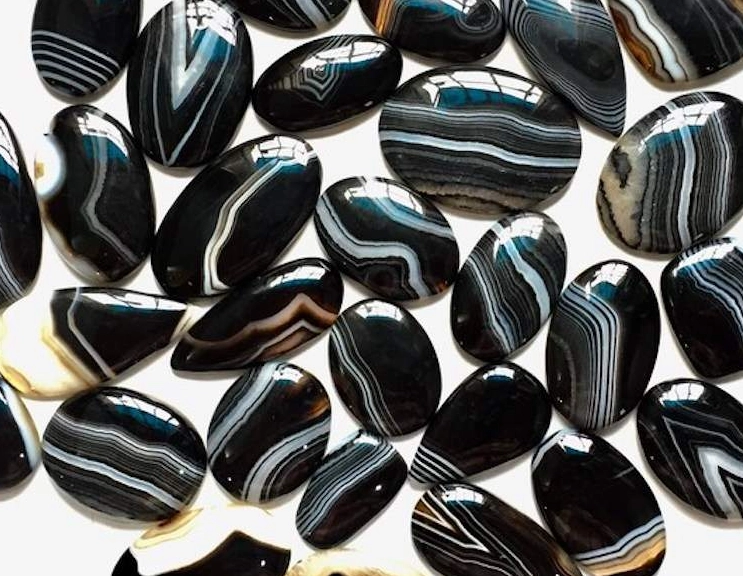
Here’s where things get tricky in the gem trade. The term "onyx" is used in three main ways, and knowing which one you're dealing with changes everything.
The Three Faces of Onyx
Banded Onyx (The Classic): This is the geologically correct onyx. It has alternating layers of black and white, or sometimes brown and white. Historically, this was carved into cameos—the white layer for the raised portrait, the dark layer for the background. You don't see this as often in mass-market jewelry.
Black Onyx (The Treated Stone): This is what fills most jewelry store cases. It's usually grayish chalcedony or agate that has been soaked in a sugar solution and then treated with sulfuric acid to carbonize the sugar, creating an intense, uniform black color. According to the Gemological Institute of America, this treatment is stable and permanent. It's not "fake," but it's not naturally that pure black.
"Mexican Onyx" or "Green Onyx" (The Imposter): This isn't quartz at all. It's a banded form of calcite or marble, much softer and more susceptible to acids (even vinegar can etch it). It's often translucent and comes in greens, reds, and yellows. It's beautiful for decorative objects but a poor choice for a ring you'll wear daily.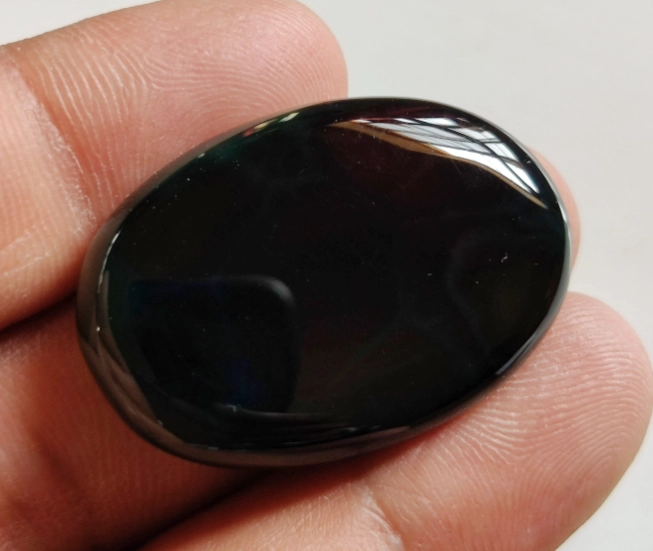
Key Takeaway: When you're buying "onyx" jewelry, you're most likely getting treated black chalcedony. That's fine, as long as you know it and the price reflects it. The banded variety is rarer in jewelry, and the calcite type should be clearly identified as such.
Onyx Meaning and Historical Use: From Cameos to Chessboards
Onyx has a baggage of mixed symbolism. In many ancient cultures, its deep black color linked it to mourning and protection against negative energy. The Romans used it for intaglio seals (carved recesses), believing it gave the wearer authority. In more modern crystal healing circles, black onyx is touted for grounding, strength, and self-control.
But let's talk about its real historical superpower: craftsmanship. Its hardness (7 on the Mohs scale) and ability to take a high polish made it ideal for detailed carving. Ancient Assyrian and Babylonian cylinder seals were often made from onyx. During the Renaissance and Victorian eras, banded onyx was the premier material for cameos. Its use wasn't limited to adornment. I've seen stunning antique chess sets, inkwells, and even small tabletops made from slabs of banded onyx, showcasing its dramatic natural stripes.
Today, its primary use is in men's jewelry (cufflinks, signet rings) and statement pieces for women. Its opaque, solid appearance provides a bold contrast to sparkling diamonds or colored gems.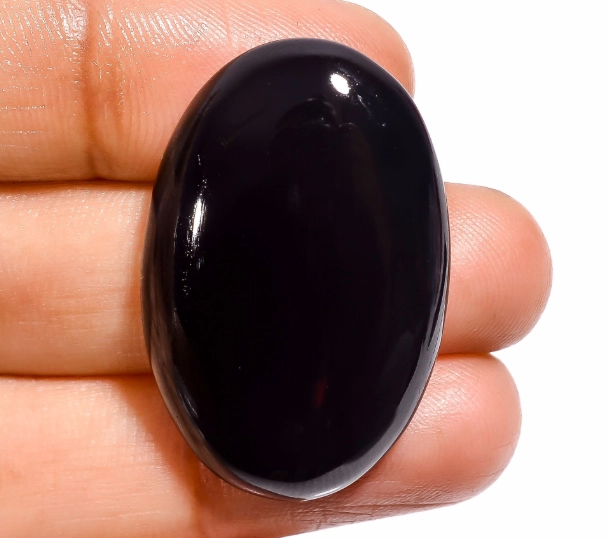
How to Identify Real Onyx: A Practical Guide
So, you have a black stone. Is it onyx? Here’s how to play detective. Forget complex lab tests; start with simple observations.
Look for the Tell-Tale Signs:
- Color: Natural, untreated banded onyx will show layers. Pure, even black is a sign of treatment. If it's a vibrant green or red, it's likely calcite.
- Temperature: Quartz onyx feels cool to the touch and warms slowly. Plastic or glass imitations feel warmer initially.
- Weight: Quartz has a decent heft. Glass feels lighter, while plastic feels much lighter.
- Surface: Look closely with a loupe. Real stone has a subtle granularity. Glass may show tiny bubbles or swirls; plastic might have mold marks.
The Scratch Test (Use Caution): Onyx (quartz) has a hardness of 7. It should not be scratched by a steel knife (hardness ~5.5). "Mexican" calcite onyx (hardness 3) will scratch easily. Only do this on an inconspicuous area if you own the piece.
| Material | Key Identifying Feature | Hardness (Mohs) | Common Use |
|---|---|---|---|
| Banded Onyx (Quartz) | Parallel black/white or brown/white bands | 7 | Cameos, decorative objects, rare jewelry |
| Treated Black Onyx (Quartz) | Uniform, intense black; may show banding under bright light | 7 | Mass-market jewelry (rings, pendants) |
| "Mexican" Onyx (Calcite) | Banded, often translucent in greens, reds, oranges | 3 | Bookends, bowls, lamps, cheap souvenirs |
| Glass/Plastic Imitation | Too perfect, feels light, may have bubbles or seams | Varies ( | Very cheap costume jewelry |
The biggest mistake I see? People paying a premium for a large "onyx" ring, only to find out it's soft calcite that gets clouded and scratched within a year. Always ask the seller: "Is this quartz onyx or calcite onyx?" A reputable dealer will know the difference.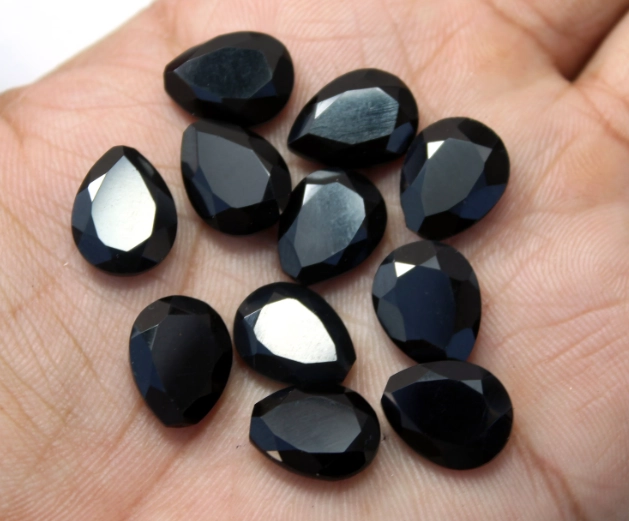
Buying Onyx: A No-Nonsense Guide to Value and Price
Onyx is an affordable gemstone, but prices vary wildly based on what you're actually getting. Don't overpay.
Price Factors:
- Material: Treated black quartz onyx is the most common and least expensive. Fine, naturally banded onyx for carving costs more. Large, decorative pieces of banded calcite can be pricey due to the labor, but it's not a "gem" value.
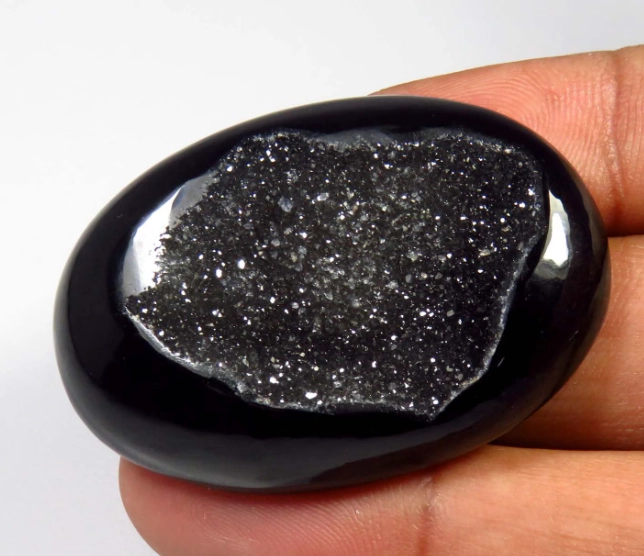
- Cut and Polish: A high, mirror-like polish is essential for onyx. A dull finish kills its appeal. Cabochons (smooth, domed cuts) are standard. Intricate carvings or cameos command higher prices due to artistry.
- Setting and Metal: Most onyx value is in the setting. A simple sterling silver cabochon pendant might be $30-$80. The same stone set in 14k gold with diamond accents can be $300-$800.
- Size: Onyx is readily available in large sizes, so price per carat doesn't jump dramatically like with rare gems.
Where to Buy:
Local jewelers and craft fairs are good for seeing polish quality in person. Online marketplaces like Etsy have unique, handcrafted pieces. For standard treated black onyx, even major department store jewelry sections carry it. My advice? For a simple pair of stud earrings or a pendant, anywhere reputable is fine. For a significant piece like a carved ring or a statement necklace, seek out a lapidary artist or a jeweler who specializes in gemstone carvings. The difference in craftsmanship is night and day.
I once bought a "black onyx" ring from a street vendor for what seemed like a steal. It was. The polish wore off in months, revealing a porous, ugly gray stone underneath. It wasn't even properly treated chalcedony. Lesson learned: a slightly higher price from a trusted source is always better.
Onyx Care and Cleaning: Keeping Your Stone Pristine
Onyx is durable for a gemstone but has its weaknesses. Its porosity is the main issue, especially for treated stones.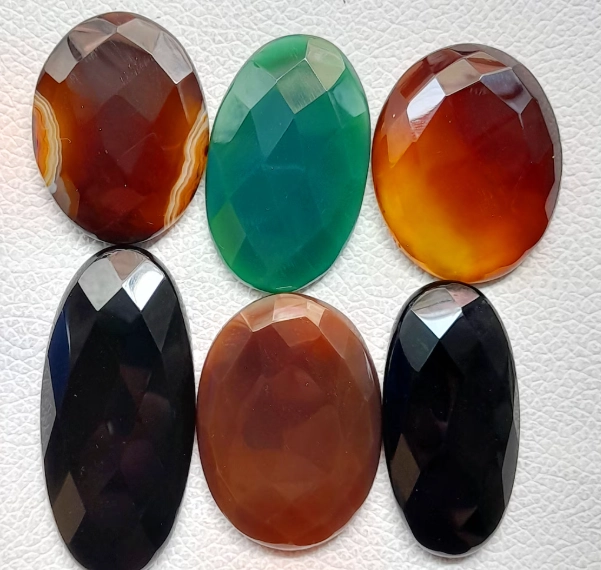
What to Avoid:
- Household Chemicals: Hairspray, perfume, cleaners, and acids can dull the polish or even stain the stone. Put your jewelry on last when getting ready.
- Ultrasonic Cleaners: Never use them. The vibrations can crack the stone, especially if it has internal fractures from treatment.
- Steam Cleaners: The heat and pressure can cause damage.
- Hard Knocks: While hard, a sharp blow can chip or crack it. Don't wear an onyx ring for manual work.
The Right Way to Clean: It's simple. Warm water, a drop of mild dish soap, and a soft toothbrush. Gently scrub, rinse thoroughly, and dry immediately with a soft, lint-free cloth. Store it separately from harder gems (diamonds, sapphires) to prevent scratches.
If your onyx is the calcite variety, be extra careful. Water can eventually cloud it, and any acid is a disaster. Just wipe it with a dry cloth.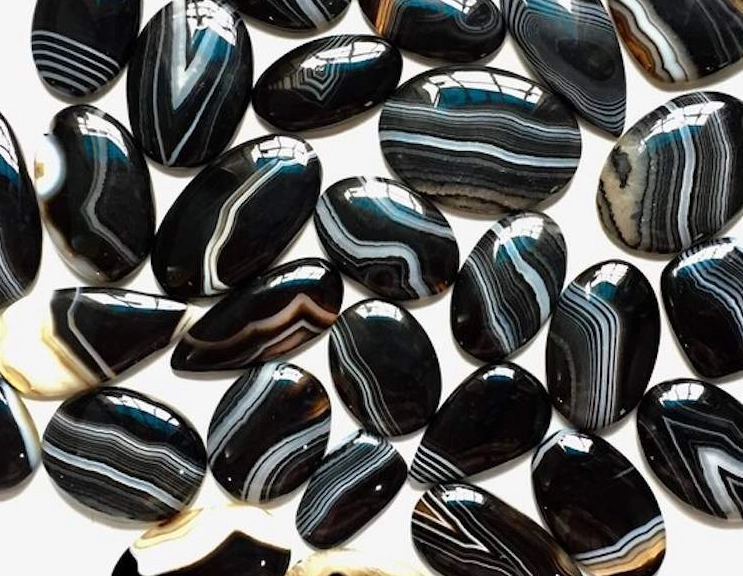
Your Onyx Questions, Answered
Why did my onyx ring crack after a few years?
This is often due to thermal shock or repeated minor impacts. Onyx, especially treated material, can have microscopic fractures. Sudden temperature changes (like going from a hot car into air conditioning) or daily wear-and-tear can cause these to propagate. It's also possible it was a softer calcite stone sold as quartz onyx. For a ring, the setting should protect the girdle (the edge). A bezel setting is more protective than prongs.
Is black onyx a birthstone?
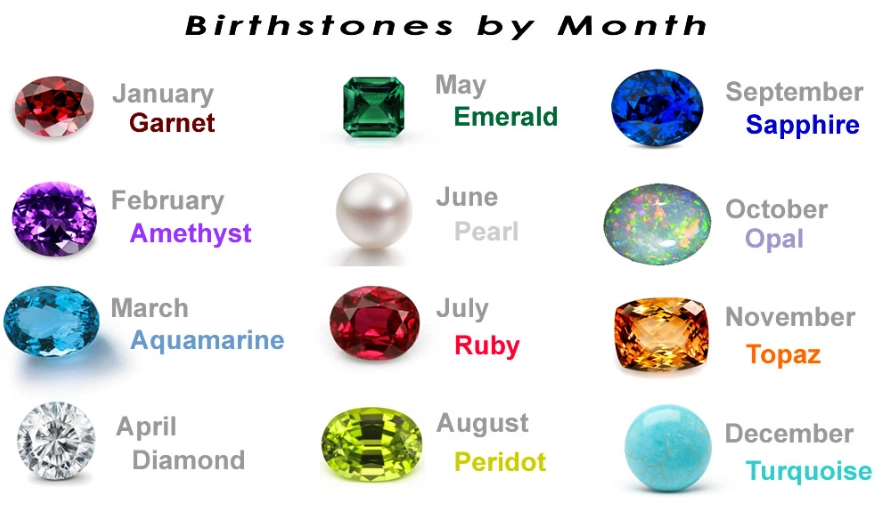
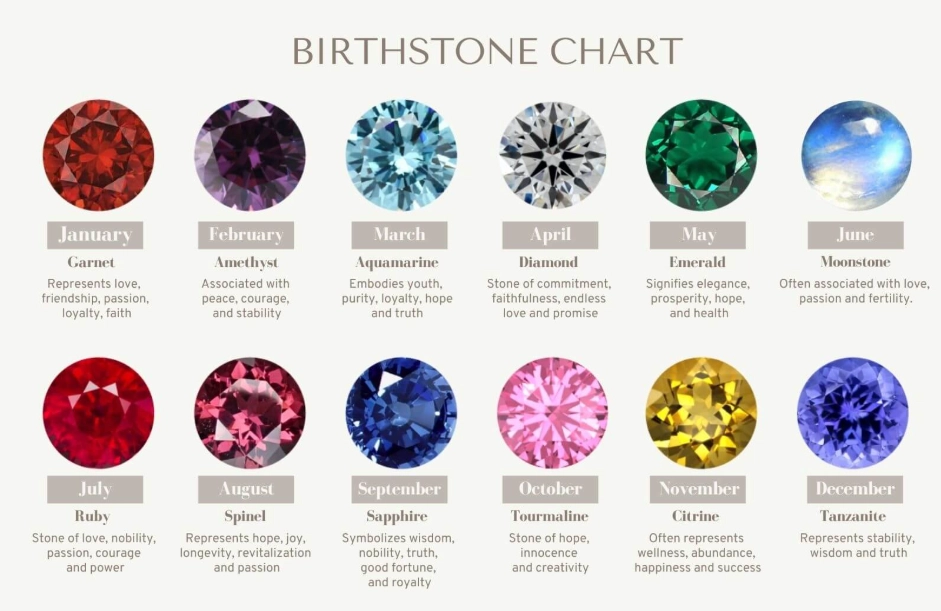
Onyx is traditionally listed as a gemstone for the zodiac sign Leo and is an alternative birthstone for July (along with ruby). However, this association is more from historical and mystical traditions than the modern official birthstone lists from organizations like the Jewelers of America. Many people simply choose it for its aesthetic.
Can onyx go in water?
Brief exposure to water during cleaning is fine. But I don't recommend wearing onyx jewelry in the shower, pool, or ocean. Prolonged immersion can allow water to seep into any pores or fractures, potentially leading to discoloration or weakening the stone over time. Chlorine and salt are particularly bad. It's a "better safe than sorry" situation.
How can I tell if my green onyx is real?
If it's green and called onyx, it's almost certainly calcite. The "realness" test is about hardness. Try scratching an inconspicuous spot with a copper coin (hardness 3). If it scratches easily, it's calcite. If it doesn't, you might have a rare piece of dyed quartz or a different green stone altogether, like chrysoprase. Most green onyx decorative items are beautiful calcite, just understand it's softer and requires gentle care.
Does onyx make a good engagement ring stone?
I generally advise against it for a daily-wear engagement ring. Its hardness (7) is decent, but its brittleness and susceptibility to chemicals are concerns. A ring meant for decades of constant wear needs to withstand bumps, cleaning products, and environmental exposure. Sapphire, moissanite, or even a harder quartz like citrine are more durable choices. Onyx is fantastic for a right-hand ring or a pendant you won't subject to daily abuse.