Onyx isn't just a pretty black stone you see in men's signet rings. It's a versatile gem with a history as layered as its own structure, and frankly, it's often misunderstood. For years, I saw people overpay for treated stones or avoid onyx altogether because they heard it was "too fragile." Most of that is myth. The real story of onyx covers ancient talismans, stunning home decor, and surprisingly durable jewelry—if you know what you're getting. This guide cuts through the noise. We'll look at what onyx actually is, why its color range might surprise you, how to determine its value, and most importantly, how to care for it so it lasts a lifetime.
What's Inside This Guide
What Exactly is Onyx Stone?
Let's get technical for a second, but only a second. Onyx is a variety of chalcedony, which itself is a form of quartz. That means its core ingredient is silicon dioxide. What makes onyx special is its parallel banding. Unlike agate which has curved bands, onyx bands are straight, layered, and usually in contrasting colors like black and white.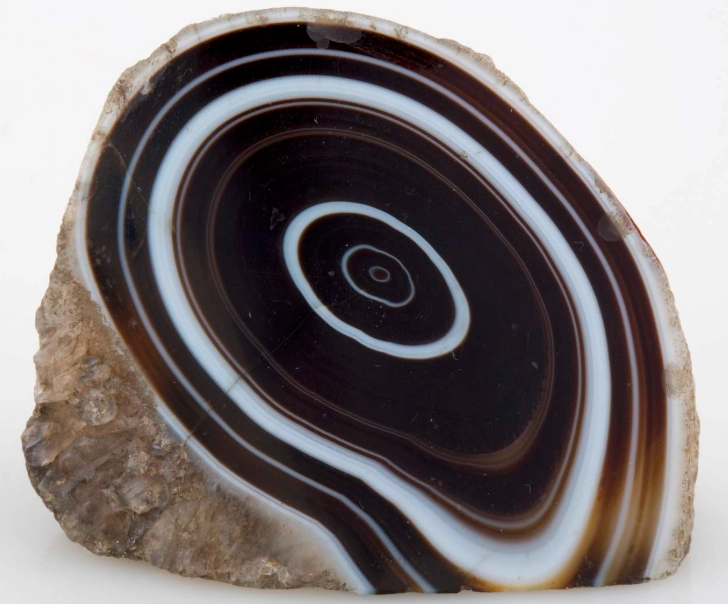
Here's where confusion kicks in. The term "onyx" in the commercial jewelry trade often refers to any solid black chalcedony. That "black onyx" in your local mall jewelry store? It's frequently plain black agate or common chalcedony that's been sugar-acid treated to turn it black. It's still a real stone, but it's not technically classic banded onyx. As a buyer, knowing this doesn't necessarily devalue your piece, but it prevents you from overpaying for a "rare natural black onyx" that isn't so rare.
Quick Geology Snapshot
Mineral Family: Chalcedony (Quartz)
Key Feature: Parallel, straight banding (in its true form).
Common Look-Alike: Solid black agate sold as "black onyx."
Hardness: 6.5-7 on the Mohs scale. This is important—it's harder than glass but can be scratched by materials like topaz or diamond.
A Stone Steeped in History & Meaning
Onyx has been around. Ancient Egyptians used it for pottery and carving protective amulets. The Romans were big fans, carving it into intricate cameos and intaglios where the different colored layers created stunning contrast for portraits and scenes. They associated it with courage and strength in battle.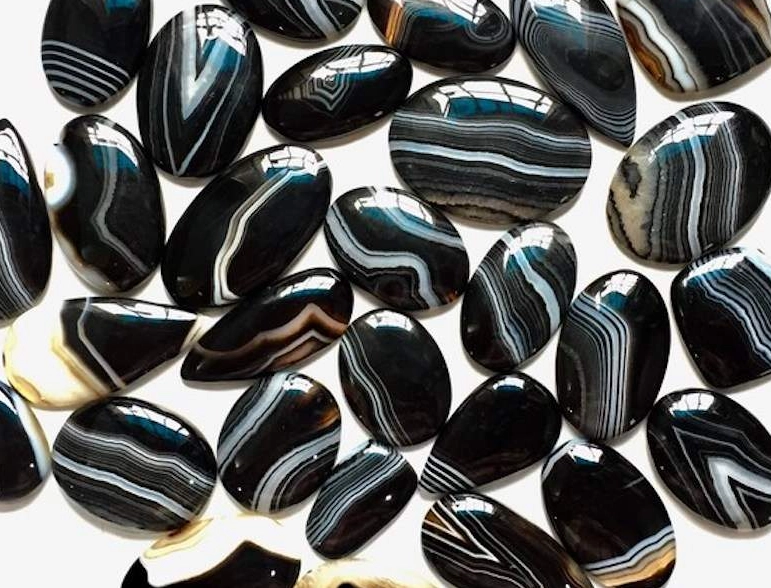
In various cultures, onyx picked up a mixed bag of meanings. Some saw it as a protector against negative energy, while others, oddly, considered it a bearer of discord. This negative rep likely comes from its name's Greek origin, meaning "fingernail" (a myth linked it to the fingernails of a goddess). Personally, I think the "negative energy" tag is overblown and stems more from its intense, absorbing black color than any real property. In modern crystal healing circles, black onyx is touted for grounding, self-control, and as a shield against stress. Take that as you will—it's more about personal belief than geology.
Beyond Black: The Colors & Varieties of Onyx
If you think onyx is only black, you're in for a treat. Its banding means it comes in a range of color combinations.
Classic Black Onyx
The most famous. Often a solid black or with thin white bands. The deep, opaque black is what gives it that sleek, formal look perfect for statement pieces and men's jewelry.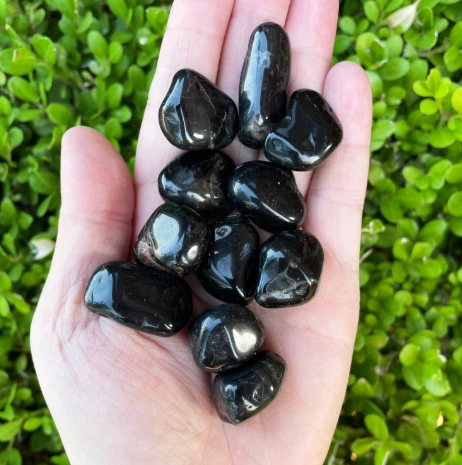
Sardonyx
This is the showstopper. Sardonyx features bands of reddish-brown sard alternating with white or black onyx layers. It was wildly popular in Roman times for signet rings and seals. The warm tones make it feel more vibrant than plain black.
Green Onyx & Other Hues
You'll find banded stones labeled as green onyx, blue onyx, or even red onyx. Here's the expert tip: Most of these are banded calcite, not quartz. Calcite is much softer (Mohs 3), more susceptible to acids, and has a different luster. It's beautiful for decorative objects but is not suitable for a ring you'll wear daily. Always ask if it's "onyx (quartz)" or "onyx (calcite)." The price and care instructions differ massively.
Key Properties & How to Identify Onyx
Knowing what you're looking at is half the battle. Here are the key identifiers:
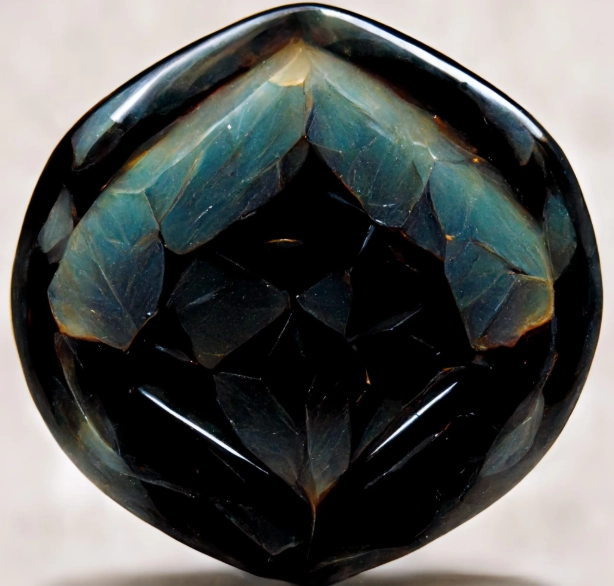
- Luster: It has a vitreous (glassy) to waxy luster when polished. It should shine, not look dull or plasticky.
- Transparency: Typically opaque, though some thinner slices or bands can be slightly translucent.
- Banding: Look for those straight, parallel lines. If the bands are swirly or circular, it's agate.
- Temperature: Like all quartz, it feels cool to the touch initially.
- Hardness Test: It should be able to scratch glass. Be careful if you try this on a finished piece!
What Determines an Onyx Stone's Value?
Onyx is generally an affordable gemstone, but prices vary. You're not paying for rarity like a diamond, but for craftsmanship, size, and quality of material. This table breaks it down:
| Factor | Impact on Value | What to Look For |
|---|---|---|
| Color & Banding | High contrast, sharp bands command higher prices. Vivid sardonyx is more valued than muddy bands. | Crisp, clean lines between colors. Even saturation in black stones (no gray patches). |
| Polish & Finish | A perfect, mirror-like polish is crucial. Any scratches or dull areas lower value. | A flawless, high-gloss surface with no visible pits or cracks. |
| Cut & Carving | Intricate cameo carving or precision stone inlay work adds significant artistic value. | Clean edges, symmetrical facets in cabochons, detailed definition in carvings. |
| Size | Large, flawless slabs for decor or big cabochons are rarer than small chips. | For tabletops or large tiles, check for consistent color and minimal veining. |
| Treatment Disclosure | Dyed black onyx is standard and inexpensive. Natural, untreated banded onyx costs more. | Ask! A reputable seller will disclose if the color is enhanced. Natural is a selling point. |
| Setting & Metal | Value is heavily influenced by the jewelry setting (e.g., sterling silver vs. gold). | A well-made setting that protects the stone's edges, especially for rings. |
I once saw a stunning antique sardonyx cameo priced high not for the stone itself, but for the impeccable, microscopic detail of the carving—that's where the value was.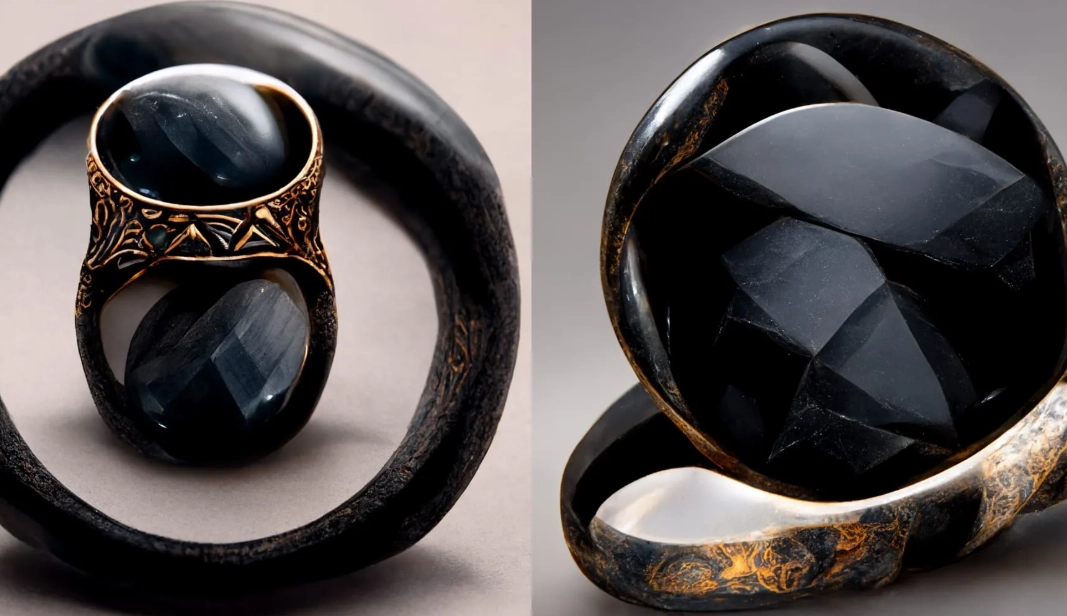
Practical Uses: From Jewelry to Your Home
Onyx isn't just for jewelry. Its durability and polish make it incredibly versatile.
Jewelry
Rings, cufflinks, pendants, beads. Black onyx is a formal staple. Sardonyx makes unique, conversation-starting pieces. For a ring, I recommend a bezel or halo setting to protect the rim from chipping, especially if you work with your hands.
Home Decor & Hard Surfaces
This is a major use. Onyx slabs, often backlit, create breathtaking bar fronts, wall panels, and bathroom vanities. Green onyx (calcite) lamps glow beautifully. Important: For any wet area (bathroom, kitchen), ensure it's properly sealed. Onyx (quartz) is better for this than calcite onyx, which can etch from acidic cleaners.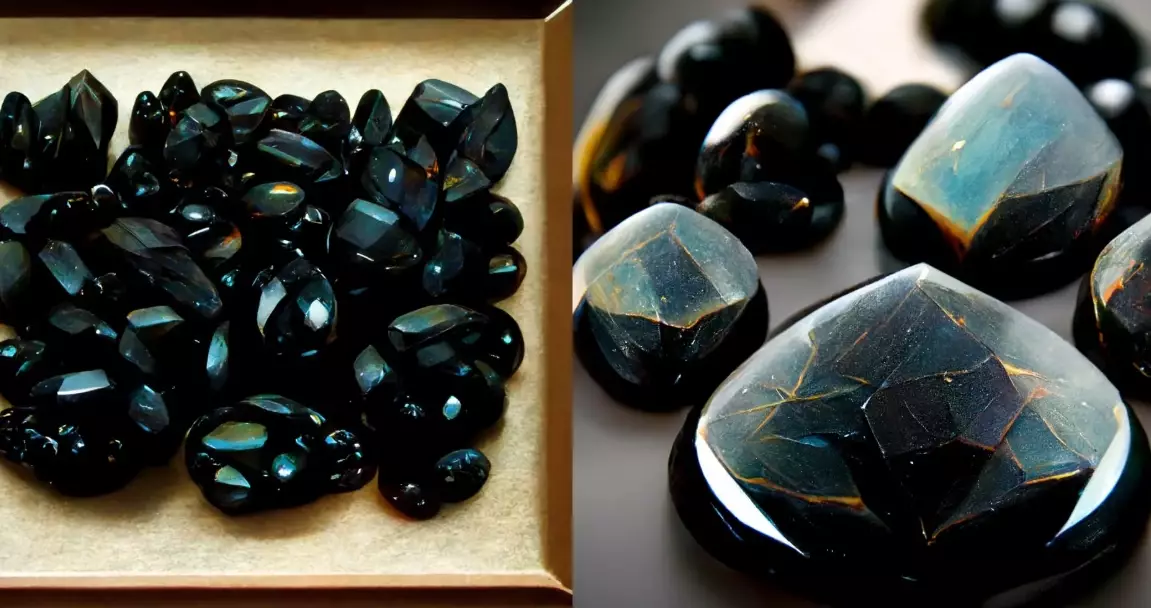
Carved Objects & Inlay
From small figurines and boxes to intricate inlay work on furniture or musical instruments. The different layers allow for stunning 3D effects in carvings.
Onyx Care & Cleaning: The Right Way
Here’s where people mess up. Onyx is not delicate, but it has enemies.
- Cleaning: Use warm, soapy water and a soft cloth. Dry immediately. Never use ultrasonic cleaners, steam cleaners, or harsh chemicals (like bleach, ammonia, or acetone). They can ruin the polish or damage treated stones.
- Storage: Keep it separate from harder gems (diamond, sapphire, topaz) to prevent scratches. A soft pouch is ideal.
- Avoid: Sudden temperature changes (don't take an onyx ring from a hot car into a cold pool). For calcite onyx, avoid all acids—vinegar, lemon juice, even some perfumes can damage the surface.
- Wear: It's fine for daily wear in protective settings, but take it off for heavy manual work, gardening, or the gym.
Your Onyx Questions Answered
Is onyx the same thing as obsidian?
How can I tell if my black onyx is real or plastic?
Is an onyx ring durable enough for everyday wear?
I've heard some onyx is radioactive. Should I be worried?
What's the difference between onyx and agate?