What You'll Find in This Guide
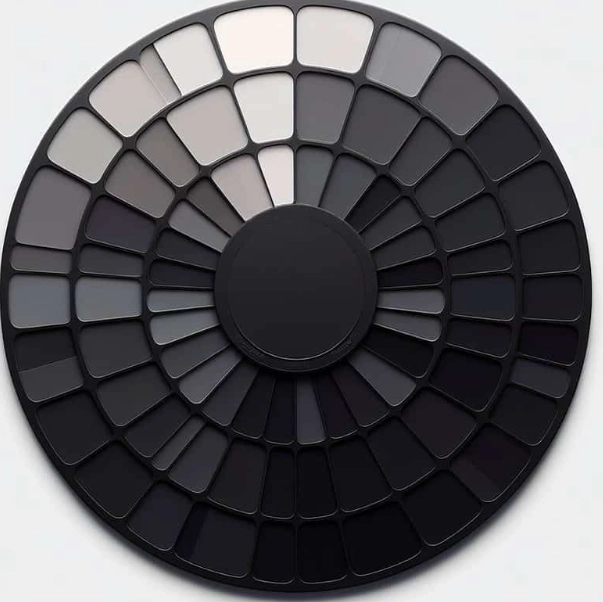
When people hear "onyx color," they often picture a sleek, uniform black. But after ten years as a gemologist, I've learned that's a simplistic view. Onyx color is a complex spectrum influenced by geology, treatment, and even lighting. In the first hundred words, let me clarify: onyx is a banded chalcedony quartz, and its color ranges from deep blacks to vibrant greens, often with layers that tell a story. This guide dives into what makes onyx color unique, how to identify it, and why it matters for your jewelry or design projects.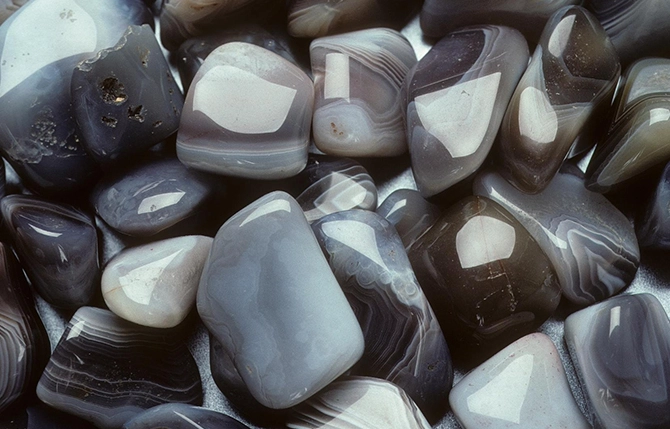
What is Onyx Color Really?
Onyx color stems from impurities like iron oxides or organic materials within chalcedony. Historically, ancient Romans used black onyx for signet rings, believing it conveyed authority. Today, the Gemological Institute of America (GIA) classifies onyx as a variety of chalcedony with parallel bands. The color isn't just aesthetic; it affects value and durability.
I recall a client who bought a "black onyx" pendant online. Under magnification, we saw uneven dye concentrations—a dead giveaway it was treated agate. Beginners often miss this because they focus on gloss, not structure. True onyx color has a waxy luster and may show subtle translucency, especially in thinner sections.
Color meanings vary: black onyx symbolizes protection in many cultures, while green onyx is tied to emotional balance. But don't get caught up in mysticism; the real value lies in how the color interacts with light and wear.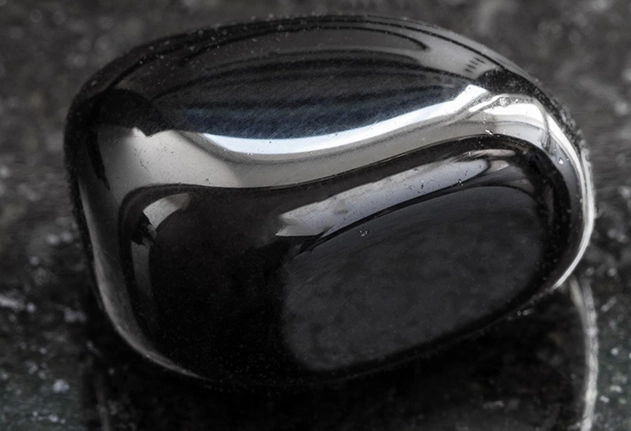
The Many Faces of Onyx: Types and Colors
Onyx isn't monolithic. Based on my experience handling stones from mines worldwide, here are the key types you'll encounter. A common mistake is calling any banded stone "onyx," but true onyx has specific characteristics.
| Type | Color Description | Common Sources | Key Features and Notes |
|---|---|---|---|
| Black Onyx | Deep, solid black with a glossy finish; sometimes has brownish undertones | Brazil (Minas Gerais), India (Maharashtra), USA (Arizona) | Often dyed to enhance color; natural black is rare and more expensive. Prone to scratching if not cared for. |
| Sardonyx | Banded with alternating red, brown, or white layers; resembles agate but with straight bands | India (Rajasthan), Germany (Idar-Oberstein) | Popular for cameos due to contrast. Bands should be parallel; if concentric, it's likely agate. |
| Green Onyx | Translucent green, ranging from pale mint to deep forest; may have white banding | Pakistan (Balochistan), Afghanistan | Often confused with jade or serpentine. Softer luster; requires sealing in architectural uses to prevent staining. |
| White Onyx | Pale, milky white or cream with translucent properties | Mexico (Puebla), Turkey (Anatolia) | Used in backlit design features. Brittle and porous; I've seen it crack from thermal shock in kitchens. |
| Red Onyx | Rare reddish hues from iron inclusions; often marketed as "sardonyx" variants | Madagascar, Australia | Highly sought after but frequently simulated with resin composites. Authenticity requires lab testing. |
Note: The term "onyx marble" in construction refers to calcite, not quartz onyx—a confusion that leads to mismatched expectations. Always verify mineral composition.
How to Spot Real Onyx Color: A Practical Guide
Identifying genuine onyx color isn't about memorizing facts; it's about hands-on checks. Here’s a method I teach in workshops, focusing on pitfalls most guides overlook.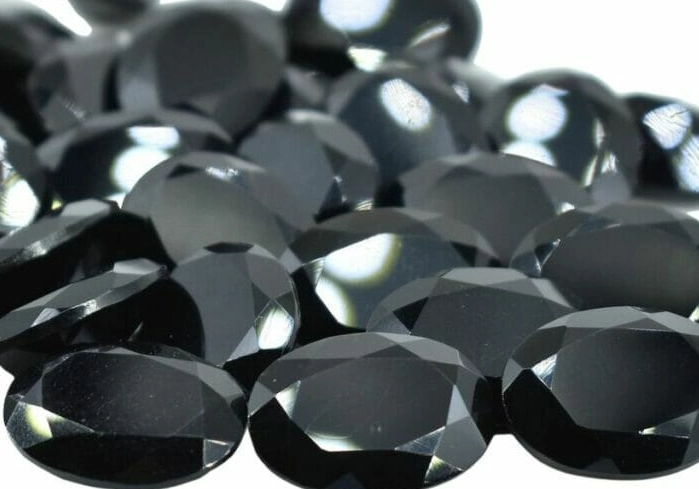
Step 1: Visual and Tactile Inspection
Look for banding under bright light. Real onyx bands are parallel and may be subtle. Run your finger over the surface; genuine stone feels cool and smooth, while plastic or resin feels warm. A rookie error is assuming all black stones are onyx—hematite or obsidian can mimic it but lack chalcedony's waxy feel.
Step 2: Simple Home Tests
Use a hardness pick or steel nail. Onyx scores 6.5-7 on the Mohs scale, so it should resist a nail (hardness 5.5). If it scratches easily, it might be softer calcite. For color, dab acetone on a hidden spot with a cotton swab; if color transfers, it's dyed. But caution: this can damage treated stones, so only do it on expendable pieces.
Step 3: Professional Verification
When in doubt, consult a gemologist. I've appraised pieces where sellers claimed "natural onyx," but UV light revealed dye fluorescence. Reports from bodies like GIA or AGS add credibility, though they cost $50-100. Worth it for investments over $500.
A case study: A designer bought green onyx tiles for a bathroom, only to find they faded from humidity. Testing showed they were dyed marble, not quartz onyx. Always request material certifications for large projects.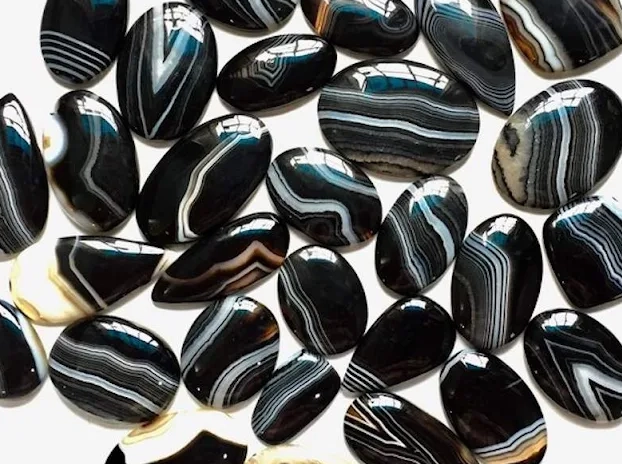
Onyx Color in Action: Design and Jewelry Uses
Onyx color shines in practical applications, but there are trade-offs. In jewelry, black onyx is a staple for men's cufflinks and women's statement necklaces. Brands like Tiffany & Co. use it for contrast in Art Deco pieces. However, I find some modern settings too flimsy—onyx can chip if not bezel-set.
In interior design, onyx slabs create dramatic backsplashes or tabletops. White onyx, when backlit, emits a soft glow perfect for luxury hotels. But here's a tip most designers miss: onyx is photosensitive. Prolonged sun exposure can fade colors, especially in green varieties. I advised a restaurant to use UV-filtering glass on their onyx bar top, which saved them from costly replacements.
For DIY enthusiasts, consider onyx accents in small doses. A mosaic with onyx chips can add depth without the maintenance headache of large slabs. Avoid using it in high-traffic areas like floors—it's just not durable enough.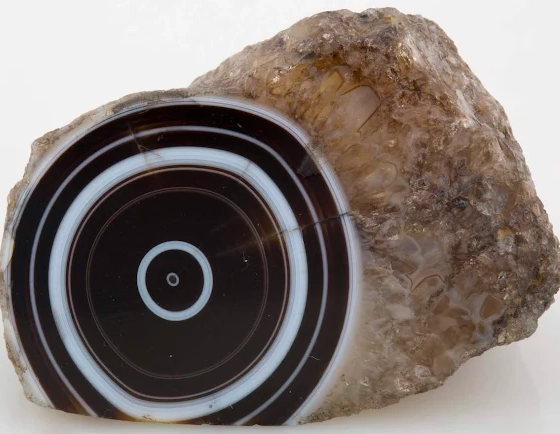
Busting Myths About Onyx Color
Myth 1: Onyx is always opaque. False—many types, like white onyx, are translucent. This affects how light passes through, crucial for design choices.
Myth 2: Darker onyx is more valuable. Not necessarily. Rarity drives price; red onyx commands premiums, while common black onyx is affordable unless naturally sourced.
Myth 3: Onyx color never changes. Over time, dyed onyx can fade, and natural stones may develop patina from oils. I've seen heirloom rings lose their luster due to poor storage.
My take: The gem trade overhypes "natural" onyx. Treated stones, if disclosed, offer consistent color at lower cost. But marketing often blurs this line, so buyer beware.