If you think citrine color is just a simple yellow, you're missing the whole story. That warm, glowing hue you see in jewelry stores and online spans a spectrum from the palest lemon to a deep, rich amber called Madeira. More importantly, the story behind that color—whether it was born that way deep in the earth or created in an oven—directly impacts its value, durability, and even its meaning. I've been collecting and studying colored gemstones for over a decade, and I've seen too many people overpay for a heat-treated stone thinking it's a rare natural treasure. Let's cut through the confusion. This guide will walk you through everything about citrine color: its true range, how to tell what you're really looking at, and how to make a smart buy whether you're after a $50 pendant or a $5,000 collector's piece.
What's Inside This Guide
What Exactly is Citrine Color?
Citrine is a variety of quartz, and its color comes from trace amounts of iron within its crystal structure. But here's where it gets interesting. The specific shade isn't fixed. It's a range influenced by the concentration and oxidation state of that iron during formation.
You'll hear dealers use specific names for different saturations:
- Lemon Citrine: A very light, pastel yellow. Think of the inside of a lemon peel. This is often the lightest and typically the most affordable shade.
- Golden or Classic Citrine: A vibrant, medium yellow to yellow-orange. This is the "sunshine" color most people picture and is widely available in jewelry.
- Madeira Citrine: A deep, saturated orange-brown to reddish-brown, named after Madeira wine. This is the most prized color grade. Important note: The vast, vast majority of deep Madeira-color citrine on the market is actually heat-treated amethyst. Genuine natural citrine of this depth is exceptionally rare.
Beyond the visual, citrine color carries a lot of symbolic weight. It's famously known as the "merchant's stone" or "success stone," believed to attract wealth and abundance. Whether you buy into crystal healing or not, there's no denying the psychological lift a warm, sunny yellow gem can provide—it's associated with joy, creativity, and personal power. This symbolism is a huge part of its enduring popularity.
What Makes a Citrine's Color? (The Natural vs. Heated Debate)
This is the single most important factor to understand. The origin of the color dictates almost everything about the stone's character and price tag.
Natural Citrine Color Formation
True natural citrine gets its color from iron impurities while it's forming under natural geothermal heat and pressure, usually in hydrothermal veins or pegmatites. The process is slow, and the resulting colors tend to be more subtle: pale yellow, light gold, or sometimes a smoky yellow hue. You almost never get that intense orange-red naturally. Locations like Brazil, Madagascar, and Zambia produce most of the world's natural citrine. The color is stable and won't fade with normal wear.
Heat-Treated "Citrine" Color Formation
Here's the industry's open secret. Probably 95% or more of the citrine sold, especially in deeper colors, started life as cheap, plentiful purple amethyst. When amethyst (also iron-colored quartz) is heated to between 470-560°C (878-1040°F), the heat alters the iron's oxidation state, turning the stone from purple to a permanent yellow or orange-brown. The Gemological Institute of America (GIA) classifies this material simply as "citrine," as the treatment is stable and undetectable by standard gemological tools once completed. It's accepted in the trade, but you should know what you're buying.
The treatment creates very specific, often uniform, color zones. You might see a stark contrast between a deep orange base and a lighter yellow tip in a crystal point, which is a dead giveaway of heating.
My Take: There's nothing inherently wrong with heat-treated citrine. It's beautiful, durable, and affordable. The problem arises when it's sold without disclosure at prices meant for rare natural material, or when metaphysical sellers insist a heated stone carries the same "natural earth energy" as one formed over millennia. It doesn't. Knowing the difference lets you choose based on facts, not fairy tales.
How Color Drives Citrine's Value
Evaluating a citrine isn't just about the hue. You need to look at the full picture. Use this table as a quick reference when comparing stones.
| Factor | High Value / Premium | Lower Value / Commercial |
|---|---|---|
| Color Hue & Saturation | Vivid, saturated golden yellow or deep, even Madeira orange-red. No brownish or grayish modifiers. | Pale lemon yellow, light tones, or colors with noticeable brown or gray undertones. |
| Origin of Color | Natural, untreated color (especially in medium to darker tones). This commands a significant premium. | Heat-treated color (the majority of the market). Perfectly fine for jewelry, but priced accordingly. |
| Clarity | Eye-clean (no visible inclusions to the naked eye). Citrine is a Type I gemstone, so high clarity is expected. | Visible inclusions, clouds, or significant veiling that dulls the stone's brilliance. |
| Cut | Excellent proportions that maximize brilliance and symmetry. Well-aligned facets with a good polish. | Poorly cut stones that look windowed (see-through) or have asymmetrical shapes to save on carat weight. |
| Carat Weight | Larger stones with good color saturation are rarer. Price per carat can jump notably above 10-15 carats for quality material. | Smaller stones are plentiful. Price per carat is generally stable for smaller, commercial-grade goods. |
A top-tier, 5-carat natural golden citrine with excellent cut and clarity can easily cost 5-10 times more than a heat-treated stone of the same visual color and size. I once saw two nearly identical looking emerald-cut citrines side by side at a show. One was a heated Brazilian stone priced at $300. The other, a natural Zambian stone, was $2,700. Only a lab report or a very experienced eye could tell them apart on the spot.
How to Identify Natural vs. Heat-Treated Citrine
You don't always need a lab. Here are practical clues you can look for, moving from easiest to most technical.
Visual Clues Anyone Can Spot
Color Distribution: Heat-treated stones often show a telltale "root beer" color zoning—a deep, reddish-brown color concentrated at the base of a crystal, fading to a lighter yellow or white at the tip. Natural citrine tends to have a more even, gradual color distribution.
Inclusions: Natural citrine sometimes contains unique inclusions like goethite or hematite needles, or subtle veils. Heat-treated amethyst may retain the characteristic "tiger stripe" or zebra-stripe inclusions of its original amethyst, now baked to a brownish color.
The White Tip Test: Look at raw crystal points. A huge percentage of heat-treated "citrine" points have a stark white tip where the heat didn't fully penetrate, a result of the original amethyst's color zoning. You almost never see this in natural citrine points.
When in Doubt, Ask and Verify
Always ask the seller: "Is this citrine natural or heat-treated?" A reputable dealer will disclose this. If they hesitate, evade, or make claims about "all-natural energy" for a deep Madeira stone, be skeptical.
For any significant investment (say, over $500 for a single stone), consider a report from a reputable gemological lab like the American Gemological Laboratories (AGL) or Gübelin Gem Lab. They can definitively determine origin. The GIA typically does not issue origin reports for citrine.
Your Citrine Buying Guide by Budget
Let's get practical. What can you actually get for your money? Here’s a breakdown based on common budget ranges, assuming you're buying a loose stone for a ring or pendant.
Under $100: You're firmly in heat-treated citrine territory, and that's great. You can find very attractive, eye-clean golden yellow or light orange stones in the 5-10 carat range. Focus on cut and clarity here. Look for well-proportioned oval or round brilliants. Avoid stones with visible black inclusions or a milky appearance.
$100 - $500: This is the sweet spot for most jewelry lovers. You can get larger (10-20 carat) heat-treated stones of excellent quality in designer cuts. You might also find smaller (1-3 carat) natural citrines in light to medium golden hues within this range, especially if you buy from a specialist miner or dealer on platforms that connect you directly with sources.
$500 - $2000+: Here, you enter the realm of collectible natural citrine. For this price, expect a stone with a confirmed natural origin, a desirable medium to deep golden color, excellent clarity, and a precision cut. Stones over 15 carats with these characteristics will climb to the top of this range and beyond. A fine natural citrine can be a centerpiece stone that holds its value.
My advice? Don't chase size over quality. A beautifully cut, vibrant 8-carat stone will always look more impressive than a poorly cut, lifeless 20-carat rock.
Citrine Care & Wearing Tips
Citrine is a 7 on the Mohs hardness scale, making it durable enough for daily wear in rings, but care is still needed. Its color, however, can be its Achilles' heel if you're not careful.
The #1 Rule: Avoid Prolonged Direct Sunlight. This is the biggest misconception. While heat treatment is permanent, prolonged exposure to intense UV light (like leaving it on a sunny windowsill for months) can cause some citrine—especially heat-treated material—to fade very slightly or lose some saturation over decades. Natural citrine is more stable, but why risk it? Store your jewelry in a box.
Clean it with warm soapy water and a soft brush. Ultrasonic cleaners are generally safe for citrine unless it has significant fractures. Steer clear of steam cleaners, as sudden temperature changes can stress any existing inclusions.
Chemicals like chlorine (pools, bleach) and harsh acids can damage the surface polish over time. Take off your citrine ring before swimming or cleaning.
Your Citrine Color Questions Answered
Will the color of my citrine ring fade if I wear it every day?
Under normal daily wear conditions—indoor light, occasional sunlight—the risk of noticeable fading is extremely low, especially over a human lifetime. The fading warning is more for gem dealers storing loose stones directly under bright display lights for years, or if you literally left the ring in a south-facing window 24/7. For peace of mind, just don't make a habit of sunbathing with it for hours.
I see "burnt citrine" for sale. Is that the same as heat-treated?
Yes, it's a colloquial and somewhat misleading term for heat-treated amethyst. Some sellers use it to be cute or vaguely disclose the treatment. It's not a separate variety. Any seller using this term should be able to confirm they mean heat-treated, and the price should reflect that.
Is darker citrine color always better and more valuable?
Not necessarily. While the deep Madeira shade is most prized, a medium, vibrant golden yellow with great life and sparkle is often more desirable than a dark, overly brownish stone that looks muddy or lacks brilliance. Color saturation is key, but so are tone and hue. A perfect golden yellow can be worth more than a poor-quality dark orange-brown stone.
Can citrine be other colors, like green or blue?
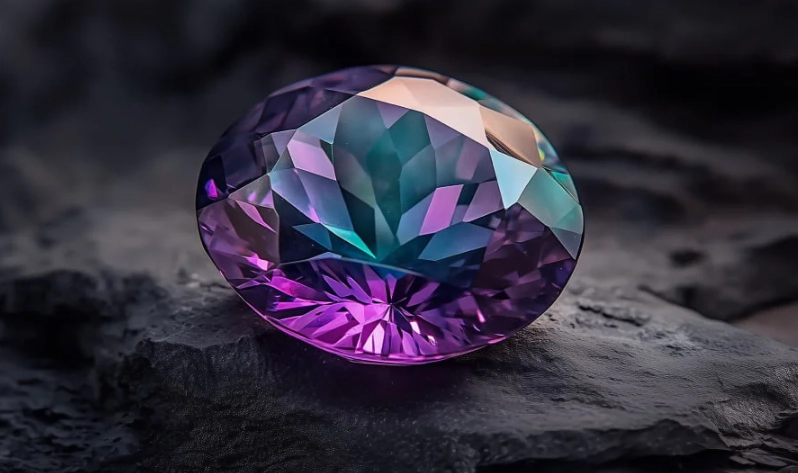
No. By definition, citrine is the yellow to orange-red variety of quartz. If it's another color, it's a different quartz variety (like amethyst for purple, prasiolite for green). There is a rare ametrine, which is a natural combination of citrine and amethyst in one crystal, showing zones of purple and yellow/orange.
What's the best metal to set citrine in to enhance its color?
It's a matter of taste, but the warm tones of yellow gold or rose gold beautifully complement citrine's yellow and orange hues, creating a cohesive, sunny look. White gold or platinum provides a striking, modern contrast that can make the citrine's color pop more distinctly. For a pale lemon citrine, white metals can help it appear brighter and less washed out.
Understanding citrine color transforms you from a passive buyer to an informed enthusiast. You start to see the stories in the stone—the slow geological process of a natural gem versus the transformative fire that creates a heated one. Both have their place. The goal isn't to find the "best" in an absolute sense, but to find the citrine whose color, story, and value perfectly match what you're looking for. Now you have the tools to do just that.