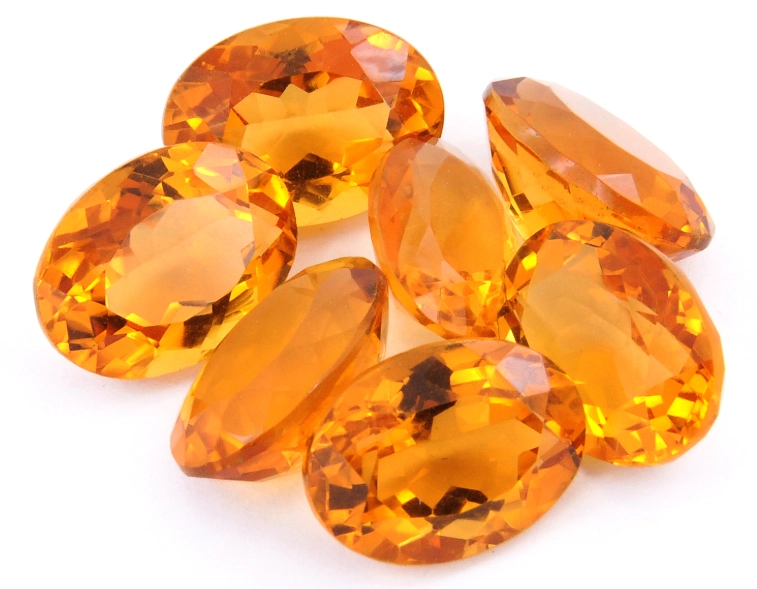
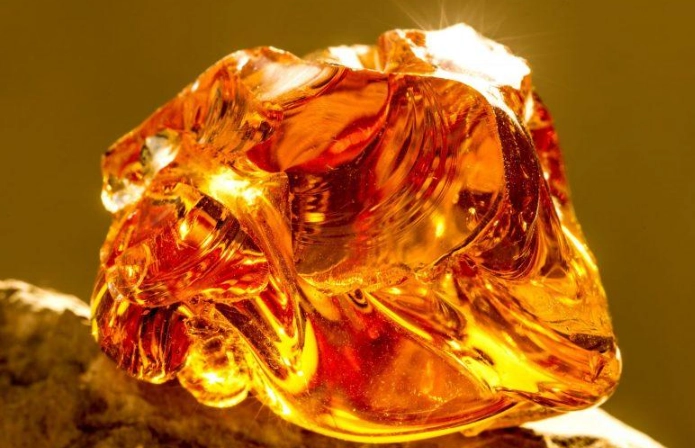
Let's be honest. When you first see a citrine, you think of sunshine captured in a rock. It's warm, inviting, and seems to radiate positivity. But here's the thing most beginner crystal enthusiasts miss: the vast majority of citrine on the market isn't what nature originally created. That vibrant, uniform orange stone in your local metaphysical shop? It likely started life as a dull, grayish amethyst. This isn't a scandal—it's a standard, accepted treatment in the gem trade. But knowing this changes everything about how you value, buy, and connect with this gem. This guide will walk you through the real story of citrine, from its geological roots to its modern meaning, and give you the tools to make an informed choice, whether you're seeking its energy or its beauty.
What's Inside This Guide?
What Exactly is Citrine? The Science Behind the Sunshine
Citrine is a variety of quartz, one of the most abundant minerals on Earth. Its signature yellow-to-orange color comes from trace amounts of iron within its crystal structure. Natural citrine is relatively rare. Most of it comes from a handful of places, with notable deposits in Brazil, Bolivia, and Zambia.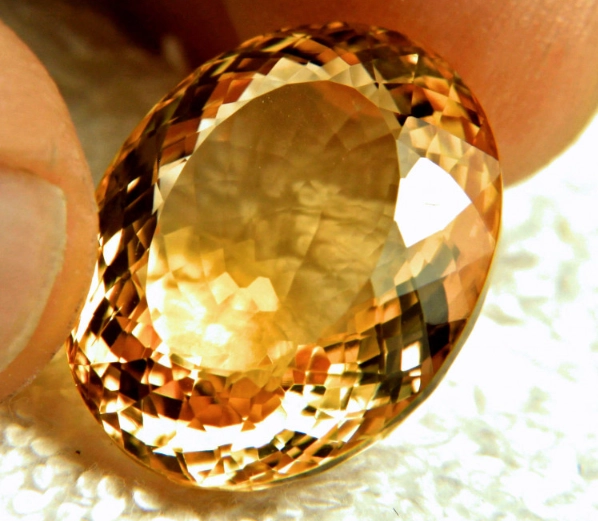
The color in natural citrine is often pale—think lemon yellow, straw, or a soft smoky orange. It's rarely that intense, saturated tangerine color you commonly see. That rich color is almost always the result of heat treatment.
Natural Citrine vs. Heat-Treated "Citrine": A Quick Comparison
| Feature | Natural Citrine | Heat-Treated Citrine (from Amethyst) |
|---|---|---|
| Typical Color | Pale yellow, smoky yellow, light orange. Subtle and uneven. | Vivid orange, deep amber, reddish-brown. Often very uniform. |
| Color Zoning | May have subtle, cloudy transitions. | Sometimes shows a stark white base fading into orange at the tips (a dead giveaway of its amethyst origin). |
| Price Point | Generally higher per carat for good color. More valued by collectors. | Very affordable. Makes up 95%+ of the commercial market. |
| Common Source | Brazil, Zambia, minor deposits elsewhere. | Mass-produced from large amethyst geodes, primarily in Brazil. |
| Transparency | Usually transparent to translucent. | Often highly transparent with a glassy look. |
I remember buying my first "citrine" cluster years ago, thrilled by its deep orange color. It was only later, when I held a piece of genuine, pale smoky citrine from Zambia, that I felt a different texture—a softer, more complex energy. The treated stone felt like a bright poster; the natural one felt like an old photograph. Both have a place, but they are not the same.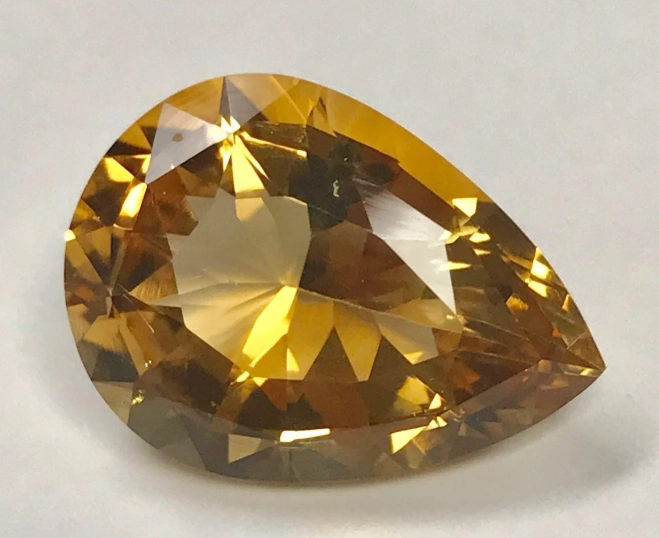
Citrine Meaning & Benefits: Beyond the Marketing Hype
Citrine is famously known as the "Merchant's Stone" or "Success Stone." Lore says it attracts wealth, prosperity, and abundance. Historically, it was used as a decorative gem and even mistaken for topaz. In modern crystal healing and metaphysics, it's associated with the solar plexus chakra, linked to personal power, will, and confidence.
But let's demystify this. The reason citrine is tied to abundance isn't magic. It's psychological. Its warm, energizing color is inherently uplifting. Having a tangible, sunny-colored object on your desk can serve as a constant, positive visual cue—a reminder of your goals and a counter to negative thought patterns. It's a tool for focus, not a wallet magnet. I've found it most useful during creative slumps; just holding a piece seems to shake off mental cobwebs.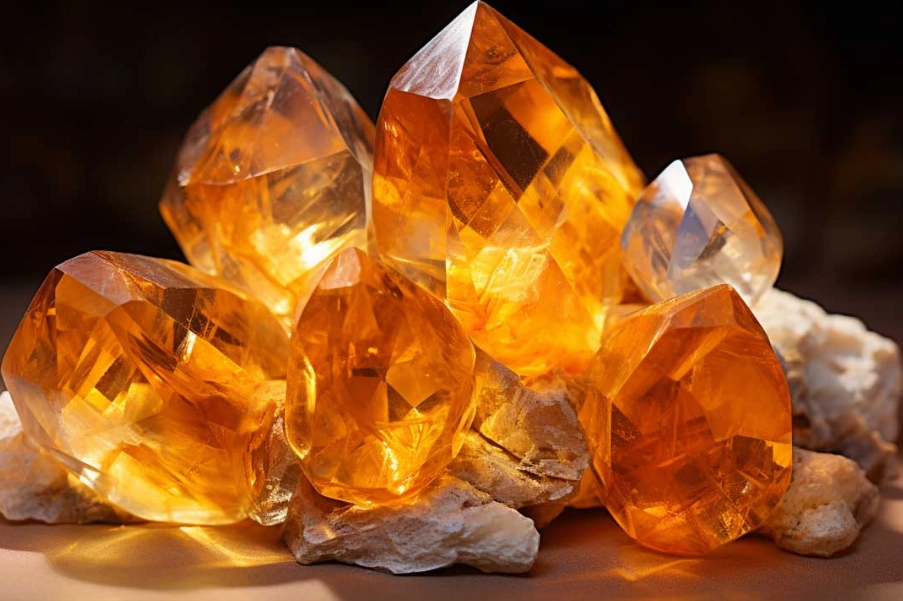
Common attributed properties include:
- Promoting motivation and creativity
- Dispelling negativity and fear
- Encouraging clarity of thought
- Symbolizing joy and light
Does it "work"? That depends entirely on your belief system. From a scientific standpoint, there's no evidence it emits special energy fields. But the placebo effect and the power of intention are real, documented psychological phenomena. If a stone helps you focus your intentions, then its value is genuine.
The #1 Mistake Buyers Make: How to Identify Real Citrine
The biggest pitfall isn't buying treated stone—it's paying a natural citrine price for a treated one. Sellers often don't volunteer the information. You have to know what to ask and what to look for.
1. Interrogate the Color. Is it a neon orange or a deep, reddish brown? That's a huge red flag for heat treatment. Natural citrine colors are almost always muted. Think of the difference between a ripe lemon and a candy orange.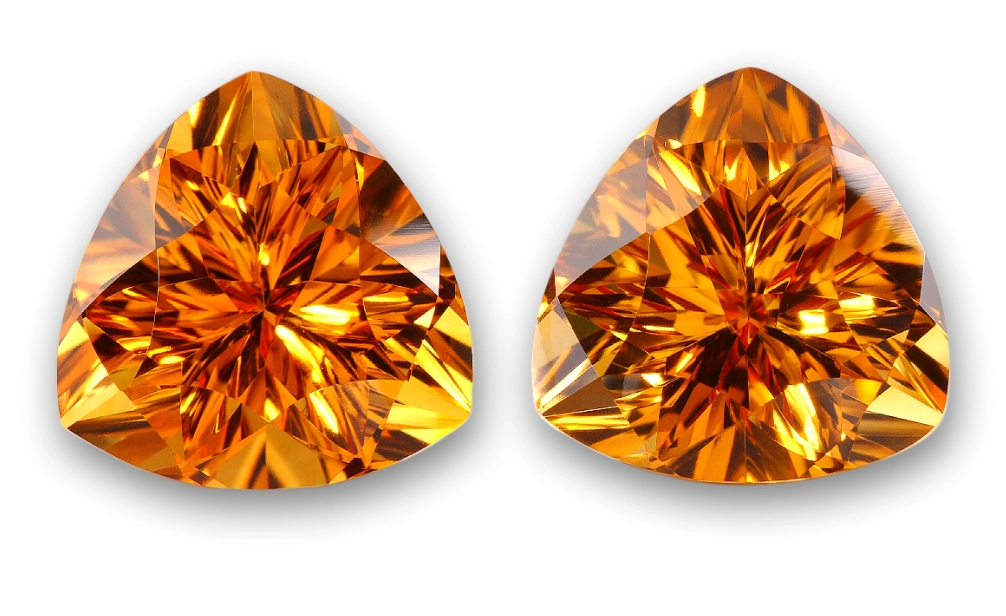
2. Look for the Ghost in the Machine. Hold the stone up to a light. Do you see a stark white or colorless section at the base, with color concentrated at the pointed crystal tips? This is textbook evidence of a heat-treated amethyst geode. Natural citrine's color is more evenly distributed, though it can be patchy.
3. Ask the Direct Question. Don't ask "Is this real?" That's too vague. Ask, "Is this natural citrine, or is it heat-treated amethyst?" A reputable seller will know the difference and should be honest. If they get defensive or insist "all citrine is natural," walk away.
Also, beware of outright fakes like glass or plastic. Real citrine (whether natural or treated) is quartz, which has a hardness of 7 on the Mohs scale. It should be able to scratch glass. It will also feel cool to the touch for a surprisingly long time, unlike plastic.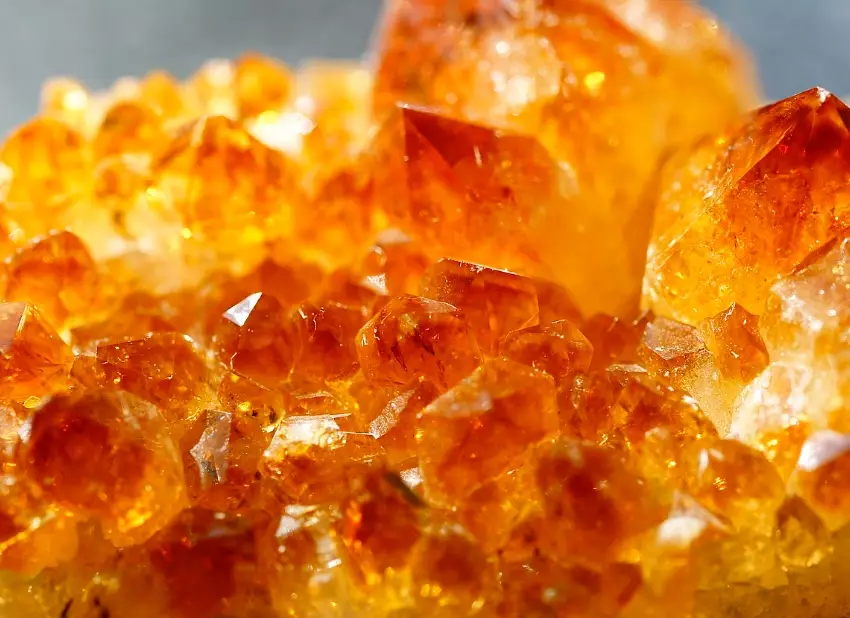
Your Practical Guide to Buying Citrine
So, you want to bring a piece of sunshine home. Where do you start? Your approach depends entirely on your goal.
If You Want It for Crystal Healing / Energy Work:
Frankly, the intention matters more than the origin. A small, heat-treated tumbled stone for $5-$20 from a trusted metaphysical shop is perfectly fine. The color does the visual work. Focus on finding a piece you're visually drawn to. Many practitioners argue that the treatment process itself imbues a certain transformative energy.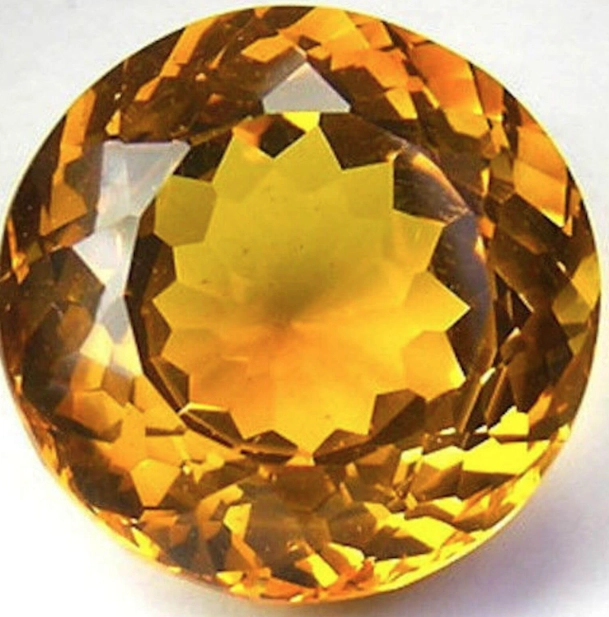
If You Want It as a Gemstone / Investment Piece:
This is where you need to be meticulous. You're paying for geology, not just color.
- Budget: Expect to pay significantly more. A fine, natural citrine of 5 carats or more can range from $50 to several hundred dollars, depending on color saturation and clarity.
- Where to Buy: Seek out specialized gem and mineral dealers, either at reputable shows or online stores with detailed provenance. Look for sellers who are members of industry groups like the Gemological Institute of America (GIA) or the American Gem Trade Association.
- What to Look For: Ask for a gemological report or a written guarantee of natural origin. The listing should specifically say "natural," "untreated," and name the locality (e.g., "Natural Citrine from Zambia").
Avoid buying any "precious" citrine from generic gift shops, tourist traps, or social media ads making outrageous healing claims. That's a fast track to disappointment.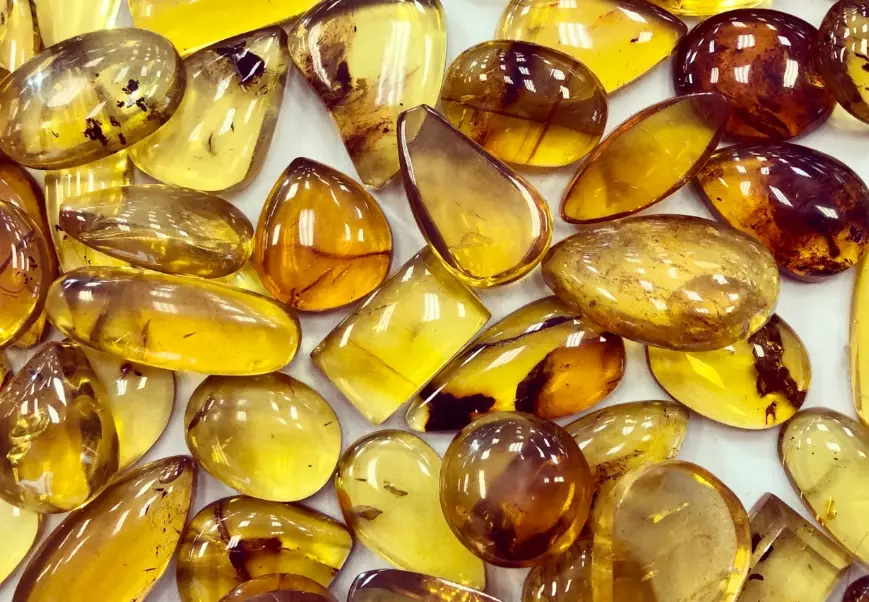
Caring for Your Citrine: Keeping the Sunshine Alive
Citrine is durable (hardness 7), but it's not indestructible. The good news? It won't fade in sunlight like amethyst. The heat treatment already happened! Here’s how to keep it looking its best:
- Cleaning: Warm, soapy water and a soft brush are perfect. Ultrasonic cleaners are usually safe for untreated stones but avoid them if your citrine has significant internal fractures. Steam cleaning is risky for any treated gem.
- Storage: Keep it separate from harder gems like diamonds, sapphires, or topaz that could scratch it. A soft pouch or a separate compartment in a jewelry box is ideal.
- What to Avoid: Sudden temperature changes (can cause fractures), harsh chemicals (household cleaners, acids), and hard knocks. Take it off before gardening, cleaning, or hitting the gym.