Let's cut through the romance for a second. You've heard the stories: an emerald by day, a ruby by night. The magic color-change of alexandrite is legendary, and for good reason. It's one of the most fascinating optical tricks in the gem world. But here's the thing most articles won't tell you straight: that perfect, dramatic shift is rarer than you think, and the term "alexandrite color" is often misused to sell you something that's merely pretty, not phenomenal. I've spent over a decade at trade shows and in labs, and the disappointment on a buyer's face when their "alexandrite" barely whispers a color change is all too common. This guide isn't just about what alexandrite color is; it's about understanding its true value, spotting the real magic from the mediocre, and making informed decisions whether you're buying or just geeking out.
What's Inside This Guide
The Real Science Behind the Color Shift (No PhD Required)
Forget magic. It's all about chemistry and light. Alexandrite is a variety of the mineral chrysoberyl. Its secret sauce is a heavy dose of chromium. Same impurity that makes rubies red, but here, it's trapped in a different crystal structure.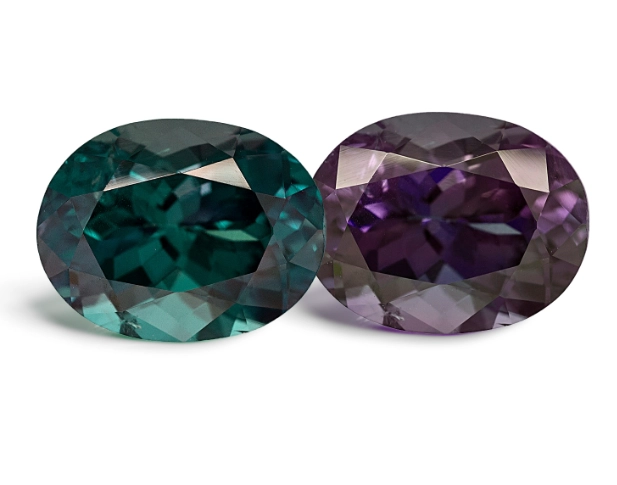
Our eyes see color based on which wavelengths of light a gemstone absorbs and which it lets through. The chrysoberyl structure with chromium creates a very specific "absorption band" in the yellow part of the spectrum. Now, light sources matter. Daylight (or fluorescent light) is richer in blue and green wavelengths. Incandescent light (like a lamp or candle) is richer in red wavelengths.
Here's the simple breakdown: In daylight, the stone absorbs more of the red and yellow light, letting the dominant blue-green through. Under a lamp, it absorbs more of the blue-green, letting the red dominate. It's not the stone changing; it's your light source changing the menu, and the stone picks what it wants to eat.
A subtle point most miss: the strength of this change depends on how pure and well-positioned that chromium absorption band is. Slight variations in chemistry or structure can weaken it dramatically. That's why one alexandrite can scream with color and another just mumbles.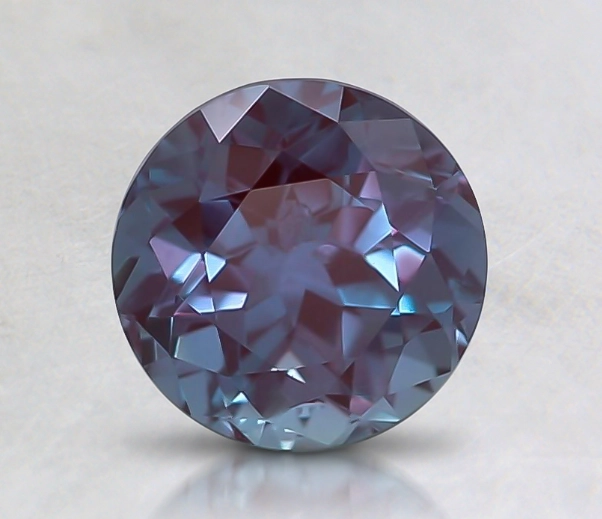
The Full Spectrum of Alexandrite Colors (Beyond the Green-to-Red Cliché)
The textbook says "emerald green to ruby red." In reality, it's a spectrum, and the "best" color is surprisingly subjective. Let's break down what you might actually see.
The Classic (and Most Expensive) Shift
A strong, clear shift from a bluish-green or grass green in daylight to a purplish-red or raspberry red in incandescent light. The colors are saturated, not muddy. Stones that hit this mark, especially over 1 carat, command auction-house prices. Most material you see advertised online? It doesn't look like this.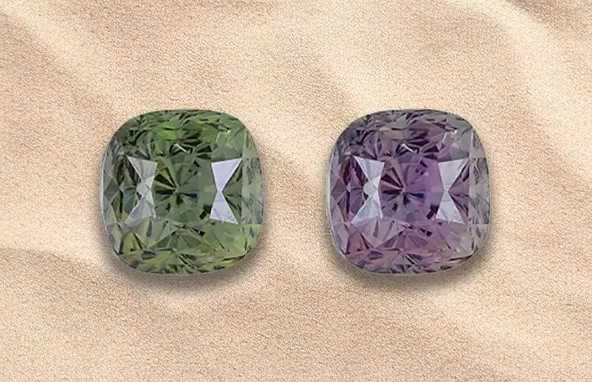
The More Common Reality
Many natural alexandrites, especially from newer sources like India or Tanzania, show a less dramatic change. You might get:
- Olive green to brownish-red: Common in Indian stones. The colors are softer, earthier.
- Teal green to purplish-pink: Some African material trends this way. It's beautiful, but don't expect a fire-engine red.
- A subtle "mood shift": The stone just feels warmer or cooler under different lights, without a stark color jump. This is often what people get when they buy an inexpensive "alexandrite."
The takeaway? If a dealer only shows you the stone under one light, be very suspicious. Always, always ask to see it under both a flashlight (simulating incandescent) and by a window or under white LED.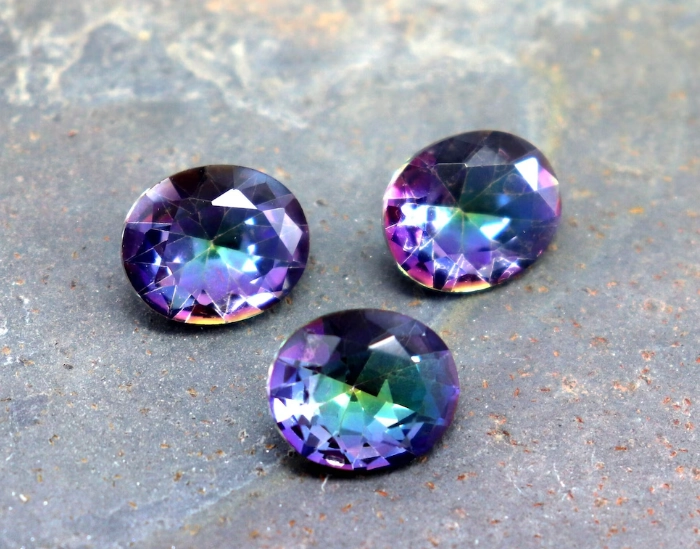
How Color Directly Drives Alexandrite's Sky-High Value
With diamonds, it's the 4Cs. With alexandrite, color is the king, queen, and entire royal court. Clarity and cut are secondary servants. The value multiplier for top color is insane. Here’s how it works, stripped of jargon.
| Color Change Quality | Daylight Color | Incandescent Color | Impact on Price (vs. weak change) | What It Feels Like |
|---|---|---|---|---|
| Exceptional / Vivid | Strong Bluish-Green | Strong Purplish-Red | 10x to 50x+ more expensive | The "wow" effect. Instant heirloom. |
| Good / Distinct | Clear Green | Clear Reddish-Purple | 3x to 10x more expensive | Beautiful and satisfying. The smart buy for most collectors. |
| Fair / Noticeable | Olive or Khaki Green | Brownish or Pinkish Red | 1.5x to 3x more expensive | You can see the change, but it's muted. Often marketed as "natural alexandrite." |
| Weak / Poor | Slightly Greenish | Slightly Reddish | Base price (but still high for chrysoberyl) | A disappointment. Might as well buy a nice garnet. |
Origin plays a role too, but mainly because certain origins are famed for better color. Classic Russian alexandrite (exceedingly rare) set the standard. Brazilian stones can also show fantastic color. But an exceptional stone from Africa will always be worth more than a poor one from Brazil. Never buy for the origin label alone. Buy the color you see with your own eyes.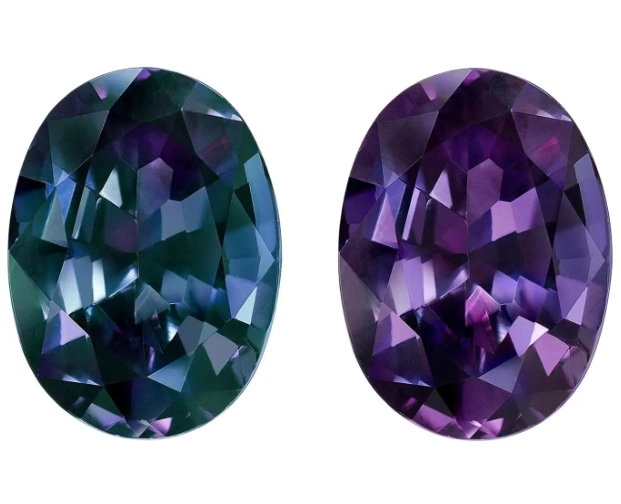
How to Spot Fake or Mislabeled Alexandrite Color
This is where your B.S. detector needs to be on high alert. The market is flooded with imitations and synthetics sold with vague or dishonest labels.
The Usual Suspects:
- Color-Change Synthetic Sapphire or Spinel: Lab-created. They can show a blue to purple shift, but it's never green to red. The colors are cooler. They're also flawless, which is a red flag for a natural alexandrite.
- Color-Change Garnet: Often from Madagascar. Shifts blue-green to purplish. The change can be strong, but the material is cheaper and has different properties (higher refractive index, different hardness). A quick test with a refractometer (a gemologist's tool) reveals it.
- "Alexandrite" Glass or CZ: Cheap costume jewelry. The color change looks painted-on or too perfect, and the stone will feel light and warm to the touch quickly.
- The Biggest Trick: "Lab-Created Alexandrite" vs. "Synthetic Sapphire Sold as Alexandrite." True lab-created alexandrite (chrysoberyl) exists but is uncommon and still expensive to grow. What's often sold as "lab alexandrite" is actually synthetic color-change sapphire. It's a legal gray area in labeling that confuses everyone. Ask point-blank: "Is this synthetic chrysoberyl, or is it synthetic corundum (sapphire)?" A reputable seller will clarify.
My rule? If the price seems too good to be true for a large stone with "great color change," it is. Period. A 2-carat natural alexandrite with strong color costs more than a nice car.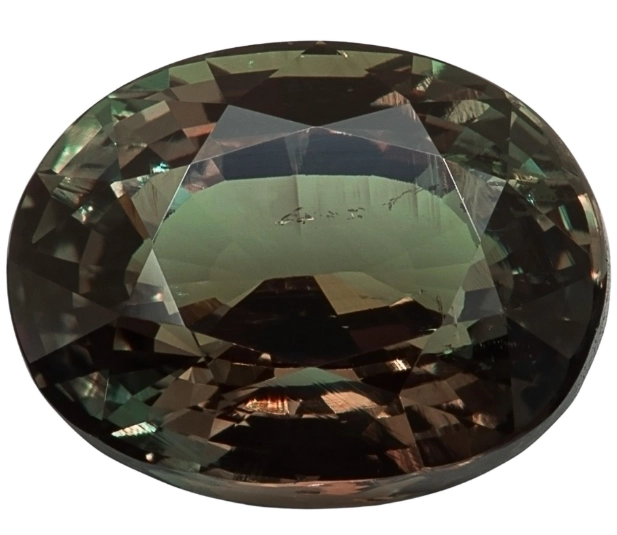
Caring for Your Stone's Color (It's Not Delicate, But Be Smart)
Good news: alexandrite is a hard, durable gem (8.5 on the Mohs scale). You won't damage the color through daily wear. The chromium atoms are locked in the crystal. Ultrasonic cleaners are generally safe, but I'm old-school—warm soapy water and a soft brush is foolproof.
The real care tip is about presentation. To show off its party trick, think about the setting. A low, open setting that allows light in from all sides is better than a deep, enclosed bezel. And when showing it off, control the light. Move from a window to a table lamp. That's how you make the magic happen.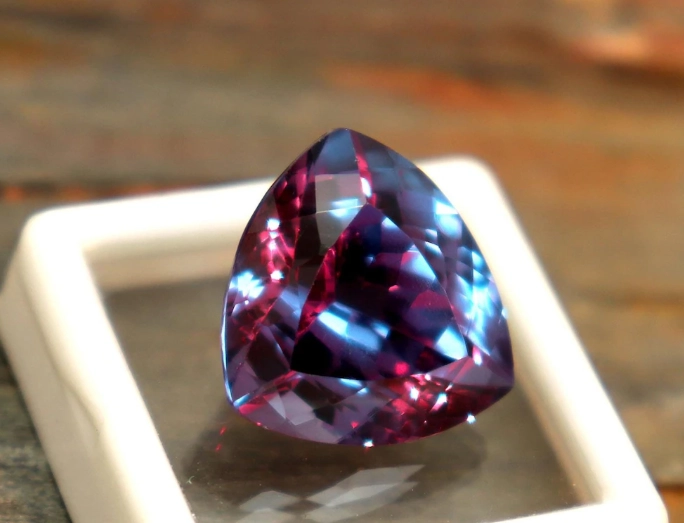
Your Burning Questions, Answered Honestly
At the end of the day, alexandrite color is a conversation between earth's chemistry and light. Understanding that conversation lets you appreciate the true masterpieces and avoid the clever imitations. Look for the clear, strong shift, demand to see it under multiple lights, and buy the stone, not the story. That's how you find a gem that's genuinely magical, not just marketed that way.