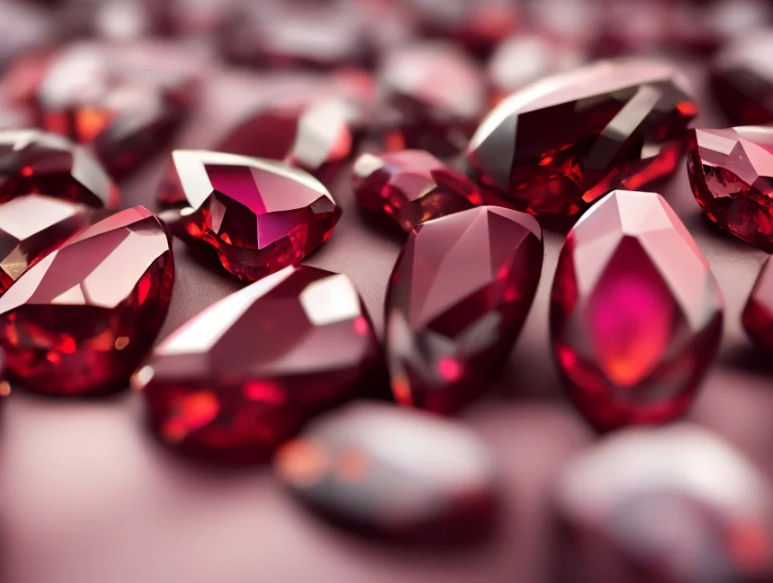
The short answer is: yes, high-quality natural alexandrite can be, and often is, more valuable than a diamond of comparable size. But that's a bit like saying a vintage Ferrari is more valuable than a new Toyota Camry. It's technically true in peak conditions, but the real story is in the details most articles gloss over. Value in gems isn't a single number. It's a tug-of-war between rarity, beauty, durability, market hype, and pure human desire. Let's cut through the marketing and look at what really drives the price of these two legendary stones.
What You'll Discover in This Guide
What Does "Valuable" Even Mean in the Gem World?
Before we compare, we need to agree on the scorecard. When collectors, investors, and jewelers say "valuable," they're weighing a mix of factors. Rarity is the big one. Then comes beauty (color, fire, that special something). Durability matters for wearable jewelry. And finally, there's brand power and market demand—what people are culturally programmed to want.
Diamonds score incredibly high on durability (it's the hardest natural substance) and off-the-charts on brand power. De Beers' "A Diamond is Forever" campaign is arguably the most successful marketing in history. But in terms of sheer geological rarity? That's where the script flips.
Alexandrite vs. Diamond: The Head-to-Head Comparison
Let's put them side by side. This table lays out the core differences, but remember, the devil (and the value) is in the specifics within each category.
| Factor | Alexandrite | Diamond |
|---|---|---|
| Defining Feature | Color Change: Shifts from green/blue in daylight to red/purple in incandescent light. | Brilliance & Hardness: Exceptional sparkle (fire and brilliance) and unmatched durability. |
| Peak Rarity | Extremely High. Fine, large (>1ct) stones with strong color change are among the rarest of all gemstones. | Moderate (for whites). Commercial-grade diamonds are plentiful. Rare colors (pink, blue, red) or flawless large whites are exceptionally rare. |
| Price Driver #1 | Strength and quality of the color change. A 90% shift is worth exponentially more than a 50% shift. | The 4Cs: Carat, Cut, Color, Clarity. A perfect balance commands the highest prices. |
| Price Driver #2 | Origin. Russian alexandrite commands a huge premium due to lore and quality. | Branding & Certification. A GIA-certified stone from a renowned house holds value better. |
| Market Perception | A connoisseur's stone, a collector's dream. Known mainly to enthusiasts. | The universal symbol of love, commitment, and luxury. Mass-market recognition. |
| Durability (Mohs Scale) | 8.5. Very good for daily wear, but can be scratched by diamonds or sapphires. | 10. The benchmark. Suitable for heirloom pieces worn every day. |
| Investment Profile | High-risk, high-potential-reward. Niche market, less liquid, but top stones appreciate steadily. | Stable, liquid market. High-quality stones retain value well, with explosive premiums for the truly exceptional. |
Rarity: The Numbers Don't Lie
You might read that alexandrite is "1,000 times rarer than diamond." Pinpointing an exact multiplier is guesswork, but the sentiment is correct. The Gemological Institute of America (GIA) has called fine alexandrite "one of the rarest and most prized of all gemstones." Think about it: how many people do you know with a natural alexandrite ring? Now, how many with a diamond ring? That everyday experience tells the rarity story.
Most "alexandrite" sold in mall jewelry stores is synthetic (lab-created) or, worse, simulants like color-change sapphire or garnet. Finding a natural stone over two carats with a vivid color change is a serious treasure hunt.
The Color Change Magic vs. The Eternal Sparkle
This is the heart of the appeal. Alexandrite's value is built on a magical optical trick called pleochroism. A fine specimen doesn't just have two colors—it has two distinct personalities. A grassy green in office lighting transforms to a raspberry red by candlelight. It's a stone that feels alive. I remember the first time I saw a true Russian alexandrite shift under a lamp; the collective gasp in the room was real. No diamond, no matter how perfectly cut, can do that.
Diamonds trade on a different kind of magic: pure, white light broken into a rainbow of fire. It's a constant, predictable brilliance. Its value is in perfection and permanence.
The 4Cs Apply, But Differently
People get tripped up here. The 4Cs (Carat, Cut, Color, Clarity) are a diamond grading system. We force them onto colored gems, but the weights shift dramatically.
- For Alexandrite: Color (Change) is 90% of the game. A one-carat stone with a 100% color change from vivid green to vivid red will dwarf the price of a three-carat stone with a weak, muddy change. Clarity is secondary—eye-visible inclusions are often tolerated if the color is spectacular.
- For Diamond: The balance is more even. A poor cut can kill a diamond's sparkle, making a high carat weight worthless. Color and clarity grades directly and predictably impact price per carat.
So, Which One Should You Buy? A Practical Guide
This isn't just an academic question. You're probably reading this because you're considering a purchase. Let's get practical.
Choose Alexandrite if:
- You want a conversation piece that reveals you as a true gem aficionado.
- You value uniqueness and geological wonder over brand recognition.
- You're comfortable with a more niche, collector-driven market.
- Your budget is flexible for a stone that may be smaller in carat weight than a diamond.
Choose a Diamond if:
- You need a stone for daily, hard wear (like an engagement ring).
- You want universal recognition and a deeply established resale market.
- You prioritize size (carat weight) alongside sparkle.
- You want the security of a highly standardized grading system (like GIA or AGS reports).
Consider a hybrid approach. I've seen stunning jewelry where a central alexandrite is surrounded by diamond halos or accents. You get the unique color-change centerpiece with the timeless sparkle frame.
The Certification Imperative
This is non-negotiable, especially for alexandrite. For any significant purchase, the stone must come with a report from a major lab like the GIA, AGL (American Gemological Laboratories), or Gübelin. The report should state "natural alexandrite," describe the color change, and note any treatments. For diamonds, a GIA or AGS certificate is the gold standard. Buying without one is like buying a used car without a vehicle history report—you're asking for trouble.
Frequently Asked Questions About Alexandrite Value
I see "alexandrite" for sale very cheaply online. Is it real?
Almost certainly not. Natural alexandrite of any decent quality is never "cheap." These are overwhelmingly synthetic (lab-created) corundum or spinel simulants, or even glass. They mimic the color change but have completely different chemical and physical properties. The price is the first red flag. Always ask for the species on the certificate.
Is a 2-carat alexandrite automatically more valuable than a 2-carat diamond?
Not automatically. A poorly colored, included 2-carat alexandrite might be worth less than a fine, brilliant 2-carat D-color, Flawless diamond. The diamond would be worth millions. However, a 2-carat alexandrite with a superb color change from a historic locality will easily outvalue a generic 2-carat commercial-grade diamond. Carat weight is a measure of size, not a direct proxy for value in colored stones.
Can I wear an alexandrite engagement ring every day?
You can, but with more caution than a diamond. At 8.5 on the Mohs scale, it's plenty hard for daily wear and resistant to scratches from dust. However, it can be scratched by diamonds, sapphires, or moissanite. I'd recommend a bezel or protective setting and removing it for heavy manual work. It's more durable than an emerald but not as bulletproof as a diamond.
Does origin really matter that much for alexandrite value?
It matters more than for almost any other gem. Russian alexandrite, particularly from the original Ural Mountains deposits, has a legendary status. It often exhibits the purest, most dramatic green-to-red change. Stones with documented Russian origin command a significant premium, sometimes double or more than a similar-looking stone from Brazil. It's a combination of historical lore and proven quality.
Is alexandrite a good investment?
Top-tier natural alexandrite has shown strong appreciation over decades due to its extreme rarity. However, treat it as a passion investment. The market is illiquid compared to diamonds—finding a buyer for a high-value piece takes time and specialized channels. Only buy what you love first. If it goes up in value, that's a bonus. Never buy synthetic alexandrite as an investment; it's an industrial product with no scarcity.
The final verdict? In the realm of the ultra-rare and phenomenally beautiful, alexandrite often wins on a pure dollar-per-carat basis for comparable quality tiers. It is the more "valuable" gem in the eyes of a collector. But diamonds win on cultural capital, durability, and market stability. One is a shooting star—breathtaking and rare. The other is the North Star—constant, guiding, and universally recognized. Your choice depends on which light you want to follow.