Ask anyone on the street what jade means, and you'll probably hear "good luck" or "protection." That's not wrong, but it's like describing a symphony as "some nice sounds." The real jade meaning is a dense, layered story woven through millennia of human culture, spirituality, and art. It's not just a pretty green stone; it's a cultural touchstone, a spiritual conduit, and a surprisingly complex indicator of value. If you're looking at a piece of jade—whether to buy, wear, or simply understand—knowing this deeper meaning is what separates an informed admirer from someone who just sees a rock.
Your Quick Guide to Jade's Hidden World
- Beyond Luck: The Core Layers of Jade Meaning
- How Jade Color Drives Its Symbolism & Value
- Jade Meaning in China vs. The West: A Cultural Divide
- How Meaning and Lore Directly Affect Jade's Price
- How to Choose a Jade Piece Based on Its Meaning (For You)
- Your Jade Meaning Questions, Answered
Beyond Luck: The Core Layers of Jade Meaning
Let's peel this onion. The symbolism of jade isn't a single idea but a stack of interconnected concepts.
The Spiritual & Metaphysical Layer
This is where most online searches lead. Jade is considered a supreme "dream stone" in many crystal healing traditions. It's said to stabilize the personality, promote self-sufficiency, and release negative thoughts. But here's a nuance beginners miss: it's not an aggressive protector. Think of it less like a shield that blocks bad energy, and more like a gentle, stabilizing filter that helps you process life's chaos with more grace. It's associated with the heart chakra, emphasizing love, harmony, and healing from emotional wounds.
The Moral & Virtue Layer (Especially in China)
This is the heavyweight. In Chinese culture, Confucian scholars equated jade's physical properties with human virtues. Its toughness symbolized courage and perseverance. Its warm, smooth texture represented benevolence and kindness. Its clarity and purity stood for integrity and honesty. For centuries, wearing jade wasn't just adornment; it was a constant, tangible reminder to cultivate these virtues. This layer of meaning is why antique jade scholar objects command such reverence and price.
Personal observation: I've seen collectors get so fixated on color and translucency that they completely overlook the carving's symbolic meaning. A perfectly green but crudely carved lump might be worth less than a paler piece exquisitely carved with a motif of longevity (like a peach or a crane). The story matters.
The Physical & Eternal Layer
Jade is incredibly tough. It doesn't scratch or break easily. Ancient cultures noticed this and linked it to concepts of immortality, durability, and the enduring essence of the soul. This is why jade was used for burial suits in China (like the famous ones from the Han Dynasty) – to protect and preserve the body for the afterlife. The meaning here is permanence in an impermanent world.
How Jade Color Drives Its Symbolism & Value
Color is the loudest speaker of jade's meaning. And no, it's not all about that iconic "imperial green." The palette tells different stories.
| Jade Color | Primary Symbolic Meanings | Notes on Value & Rarity |
|---|---|---|
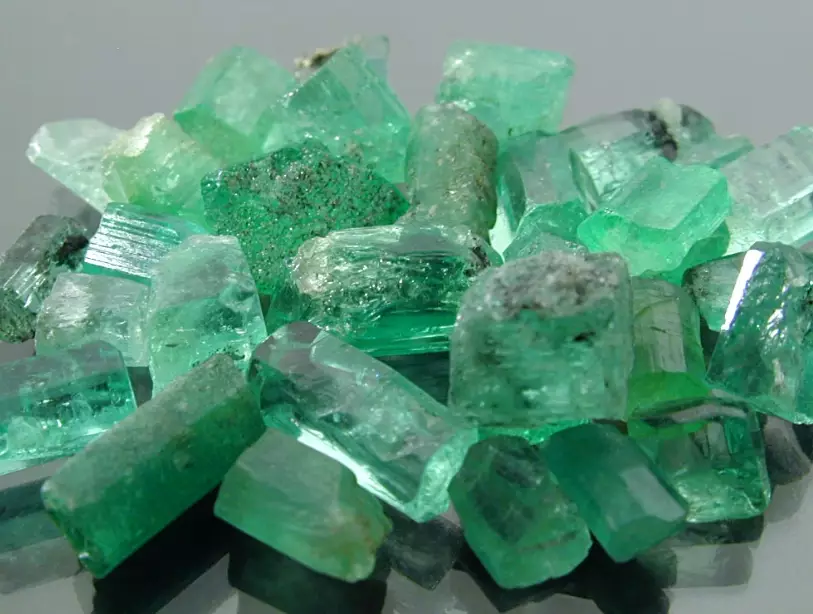
| Imperial Green | Wealth, prosperity, status, harmony, growth. The most coveted. | Top-tier value. Look for even, vivid saturation, not just darkness. |
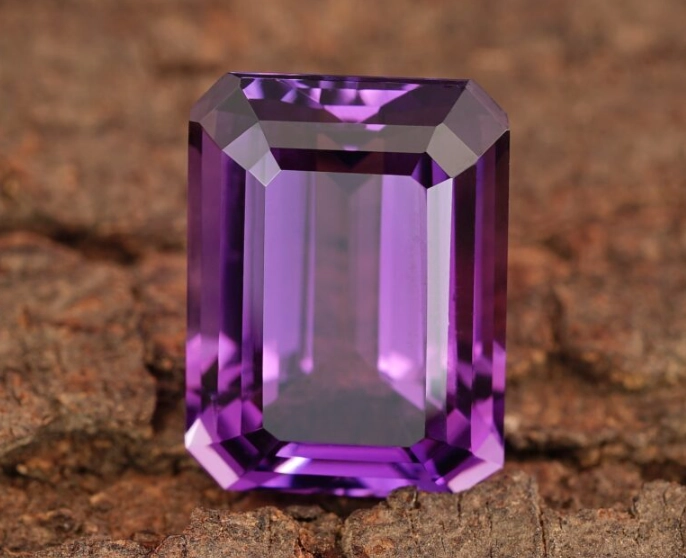
| Lavender / Purple | Spirituality, wisdom, introspection, healing. A "soul" stone. | Highly prized, especially in fine, translucent quality. Often more expensive than mid-grade green. |
| White / Mutton Fat | Purity, innocence, peace, heaven. Associated with the moon. | Classic and elegant. High-quality, pure white nephrite is a treasure. |
| Yellow / Golden | Royalty, optimism, joy, earthly power and success. | Rare in jadeite. Can be stunning. Beware of dyed stones masquerading as natural yellow. |
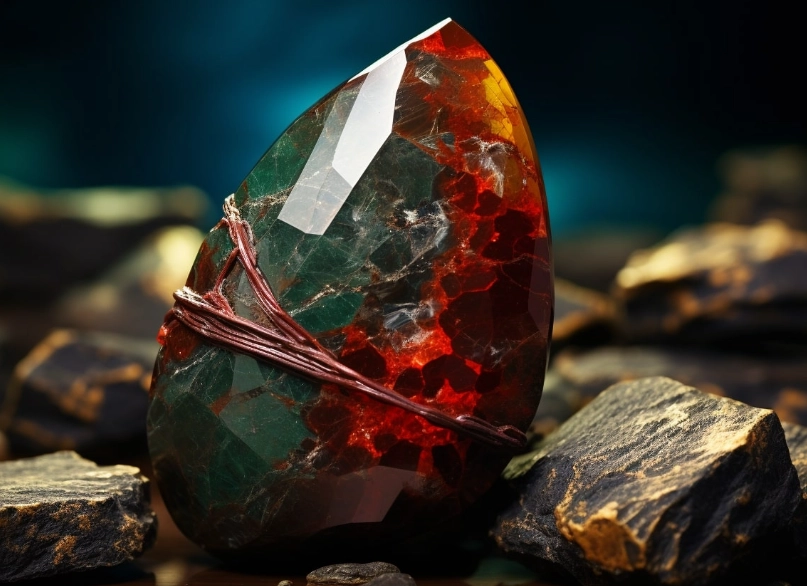
| Red / "Blood Jade" | Vitality, passion, life force, courage, protection. | Extremely rare and valuable. The red comes from iron oxide staining. Most on the market are either dyed or a different red stone altogether. |
| Black | Protection, grounding, mystery, absorbing negativity. | Can be very sophisticated. Often used in masculine jewelry. Ensure it's true jade (nephrite or jadeite) and not another black mineral. |
See how the meaning shifts? Choosing a lavender jade pendant for meditation makes different sense than choosing a vibrant green one for a business milestone gift.
Jade Meaning in China vs. The West: A Cultural Divide
Here's a critical point most generic articles gloss over. The Western "New Age" interpretation and the traditional Eastern understanding of jade meaning can diverge significantly.
In the West, jade is often lumped into the broader "healing crystals" category. Its meaning is personal, spiritual, and often detached from deep historical context. It's about individual energy, chakras, and self-help.
In China (and much of East Asia), the meaning is inextricably cultural, historical, and collective. It's about lineage, virtue, social harmony, and blessings passed down through generations. A jade bangle given by a grandmother isn't just a gift; it's a transfer of love, protection, and family continuity. The meaning is embedded in social relationships and filial piety.
Why does this matter? If you're buying jade as a gift for someone from a Chinese background, understanding this communal, virtue-based meaning will guide you to a more appropriate piece than if you're buying it for a friend into crystal healing. One values fine carving with traditional motifs (bats for fortune, dragons for power), the other might prioritize the stone's natural color and feel.
How Meaning and Lore Directly Affect Jade's Price
The market isn't blind to symbolism. Meaning translates directly to dollars and cents.
Carving Motif is King: A jadeite cabochon is worth X. Carve that same material into a detailed, traditional figure of Guanyin (the Goddess of Mercy) or a playful "lingzhi" mushroom (symbolizing longevity), and its value can multiply. The skill of the carver in conveying the meaning of the motif is a huge value add. A clumsy dragon looks like a worm; a masterfully carved one conveys power and costs accordingly.
The "Imperial" Premium: Anything associated with the Qing Dynasty's Imperial workshops or the coveted "imperial green" color commands a massive premium. The meaning of status and historical prestige is baked into the price.
Antique vs. New: An antique piece carries the meaning of its age—history, patina, and the "qi" of previous owners. This narrative adds value that a brand-new, machine-made piece cannot replicate, even if the new piece has better technical color.
I once watched an auction where a small, slightly flawed white nephrite seal sold for five times its estimate because it had a verifiable inscription from a minor Qing Dynasty poet. The material was okay. The story was priceless.
How to Choose a Jade Piece Based on Its Meaning (For You)
So, you want a piece of jade that means something to you, not just to a textbook. Let's get practical.
First, identify your intention. Are you seeking:
- Comfort & Healing? Look to lavender or white jade. Prioritize a smooth, pleasing shape you can hold in your hand.
- Confidence & Success? Vibrant green or yellow jade in a bold setting (a ring, a tie pin) might resonate.
- Connection & Heritage? Research traditional Chinese motifs. A "pi" disc (symbolizing heaven) or a "ruyi" scepter (wishes fulfilled) carries deep cultural weight.
- Simple Protection & Grounding? A classic, unadorned black nephrite pendant or a simple green bangle works beautifully.
Touch it. Jade's meaning is partly tactile. It should feel cool, then warm smoothly in your hand. That physical connection—the "warmth of virtue"—is part of the experience. If it feels like plastic or glass, the meaning feels hollow.
Ignore the pressure for perfect green. Unless you have a massive budget, the finest imperial green may be out of reach. A beautiful piece of moss-in-snow jade (green and white) or a fine lavender cabochon can be more meaningful and personally significant—and often more visually interesting—than a low-quality, murky green stone.