Let's be real. The world of jade is a minefield for beginners. You see a beautiful green pendant, the seller swears it's "imperial jade," and the price tag makes your eyes water. Is it worth it? Is it even real? Most guides throw fancy geology terms at you and call it a day. I've been collecting and studying jade for over a decade, and I've seen more people overpay for dyed quartz or low-quality nephrite than I care to count. This guide cuts through the nonsense. We'll go beyond the basic "nephrite vs. jadeite" spiel and dive into the practical, often overlooked details that determine real value and authenticity. By the end, you'll know exactly what to look for, what questions to ask, and how to spot a scam from a mile away.
What You'll Learn Inside
The Two Jades: It's Not Just About Color
Everyone knows there are two types: nephrite and jadeite. But here's where most articles fail you—they treat them as simple alternatives. They're not. Think of them as cousins who look similar but have completely different lifestyles and bank accounts.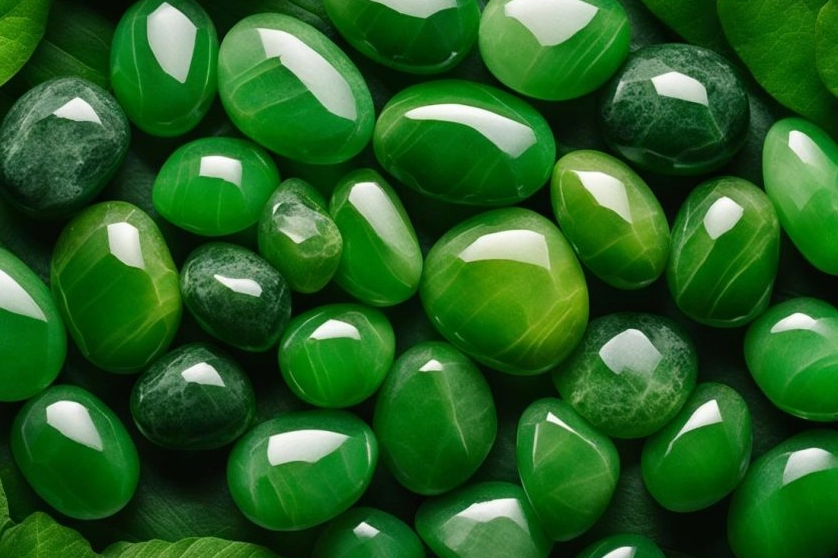
Nephrite is the older, more widespread cousin. It's tougher (literally, due to its interlocking fibrous structure) but generally less flashy. You'll find it in shades of creamy white, spinach green, and dark mossy tones. Most antique Chinese carvings are nephrite. Jadeite is the glamorous cousin from Myanmar (Burma). It's the one that gives us that electrifying "imperial jade" emerald green, but also comes in lavender, red, yellow, and white. Jadeite is rarer and commands higher prices, especially for top-tier colors.
The biggest mistake beginners make? Assuming all green jade is valuable jadeite. A lot of cheap, dark green nephrite is passed off as something more precious. The feel is different. Nephrite often has a greasier or waxier luster, while high-quality jadeite has a sharper, vitreous (glassy) sparkle.
| Feature | Nephrite | Jadeite |
|---|---|---|
| Chemical Composition | Calcium magnesium silicate | Sodium aluminum silicate |
| Hardness (Mohs) | 6.0 - 6.5 | 6.5 - 7.0 |
| Toughness | Extremely high (toughest gemstone) | High, but less than nephrite |
| Typical Colors | Crème, spinach green, black, brown | Imperial green, lavender, red, yellow, white |
| Transparency | Usually opaque to translucent | Opaque to semi-transparent |
| Major Sources | China, Russia, Canada, New Zealand | Myanmar (Burma), Guatemala |
| Price Range | Generally $10 - $5000+ for carvings | $50 to millions for fine jewelry |
I once paid a pretty sum for what was advertised as a "fine spinach green jadeite" bracelet. It felt a bit too smooth and cool. After some sleuthing, it turned out to be high-quality Russian nephrite. Still beautiful and valuable, but not what I was led to believe. The seller wasn't entirely lying—it was green jade—but they leveraged the common confusion to inflate the price. Lesson learned.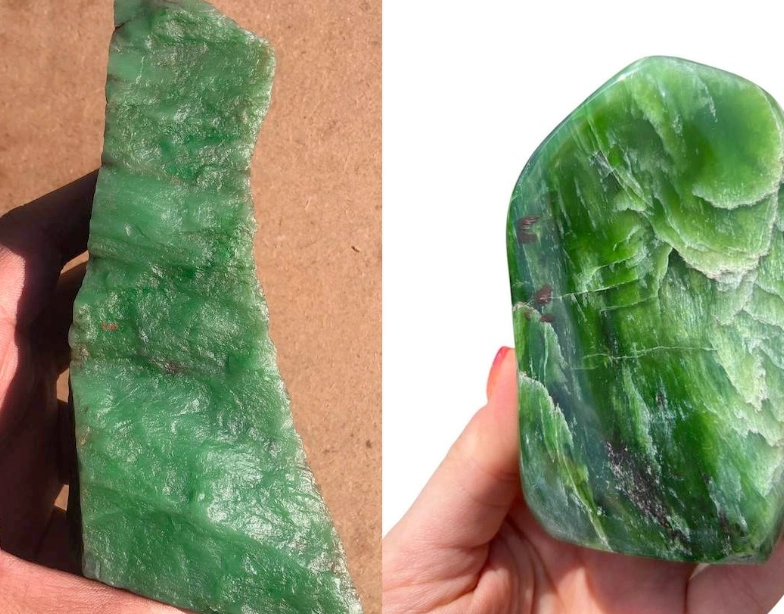
Spotting Fakes: Tests You Can Actually Do
Forget the old "scratch it with a knife" trick. That can damage real jade and won't tell you if it's dyed or polymer-impregnated. Let's talk about practical, non-destructive checks you can do in a shop or when an online order arrives.
The Look and Feel Test
First, trust your senses. Real jade, especially jadeite, has a certain density and coolness to the touch that lasts. Plastic or glass imitations feel lighter and warm up quickly in your hand. Hold the piece. Does it feel substantively heavy for its size? Good sign.
Now, examine it under good light (natural daylight is best). Look for texture. Real jade is rarely perfectly uniform. Nephrite often has a subtle, fibrous or sugary texture. Jadeite might show tiny, interlocking grain boundaries. If you see perfectly even color with no variation, or bubbles inside (a sure sign of glass), be suspicious. Dye often concentrates in tiny surface cracks—look for spider-web-like patterns of intense color along fractures.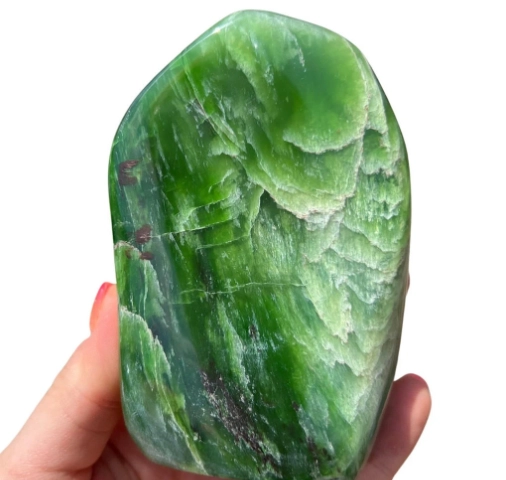
The "Ring" Test and Other Clues
Gently tap two pieces of suspected jade together, or tap a piece with a plastic pen. Real, untreated jadeite produces a clear, resonant, melodic "clink." Treated or fake jade sounds dull and flat. This takes practice, but comparing a known real piece helps.
For serious purchases, you need a lab report. Reputable sellers for high-end jadeite will provide a certificate from a major gemological lab like the Gemological Institute of America (GIA) or Gübelin. The report will specify the species (jadeite/nephrite) and, crucially, any treatments. Look for terms like "Treatment: None detected" for natural stone. Terms like "polymer impregnated" or "dyed" mean the stone's appearance and value are artificially enhanced.
What Determines Value (Beyond "Imperial Green")
Color is king, but it's not the only ruler. The value of jade, particularly jadeite, is a balance of four factors, often remembered by the Chinese phrase "Cŏng, Yáng, Xiăn, Zhèng" (Thickness, Liveliness, Brilliance, Correctness).
Color (Zhèng - Correctness): The ideal is a pure, vivid hue without gray or brown undertones. For green, that's the coveted "imperial jade" emerald green. Lavender should be vibrant, not washed out. White should be bright, not dull.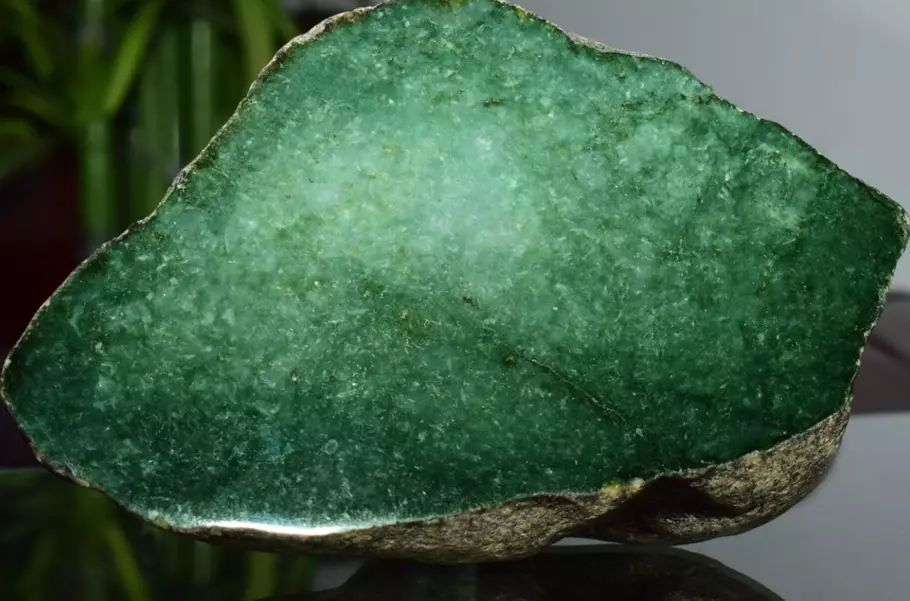
Transparency (Cŏng - Thickness/Clarity): How much light passes through? The more transparent (semi-transparent), the better. A highly translucent piece with good color is exceptionally valuable. Most jade is translucent to opaque.
Texture (Yáng - Liveliness): This refers to the fineness and uniformity of the crystalline structure. The best jadeite has an extremely fine, even grain that gives it a smooth, creamy, or icy appearance. A coarse, gritty texture lowers value.
Craftsmanship (Xiăn - Brilliance/Workmanship): For carvings and finished jewelry, the skill of the cut and polish is paramount. Sharp, precise lines, a symmetrical shape, and a high, mirror-like polish that brings out the stone's inner glow (its "water") all add significant value. A poorly cut piece of good material can look dead.
A common pitfall is focusing solely on color. I've seen a bracelet with a stunning patch of green that was full of cracks and had a dull polish. Its value was a fraction of a slightly less vibrant but flawless, well-polished piece. The overall harmony matters.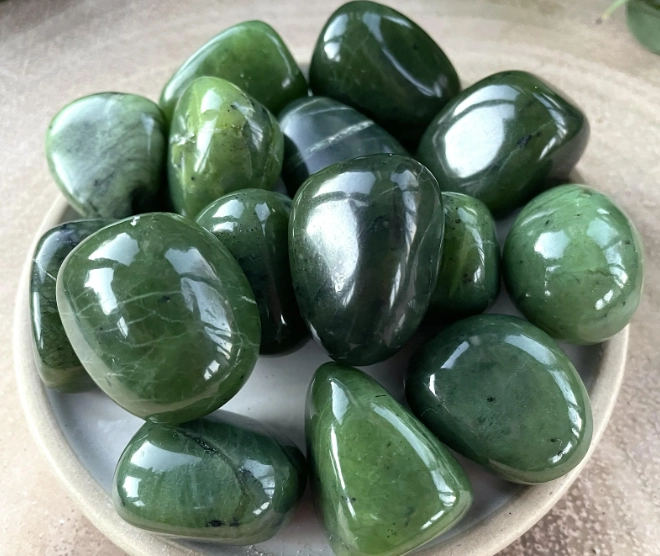
A Real-World Buying Scenario: Navigating the Market
Let's say you're in a reputable gem district or browsing a serious online dealer. You have a budget of $1,500 for a jadeite pendant. Here's how a knowledgeable buyer approaches it.
First, you ignore the items in the front display screaming "EMERALD GREEN" at suspiciously low prices. You ask the dealer to see natural, untreated jadeite pendants in your range. You'll likely be shown pieces with more subtle colors—perhaps a lovely icy lavender, a minty green with some transparency, or a white (mutton fat) piece with excellent texture.
You pick up a lavender oval. It feels cool and heavy. You examine it with the loupe you brought (a 10x jeweler's loupe is a $20 essential). You're looking for that fine grain and checking for dye concentration in cracks. You ask directly: "Does this have a lab report, or can one be provided?" A trustworthy dealer will say yes or explain why not (sometimes the cost of certification exceeds the stone's value for lower-priced items).
You discuss the four value factors. "The color is even, which is good. How is the transparency on the edges? The polish seems very high-quality." This dialogue shows you're informed. You might be shown a comparable piece with a GIA report stating "No evidence of impregnation or dye." That's your target. The price reflects the natural quality and the certification. You're not buying a mystery; you're buying a documented asset.
Contrast this with a tourist market. The prices are lower, the claims are louder, and the chances of getting treated stone or outright glass are high. If you buy there, buy for the beauty of the object alone, not as an investment in genuine jade. Assume it's enhanced.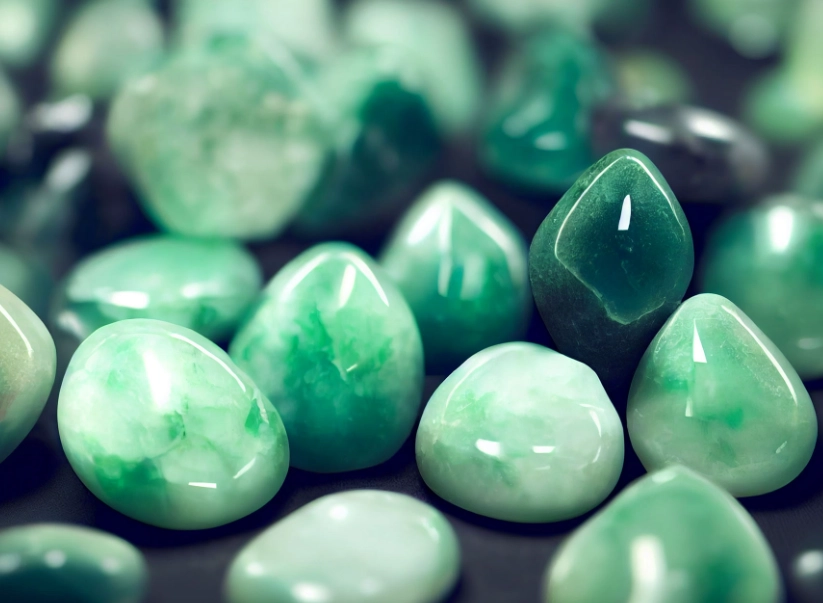
Your Burning Jade Questions Answered
The journey into jade is a deep one. It blends geology, art, history, and commerce. Start by appreciating the material in all its forms—the serene beauty of a nephrite mountain scene, the electric glow of a fine jadeite cabochon. Arm yourself with knowledge, manage your expectations, and focus on buying from sources that prioritize transparency. Your collection, and your wallet, will thank you for it.