"Is real jade expensive?" You type that into Google, expecting a simple yes or no. But the world of jade laughs at simple answers. I've been buying, selling, and studying jade for over a decade, and the price range still surprises me. I've seen lovely carved pendants sell for less than a good dinner, and I've held a single jadeite bangle that could buy a house. So, the short answer is: it depends wildly. The real question you're asking is, "What makes one piece of jade worth $50 and another $5,000,000?" Let's cut through the mystery and get into the gritty details of color, texture, origin, and the market forces that determine what you'll actually pay.
What You'll Learn in This Guide
The Real Price Range: From $20 to Millions
Let's get concrete. Forget vague statements. Here’s what you can realistically expect to pay in today's market, based on what the stone actually is and the form it takes.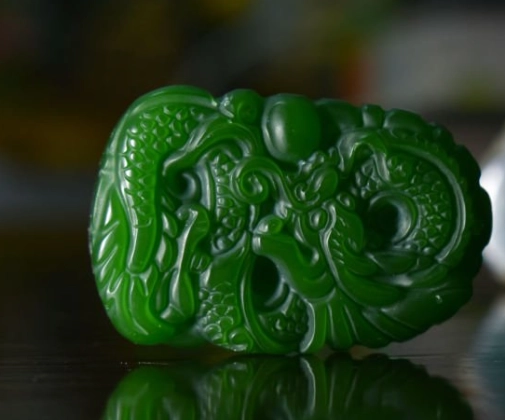
Most people don't realize there are two distinct minerals called "jade": jadeite and nephrite. They look similar to the untrained eye but live in completely different price universes. Think of nephrite as the reliable, widespread cousin—beautiful, historic, and generally affordable. Jadeite is the rare, glamorous superstar that commands auction-house headlines.
| Jade Type & Item | Low-End Price (Mass-produced, lower quality) | Mid-Range Price (Good quality, genuine article) | High-End Price (Fine quality, investment grade) |
|---|---|---|---|
| Nephrite Jade (e.g., from Canada, Russia) | $20 - $100 | $100 - $800 | $800 - $5,000+ |
| Carved Pendant | Simple machine-made shapes, opaque, greyish-green. | Hand-finished, better polish, more even green or white color. | Exceptional carving, "mutton fat" white or spinach green, flawless texture. |
| Jadeite Jade (e.g., from Myanmar) | $50 - $300 | $300 - $10,000 | $10,000 - Millions |
| Bangle Bracelet | Thin, lots of visible flaws, pale or blotchy color, may be "B+C" treated. | Decent transparency (semi-translucent), even lavender or apple green, few flaws. | "Imperial green" color, highly translucent, flawless, no treatments. A top-tier bangle sold for over $27 million in 2014. |
See the gap? A tourist-market nephrite necklace might cost you $50. A fine, translucent jadeite bead necklace of imperial green could easily surpass $100,000. The first is a souvenir. The second is a store of wealth.
I once watched a collector spend $1,200 on a small jadeite cabochon. It was a vibrant, even emerald green and glowed under light. The seller next to him had a bowl of "jade" rings for $30 each. They were a dull, opaque green. The collector wasn't buying a ring; he was buying a specific combination of color and light that occurs in maybe 1% of all jadeite mined. That's what you're paying for at the high end.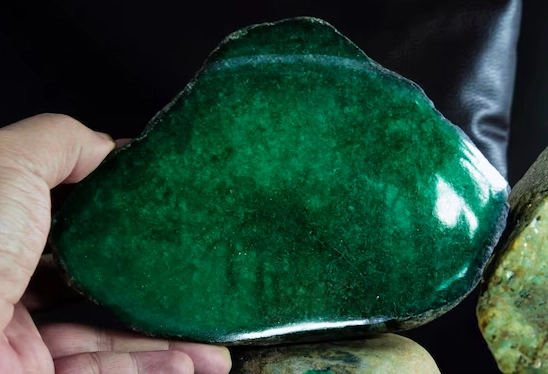
What Actually Drives the Cost of Jade?
So what creates these insane price differences? It's a formula with six key ingredients. Miss one, and your price estimate is off.
1. Color: The Biggest Price Driver
For jadeite, color is king. The most valuable is a vivid, intense, evenly distributed emerald green called "Imperial Green." It's not just green; it's a pure, spectral green without any grey, blue, or yellow undertones. After that, vibrant lavender, intense red ("cinnabar" jade), and a rich, apple green are highly prized. With nephrite, a pure, even white ("mutton fat") or a deep, uniform spinach green commands higher prices. A blotchy, dull, or greyish color drops the value significantly.
2. Transparency & Texture
This is where beginners get tripped up. They focus only on color. But a deep green piece that's opaque and grainy is worth far less than a slightly paler piece that's translucent and fine-grained. The Chinese call this "water." High transparency allows light to penetrate and gives the stone a glowing, inner light. The texture should be so fine it feels smooth and oily to the touch, not granular or sugary. The Gemological Institute of America (GIA) emphasizes texture and transparency as critical grading factors alongside color.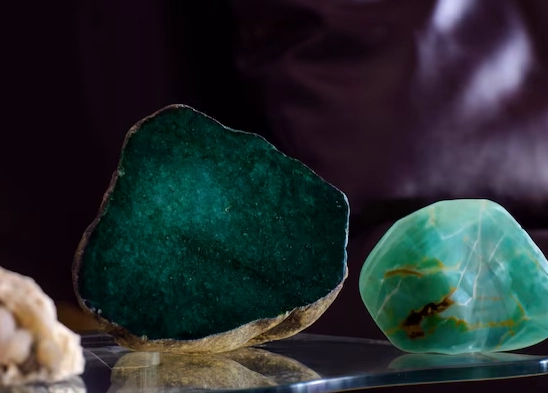
3. Craftsmanship & Carving
A master carver can multiply a stone's value. Intricate, meaningful, and well-executed carvings (think detailed dragons, landscapes, or Buddha figures) add cost. A clumsy or generic carving can ruin good material. Conversely, a master can take a stone with minor flaws and carve strategically to hide them, enhancing its final worth. The best carvings come from traditional centers like Yangon or specific regions in China.
4. Treatment: The Dirty Secret
This is the minefield. Most commercial jade is treated.
- Type A Jade: Natural, only polished with wax. This is the most valuable.
- Type B Jade: Chemically bleached to remove impurities, then injected with polymer to improve clarity and color. It's stable but worth much less than Type A.
- Type C Jade: Dyed to enhance color. The dye can fade over time.
A "B+C" jade bracelet might look great for $200, while its natural, untreated equivalent could cost $5,000. Always ask about treatment. A reputable seller will disclose it.
5. Provenance & Source
Myanmar (Burma) is the primary source of the finest jadeite. Stones from its famous mines carry a premium. Nephrite from historically prized sources like the Khotan region (now in China) or high-quality Canadian sources also commands higher prices. Provenance adds a story and assurance of quality.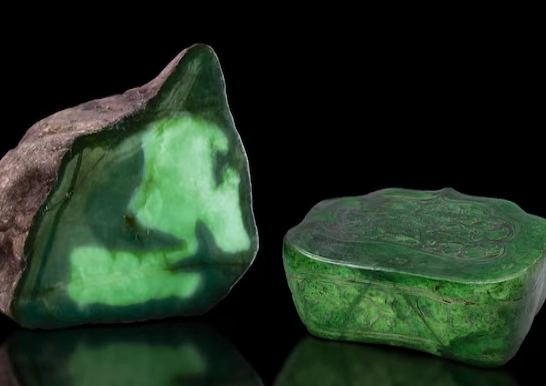
6. Market Hype & Auctions
Jade, especially high-end jadeite, is a passion asset. Prices at major auctions like Sotheby's or Christie's in Hong Kong set global benchmarks. When a record-breaking piece sells, it lifts the entire top tier of the market. This doesn't affect the $50 pendant, but it absolutely influences the six-figure market.
Jadeite vs. Nephrite: A Price Battle
It's crucial to know which one you're looking at. They're both "real jade," but their price structures are different.
Jadeite is rarer, harder, and takes a higher polish. Its color range is wider (greens, lavenders, reds, yellows, whites). Fine jadeite is a luxury gemstone and an investment vehicle. The market is heavily influenced by Asian collectors, particularly in China and Hong Kong.
Nephrite is more common, slightly softer, and usually has a more muted, earthy color palette (creamy whites, spinach greens, browns). It's the jade of ancient Chinese empires and Maori culture. It's more accessible and often used for larger carvings and affordable jewelry. You're buying beauty and culture, not necessarily a financial asset.
I love nephrite for its warmth and history. A fine nephrite carving has a serene, timeless beauty. But if someone tries to sell you a nephrite piece for jadeite prices, walk away. It happens all the time in non-specialist shops.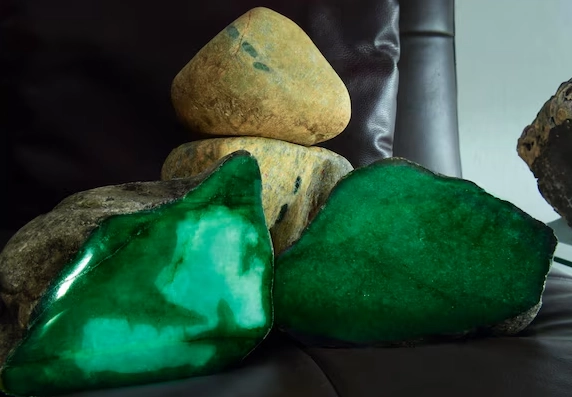
How to Buy Real Jade Without Getting Ripped Off
Let's get practical. You're not just reading about prices; you want to buy something. Here’s a field guide.
First, define your goal. Are you buying a meaningful gift, a piece of jewelry to wear daily, or a potential investment? For a gift or daily wear, a beautiful mid-range nephrite or treated jadeite is perfect. For investment, only untreated (Type A) fine jadeite from a verifiable source will do.
Where to shop matters.
- Specialist Gem/Jade Dealers: Best for quality and knowledge. Prices are higher but you're paying for expertise and authenticity. They should provide a lab report for expensive pieces.
- Auction Houses: For high-end pieces. You get provenance but also buyer's premiums.
- Reputable Online Retailers (e.g., with clear policies): Okay for lower to mid-range pieces. Scrutinize return policies and magnification photos.
- Tourist Markets & General Gift Shops: High risk. You'll likely get dyed quartz, serpentine, or heavily treated low-grade jade. The price might seem "too good to be true" because it is.
The non-negotiable step: For any piece over a few hundred dollars, insist on an independent lab report from a recognized gemological lab like the GIA, Gubelin, or AGL. The report will specify: Jadeite or Nephrite, Color, Transparency, and most critically, any treatments ("no indications of treatment" is what you want for natural stone). This report is your insurance policy. A seller refusing to provide one for a costly item is a major red flag.
Feel the stone. Real, fine-grained jade feels cool to the touch and has a smooth, almost oily texture. Tap two pieces together lightly; they should make a crisp, resonant clinking sound, not a dull thud. Look at it under different lights. Good jade's beauty should be consistent, not disappear in bright light.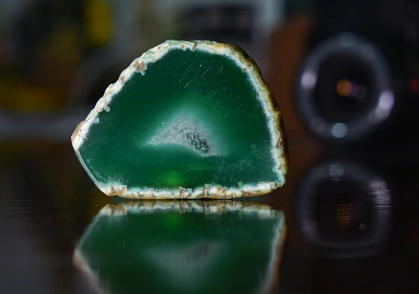
Your Jade Price Questions Answered
It could be "real" in the sense of being nephrite or low-quality, heavily treated jadeite. However, it's more likely to be a simulant like dyed quartz, marble, or serpentine. At that price point, manage expectations. You're buying a pretty green bracelet, not a gemstone. If it's sold as "genuine jade," ask if it's nephrite or jadeite and if it's been treated. Most vendors won't know or won't say.
Bangles require a large, flawless, and consistent block of rough material. You can't hide inclusions or color zoning in a continuous circle. A pendant can be carved from a thinner slice, and flaws can be carved away. Finding a boulder pure and large enough to cut a perfect, high-color bangle is exceptionally rare, hence the premium. A top-quality jadeite bangle is one of the most expensive forms of jade per carat.
Only at the very high end. Investment-grade, untreated "Imperial Green" jadeite has historically appreciated, driven by demand from wealthy Asian collectors. However, this market is illiquid, requires expert knowledge, and is subject to speculative bubbles. For 99% of buyers, jade should be purchased for personal enjoyment and cultural appreciation, not as a financial instrument. Treat any "investment jade" pitch with extreme skepticism unless you're working with top-tier auction houses or decades-old family dealers.
Focusing solely on color and ignoring texture and transparency. A deep green stone that's opaque and coarse is called "bean jade" and has low value. A slightly paler but highly translucent, fine-grained stone is far more desirable and expensive. The glow from within is what experts pay for. Hold the stone up to a light source. If light passes through it evenly, giving it a soft glow, you're looking at better material.
Absolutely, and there's no shame in it. Serpentine (often sold as "Korean jade" or "new jade") is a lovely green stone that's much softer and cheaper. Chrysoprase is a bright apple green chalcedony. Green aventurine is another quartz variant. Just be sure the seller labels it correctly. Buying a serpentine carving for $80 knowing what it is is smart. Buying the same piece because you were told it's "Burmese jadeite" is a scam.
So, is real jade expensive? It can be, but it doesn't have to be. You can find genuine, beautiful nephrite pieces for well under $200 that will last lifetimes. The multi-million dollar headlines represent the pinnacle of a vast and varied market. Your job as a buyer is to understand what you're looking at, what you're paying for, and to always, always get that lab report for anything claiming to be a significant piece of jadeite. Now you have the map. Go find something you love.