Let's talk about a stone that genuinely gives me chills every time I see a fine specimen. It's not a diamond or a sapphire. It's tanzanite. Found in only one tiny spot on Earth and boasting a color that can shift before your eyes, this gem is a geological miracle wrapped in a marketing success story. But beyond the hype, what makes it tick? Is it a good buy? How do you avoid getting ripped off? I've spent over a decade in the gem trade, and I've seen the good, the bad, and the downright ugly when it comes to tanzanite. This guide strips away the fluff and gives you the real, actionable knowledge you need.
Your Quick Guide to All Things Tanzanite
- What Makes Tanzanite So Special?
- Understanding Tanzanite Color: Beyond Just "Blue"
- The 4 Key Factors That Determine Tanzanite's Value
- The Heat Treatment Truth: Enhancement or Deception?
- How to Buy Tanzanite: A Step-by-Step Checklist
- Tanzanite Care and Handling: It's More Fragile Than You Think
- Your Tanzanite Questions, Answered
What Makes Tanzanite So Special?
Discovered in 1967 in the foothills of Mount Kilimanjaro in Tanzania, tanzanite (a blue-violet variety of the mineral zoisite) exploded onto the scene. Tiffany & Co. saw its potential and named it after its country of origin, launching a major campaign. The hook was irresistible: a stunning new blue gem found in only one place. Geologists from the Gemological Institute of America (GIA) agree the conditions that formed it are so unique, the likelihood of finding another deposit is, for all practical purposes, zero.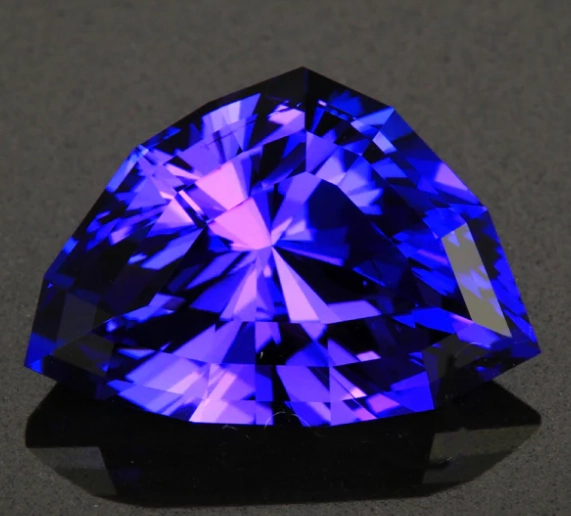
That's the "one-source" story you always hear. But here's the nuance most articles miss: the mine is literally running out. The main mining area, Merelani, is divided into blocks. The highest-quality stones historically came from specific blocks (like "D" block), and those are largely exhausted. Today's mining is deeper, more dangerous, and yields less of the top-tier material. This isn't just marketing; it's a geological reality that directly impacts supply, quality, and price.
Understanding Tanzanite Color: Beyond Just "Blue"
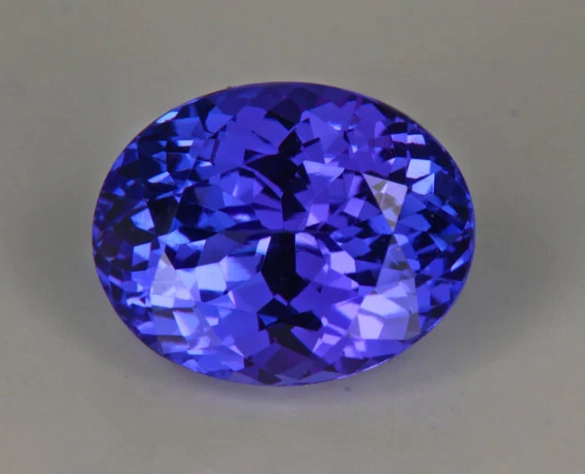
Ask someone what color tanzanite is, and they'll say blue. That's only half the story. High-quality tanzanite is pleochroic. This means it shows different colors when viewed from different crystal directions. A single stone can flash deep blue, vibrant violet, and burgundy-red. The cutter's number one job is to orient the rough to maximize the most desirable blue and violet hues for the face-up view, often sacrificing the red pleochroic color.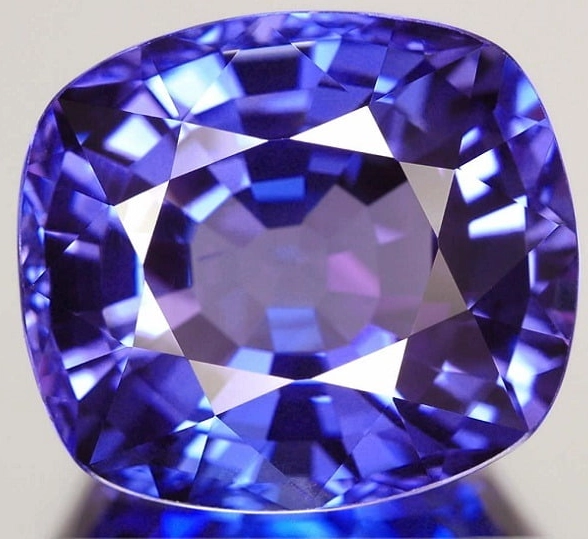
The trade grades color based on hue, tone, and saturation. The most coveted color is a saturated, vivid blue with a violet secondary hue. Think a rich cornflower or sapphire blue, but with a velvety, slightly purplish undertone that gives it a unique softness. Lighter stones are more lilac or periwinkle. The deeper, more saturated the blue, the higher the value—often exponentially so.
The Color Grading Scale in Practice
You'll hear terms like "Exceptional," "Vivid," "Intense," and "Moderate." These are subjective. A trick I use: place the stone on a pure white piece of paper under good daylight-equivalent light (not yellow store lighting). Compare it to other stones. Does the color hold its own, or does it look pale and washed out? The best blues look rich and deep even in that neutral setting.
The 4 Key Factors That Determine Tanzanite's Value
Like all gems, tanzanite is judged by the "Four Cs," but they play out in unique ways here.
| Factor | What to Look For | Impact on Price & Notes |
|---|---|---|
| 1. Color | Saturated violetish-blue to pure blue. Even color distribution is critical. | The #1 driver of value. A 5-cat "Vivid" stone can be 10x the price of a 5-cat "Moderate" stone. Avoid grayish or dull tones. |
| 2. Clarity | Eye-clean stones (no visible inclusions to the naked eye). | Tanzanite is a Type I gem, meaning it's typically clean. Visible inclusions (especially cracks or heavy silk) drastically reduce value and durability. |
| 3. Cut | Excellent proportions and symmetry that maximize color and brilliance. | Poor cutting can "window" (create a see-through dead area) or make the color look uneven. Well-cut ovals and cushions are most common. |
| 4. Carat Weight | Larger sizes in top color are exponentially rarer. | Price per carat jumps significantly at milestone weights (e.g., over 5ct, over 10ct). Small stones (under 1ct) are relatively affordable. |
Notice I didn't list "natural, unheated" as a primary factor. That's because over 99% of tanzanite on the market is heat-treated to enhance its blue color—a stable, accepted practice. We'll get to that controversy next.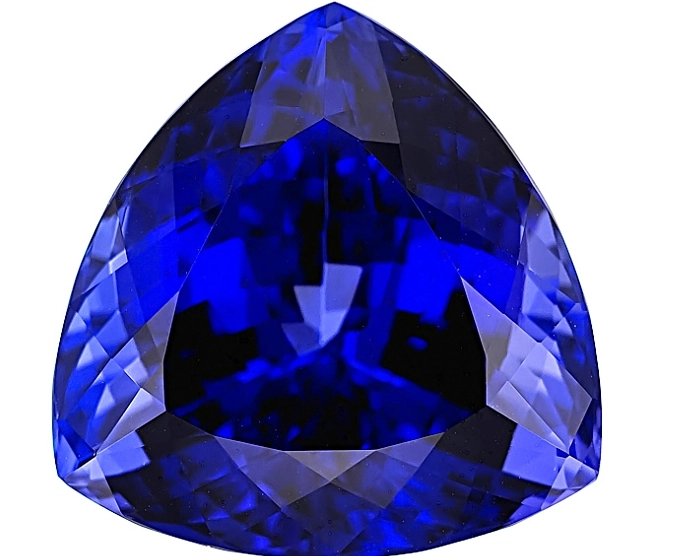
The Heat Treatment Truth: Enhancement or Deception?
Here's where I see a lot of confusion and some shady marketing. In its rough state, most tanzanite is a brownish color. Gentle heat treatment (around 600°C) removes the brownish components, leaving behind the stable blue and violet hues. The Tanzanite Foundation and major gem labs consider this a standard, permanent enhancement.
The problem? Some sellers use phrases like "natural color" or "unheated" to imply superiority and charge a massive premium. Let's be clear: a truly unheated, naturally blue tanzanite of fine quality is museum-level rare. If you're being offered one without a certificate from a top-tier lab (GIA, GRS, AGL), be extremely skeptical. You're likely just paying more for the same stone everyone else has.
How to Buy Tanzanite: A Step-by-Step Checklist
Let's simulate a real buying scenario, whether online or in a store.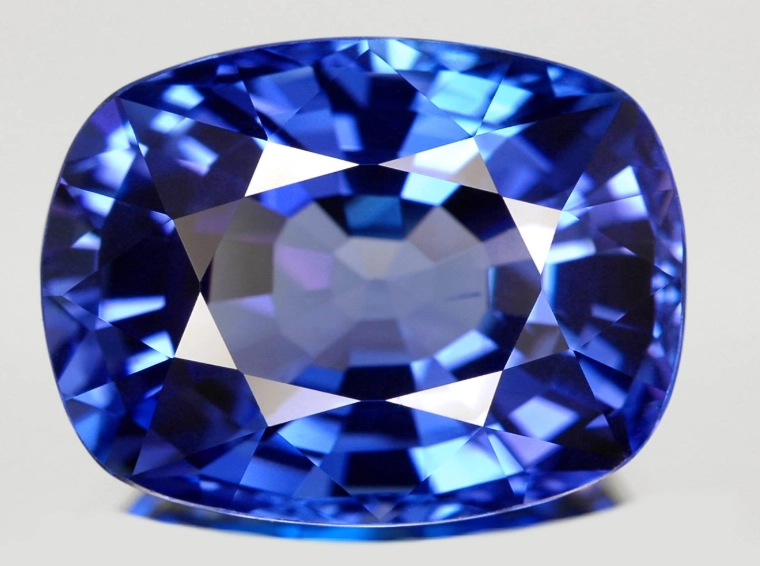
Step 1: Define Your Priority. Is it size, color, or budget? You usually can't have all three. A larger stone with lighter color, or a smaller stone with incredible color? Decide first.
Step 2: Vet the Seller. Look for specialists with clear policies. Do they provide lab reports (even if just for identification)? What's their return window? Reputable sellers will talk openly about treatments.
Step 3: Scrutinize the Images & Video. Demand photos and videos in multiple lights: daylight, indoor, and against a white background. Does the color stay consistent, or does it turn gray in some lights? Watch for reflections that might hide a window in the cut.
Step 4: Understand the Certificate. A basic "identification report" just confirms it's tanzanite. A full "grading report" from a lab like GIA will detail color, clarity, cut, carat, and note any treatments. For a major purchase, a grading report is worth the fee.
Step 5: Consider the Setting. Due to its cleavage (tendency to split along a plane), tanzanite needs a protective setting. A bezel or deep prong setting is safer than a tall, exposed peg head. Tell your jeweler it's tanzanite so they handle it with care during setting.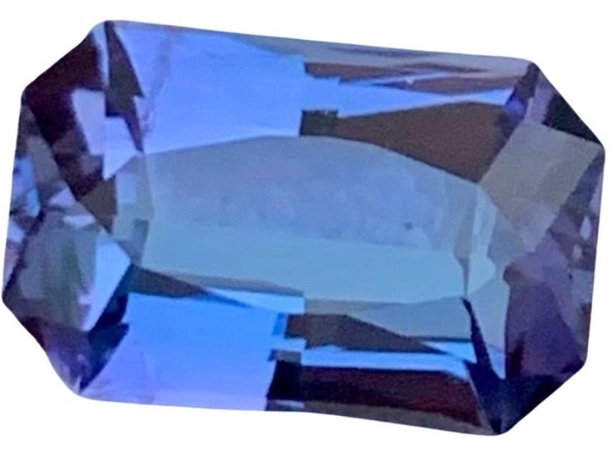
Tanzanite Care and Handling: It's More Fragile Than You Think
This is the biggest practical downside. Tanzanite is relatively soft (6.5-7 on the Mohs scale) and has perfect cleavage. Translation: it can be scratched by common dust (which contains quartz) and a sharp knock in the wrong direction can cause a crack or chip.
My care routine is non-negotiable:
- Last On, First Off: Put your tanzanite jewelry on after makeup, perfume, and hairspray. Take it off before household chores, gardening, or the gym.
- Clean Gently: Warm water, mild dish soap, and a soft brush. No ultrasonic cleaners. Ever. The vibrations can fracture it.
- Store Alone: Keep it in a soft pouch or separate compartment in your jewelry box. Don't let it rattle against harder stones like diamonds or sapphires.
- Insurance: Get it appraised and insured. It's a valuable, fragile asset.