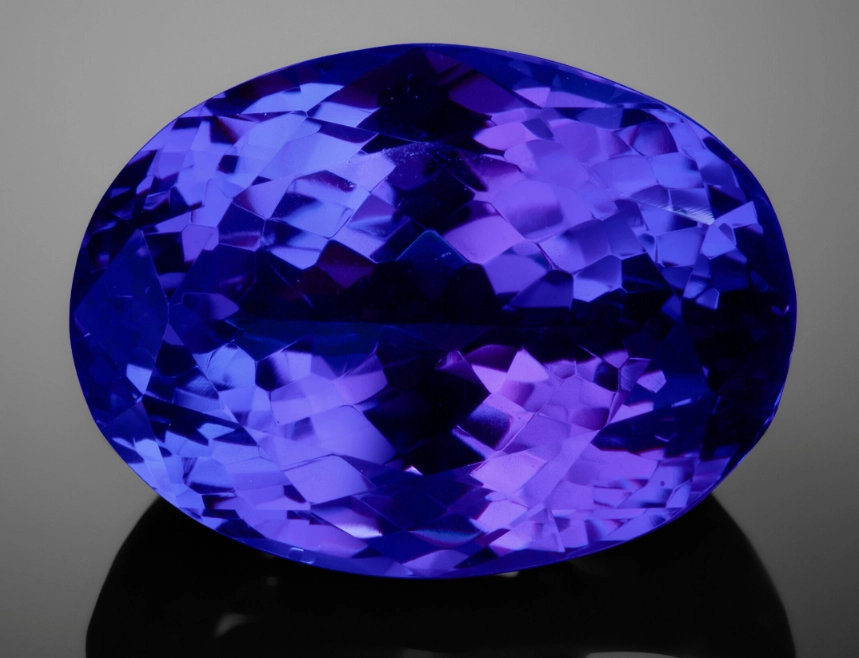
I bought my first tanzanite over a decade ago, drawn in by that impossible blue-violet hue you just don't see anywhere else. Back then, the salesperson rattled off the usual spiel about rarity and December birthstones. But after years of collecting, studying, and even visiting the mining communities near Mount Kilimanjaro, I've learned that the real tanzanite benefits run much deeper. Most articles stop at "it's rare and pretty." They miss the emotional weight, the practical value, and the subtle nuances that make this gem a truly unique possession. If you're considering tanzanite, whether for jewelry, investment, or personal meaning, understanding these layers is what separates a good purchase from a great one.
What You'll Discover in This Guide
The Emotional & Spiritual Perks You Can Actually Feel
Let's get this out of the way: I'm not one for overly mystical claims. But in the gem world, certain attributes become self-fulfilling because people believe in them. With tanzanite, the lore is powerful and, in my experience, often resonates on a psychological level.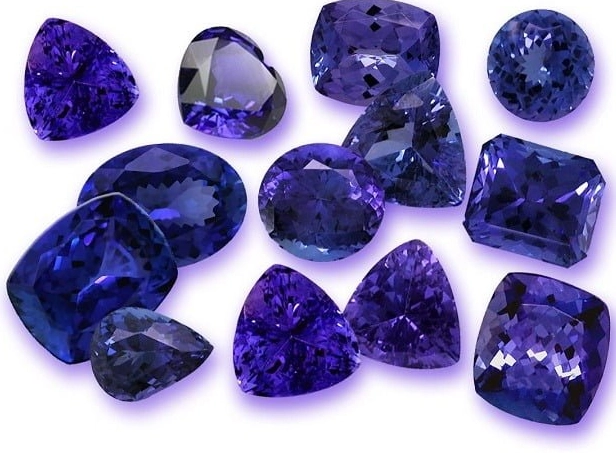
The primary benefit here is its association with calm and higher consciousness. The stone is famously linked to the throat and third eye chakras. Practically speaking, what does that mean for you? Clients often tell me they wear their tanzanite pendant during stressful work meetings or difficult conversations. They feel it serves as a touchstone for clearer communication and staying centered. It's less about magic and more about intentionality—the stone becomes a physical reminder to breathe and think before speaking.
A Common Misstep Most New Buyers Make
They buy a tiny, pale tanzanite chip expecting profound energetic shifts. The truth is, for these symbolic benefits to feel tangible, you need a stone with enough presence. A 0.5-carat melee stone set in a ring won't have the same psychological impact as a 3-carat+ statement piece you can see and feel. It's about the personal connection, not the mineralogy alone. Invest in a size that commands your attention.
Another less-discussed benefit is its role in marking transformation. Found only in one place on Earth, its formation story is one of radical change under immense heat and pressure. I've seen people gravitate toward tanzanite after major life events—a career shift, a move, a personal milestone. The stone symbolizes that beauty can emerge from chaos. It's a wearable metaphor for resilience.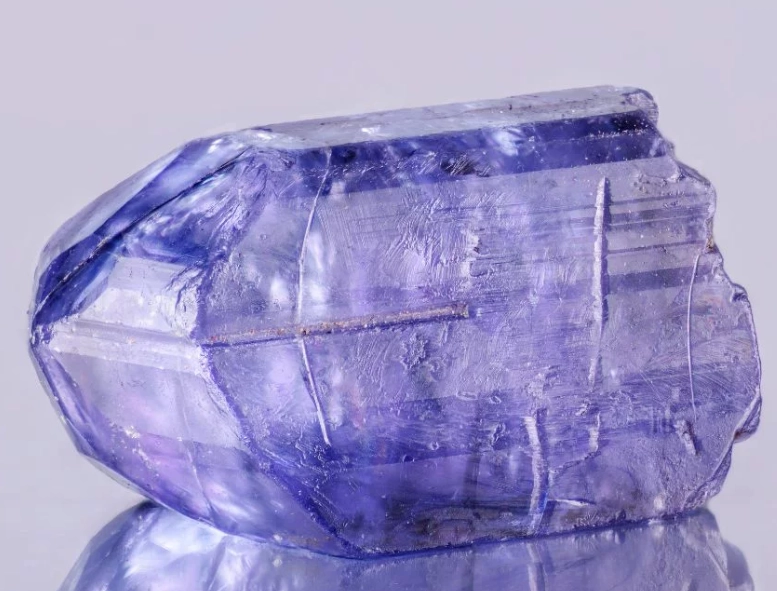
The Tangible Benefits: Investment & Rarity
This is where tanzanite's story gets concrete. The investment case isn't hype; it's geology and simple economics.
Benefit #1: Genuine Scarcity. All credible sources, including the Gemological Institute of America (GIA), confirm tanzanite is mined from a single, small area in Tanzania. Estimates suggest commercially viable deposits may be depleted within a generation. When a finite resource is actively being consumed, basic principles point to potential long-term value appreciation. Unlike diamonds, which have vast global deposits, tanzanite's supply is a literal ticking clock.
Benefit #2: Market Maturation. In the past, price volatility was an issue. Now, with more structured mining and international market channels, prices have stabilized on an upward trend. You're not buying into a speculative bubble; you're acquiring an asset with a clear supply constraint.
How does it stack up against other colored gems? Let's look at value drivers.
| Gemstone | Primary Value Driver | Supply Outlook | Entry Point for Investment Quality |
|---|---|---|---|
| Tanzanite | Extreme geographic rarity, single source | Very limited, finite | $800-$1,500 per carat (for vivid blues over 3ct) |
| Ruby | Color intensity & tradition | Multiple sources, but fine quality rare | $3,000+ per carat (Burmese) |
| Sapphire | Color & size | Widespread, but Kashmir/Ceylon top grades rare | $1,500+ per carat (fine blue) |
| Emerald | Color & clarity | Multiple sources, often treated | $2,000+ per carat (Colombian, minor oil) |
The table shows tanzanite's unique proposition. Its entry point is still relatively accessible for a "finite" gem, and its value story is incredibly straightforward to understand: one mine, depleting supply.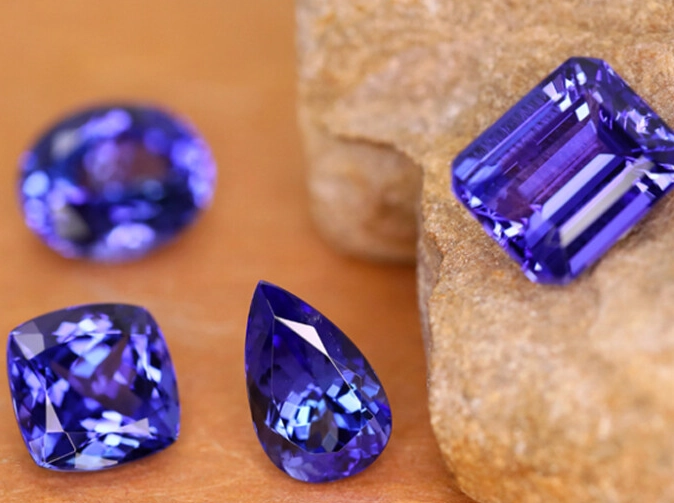
Practical Benefits for Jewelry Wearers
Beyond metaphysics and finance, tanzanite offers everyday advantages in a jewelry setting.
Unmatched Color Versatility. This is its superpower. Depending on the light, a single stone can shift from deep sapphire blue to vibrant violet to soft lavender. You're essentially getting multiple gems in one. A tanzanite ring looks different under office LEDs, candlelight, and sunlight, making it perpetually interesting.
Durability for Regular Wear. With a Mohs hardness of 6.5 to 7, it's suitable for rings and bracelets with proper setting precautions. I always recommend bezel or halo settings for rings to protect the girdle. It's softer than sapphire, yes, but it's far more wearable than opal or pearl. The key is awareness, not avoidance.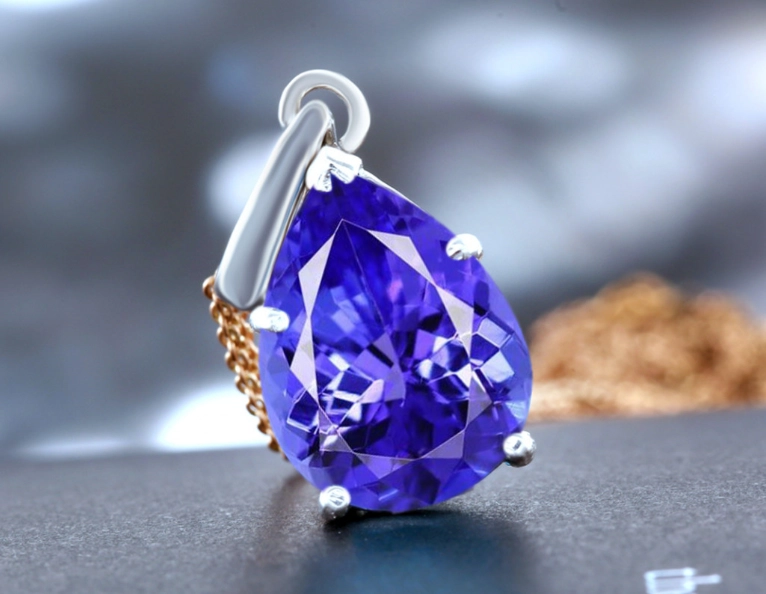
Personal Take: I wear a tanzanite solitaire ring daily. After 8 years, it has a few tiny nicks on the girdle—character marks, I call them. It hasn't shattered or become dull. The fear around its softness is overblown if you're even slightly careful. Don't garden or lift weights with it on. Common sense goes a long way.
The Conversation Starter. This is a subtle benefit. In a sea of diamond solitaires, a fine tanzanite stands out. It invites questions. "What is that stunning stone?" This lets you share its unique story—the single source, the color change, the rarity. Your jewelry becomes a piece of storytelling, not just adornment.
How to Choose a Tanzanite for Maximum Benefit
To realize any of these benefits, you must start with the right stone. The 4 Cs apply, but with tanzanite-specific twists.
Color is King (But Which Hue?)
The top-tier color is a saturated, vivid blue with violet secondary hues. The market pays a premium for this. However, a pure, intense violet is rarer and can be just as valuable to the right collector. Don't get fixated on "blue must dominate." Choose the color that speaks to you. A medium-toned, lively stone is better than a dark, inky one where the color is so deep it looks black indoors.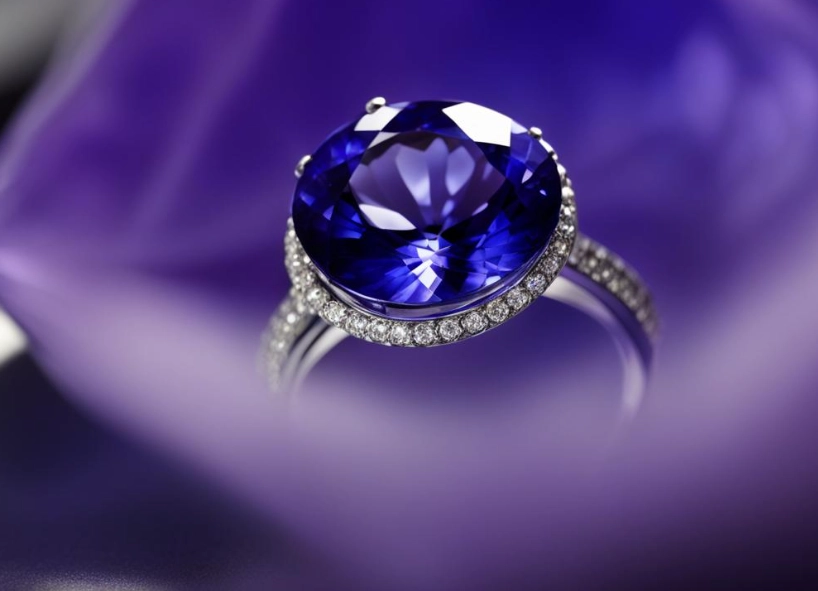
The Treatment Transparency
Nearly all tanzanite is heat-treated to enhance its blue-violet color. This is a permanent, stable, and universally accepted process. The benefit here is you get a more beautiful stone. The critical point is that the treatment must be disclosed. Any reputable seller will state "heated" or "T" on the report. An untreated, naturally vibrant tanzanite is a museum-piece rarity and commands an astronomical premium.
Prioritize a Reputable Lab Report
This is non-negotiable for capturing investment and authenticity benefits. A report from GIA, AGL (American Gemological Laboratories), or GRS (GemResearch Swisslab) does two things: verifies the stone is natural tanzanite (not synthetic forsterite or glass) and details any treatments. It's your stone's passport and insurance document rolled into one.
Caring for Your Stone to Preserve Its Value
Ownership benefits diminish if the stone is damaged. Care is simple but specific.
Cleaning: Use warm, soapy water and a soft brush. Ultrasonic cleaners are generally safe for untreated stones but a hard no for fracture-filled materials (rare in tanzanite). Steam cleaners can be risky due to thermal shock. I stick to the soapy water method—it never fails.
Storage: Keep it separate from harder gems like diamonds, sapphires, and rubies. A soft pouch or individual compartment in a jewelry box prevents scratches.
The Real Danger: Sudden temperature changes. Don't wear your tanzanite ring while washing hands with very hot water and then stepping into freezing cold outside. Thermal stress can cause fractures. This is the most practical, often-ignored care tip I give.
Your Tanzanite Questions, Answered
I see "Tanzanite Benefits" linked to physical healing. Is there any truth to that?
From a scientific standpoint, no gemstone can cure illness. However, many people find value in the placebo effect and the practice of mindfulness. If wearing a beautiful stone helps you feel more positive or relaxed during a challenging time, that's a real psychological benefit. I'd focus on that tangible emotional uplift rather than unproven medical claims. The Gemological Institute of America discusses gemstone lore as cultural history, not medical fact.
How can I be sure I'm not buying a fake when seeking tanzanite's investment benefits?
The single most effective step is to insist on a lab report from a major gemological laboratory (GIA, AGL). Look for the words "natural tanzanite." Visually, synthetic imitations often look too perfect—flawless, with an unnatural color saturation. A real tanzanite will have some inclusions (like feathers or healing fingerprints) under magnification. If a deal seems too good to be true for a large, vivid blue stone, it almost always is. Work with established dealers who provide full documentation.
Is a treated (heated) tanzanite a bad choice for everyday jewelry?
Not at all. The heat treatment is stable and permanent. It doesn't make the stone more fragile. The durability concern is about tanzanite's inherent hardness (6.5-7), not its treatment. A heated, well-set tanzanite is just as suitable for daily wear as an unheated one—which is virtually impossible to find anyway. The treatment is about color, not structural integrity.
What's the biggest mistake people make when trying to maximize tanzanite's value?
They prioritize size over everything else. Buying a huge, pale or grayish stone because it's "5 carats" is a poor investment. The color intensity and quality are the primary drivers of value and beauty. A smaller, 2-carat stone with a vivid, saturated blue-violet color will always be worth more and be more desirable than a 5-carat stone with a weak, washed-out color. Focus on color first, then clarity, then size.
The benefits of tanzanite weave together into a compelling story. It offers a unique color experience, a tangible connection to Earth's geological rarity, and a symbolic weight that many find meaningful. By choosing wisely, caring for it properly, and understanding its true nature beyond the marketing, you secure an asset—both emotional and financial—that is as unique as the stone itself.