You've seen the stunning violet-blue gemstone in jewelry stores, often with a dramatic story attached: "Mined only in one place on Earth!" "Running out in 20-30 years!" The marketing is powerful, pushing tanzanite as a rare, must-have treasure. But when you're looking at a price tag of hundreds or thousands of dollars, a real question forms in your mind. Is tanzanite actually valuable, or is this just clever salesmanship?
Let's cut through the noise. The short answer is yes, tanzanite holds significant value, but with major caveats that most sellers won't emphasize. Its value isn't a simple yes/no. It's a sliding scale dictated by factors you can learn to see. I've spent over a decade in the gem trade, and I've watched tanzanite's journey from a geological curiosity to a mainstream sensation. I've also seen buyers overpay for mediocre stones based on hype alone.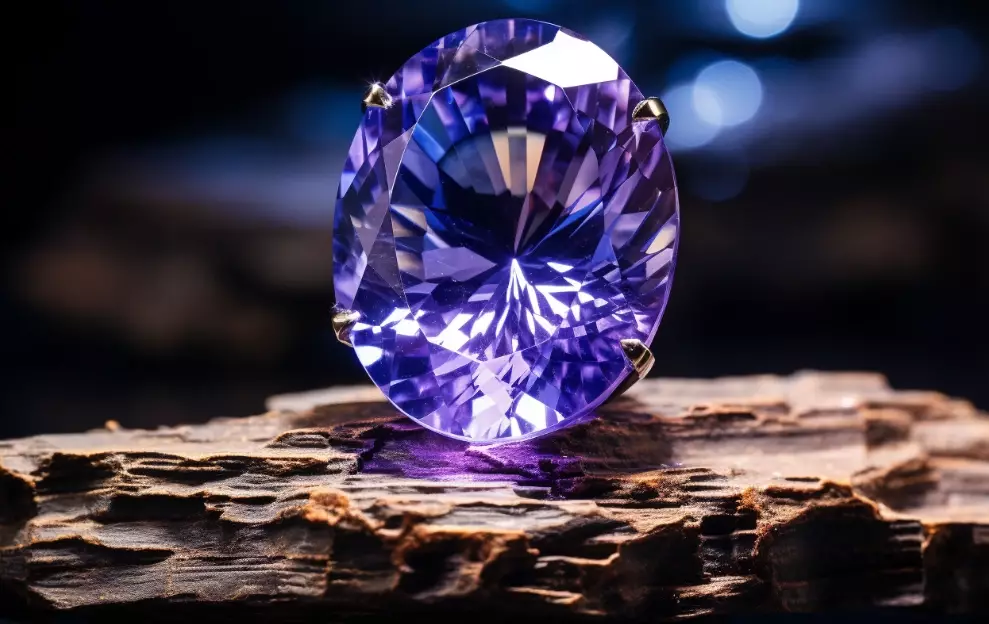
True value lies in understanding what you're buying. This guide won't just tell you it's valuable; it will show you why, for whom, and under what conditions. We'll move from geology to your jewelry box, covering rarity, price benchmarks, investment myths, and how to buy without regret.
What You'll Discover in This Guide
The Single-Source Truth: How Rare is Rare?
This is the cornerstone of tanzanite's value proposition. It's not a marketing gimmick. Tanzanite is found commercially in one incredibly small area: the Merelani Hills near Mount Kilimanjaro in Tanzania, East Africa. The entire mining district is about 8 square miles. Compare that to global diamond or sapphire deposits, which span multiple continents and countries.
That's smaller than many major city airports.
The geology is specific and bizarre. Tanzanite is a blue variety of the mineral zoisite, and its formation required a perfect, one-time storm of heat, pressure, and specific chemical elements (like vanadium) about 585 million years ago. Replicating this elsewhere is virtually impossible.
Expert Insight: While "single-source" is true, the "running out" timeline is fuzzy. Mining companies and the Tanzanian government have given estimates ranging from 10 to 30 years for decades. New pockets are found, mining technology improves. Don't buy purely on a depletion scare. Buy because the existing supply is genuinely finite and geographically tiny, which inherently supports long-term value.
This finite, concentrated supply creates a fundamental scarcity. It means production levels can be directly impacted by local politics, mining regulations, and even weather. This volatility at the source contributes to price stability and potential increases at the retail level, unlike gems with numerous global sources that can flood the market.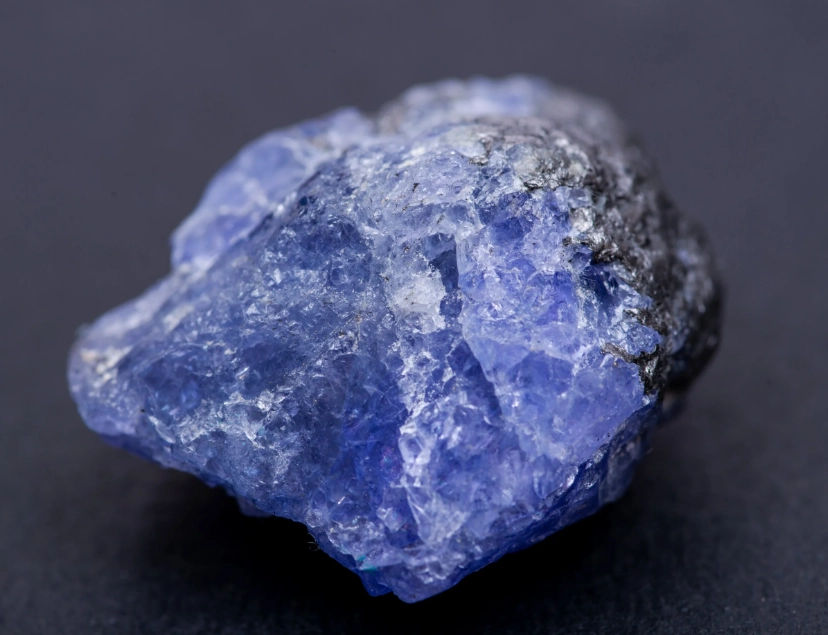
What Makes One Tanzanite More Valuable Than Another?
Not all tanzanite is created equal. Its value is judged on the classic gemological factors—Color, Clarity, Cut, and Carat Weight—but with tanzanite, color is the undisputed king.
1. Color: The Blue-Violet Spectrum
Tanzanite is trichroic, meaning it shows three different colors depending on the angle you view it: blue, violet, and burgundy. The most prized stones display a saturated, vivid blue with violet secondary hues. The deeper and more intense the blue, the higher the value. Pale lilac or grayish-blue stones are far more common and less expensive.
Top dealers and labs like the Gemological Institute of America (GIA) grade tanzanite color based on hue, tone, and saturation. The pinnacle is often called "AAA" or "Exceptional" blue. A common mistake is buying a stone in poor lighting. Always view it under daylight-equivalent light to see its true color.
2. Clarity: Eye-Clean is the Goal
Most tanzanite forms with visible inclusions. Finding a stone with high clarity (few to no visible inclusions to the naked eye) in a large size is challenging and boosts value. However, a small, well-hidden inclusion is often forgiven for a superb color. Heavily included, cloudy stones are significantly less valuable.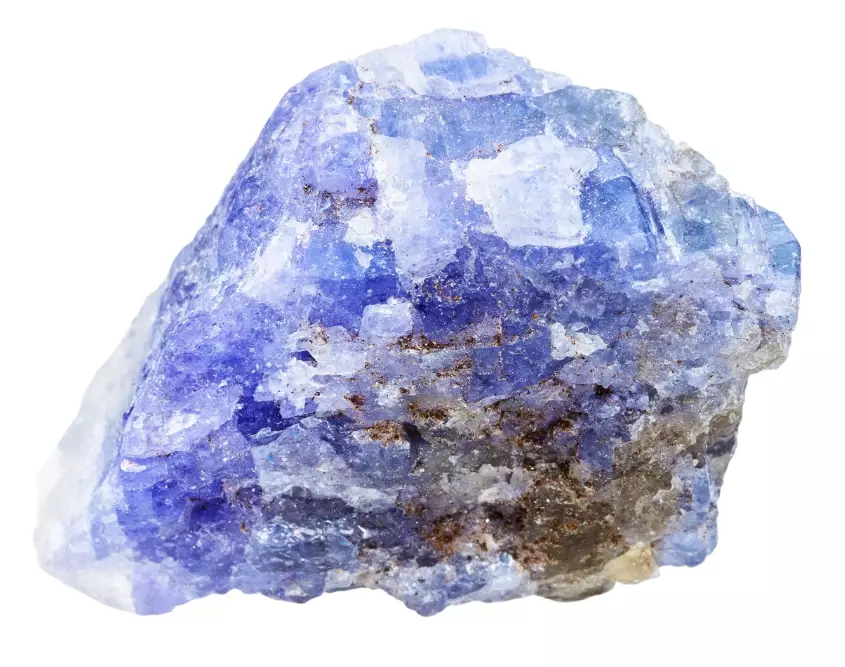
3. Cut: The Art of Unleashing Color
A great cutter orients the rough crystal to maximize the face-up blue color you see. A poor cut can leave a stone looking washed-out or too violet. Well-proportioned cuts (ovals, cushions, rounds) that reflect light beautifully command higher prices per carat than shallow or windowed cuts.
4. Carat Weight: The Size Premium
Like most gems, price per carat increases significantly with size. A 5-carat stone of equal quality is worth far more than five 1-carat stones. Large, fine-quality tanzanite (over 10 carats) is exceptionally rare and can reach auction-level prices.
Tanzanite Price Breakdown: What Should You Really Pay?
Let's get concrete. Prices vary wildly based on the 4 Cs. Here's a realistic range for commercially available, eye-clean tanzanite in 2024. (Note: Auction pieces for ultra-rare stones are a different universe).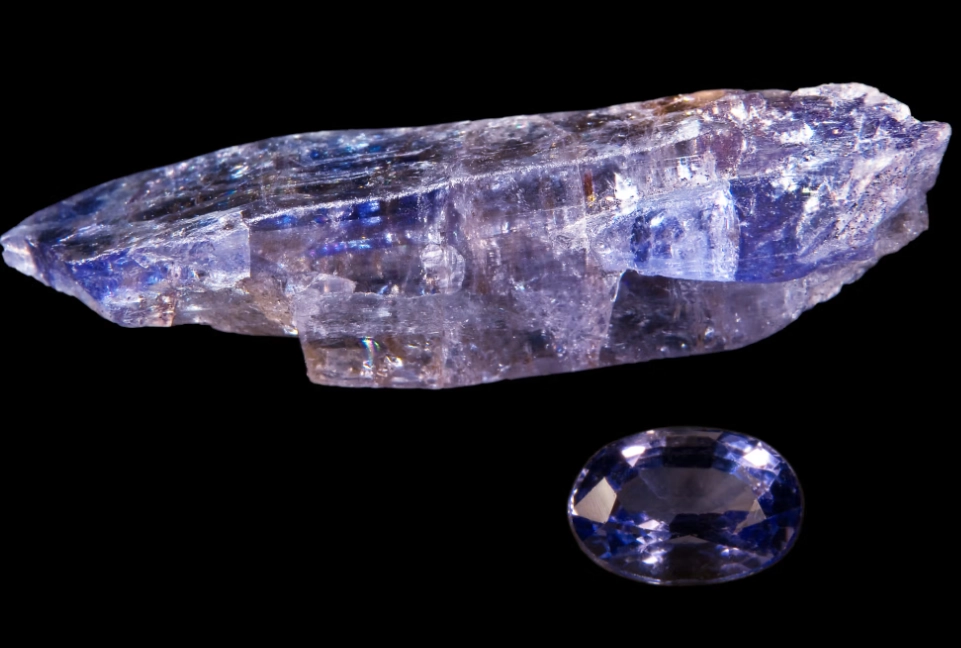
| Quality Grade | Color Description | Price Range (Per Carat, USD) | Best For |
|---|---|---|---|
| Commercial / Good | Light to medium blue-violet, some grayish tone. Common in mall jewelry. | $50 - $200 | Fashion jewelry, entry-level pieces. |
| Fine / Better | Medium to moderately dark blue, good saturation. Eye-clean. | $200 - $600 | Quality everyday jewelry, engagement rings. |
| Top Gem / Exceptional | Vivid, saturated "AAA" blue with violet flashes. Excellent cut. | $600 - $1,500+ | Heirloom pieces, serious collectors. |
A 2-carat "Fine" grade tanzanite in a simple setting might cost $800-$1,500 total. That same stone in "Exceptional" quality could be $2,000+. Always ask for the grade and compare stones side-by-side if possible.
Red Flag: Be extremely wary of prices that seem too good to be true, especially online. Synthetic forsterite or glass can be passed off as tanzanite. At the other extreme, some luxury brands markup standard goods by 500% or more based on their name, not the gem's intrinsic quality.
Is Tanzanite a Good Investment? The Unvarnished Truth
This is the million-dollar question. Here's my blunt take, after seeing portfolios and market trends.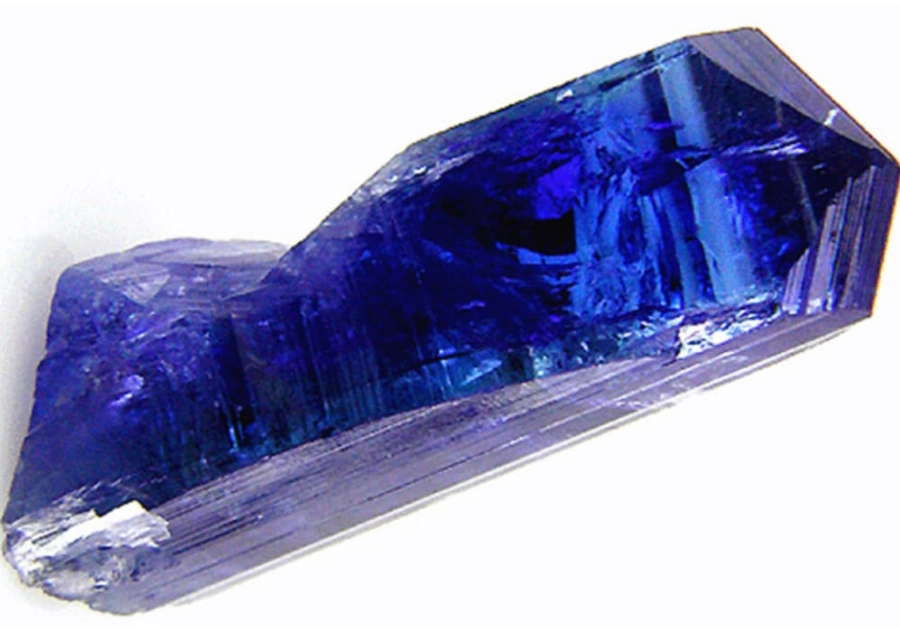
Tanzanite is a speculative and passion-driven asset, not a liquid financial instrument like a stock or bond.
The case FOR potential appreciation:
- Genuine Scarcity: The single-source story is real. If mines truly become depleted, existing high-quality stones could see demand outstrip supply.
- Brand Recognition: Thanks to major marketers like Tiffany & Co., who named and popularized it in the 1960s, tanzanite has a strong consumer brand.
- Market Maturity: As more people own it, a secondary market for pre-owned fine tanzanite jewelry is slowly developing.
The major hurdles as an investment:
- Liquidity is Terrible: Selling a tanzanite quickly for its full value is hard. Pawn shops offer pennies. Auction houses only take the best. You're reliant on finding a private buyer.
- No Universal Pricing: Unlike diamonds with Rapaport sheets, there's no daily price list. Value is subjective, based on the buyer's desire.
- Fragility: Tanzanite is relatively soft (6.5-7 on Mohs scale). A chipped or scratched stone loses value dramatically. It's not a "store in a vault" gem; it's meant to be worn carefully.
My advice? Don't buy tanzanite purely as an investment. Buy it because you love its color and story. Consider any future value a potential bonus, not a guarantee.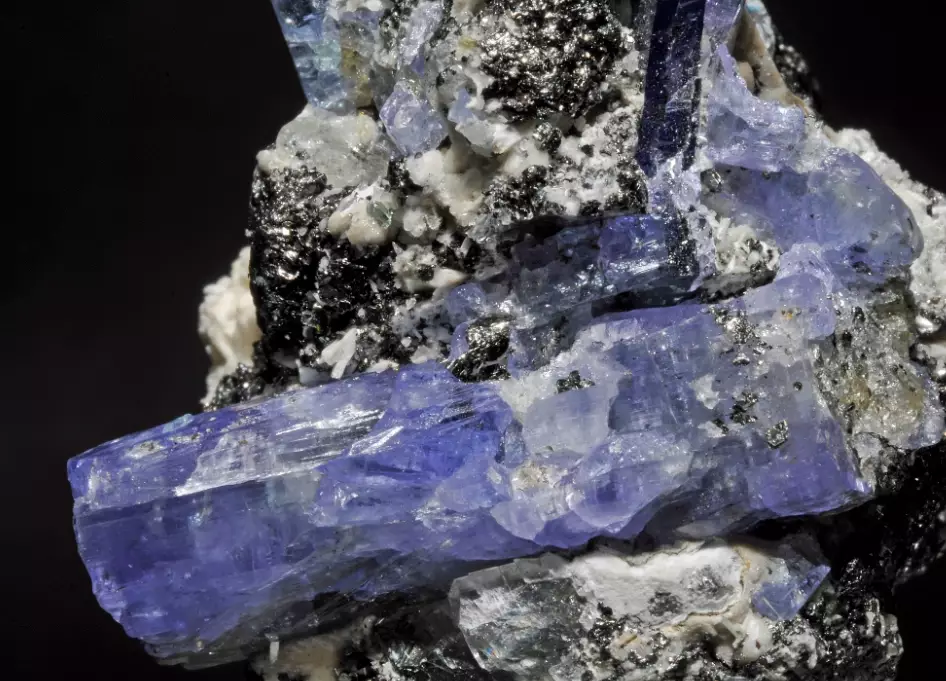
How to Buy Tanzanite Smartly (Avoiding Common Pitfalls)
Let's make you a savvy shopper. Follow this checklist.
1. Prioritize Color Over Everything (Almost). A smaller stone with incredible color is always a better choice than a large, pale one. The color is what you'll fall in love with every day.
2. Demand a Reputable Lab Report for Major Purchases. For stones over $1,000 or for an engagement ring, insist on a report from GIA or AGL (American Gemological Laboratories). It verifies natural origin, identifies any treatments, and describes color/clarity objectively.
3. Understand Heat Treatment. Over 95% of tanzanite is heated at low temperatures to enhance the blue color, removing brownish hues. This is a universally accepted, stable, and permanent treatment. It's not a flaw; it's a standard part of the process. An unheated, naturally vivid blue tanzanite is extraordinarily rare and commands a huge premium.
4. Choose the Right Seller.
- Specialist Gemstone Dealers: Often offer the best quality/price ratio for loose stones. They know the material intimately.
- Independent Jewelers: Can create custom pieces and source quality stones. Build a relationship.
- Big Box/Mall Stores: Convenient, but quality is often commercial grade at fine-grade prices. Selection is limited.
5. Plan for Protection. Tanzanite requires a protective setting (bezels, halo settings) for rings or bracelets. Insure it immediately under your homeowner's or jeweler's insurance policy.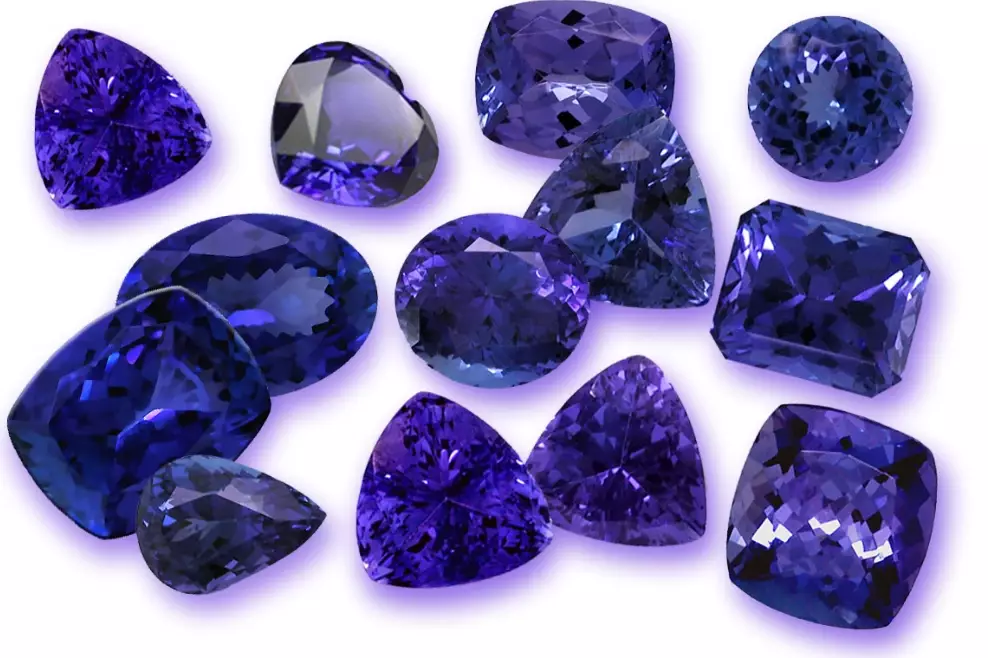
Your Tanzanite Questions, Answered
Maybe, but don't bank on it. High-quality stones from trusted sources have the best chance. The market for colored gemstones has trended up over decades, and tanzanite's rarity supports this. However, economic downturns, changes in fashion, or a new gem discovery can impact prices. View it like buying a piece of art you enjoy; its financial performance is secondary to the pleasure it gives you.
They buy based on carat weight alone, ignoring color and cut. A 3-carat pale, poorly cut stone is a poor value compared to a breathtaking 1.5-carat stone. They also forget to consider durability, putting a large tanzanite in a delicate ring setting for daily wear, inviting damage.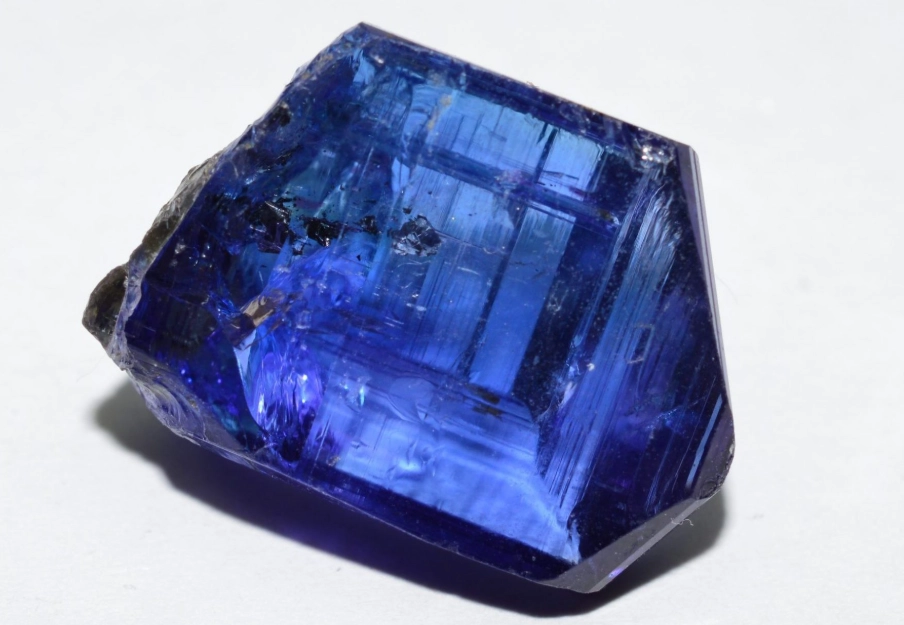
It's a compromise. With a hardness of 6.5-7, it's softer than sapphire (9) or diamond (10). It can work if you choose a protective setting (like a bezel), are mindful with your hands, and accept it might need occasional repolishing. For someone with an active lifestyle, a sapphire might be a more practical, though different-colored, choice.
Get educated on the price ranges for different qualities (use the table above as a starting point). Shop around. Compare the color intensity of stones at different price points. A reputable seller should be able to explain why their stone is priced as it is, referencing color, clarity, and cut. If they only talk about "rarity" and "investment" without detailing the gem's specific qualities, be cautious.
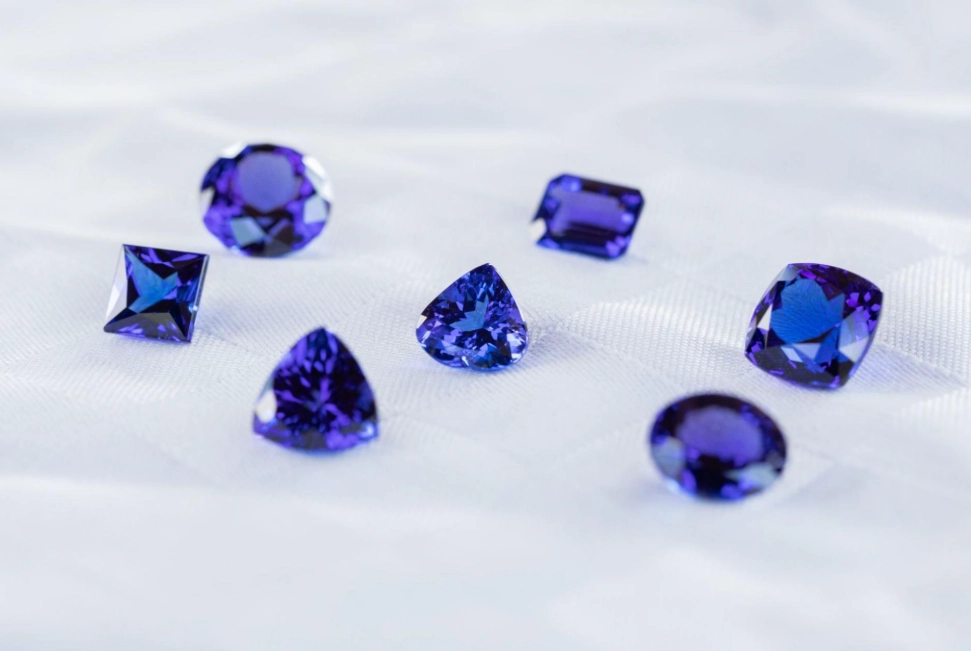 So, is tanzanite actually valuable? Absolutely. Its value is rooted in a verifiable, profound geological rarity and a captivating beauty that few other gems can match. But that value is nuanced. It peaks in stones with top-tier color and craftsmanship and diminishes in common, low-quality material.
The real takeaway isn't just a yes or no. It's empowerment. You now know that tanzanite's value isn't a mystery dictated by a salesperson. It's a combination of origin story, visual appeal, and market dynamics that you can assess. Buy with your eyes open, prioritize the gem's inherent beauty, and you'll own a piece of the Earth's finite magic that holds meaning—and very likely, lasting worth.