If you've spent any time browsing jewelry forums or talking to gem dealers, you've probably stumbled upon a persistent piece of gossip: "tanzanite is banned." It's one of those stories that gets passed around with enough conviction to make even seasoned buyers pause. I remember a client a few years back who was almost in tears, convinced the stunning tanzanite pendant she'd inherited was now contraband. Let's cut through the noise right now. The short, direct answer is no, tanzanite is not globally banned. You can legally buy and sell it. But the rumor didn't sprout from nothing. It's a dramatic oversimplification of some very real export controls, mining restrictions, and ethical sourcing challenges that surround this breathtakingly rare blue-violet gemstone found only in one small area of Tanzania.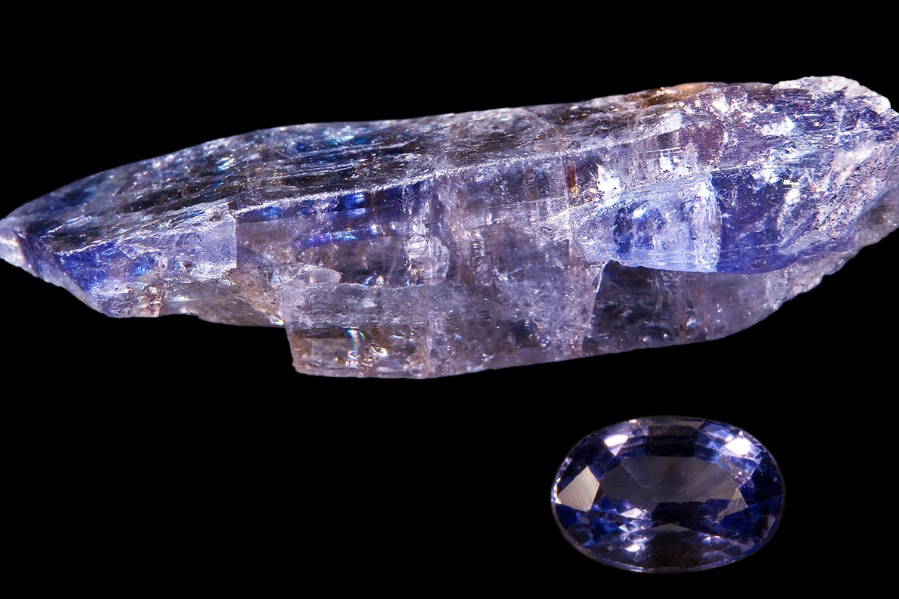
What You'll Find Inside
Where the "Tanzanite Ban" Myth Actually Started
The idea of a ban usually traces back to two specific events, both of which got mangled in translation as they traveled through the gem trade grapevine.
First, in 2010, the Tanzanian government made a significant move. They announced that all rough (uncut) tanzanite weighing more than one gram had to be sold through a newly established centralized marketplace, the Tanzanite Experience Center in Arusha. The goal was to increase transparency, capture more value within the country, and curb smuggling. For international buyers and cutters who were used to sourcing rough directly from miners or local brokers, this felt like a sudden "shut-off." News headlines screamed about a "ban on exports," but it was really a channeling of exports through an official pipeline.
Second, there have been periodic, temporary closures of the Merelani mining area (the only source of tanzanite in the world) for safety reviews, license disputes, or government audits. One notable closure happened in 2017. When the mines shut, even for a few weeks, the supply chain panics. Whispers of a "ban" start circulating as a way to explain the sudden scarcity and price spikes. It's a classic case of conflating a temporary suspension with a permanent prohibition.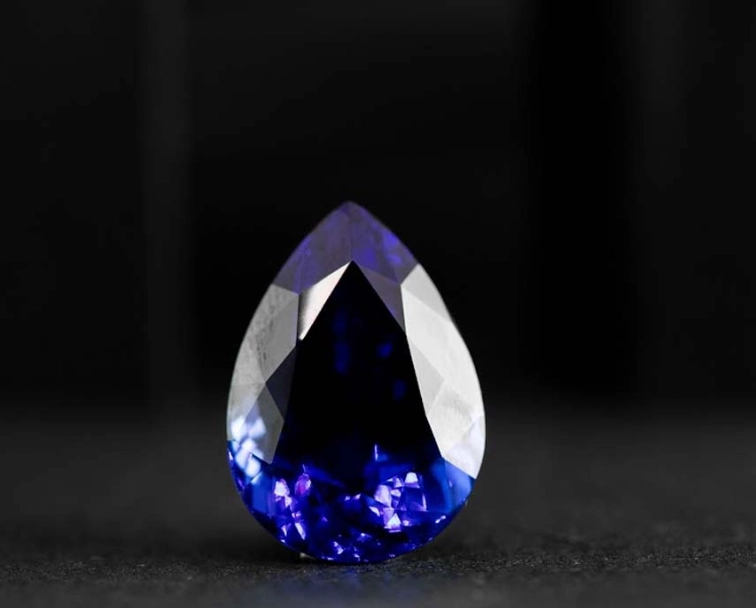
The Real Restrictions: Export Rules and Mining Laws
So, if it's not banned, what's the real situation? Think regulated, not prohibited. The Tanzanian government, understandably, wants to maintain control over its finite, non-renewable national treasure. The rules are primarily about how tanzanite leaves the country, not if it leaves.
Key Government Regulations You Should Know
The framework is managed by the Tanzanian Ministry of Minerals. Their policies focus on two main areas:
Export of Rough Tanzanite: The one-gram rule for rough stones is still broadly in effect. Significant rough must be sold through licensed channels in Tanzania. This means the cutting and initial value addition are increasingly happening locally. As an end consumer, you'll almost never buy rough tanzanite; you're buying a faceted gem. That faceted gem, once it's a finished piece of jewelry, moves freely.
Mining and Trading Licenses: The mining area is divided into blocks (A, B, C, D). Large companies like TanzaniteOne (now The Tanzanite Foundation) operate in some, while smaller, artisanal miners work others. The government has periodically sought to formalize and consolidate this sector, sometimes revoking or not renewing licenses, which again disrupts supply and fuels the "ban" talk.
A major development was the 2017 government takeover of trading centers and the 2020 decision to designate tanzanite as a "strategic mineral." This didn't ban it, but it increased state oversight and the requirement for larger mining operations to list on the Dar es Salaam Stock Exchange. You can find official communiques on these policies through the Tanzanian Ministry of Minerals website.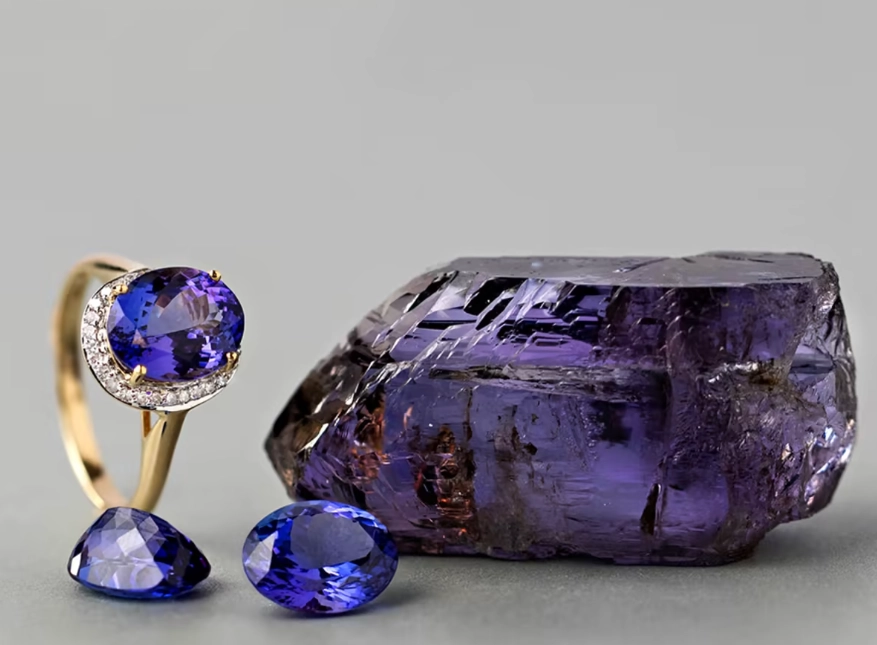
| Common Myth (The "Ban" Story) | The Reality (Regulations & Context) |
|---|---|
| Tanzanite is illegal to buy or sell internationally. | False. Faceted tanzanite and finished jewelry are traded globally. Regulations focus on the export of rough material from Tanzania. |
| The mines are permanently closed. | False. Mining is active, though subject to temporary closures for safety, licensing, or government intervention. |
| You cannot get new tanzanite anymore. | False. New stones enter the market regularly. However, the finite nature of the deposit (estimated 30-50 years of supply at current rates) creates genuine long-term scarcity. |
| All tanzanite is conflict-free. | Complicated. While not a "conflict gem" like some diamonds, the mining sector has faced challenges with smuggling, informal mining, and ensuring fair wages. Ethical sourcing is a key concern. |
How to Buy Tanzanite Ethically and Legally Today
Knowing the truth lets you shop smartly. The goal isn't to avoid tanzanite; it's to buy it responsibly from reputable sources. Here’s what I advise clients to look for, based on two decades in the trade.
The Single Most Important Question to Ask Your Seller: "Can you provide documentation that shows the provenance and ethical sourcing of this stone?" A reputable dealer should have a paper trail, not just a pretty story.
Reputable Dealer Hallmarks: Look for sellers who are members of industry bodies like the American Gem Trade Association (AGTA) or the International Colored Gemstone Association (ICA). These organizations have ethical codes. A good dealer will openly discuss the origins of their stones and the challenges in the tanzanite supply chain, rather than just pushing the "banned and rare" hype.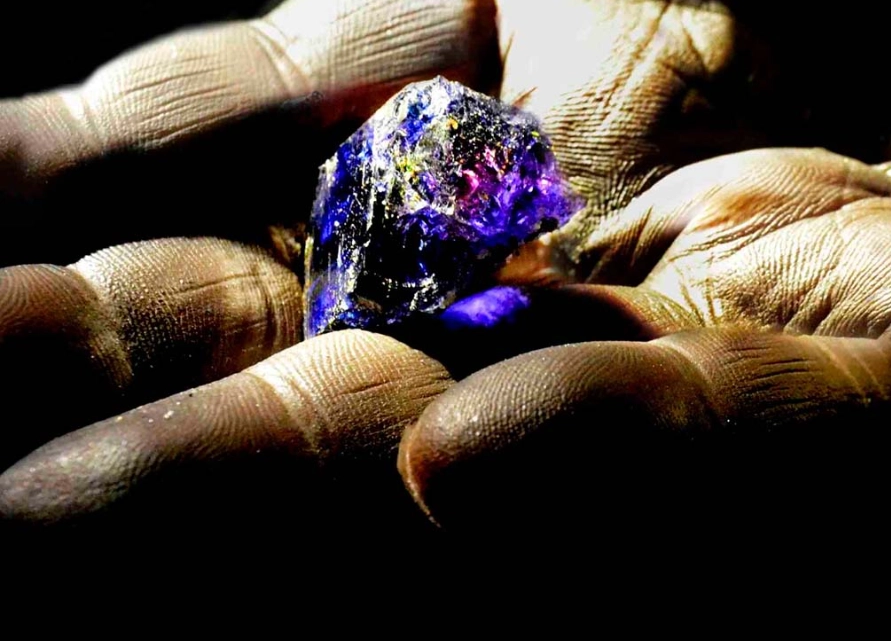
Understanding the Paperwork: When you buy a significant tanzanite, you should receive a gemological certificate from a major lab (GIA, AGL, Gubelin, SSEF). This certifies its identity and often includes origin. You might also get a Kimberley Process-like certificate from Tanzanian authorities for larger rough parcels, though this is less common for end consumers. The dealer's invoice should clearly state the item is "Tanzanite" and its carat weight.
Red Flags to Avoid: Be wary of sellers whose main pitch is "buy it now before it's gone forever due to the ban!" It's a pressure tactic. Extremely low prices for high-quality material are another warning sign—it may indicate synthetic spinel (a common imitation) or a stone with undisclosed treatments or dubious origins.
I once turned down a large parcel of unusually cheap, fine-color rough tanzanite. The seller's paperwork was vague. Months later, news broke about a major smuggling ring being busted in that very region. Trust your gut and the paperwork, not just the price.
Your Top Tanzanite Questions Answered
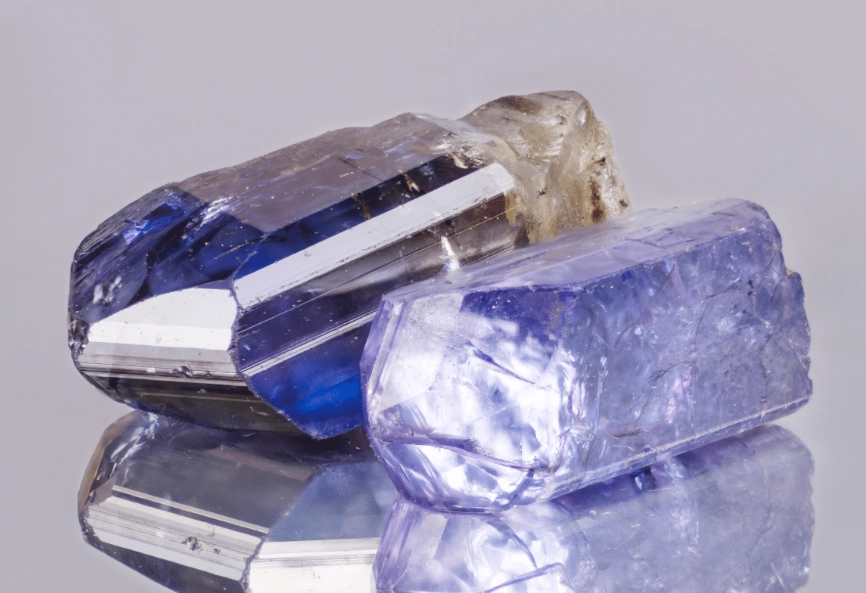 Is heat-treated tanzanite considered "fake" or less valuable?
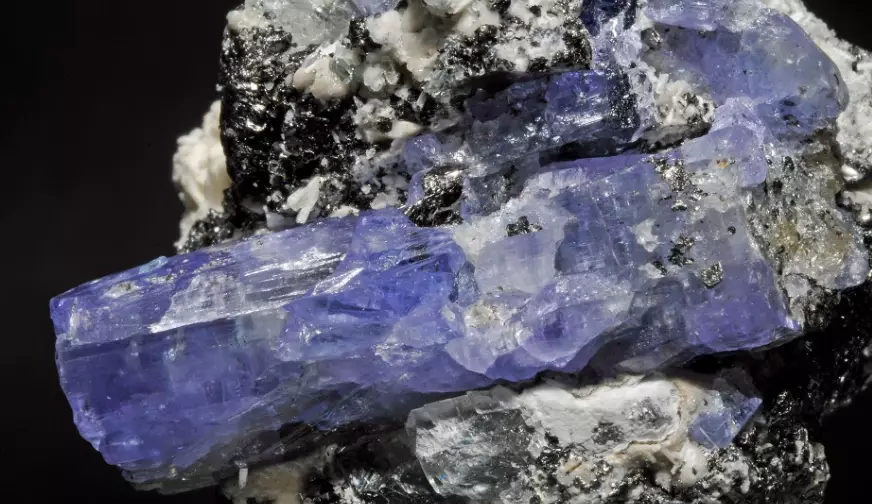 The story of tanzanite is a lesson in gemology, geopolitics, and gossip. The "ban" is a myth, but the regulations and ethical considerations are very real. By understanding the difference, you can appreciate this extraordinary gem not as a forbidden fruit, but as a remarkable natural resource that requires informed and responsible stewardship—from the mines of Merelani to the jewelry store display. Your purchase should celebrate its beauty and support its sustainable future.