Let's cut through the hype. You've probably heard the claim: "Tanzanite is a thousand times rarer than diamond." Jewelry salespeople love that line. But what does "rare" actually mean when you're talking about gemstones? Is it just about how much is left in the ground, or does it involve markets, marketing, and perception? The short answer is yes, tanzanite is geologically rarer. But that simple fact doesn't tell you whether it's a better buy, a smarter investment, or the right stone for your ring. The long answer, which is what you're here for, is a lot more interesting and practical.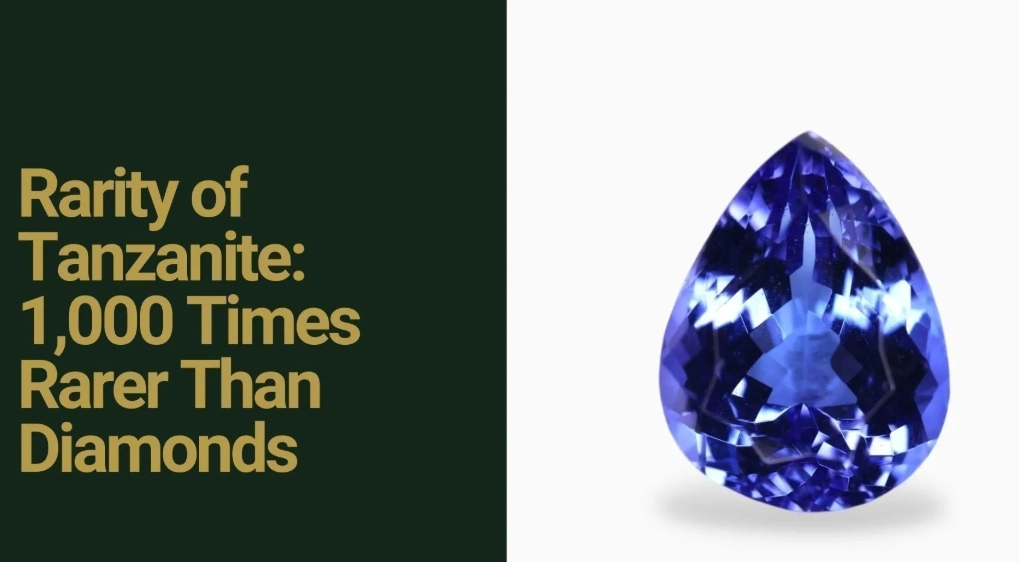
What's Inside?
What Does "Rare" Even Mean for Gems?
We need to define our terms. In the gem world, "rarity" isn't one thing. It's at least three separate concepts that get mashed together, often to confuse buyers.
Geological Rarity: This is the pure, scientific measure. How many viable deposits exist on Earth? How difficult are they to find and mine? It's about what's physically in the crust. This is where tanzanite has a legendary, almost unbeatable story.
Market Rarity (or Availability): This is what you see in stores and online. How many carats are actually for sale? This is controlled by mining output, stockpiling, and corporate strategy. Here's where diamonds have historically played a masterful game, creating a perception of scarcity that doesn't fully match the geological reality.
Perceived Rarity / Desirability: This is the cultural and marketing engine. Diamonds have a 100-year head start with "A Diamond Is Forever." Tanzanite's story is newer, tied to its discovery in 1967 and its vivid color. This perception drives demand as much as any mining report.
Most comparisons only talk about the first one. That's a mistake. To make a real decision, you have to juggle all three.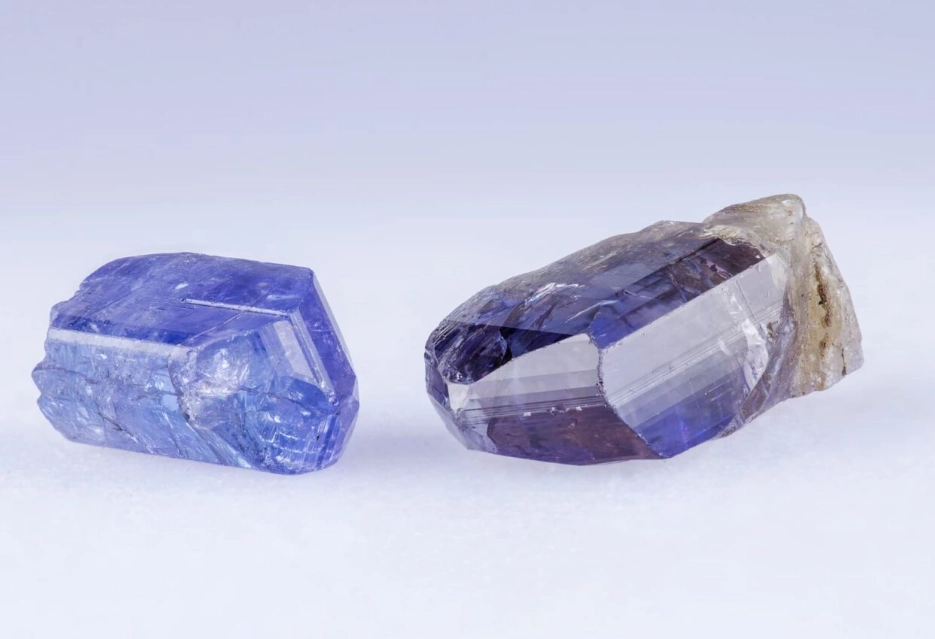
The Geological Fact: Tanzanite's Single Source
Here's the undeniable truth that gives the "thousand times rarer" claim its backbone. Tanzanite is found in one place on Earth: a few square miles in the Merelani Hills of northern Tanzania, near Mount Kilimanjaro. According to the Gemological Institute of America (GIA), it's a type of zoisite colored by vanadium, and the geological conditions needed to create it are extraordinarily specific. Geologists call it a "geological phenomenon."
The mines are finite. Once the commercial-grade material is gone, that's it. No new deposits have been found anywhere else despite decades of searching. This gives tanzanite a built-in expiration date as a mineable gem. Estimates on how long the mines will last vary, but many in the industry talk in terms of decades, not centuries.
Diamonds, in stark contrast, are mined on multiple continents: Africa, Russia, Canada, Australia. Major deposits are still being discovered and developed. While finding a high-quality, large gem diamond is incredibly difficult, the raw material itself is more widely distributed. Kimberlite pipes, the primary source, are rare, but not singular like tanzanite's home.
Key Insight: The single-source argument is powerful, but it has a flip side. It creates massive supply chain risk. Political instability, mining license disputes, or export bans in Tanzania can and have caused wild price swings and shortages overnight. A globally distributed source, like diamonds have, buffers against that.
Market Rarity: The Diamond Illusion
Now let's talk about the store shelf. Walk into any major jewelry retailer. You'll see a large, consistent selection of diamonds in all sizes and qualities. You'll see a much smaller, often inconsistent selection of tanzanite, especially in larger, fine qualities.
This is where history matters. For most of the 20th century, a single company, De Beers, controlled a vast majority of the world's diamond supply through its Central Selling Organization. They didn't just mine diamonds; they carefully regulated how many hit the market each year. They created the illusion of scarcity to maintain high prices. This artificial control has loosened, but the market structure and mindset remain. Diamond supply is managed.
Tanzanite has never had that kind of centralized control. Its market is more fragmented, with many small-scale miners and dealers. This can mean more volatile prices and availability. A sudden find of good material can flood the market and temporarily depress prices. A dry spell can cause them to spike.
So, while there may be more diamond rough in the world, the market availability of investment-grade stones of both gems is tightly managed, just in different ways. You're not buying from the mine; you're buying from a market that has been carefully shaped.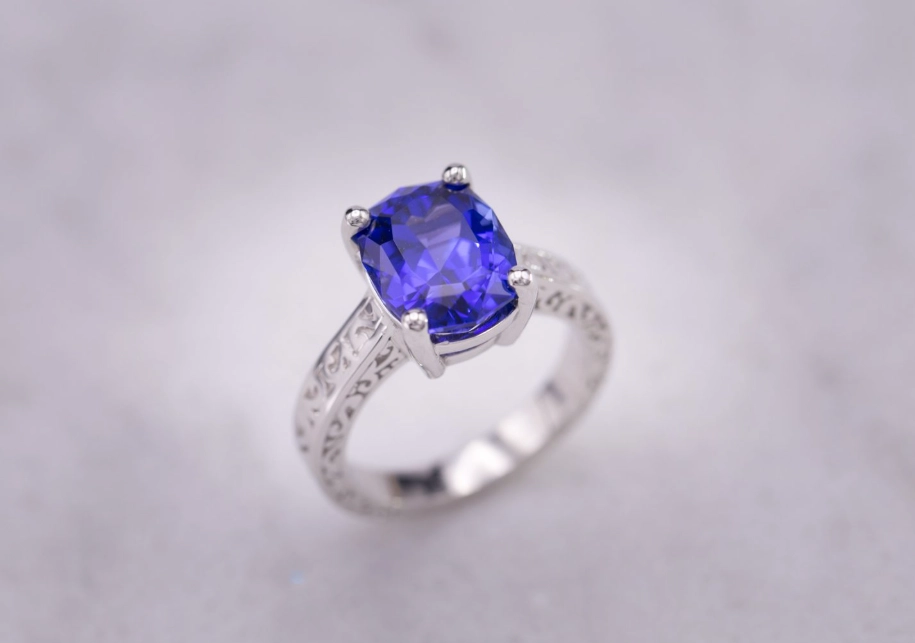
How Rarity Actually Affects Price & Value
Rarity alone doesn't set price. Desire does. And desire is fueled by durability, tradition, and marketing. Here’s a breakdown of what really drives cost.
| Factor | Tanzanite | Diamond |
|---|---|---|
| Primary Price Driver | Color (saturation & hue). Vivid, pure blue-violet with red flashes commands the highest premium. | The 4 Cs (Cut, Color, Clarity, Carat). Cut quality is paramount for brilliance. |
| Typical Per-Carat Price Range (Good Quality) | $300 - $800 per carat (can exceed $1500+ for exceptional top color). | $3,000 - $20,000+ per carat for a 1ct white gem-quality stone. Varies enormously. |
| Value Retention / Liquidity | More volatile. High on sentiment and rarity story, lower on immediate resale market breadth. | Generally strong, especially for certified stones. Has a global, established resale market. |
| Investment Mindset | Often bought as a "disappearing treasure" or emotional investment. Speculative. | Bought as a "store of value" and status symbol. More traditional. |
The big takeaway? A fine 5-carat tanzanite might cost less than a mediocre 1-carat diamond. But if you're comparing top-tier examples of both, the diamond's price per carat will be exponentially higher. Diamond has a price floor built by decades of marketing; tanzanite's floor is its geology.
Buying Advice: Which Stone Is Right For You?
Stop thinking about which is "rarer." Start thinking about your life. Here’s how to choose.
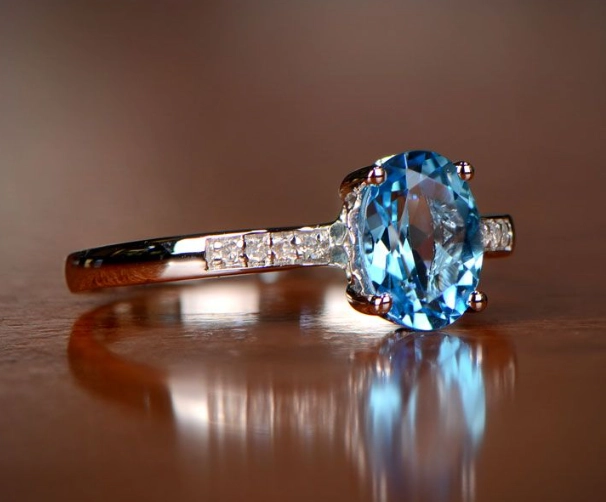
Choose Tanzanite if: Unique color is your top priority. You want a statement piece that isn't what everyone else has. You're moved by the story of a single, finite source. Your budget is more flexible for size—you can get a larger, more impressive stone for your money. The piece won't be subjected to daily, rough wear (think earrings or pendants rather than an everyday ring).
Choose Diamond if: You need a stone for daily wear, especially in a ring. Tradition and resale value confidence are important to you. You prioritize brilliance and "fire" over color. You're looking for an heirloom piece with a well-understood, stable value proposition.
I've seen clients buy a stunning tanzanite ring for a right-hand statement piece, while their engagement ring is a diamond. That makes perfect sense. It's not an either/or.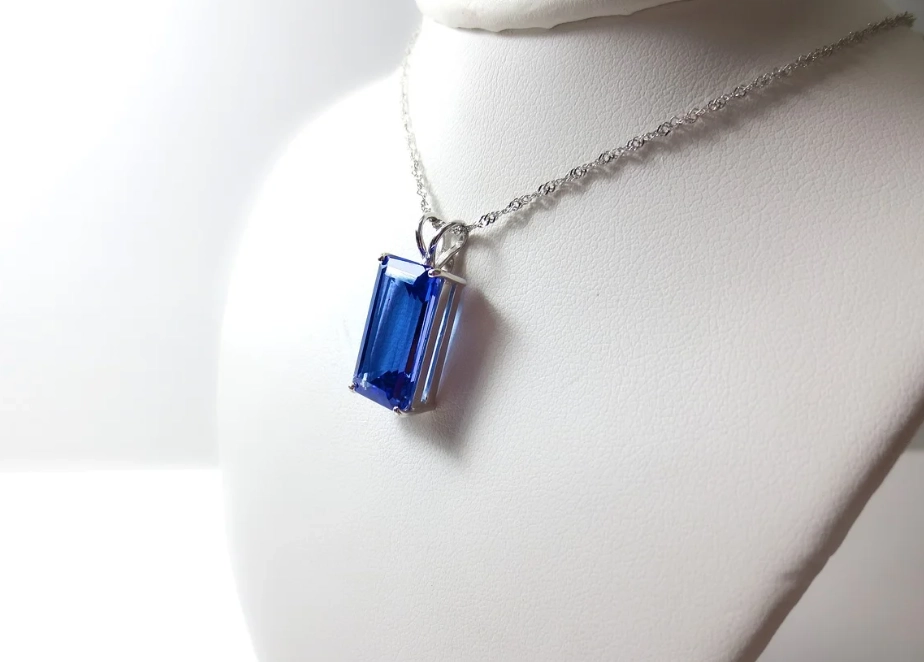
The Color Treatment Almost Everyone Misses
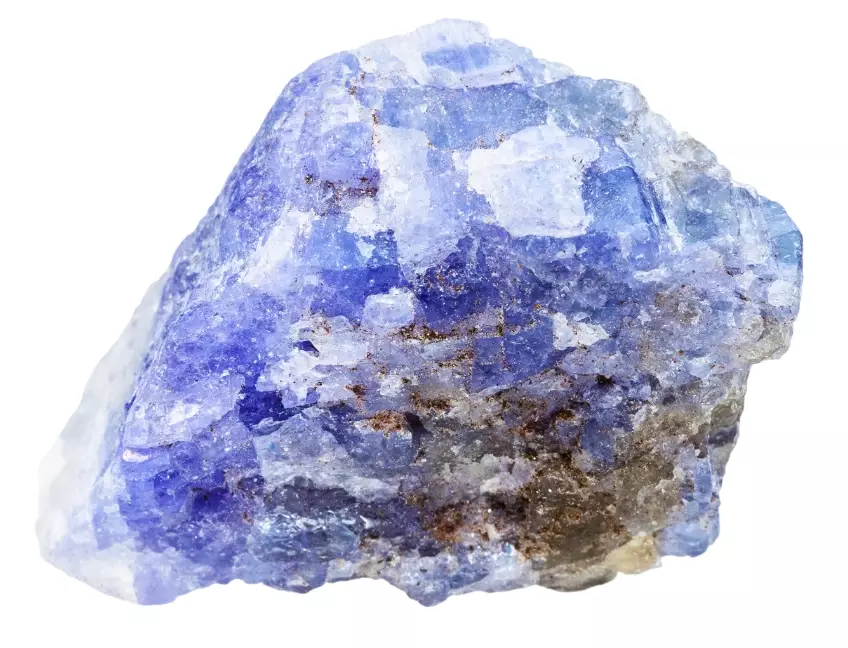
Here's a critical, often glossed-over fact: Over 95% of tanzanite on the market is heat-treated. The rough stone is usually a muddy brownish color. Careful heating at relatively low temperatures brings out the stunning blue and violet. The GIA considers this a stable and accepted practice—it doesn't lower value if disclosed. But if a seller is pitching "all-natural, untreated color" at a standard price, be very skeptical. For diamonds, treatments like fracture filling or HPHT for color alteration are less common and must be disclosed, as they significantly impact value.
The Care & Durability Reality Check
This is the practical kicker. Rarity is cool until your rare stone chips.
Tanzanite has a Mohs hardness of 6.5 to 7. Diamond is a 10. In everyday terms, tanzanite is more susceptible to scratches and chips from accidental knocks. You can't wear it gardening, at the gym, or while doing dishes without serious risk. It also has perfect cleavage, meaning it can split along a specific plane if struck at the wrong angle.
A diamond can handle daily life. That durability is a huge, often understated part of its value and cultural dominance. You buy a diamond ring to wear it every day, forever. You buy a tanzanite ring to wear it carefully and admire it.
My advice? Insure any significant piece of tanzanite jewelry. And consider protective settings like bezels for rings.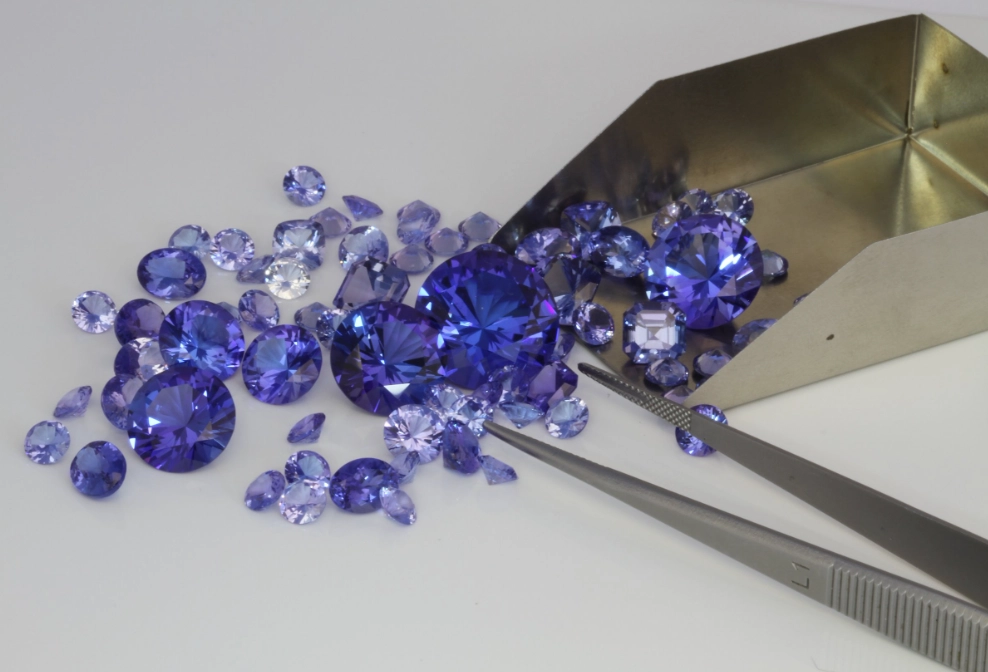
Your Questions, Answered
 I see huge price differences for tanzanite online. How do I know I'm getting a good, genuine stone?
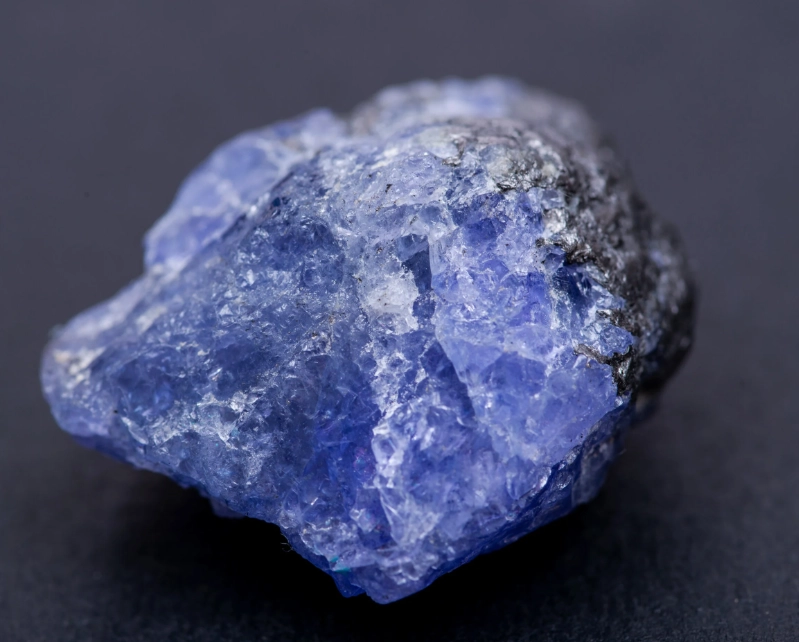 So, is tanzanite rarer than a diamond? Geologically, unquestionably. In a pure, earth-science sense, it wins. But that medal doesn't spend. In the real world where gems become jewelry, the picture is nuanced. Diamond's constructed market rarity and unparalleled durability have made it the default. Tanzanite's true rarity and mesmerizing color make it a precious, but more fragile, treasure.
Your decision shouldn't be about which gem wins a rarity contest. It should be about which stone's unique blend of beauty, story, practicality, and cost fits the life you're going to live while wearing it. Sometimes, the rarest thing is the perfect match for you.