You've seen its mesmerizing blue-violet hue, heard whispers of its rarity, and maybe even wondered if the hype is real. Let's cut straight to the point: tanzanite is special, but not for just one simple reason. Its story is a combination of geology, geography, and pure chance that will probably never repeat itself. I've been around gemstones for over a decade, and I still get a thrill holding a fine piece of tanzanite. It feels like holding a piece of Earth's secret history. Most articles will list its single-source origin and move on, but that barely scratches the surface. The real reasons are more nuanced, and some common beliefs about tanzanite are flat-out wrong.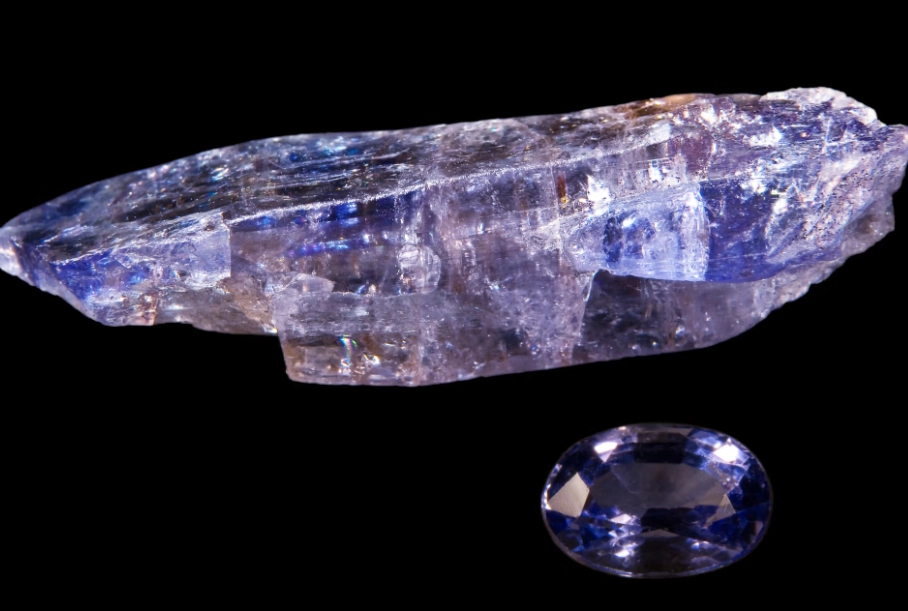
What You'll Discover in This Guide
1. It's a Geological Lottery Win (And It's Running Out)
Everyone says tanzanite is rare. That's true, but it's an understatement. It's geographically extinct before it's even been fully mined.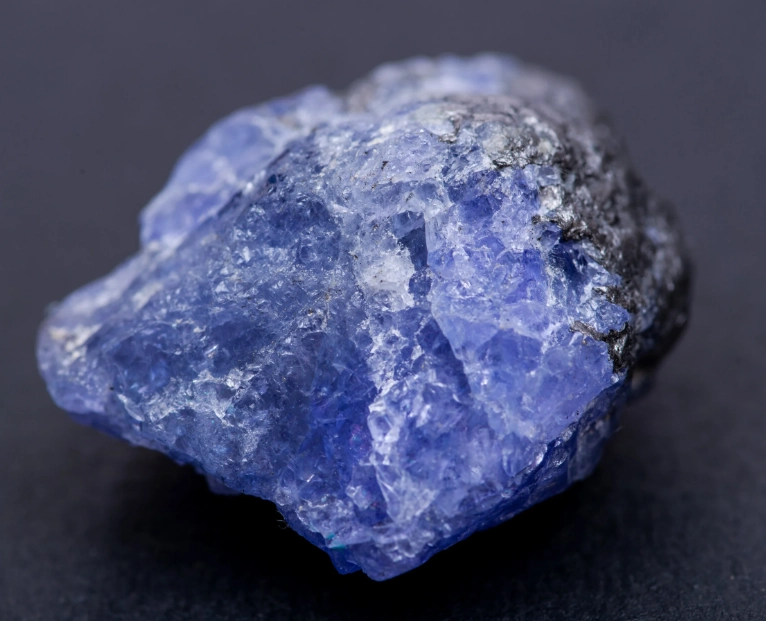
Tanzanite is a blue-violet variety of the mineral zoisite. For it to form, a very specific cocktail of elements—vanadium, chromium, and sometimes beryllium—had to be present under immense heat and pressure. This event happened only once, about 585 million years ago, in a tiny, 8-square-mile area near Mount Kilimanjaro in Tanzania. That's it. No other deposit has ever been found, despite decades of searching worldwide.
The mining is mostly artisanal. Think deep, narrow pits dug by hand. It's dangerous work. I've spoken to miners who describe the "gem rush" feeling—the hope of finding that one pocket that changes everything. The Tanzanian government estimates the economically viable mines could be depleted within the next 20-30 years. When people say "limited supply," they mean it literally. Once it's gone from the ground, that's the end of new tanzanite.
2. The Color is a Light Trick You Can't Ignore
This is where tanzanite gets really interesting. Its signature color isn't static; it's a performance.
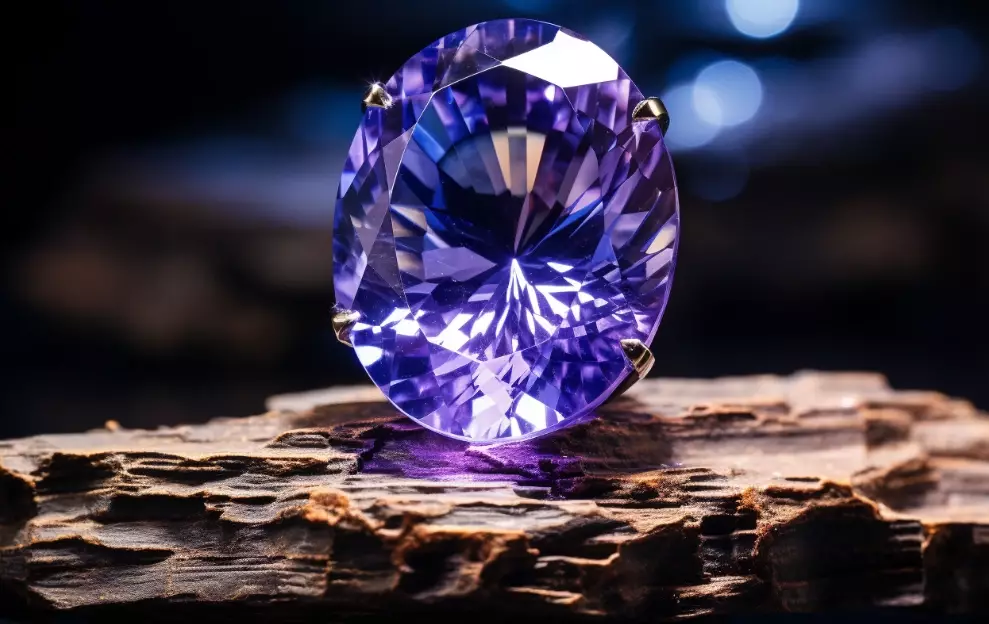
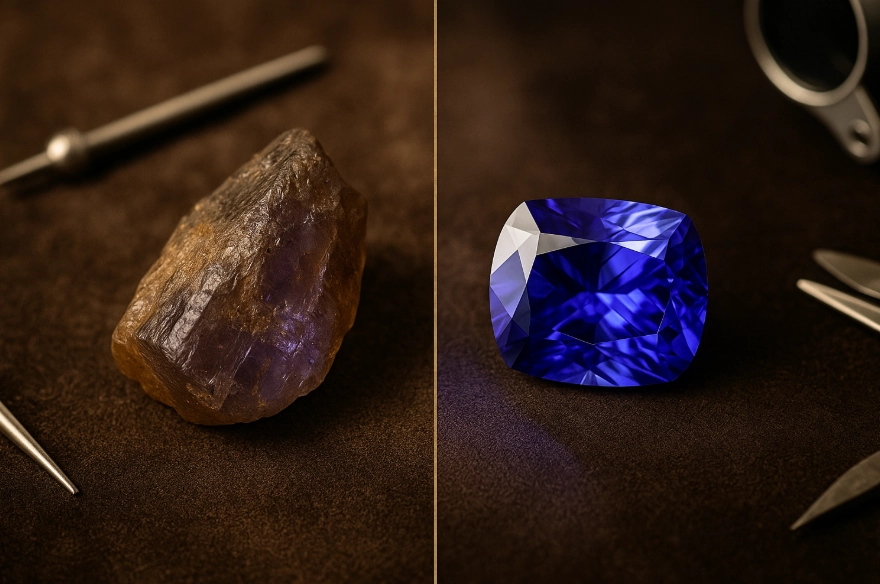
Raw tanzanite is typically a brownish color. The vibrant blues and violets are unlocked through controlled heat treatment, a standard and accepted practice that's been used since its discovery. But the magic is in its pleochroism.
Hold a tanzanite crystal and rotate it under light. You'll see three different colors from three different angles: deep blue, vibrant violet, and often a burgundy-red. This isn't a flaw; it's the gem's fingerprint. A master cutter's main job is to orient the stone to showcase the most desirable blue or violet face-up, sacrificing the other colors. If you ever see a tanzanite that shows a flash of red from the top, the cutter prioritized weight over optimal color—a common compromise with larger stones.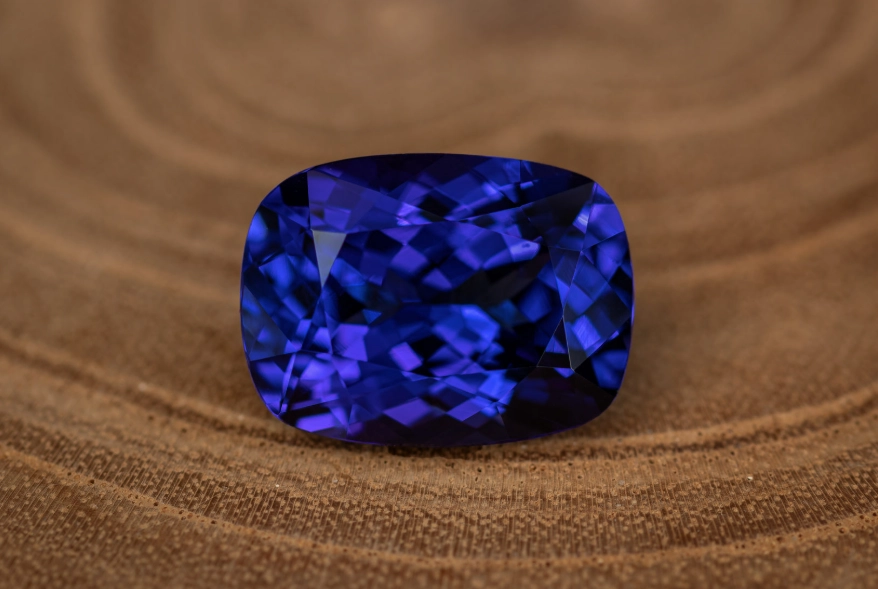
How Tanzanite Stacks Up Against Other Blue Gems
| Gemstone | Typical Color Range | Key Differentiator | Price Point (for good quality) |
|---|---|---|---|
| Tanzanite | Violetish-Blue to Bluish-Violet | Strong pleochroism, single source. | $$$ (High, but varies widely with size/color) |
| Sapphire | Royal Blue to Cornflower Blue | Extreme hardness (9 on Mohs), many sources. | $$$$ (Often higher) |
| Topaz (Blue) | Sky Blue to Swiss Blue | Usually treated for color, very affordable. | $ (Low) |
| Iolite | Violet-Blue to Grayish-Blue | Often more gray, less saturated. | $ (Low) |
That violet undertone is what sets it apart from a pure blue sapphire. In certain lights, it has a warmth and depth that a cooler sapphire can lack.
3. A Shockingly Modern Discovery in an Ancient Land
Unlike diamonds or pearls, tanzanite has no ancient mythology. Its story is modern and tangible.
It was discovered in 1967 by a Masai tribesman, Ali Juuyawatu, who noticed some sparkling blue crystals in the Merelani Hills. The story goes that he alerted a local prospector named Manuel d'Souza. Tiffany & Co. saw its potential, named it "tanzanite" after its country of origin (a brilliant marketing move), and introduced it to the world. Think about that—your grandmother might have been alive when this gemstone first hit the market.
This recency is a double-edged sword. It lacks the centuries-old lore of other gems, which some collectors see as a downside. But I see it as a plus. Its story isn't shrouded in myth; it's a documented, 20th-century adventure. You can almost trace the journey of a stone from a specific pit in Tanzania to a jewelry store. That traceability is becoming increasingly valuable to consumers.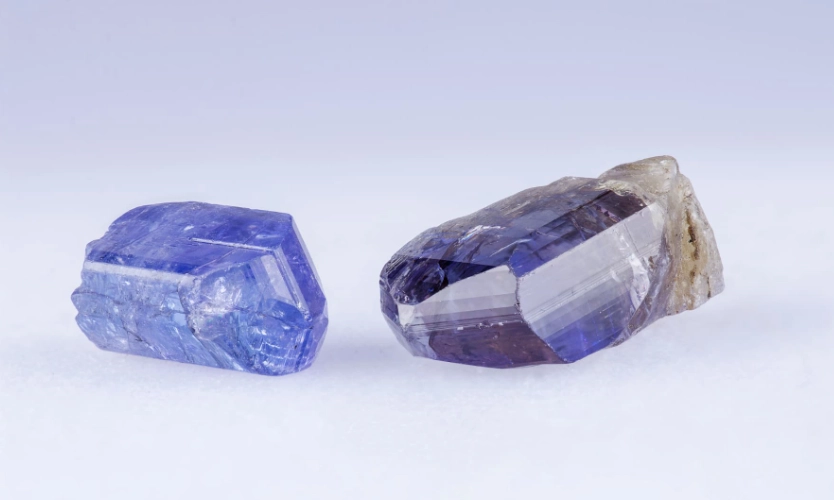
4. The Investment Case: Speculation vs. Reality
"Buy it as an investment because it's running out!" This is the sales pitch. The reality is more complicated.
The potential is real, but conditional. High-quality, larger stones (over 5 carats) with top color (a saturated, vivid blue-violet) and excellent cut have shown significant price appreciation. These are the ones that make headlines at auctions.
However, the market for small, commercial-grade tanzanite is flooded. A 1-carat stone with a pale color and visible inclusions isn't a great investment, no matter how rare the species is. It's like art: a rare masterpiece by a famous artist appreciates; a mass-produced print does not.
If you're buying for potential value, treat it like you would a stock. Do your research. Prioritize the top 10% of gems in terms of color, clarity, and cut. Get a proper lab report from a reputable lab like the Gemological Institute of America (GIA). And be prepared to hold it for the long term.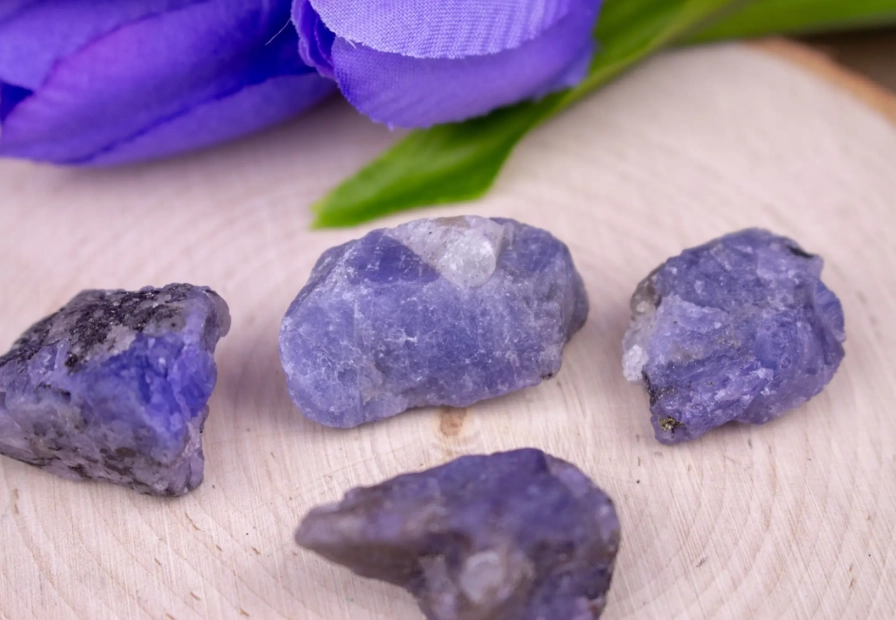
5. How to Identify and Care for Your Tanzanite
Here's a critical, often glossed-over fact: tanzanite is relatively soft. It scores a 6.5 to 7 on the Mohs hardness scale. For context, quartz (in dust) is a 7. This means it can be scratched by daily wear and tear.
Care is non-negotiable:
Don't wear it in a ring for daily manual work. A pendant or earrings are safer choices.
Never clean it with ultrasonic or steam cleaners. The heat treatment can be destabilized by sudden high temperatures. Use warm, soapy water and a soft brush.
Store it separately from harder gems like diamonds and sapphires.
Identifying real tanzanite relies on those properties we discussed. The strong pleochroism (color change when tilted) is a dead giveaway. A reputable jeweler or a GIA report is your best bet for confirmation. Be wary of "cheap tanzanite" online—it could be synthetic forsterite, colored glass, or iolite.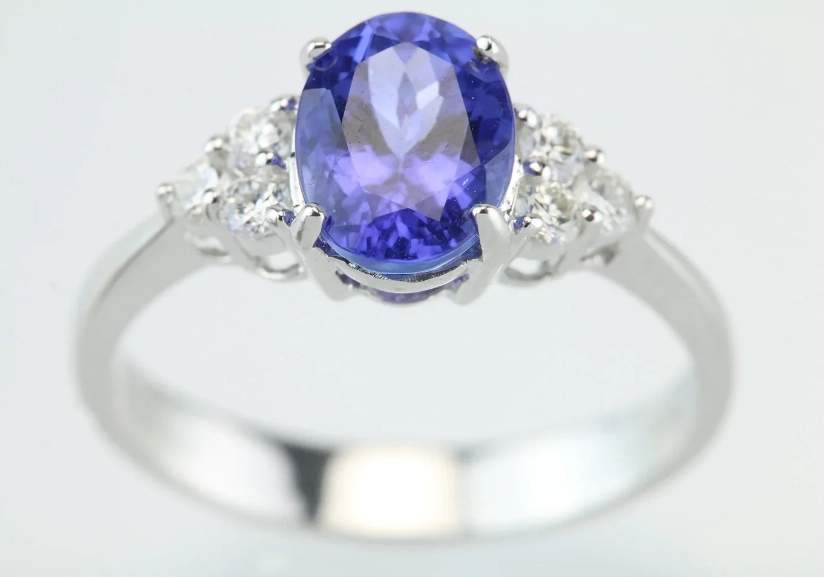
Your Top Tanzanite Questions, Answered
 Can I visit the tanzanite mines in Tanzania?
So, why is tanzanite so special? It's the perfect storm of absolute geological rarity, a dynamic and beautiful color phenomenon, a compelling modern origin story, and a tangible sense of urgency. It's a gem that makes you feel connected to a very specific place and moment in Earth's history. Just remember to buy with your eyes open, prioritize quality, and treat it with the care it deserves.