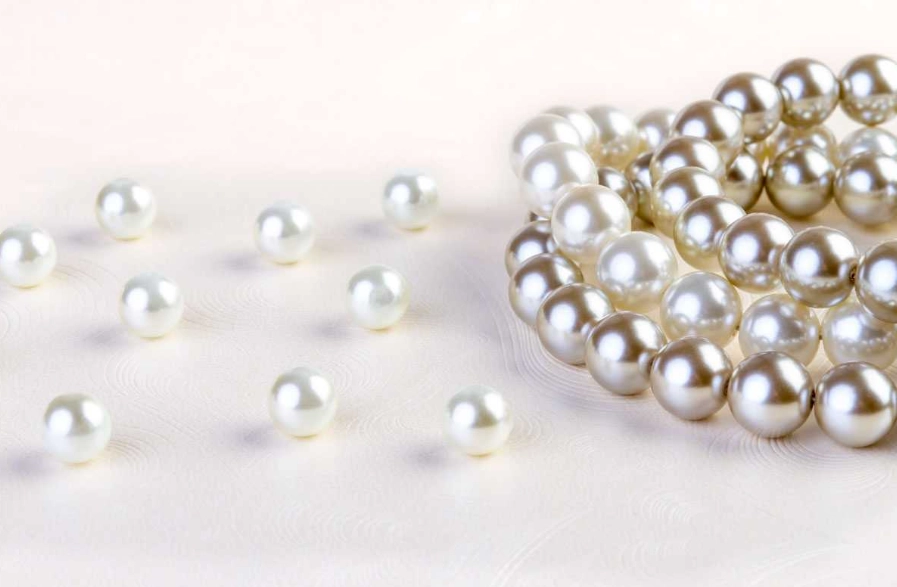
Let's cut straight to the point: a pearl stone isn't a stone at all. It's the only gemstone formed by a living creature, and that changes everything about how you should judge, buy, and value it. Forget the dusty image of a simple white bead on your grandmother's necklace. The world of pearls is vast, nuanced, and full of stunning variety—from the classic elegance of Japanese Akoya to the bold, dark mystery of Tahitian black pearls. But here's the problem most guides don't tackle: the market is flooded with misleading terms and overpriced, low-quality pearls that look great in a photo but disappoint in person. I've seen too many buyers fixate on size or perfect roundness, only to end up with a lifeless, chalky pearl that loses its charm in months. This guide is different. We're going past the generic facts. We'll look at what truly gives a pearl its soul (hint: it's not being perfectly round), how to spot the subtle differences that separate a good pearl from a great one, and the practical, often-overlooked steps to ensure you're getting genuine value, not just a shiny trinket.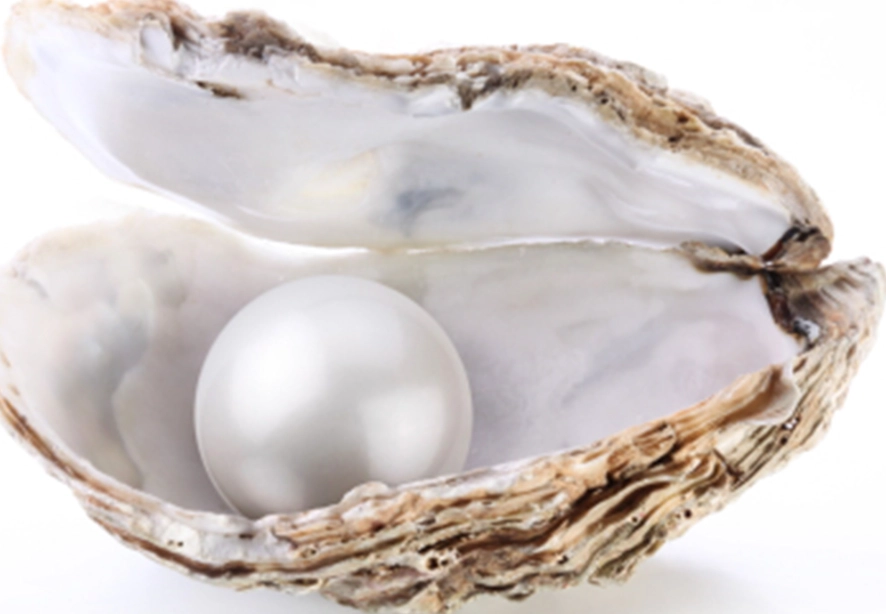
What's Inside This Pearl Stone Guide?
What Exactly is a Pearl Stone?
At its core, a pearl is a natural defense mechanism. When an irritant—like a piece of shell, a parasite, or even a bit of tissue—gets inside a mollusk's shell, the animal coats it with layers of a crystalline substance called nacre (pronounced NAY-ker). Think of nacre as the mollusk's version of wallpaper, applied in thousands of microscopic, brick-like layers. This nacre is primarily made of aragonite (a form of calcium carbonate) and conchiolin (a protein), which together create that signature iridescent glow, or orient.
The big shift in the last century is that most pearls today are cultured. This doesn't mean fake. It means humans carefully insert a small bead (usually made of mother-of-pearl) and a piece of mantle tissue into the mollusk, then return it to the water to do its natural work for 18 months to several years. The pearl that forms is 100% real nacre. The key difference from a natural pearl is the starter bead at the center. According to the Gemological Institute of America (GIA), the industry standard-setter, this cultivation process has made beautiful pearls accessible while maintaining their organic essence.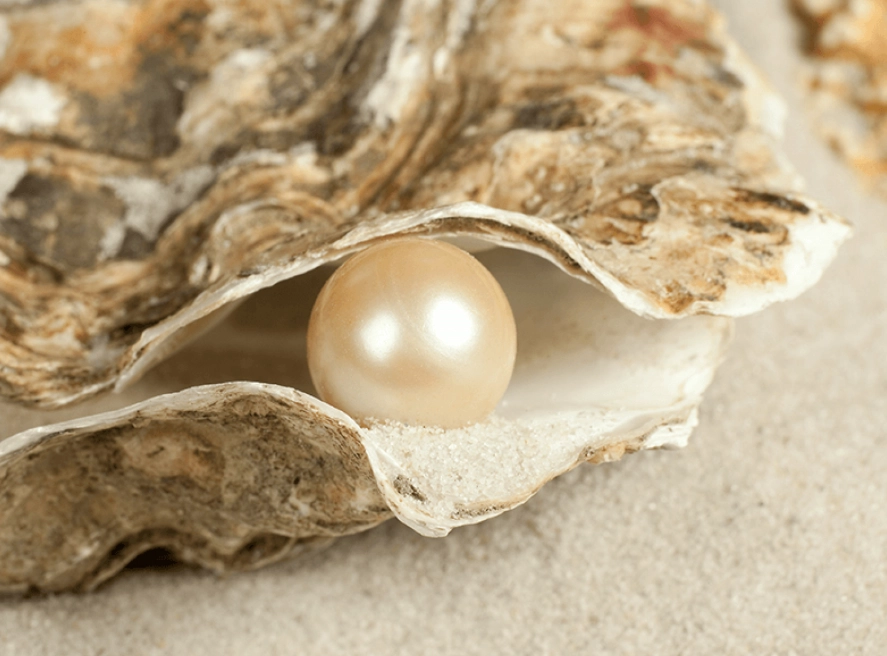
The Four Main Types of Cultured Pearls
Not all pearls are created equal. The type of mollusk, the water, and the farming location create distinct families. Knowing these is your first step to making an informed choice.
| Pearl Type | Mollusk & Origin | Key Characteristics | Typical Size Range | Price Point & Vibe |
|---|---|---|---|---|
| Akoya Pearl | Pinctada fucata martensii. Primarily Japan, China. | The classic. Highest, mirror-like luster. Almost always perfectly round. Colors: white, cream, with rosé or silver overtones. | 2.0mm – 11.0mm | Mid to high. Timeless, elegant, formal. |
| Freshwater Pearl | Freshwater mussels (Hyriopsis cumingii). Mostly China. | Incredible variety in shape (baroque, potato, near-round). Softer luster than Akoya. Wide color range: white, peach, lavender, even metallic hues. Solid nacre (no bead center). | 2.0mm – 15.0mm+ | Low to mid. Versatile, creative, great value. |
| South Sea Pearl | Pinctada maxima (Gold or Silver-lipped). Australia, Philippines, Indonesia. | Large, luxurious. Satiny, soft luster. Natural colors: white, silver, golden. Thickest nacre of all saltwater pearls. | 8.0mm – 20.0mm+ | Very high. Luxurious, statement-making, heirloom. |
| Tahitian Pearl | Pinctada margaritifera (Black-lipped). French Polynesia, Cook Islands. | Naturally dark body colors (charcoal, green, peacock, eggplant). Metallic, vibrant overtones. Often baroque shapes. Not all are "black." | 8.0mm – 18.0mm | High. Exotic, bold, artistic. |
I find people often sleep on freshwater pearls. Because they're more affordable, there's an assumption they're inferior. That's outdated. Modern Chinese freshwater pearl farms produce stunning, near-round pearls with excellent luster that can rival mid-grade Akoyas. For someone wanting a larger pearl on a budget, a high-quality freshwater pearl is a brilliant choice.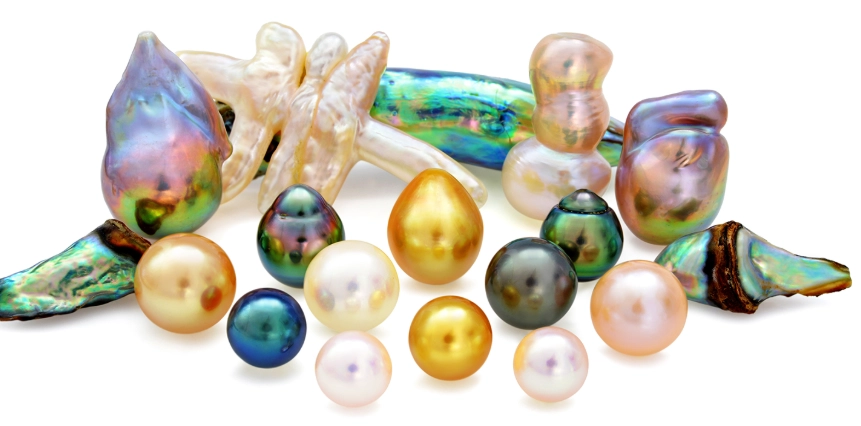
How to Determine the Value of a Pearl?
Pearl grading isn't as standardized as diamonds, but the GIA's system focuses on seven value factors, often remembered as the "Seven Virtues." Let's break down the ones that really matter in practice.
Luster: The Soul of the Pearl
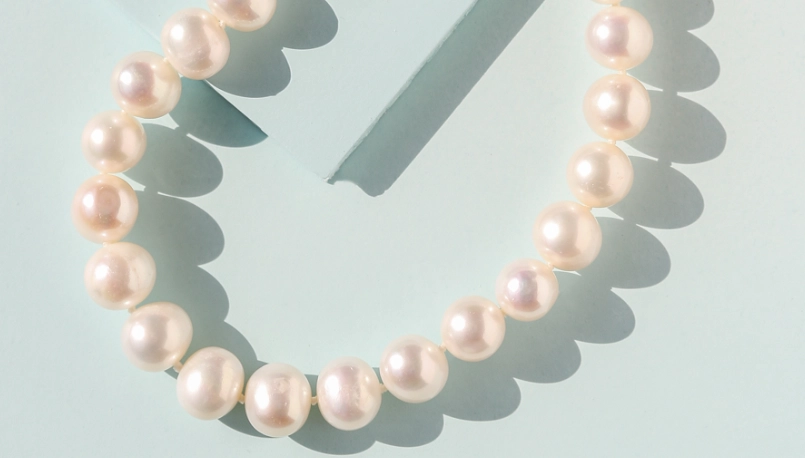
This is the most critical factor, period. Luster is the sharpness and intensity of the reflections on the pearl's surface. High luster looks like a bright, clear mirror. Low luster appears hazy or chalky. A pearl with exceptional luster will have such depth you feel you could look into it. When comparing, place two pearls side-by-side under a single light source. The one with sharper, brighter reflections wins. I'd take a smaller pearl with stunning luster over a large, dull one any day.
Surface Quality: Embracing Character
Pearls are organic, so minor surface characteristics (spots, bumps, wrinkles) are expected and part of their fingerprint. The grading looks at how clean the surface appears from a normal viewing distance (about 12-15 inches). Don't chase flawless perfection—it's extremely rare and drives the price astronomically high. A "lightly spotted" or "moderately clean" surface is excellent for most jewelry and often invisible once set. A heavily blemished surface, however, can affect durability.
 Shape, Color, Size, and Nacre Quality
Shape: Perfectly round is the rarest for saltwater pearls, hence most expensive. But don't dismiss off-round, oval, or baroque (freeform) shapes. They can be uniquely beautiful and often offer more value. A symmetrical drop or button shape can be just as elegant.
Color: Has three components: body color (main hue), overtone (translucent color over the body), and orient (rainbow iridescence). Personal preference rules here. The classic white with rosé overtone is perennially popular, but golden South Sea or peacock Tahitian pearls are breathtaking.
Size: Measured in millimeters. Larger pearls are rarer, but size must be considered with all other factors. A well-matched strand of 7mm Akoyas can be more valuable than a poorly matched strand of 8mm pearls.
Nacre Quality: This is the make-or-break factor for longevity. You can sometimes check it by looking at the drill hole. Thick nacre will show many concentric layers. Very thin nacre might reveal the white bead nucleus underneath—a sign of a pearl that was harvested too quickly.
A Practical Guide to Buying Pearl Jewelry
Let's get tactical. You're ready to buy. How do you navigate without regret?
First, set a realistic budget and purpose. Are you buying everyday studs or a once-in-a-lifetime necklace? For daily wear, high-quality freshwater or a smaller Akoya strand is perfect. For an heirloom piece, consider South Sea or Tahitian.
Second, learn the basic tests for real pearls. The classic "tooth test" still has merit. Gently rub the pearl against the edge of your front tooth. A real or cultured pearl will feel slightly gritty or sandy due to the crystalline nacre structure. A fake plastic or glass pearl will feel perfectly smooth. Do this gently to avoid damaging the pearl.
Third, buy from a reputable source that provides information. A trustworthy seller should be able to tell you the pearl type (e.g., "Chinese freshwater," "Japanese Akoya"), and ideally mention luster and surface quality. Be wary of vague terms like "AAA Grade" unless it's backed by a specific lab report from GIA or a similar body.
My personal rule? Always view pearls in person if possible, or use a retailer with high-resolution videos and a good return policy. Photos can heavily edit luster and hide blemishes.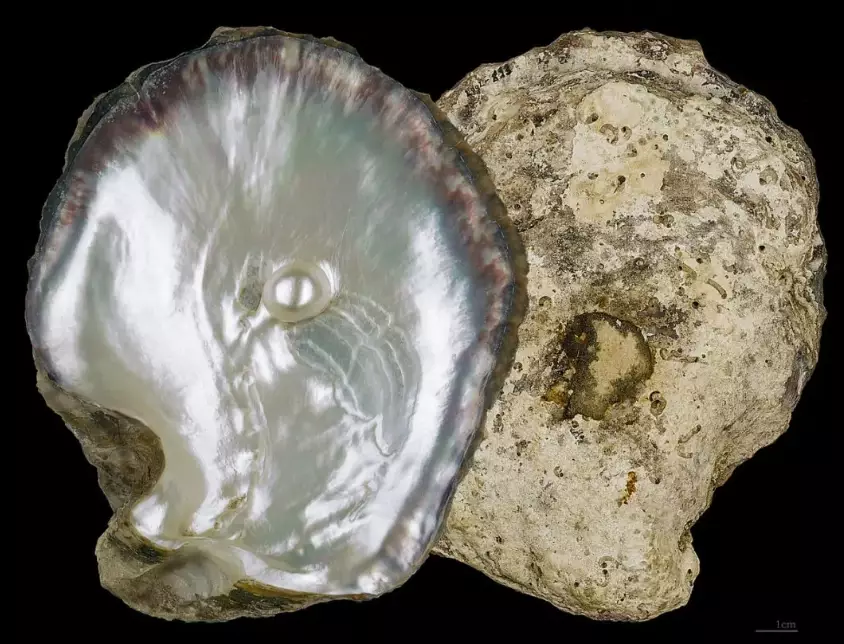
Keeping Your Pearls Beautiful: Care That Actually Works
Pearls are soft (2.5-4.5 on the Mohs scale) and organic. They need a specific kind of care.
The Golden Rule: Last On, First Off. Perfume, hairspray, lotion, and even sweat contain acids and chemicals that can dull the nacre over time. Put your pearls on after you've finished dressing and applying cosmetics.
Cleaning: Wipe them gently with a soft, damp cloth after each wear. For a deeper clean, use a drop of mild, non-detergent soap (like baby shampoo) in water. Never soak pearls, as this can weaken the silk thread in strands. Never use ultrasonic or steam cleaners.
Storage: Store them separately in a soft cloth pouch or a lined jewelry box. Don't toss them in a drawer with other jewelry, as harder gems like diamonds can scratch them.
Have pearl strands restrung every 1-2 years with regular wear, as the silk can stretch and weaken. A good jeweler will knot between each pearl to prevent them from rubbing and to save the whole strand if it breaks.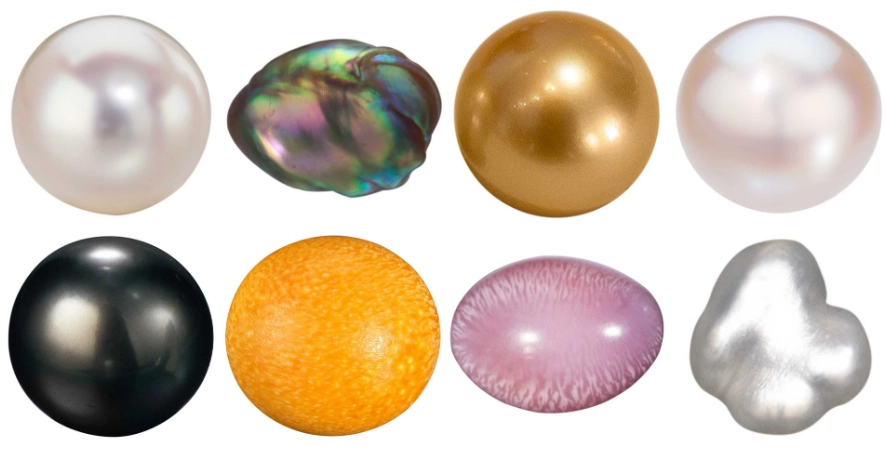
Your Pearl Questions, Answered
 What's the biggest mistake people make when buying their first pearl jewelry?