You see turquoise colour everywhere – on walls, in clothing, in jewelry. But here's the thing most articles don't tell you: the colour is inseparable from the stone. That vibrant blue-green isn't just a paint swatch; it's the ghost of ancient seas and deserts, captured in a mineral. Most people love the colour but know shockingly little about the gem that gave it a name. That gap in knowledge is where mistakes happen, like overpaying for dyed howlite or missing out on the real psychological power this colour holds. Let's fix that.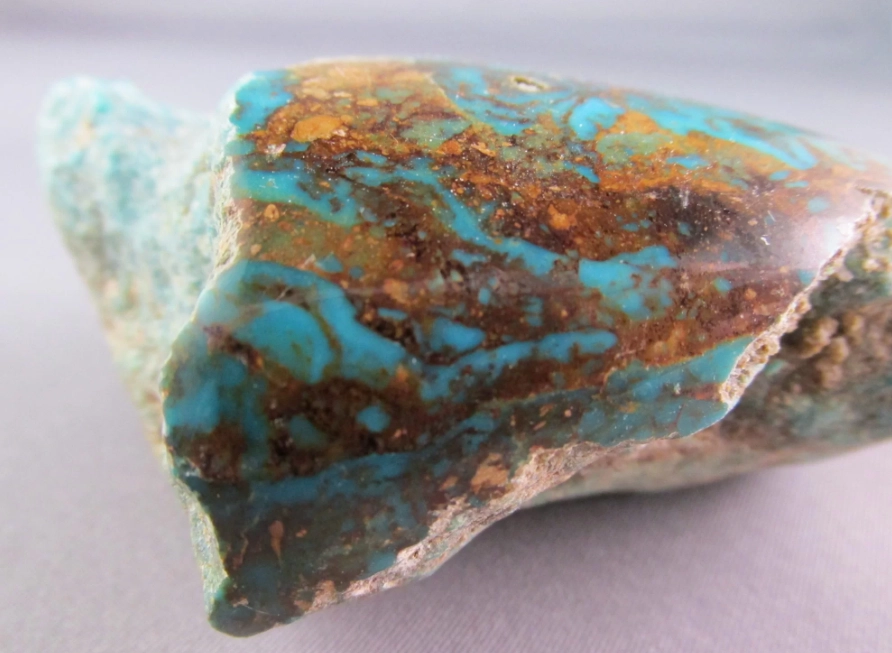
Quick Guide to Turquoise Colour
What Exactly is Turquoise Colour & Stone?
The name comes from the French "pierre turquoise," meaning "Turkish stone," because the trade route brought Persian stones to Europe through Turkey. The colour range is specific: a blend of blue and green, where the blue comes from copper and the green from iron. It's not aqua, not teal. Think of the shallow Caribbean sea over white sand – that's the classic turquoise zone.
Psychologically, it's a calming, confident colour. It doesn't scream for attention like red but holds its ground. In color therapy, it's linked to clear communication and emotional balance. This isn't just fluff; brands use it strategically. Remember Tiffany & Co.'s iconic blue? That's a registered trademark (Pantone 1837) – a specific, slightly greener shade of robin's egg blue that sits firmly in the turquoise family. They didn't pick it by accident.
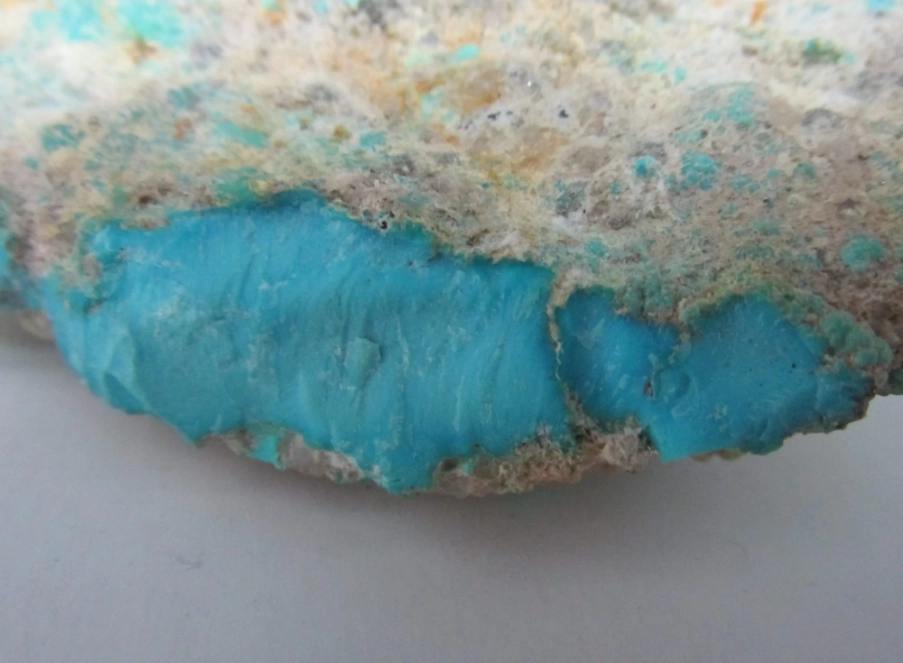
The gemstone itself is a hydrous phosphate of copper and aluminum. It forms in dry, arid regions when water trickles through rock containing these minerals. The matrix – the dark brown or black webbing – is the host rock, usually iron oxide or sandstone. Some people hate matrix, considering it a flaw. Others, like me, see it as a fingerprint, proof of its natural origin and a beautiful contrast to the blue.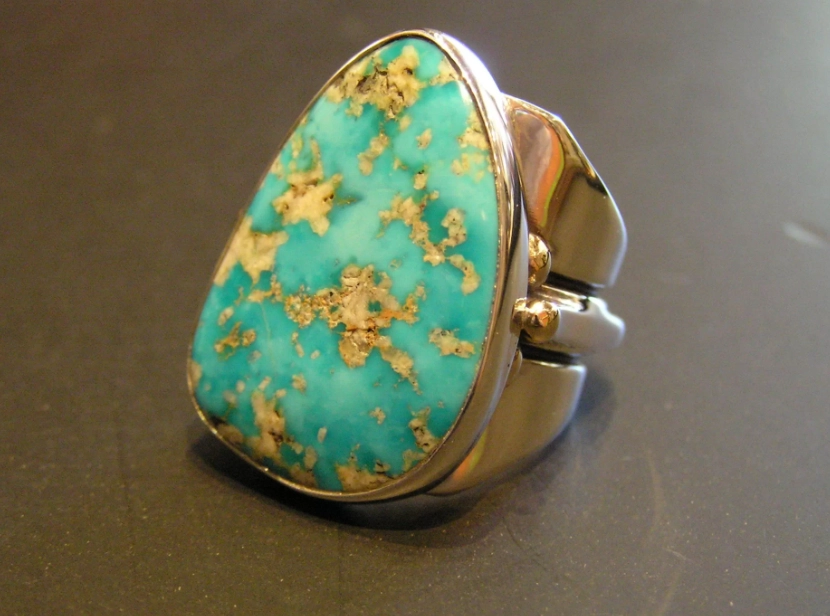
Turquoise Types and Major Origins: A Collector's Map
Not all turquoise is equal. Where it's from dictates its character, value, and often, its treatment. Rarity drives price. A top-grade, untreated Persian blue is in a different league than stabilized Sleeping Beauty.
| Type / Origin | Classic Colour & Characteristics | Typical Treatments & Market Notes |
|---|---|---|
| Persian (Iranian) | Intense, even robin's egg blue with little to no matrix. The historical gold standard. | Often untreated. Very rare in high quality today. Most "Persian" on the market is from elsewhere or is a treatment style. |
| Sleeping Beauty (Arizona, USA) | Consistent, clear sky blue with no matrix. Mine is now closed, adding to rarity. | Often sold stabilized to enhance durability. The quintessential "clean" American turquoise. |
| Kingman (Arizona, USA) | Ranges from blue to blue-green, often with a striking spiderweb matrix. | Frequently stabilized. A workhorse of the Southwestern jewelry industry. |
| Bisbee (Arizona, USA) | Deep, chocolate-brown matrix with vibrant blue. Highly prized by collectors. | Mine closed. Untreated pieces are very valuable. Many fakes exist. |
| Hubei (Chinese) | Often a brighter, slightly greener blue. Can have intricate matrix patterns. | Vast quantities are produced. Often stabilized or dyed. Buyer must scrutinize. |
| Carico Lake (Nevada, USA) | Famous for its unique lime-green shades, sometimes with a blue rim. | Usually stabilized. The green colour is natural due to high zinc content. |
You'll hear terms like "stabilized," "treated," and "natural." Stabilization is the process of injecting a clear polymer resin into the stone. Why? Most turquoise is porous and soft. In its natural state, it can absorb oils from your skin, turning greener and losing its polish. Stabilization hardens it, makes it more durable for jewelry, and locks in the colour. It's not inherently "fake," but it must be disclosed. An untreated, hard, high-colour stone is the pinnacle – and you pay for it.
How to Spot Fake Turquoise: A Practical Guide
This is where your money is saved or lost. The fakes are good, but they have tells.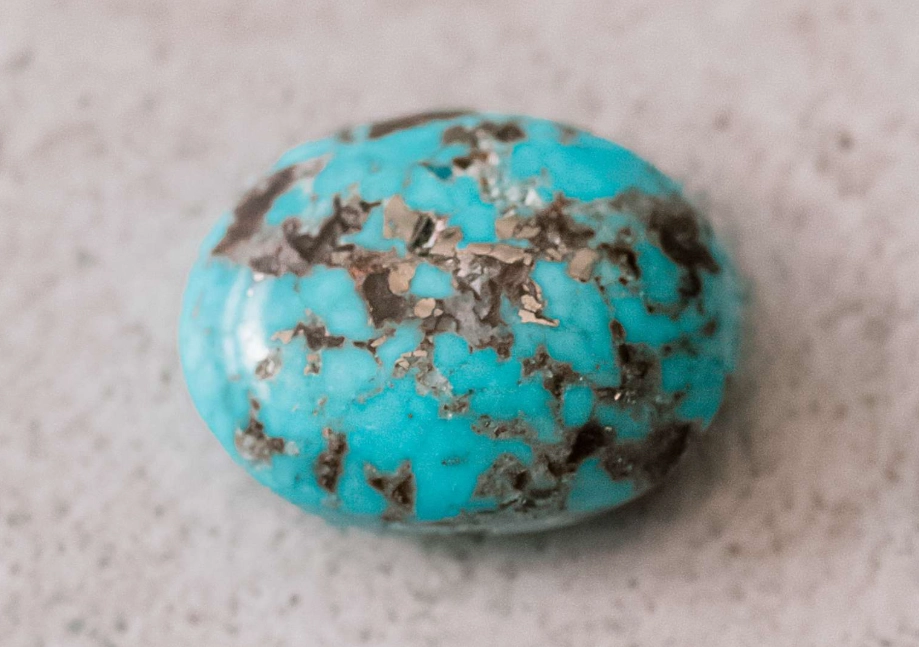
The Common Imposters
Howlite or Magnesite: These are white stones dyed blue. The giveaway? Look at the matrix. Natural matrix blends into the stone. On dyed howlite, the black lines are too sharp, like a marker drawn on the surface. They also often have a granular, sugary texture if you look closely with a loupe.
Reconstituted Turquoise: This is turquoise dust mixed with resin and pressed into a block. The colour is usually too uniform, and the matrix looks painted on or is absent. It lacks the subtle colour variations of a natural stone.
Plastic or Glass: These feel wrong. Plastic is too light and warm to the touch. Glass is colder and heavier than turquoise and may have bubbles inside.
Simple Tests You Can Do
The Touch Test: Real turquoise is porous. Put a tiny drop of water on an inconspicuous spot. Natural, unstabilized turquoise will absorb it quickly, darkening the spot. Stabilized or fake stone will bead up. (Be gentle, and don't do this on a finished piece without permission!).
The Hot Pin Test (Use with extreme caution): Heat a pin and touch it to a hidden area. Real stone won't react. Plastic will melt and smell acrid. Dyed howlite might give off a chemical smell. This is a destructive test – only for beads you don't mind damaging.
Visual Inspection: Get a 10x jeweler's loupe. Look for inconsistencies. Are the blue areas perfectly even? That's suspicious. Do the matrix lines sit on top or are they integrated? Top lines suggest dye.
When buying, always ask: "Is this natural, stabilized, or treated?" A reputable seller will tell you. If they get defensive, walk away. According to the Gemological Institute of America (GIA), full disclosure of treatments is a cornerstone of ethical gem trading.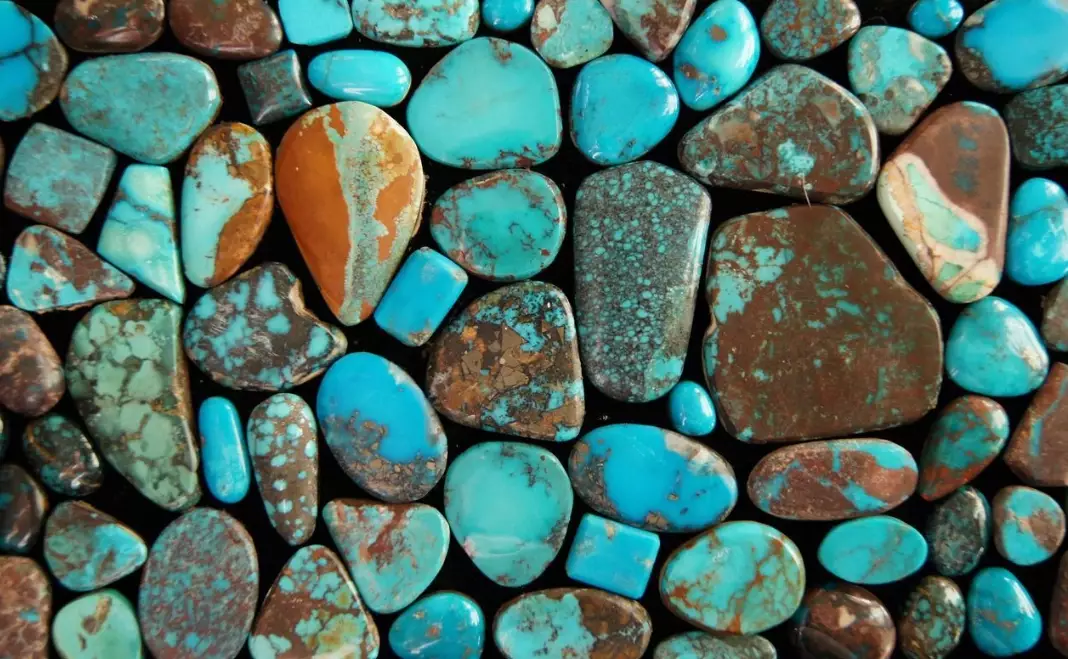
Using Turquoise Colour in Design and Fashion
Turquoise colour is a secret weapon. It's a neutral that isn't boring. Here's how to use it without your room or outfit looking like a themed restaurant.
In Your Home
It works as an accent, not a main wall colour for most people. Think throw pillows on a grey sofa. A turquoise front door against a white house. Kitchen cabinets in a muted, greyish turquoise (like Sherwin-Williams "Rain"). It pairs brilliantly with warm metals (brass, gold), deep browns, crisp whites, and coral or mustard yellows. In a bathroom, it evokes spa-like tranquility.
In Fashion and Jewelry
Turquoise clothing is statement-making. A turquoise dress needs little other jewelry. For more subtlety, try accessories – a scarf, a bag, shoes.
With turquoise jewelry, consider the setting. Sterling silver is the classic Southwestern partner. But don't sleep on yellow gold; it makes the blue pop in a richer, more luxurious way. The stone's informality means it dresses down a gold setting beautifully.
My rule? If you're wearing a large, matrix-heavy turquoise piece, keep the rest of your outfit simple. Let the stone be the art. A single, well-chosen turquoise ring often has more impact than a head-to-toe turquoise look.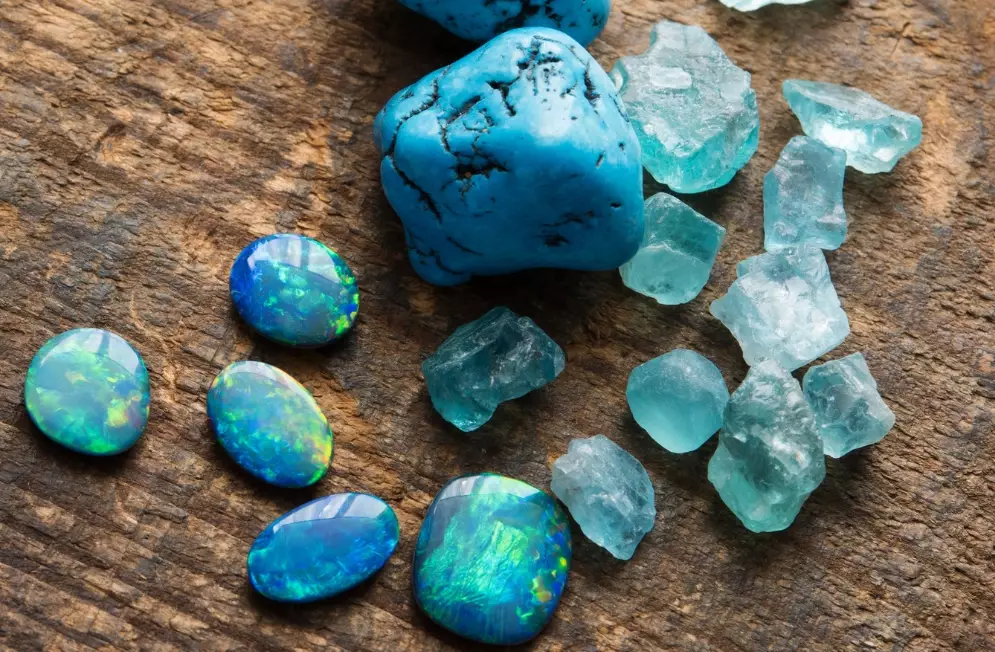
Your Turquoise Questions Answered
Why does my turquoise ring sometimes look greener?
What makes one turquoise stone more valuable than another?
 Is it bad to get turquoise wet?
How can I clean my turquoise jewelry safely?
Can turquoise colour work in a minimalist, modern design scheme?