What You'll Learn in This Guide
Turquoise green isn't just a color—it's a whole world of gemology that many get wrong. I've been collecting and appraising gemstones for over a decade, and turquoise, especially its green variants, is one of the most misunderstood stones out there. People often buy fakes or damage real pieces because they miss the subtle details. Let's cut through the noise and get into what really matters.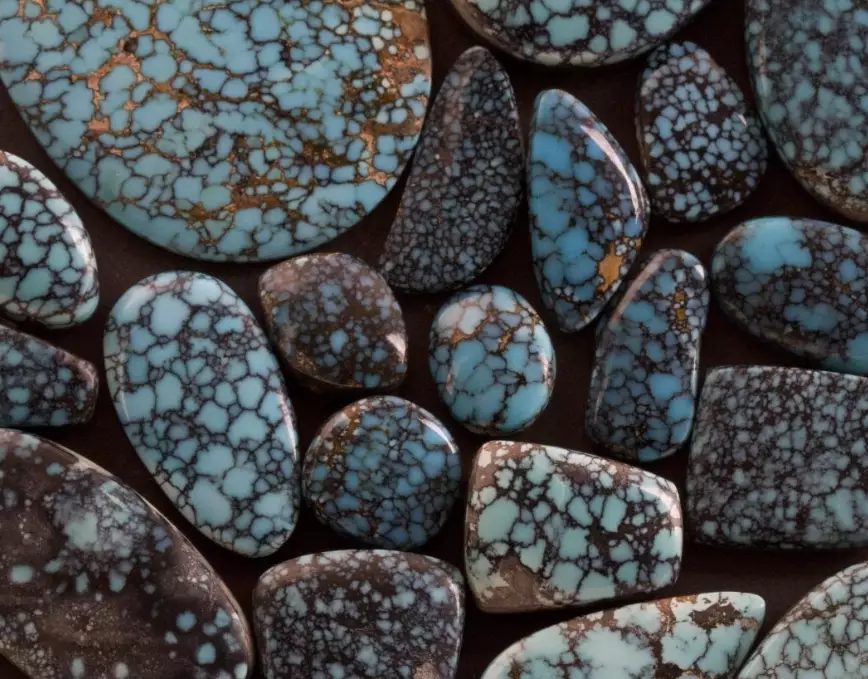
First off, turquoise green refers to turquoise gemstones with a dominant greenish hue, often ranging from bluish-green to apple green. It's not a separate mineral but a color variation influenced by copper and iron content. The value can swing wildly based on factors most beginners overlook.
What Exactly is Turquoise Green?
Turquoise is a hydrous phosphate mineral, primarily found in arid regions like Iran, the southwestern United States, and China. The green color comes from higher iron impurities replacing some of the aluminum in its structure. According to the Gemological Institute of America (GIA), turquoise forms in veins within host rocks, which affects its appearance and stability.
Many assume green turquoise is inferior to blue, but that's a myth. In some markets, like in Asia, green turquoise is highly prized for its unique vibrancy. I've seen Persian green turquoise pieces sell for thousands because of their rich color and minimal matrix—the web-like patterns from the host rock.
Here's a quick breakdown of turquoise green types based on origin:
- Persian Turquoise: Often has a consistent green-blue color with little matrix, considered high-quality.
- American Turquoise: From mines in Arizona or Nevada, tends to have more matrix, which can add character but affect value.
- Chinese Turquoise: Usually greener and more porous, frequently treated to enhance stability.
The porosity is a big deal—turquoise can absorb oils and chemicals, leading to discoloration. That's why care matters so much.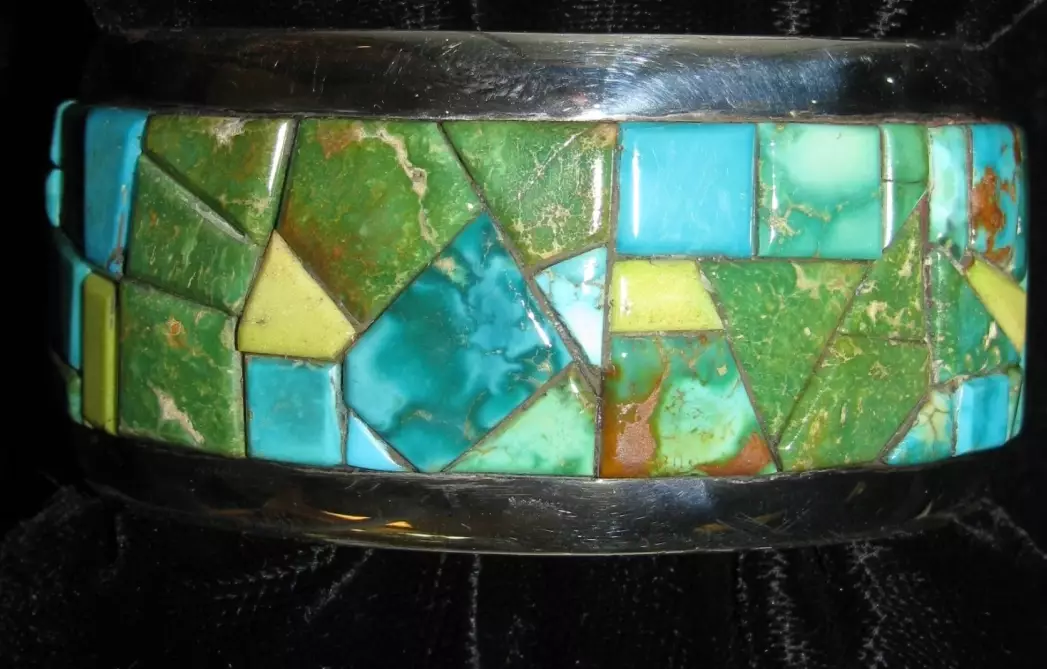
How to Identify Genuine Turquoise Green
Spotting real turquoise green isn't just about color; it's about texture, weight, and reaction to tests. Fakes like howlite or plastic imitations are everywhere. Let's go step by step.
Visual Inspection Under Magnification
Grab a 10x loupe. Real turquoise has a waxy to subvitreous luster and often shows a spiderweb matrix—irregular black or brown lines from the host rock. If the matrix looks too uniform or painted on, it's likely fake. Dyed stones might have color concentrated in cracks.
Simple Physical Tests
Turquoise has a Mohs hardness of 5-6, so it can be scratched by a steel knife (hardness 5.5). But be careful—this test can damage the stone. A safer method is the heat test: briefly touch a hot needle to an inconspicuous spot. Plastic imitations will melt and smell acrid, while real turquoise won't react much.
Another trick: real turquoise feels cool to the touch and has a moderate heft. Plastic feels lightweight and warm.
Expert Tip: Many guides focus on hardness, but the real giveaway is porosity. Genuine turquoise is slightly porous—if you put a drop of water on it, it might absorb slowly. Fakes like glass or resin won't absorb at all. But don't overdo it; water can damage the stone if left on.
Common Imitations to Watch For
Howlite dyed blue or green is the most common fake. It's cheaper and lighter. Variscite and chrysocolla can look similar but have different chemical compositions. If a seller claims "stabilized turquoise," that means it's been treated with resin to reduce porosity—it's still real turquoise, but the value is lower than untreated stones.
I've seen jewelers pass off reconstructed turquoise (powdered turquoise mixed with resin) as natural. Always ask for a lab report from reputable sources like GIA.
Key Factors That Determine Turquoise Green Value
Value isn't just about size or color intensity. It's a mix of attributes that collectors debate over. Here’s what drives the price up or down.
| Factor | Impact on Value | Example Range (per carat) |
|---|---|---|
| Color Saturation | Vibrant, even green with no grayish tones commands premium prices. | $50 - $300+ |
| Matrix Presence | Minimal matrix (less than 10%) is preferred; intricate spiderweb can add value if artistic. | Varies widely: +20% for desirable patterns |
| Treatment | Untreated stones are most valuable; stabilized or dyed ones drop by 50% or more. | Untreated: $100+, Treated: $20-$80 |
| Origin | Persian and some American mines (e.g., Sleeping Beauty) fetch higher prices due to reputation. | Persian: $200+, Chinese: $30-$100 |
| Cut and Polish | Well-cut cabochons with high polish enhance appeal; poor cuts reduce value. | Adds 10-30% to base price |
Color is subjective. Some buyers love the apple green of Chinese turquoise, while others prefer the bluish-green of Persian stones. I find that in auctions, untreated Persian green turquoise with a fine matrix can hit $500 per carat. But if it's stabilized, that plummets to under $100.
Matrix isn't always bad. A neat spiderweb pattern can make the stone unique, like in Navajo jewelry where it's celebrated. But if the matrix is messy or dominates the stone, it looks cheap.
Treatment disclosure is crucial. Many sellers don't mention stabilization, assuming it's standard. Always ask directly: "Is this turquoise treated?" If they hesitate, walk away. According to industry reports, over 80% of commercial turquoise is stabilized to prevent cracking.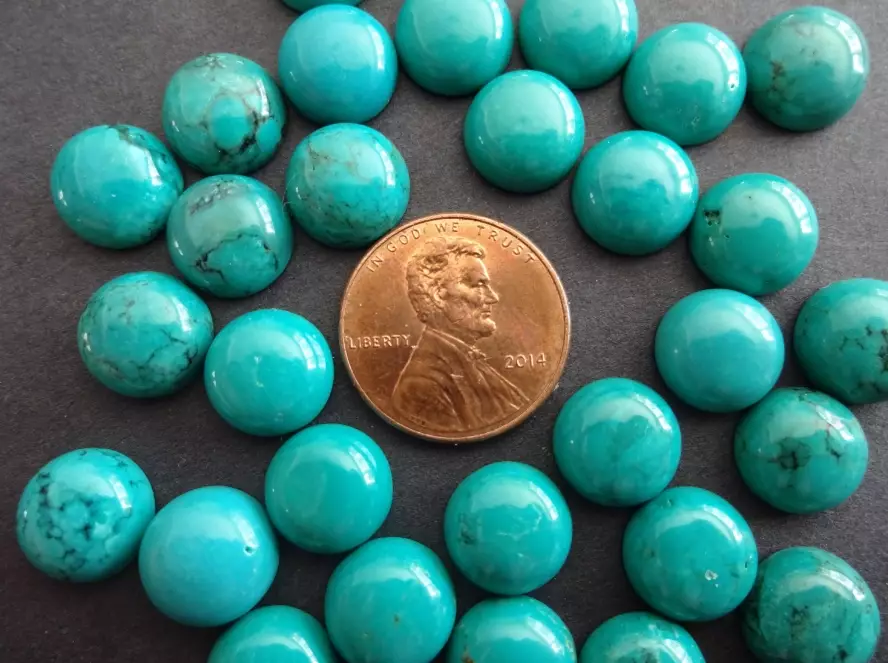
Case Study: Buying Turquoise Green Online
Imagine you're shopping on a site like Etsy. You see a green turquoise pendant listed for $150. The description says "natural turquoise." Red flags: no origin specified, no mention of treatment, stock photos. Ask for close-up videos under natural light. Request a certificate from a gem lab. If they can't provide details, it's likely low-quality or fake.
I once advised a client who bought a "turquoise" ring for $200. It was actually variscite—similar look but softer and less valuable. We tested it with a refractometer, and the readings were off. She got a refund, but it wasted time.
Caring for Your Turquoise Green Jewelry
Turquoise is delicate. Most damage comes from mishandling, not wear. Here’s how to keep it looking fresh.
Avoid Chemicals: Perfume, sunscreen, household cleaners—they all seep into the porous surface and cause discoloration. Put on jewelry last after applying cosmetics.
Cleaning Method: Use a soft, dry cloth. If needed, dampen with water and wipe gently. Never soak turquoise or use ultrasonic cleaners; the vibrations can crack it. I've seen pieces ruined by well-meaning owners who tossed them in jewelry cleaners.
Storage: Keep it in a separate pouch away from harder gems like diamonds that can scratch it. Humidity changes can also affect it, so avoid bathrooms.
If your turquoise loses luster, take it to a professional jeweler. DIY fixes often make it worse.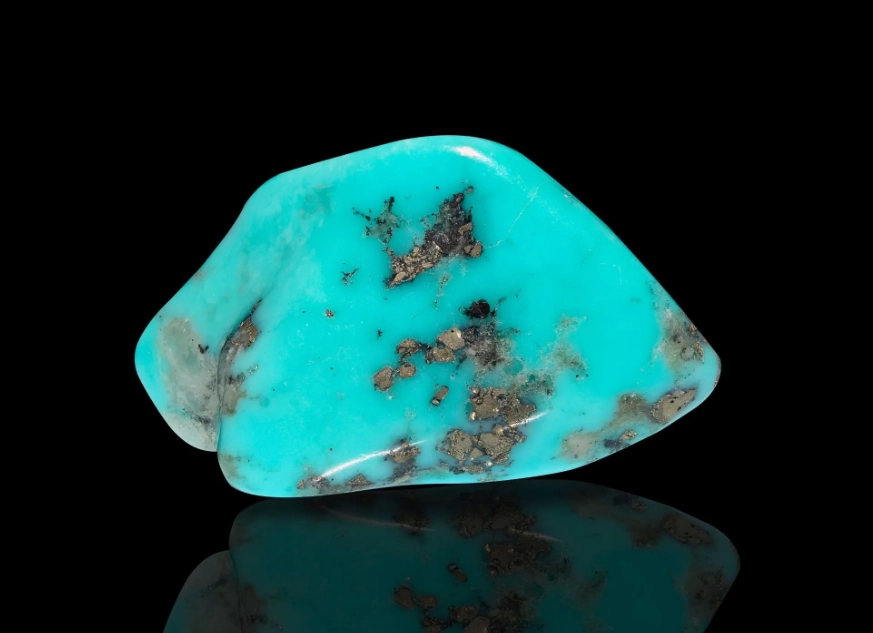
FAQs: Expert Answers to Common Turquoise Questions
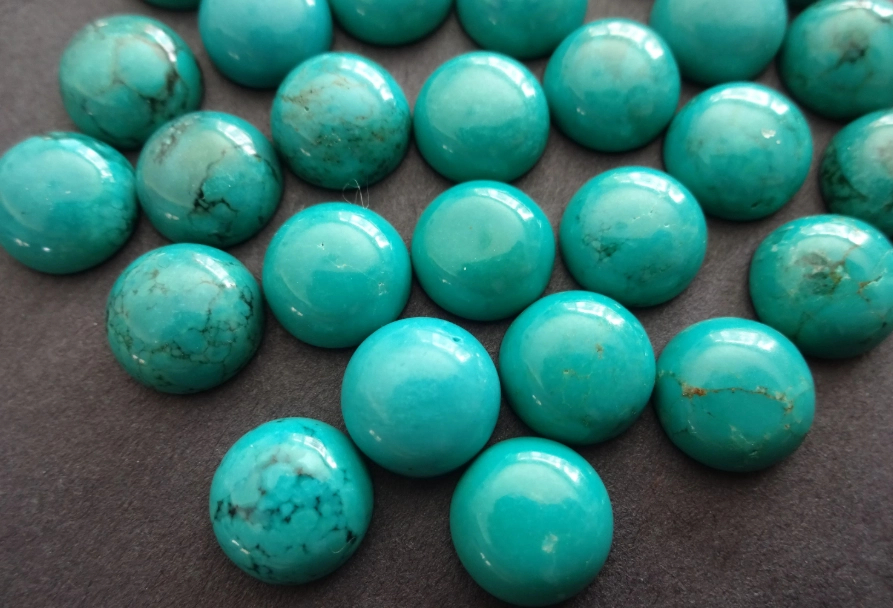 Is green turquoise less durable than blue turquoise?
Turquoise green is more than a gem—it's a piece of Earth's history. Whether you're a collector or just love the color, understanding these details saves money and heartache. Start with small, verified purchases and build your knowledge. And always, always ask questions before buying.