Turquoise blue isn't just a color—it's a story written in stone. I've spent over a decade handling gemstones, and turquoise still surprises me. Last year, a client brought in a necklace she bought online for $200, convinced it was a steal. It looked perfect, that vibrant blue-green hue. But under a loupe, the matrix patterns were too uniform, almost painted on. It was a clever fake, probably dyed howlite. She was devastated, and it's moments like these that remind me why understanding turquoise matters. This guide cuts through the noise to give you the real deal on turquoise blue, from spotting fakes to making it last a lifetime.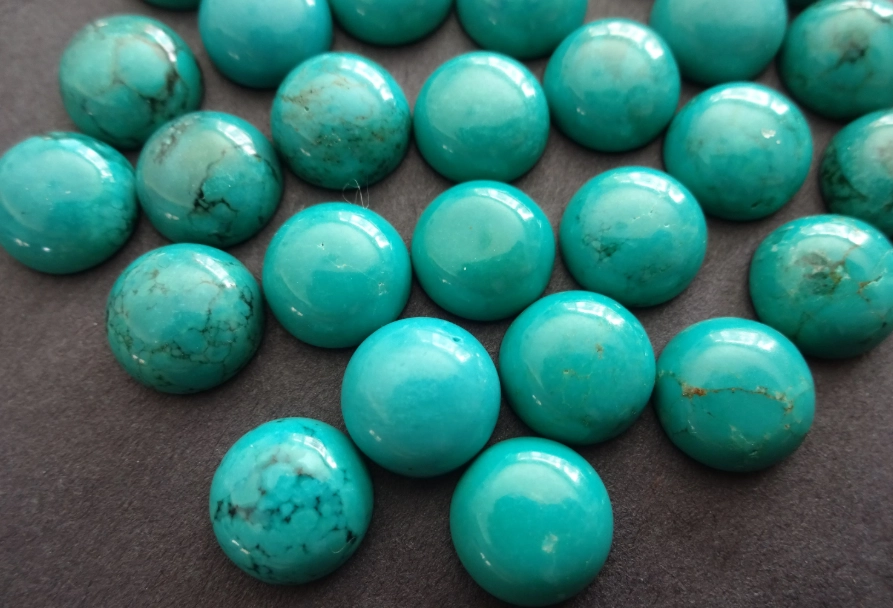
What You'll Learn in This Guide
What Exactly Is Turquoise Blue?
When people say "turquoise blue," they're usually talking about the gemstone turquoise, not just the color. Turquoise is a phosphate mineral that forms in arid regions, like the southwestern US or Iran. Its blue comes from copper, while green tints hint at iron impurities. But here's a nuance most blogs miss: the color can fade if exposed to sunlight or chemicals, something I've seen in estate jewelry that's been stored improperly.
From Earth to Gem: The Formation Process
Turquoise forms slowly, over millions of years, when water seeps through copper-rich rocks. It's often found near copper deposits. The best pieces come from mines like Sleeping Beauty in Arizona, known for its sky-blue color without matrix (the web-like patterns). But not all turquoise is created equal. Some mines produce softer stones that require stabilization—a treatment where resin is added to harden them. Purists hate it, but honestly, stabilized turquoise can be more durable for everyday wear. I've had clients complain about untreated pieces chipping after a few months.
A Color Steeped in History
Turquoise has been prized for millennia. Ancient Egyptians used it in jewelry, and Native American cultures view it as sacred. The color symbolizes protection and wisdom. In modern design, turquoise blue adds a pop of color to everything from rings to home decor. But be wary: some sellers market "reconstituted turquoise," which is basically crushed stone mixed with resin. It's not fake, but it's not natural either. I call it the "fast food" of gemstones—convenient but lacking depth.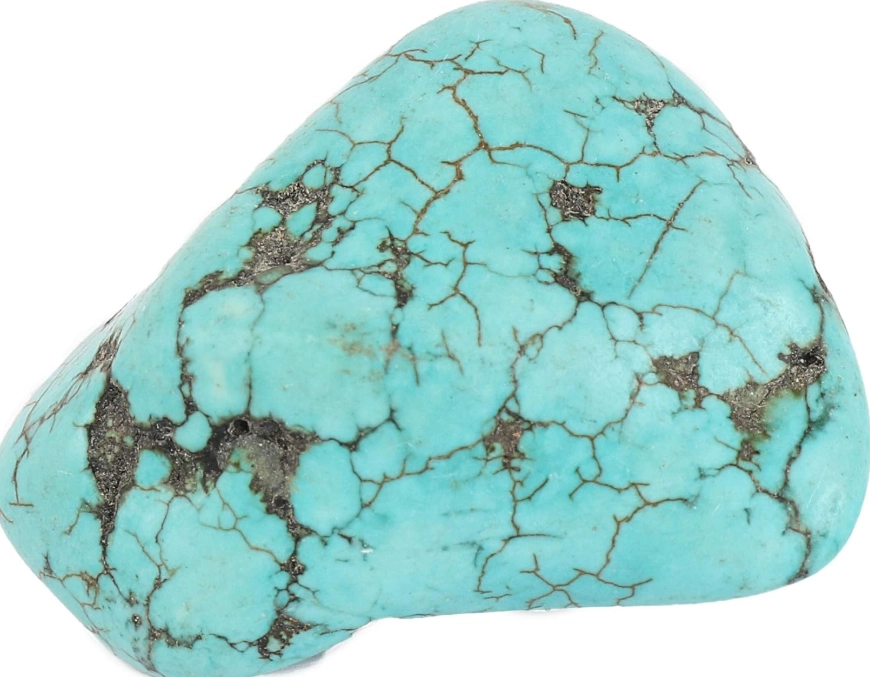
How to Identify Genuine Turquoise
Identifying real turquoise can feel like detective work. Start with your eyes. Genuine turquoise has an uneven color distribution and natural matrix patterns that look organic, not symmetrical. If it's too perfect, be suspicious. I remember a trip to a gem show where a vendor was selling "natural turquoise" at bargain prices. A quick scratch test with a needle (in an inconspicuous spot) revealed a soft, waxy feel—it was dyed magnesite. He wasn't happy when I called him out.
Visual and Physical Tests You Can Do at Home
You don't need fancy equipment. Here's a simple checklist:
- Look for matrix patterns: Real turquoise often has brown or black webbing. If it's absent, it might be high-grade, but ask for certification.
- Check for porosity: Touch the stone. Natural turquoise is slightly porous; if it feels glassy smooth, it's likely treated or fake.
- Use a magnifying glass: Inspect for dye concentrations around cracks. Fake turquoise like howlite will show dye pooling.
For a quick comparison, here's a table I put together based on my experience:
| Feature | Genuine Turquoise | Common Fakes (e.g., Howlite, Dyed Magnesite) |
|---|---|---|
| Color Consistency | Uneven, natural variations | Too uniform, often overly vibrant |
| Matrix Patterns | Organic, random webbing | Painted-on or absent |
| Hardness (Mohs scale) | 5-6 (can scratch with steel) | Softer (3-4 for howlite) |
| Reaction to Acetone* | No change (if untreated) | Dye may rub off |
*Always test on a hidden area first. Acetone can damage some treatments.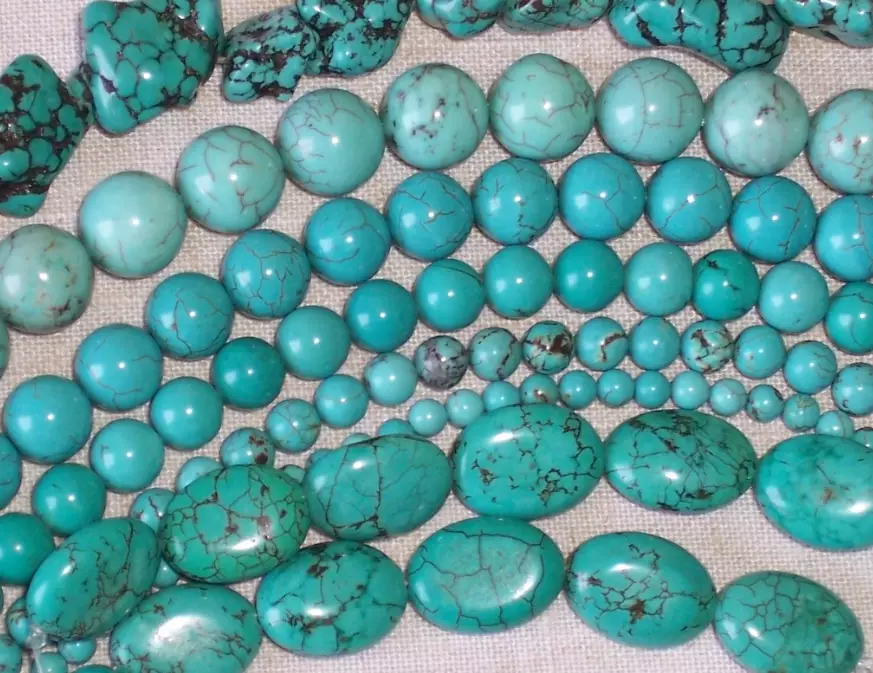
When to Seek Professional Help
If you're spending over $500 on a piece, get it appraised. A gemologist can use tools like a refractometer to measure light refraction—real turquoise has a specific refractive index around 1.61. I've seen too many online listings with "certificates" from dubious labs. Stick to reputable sources like the Gemological Institute of America (GIA) reports. One client learned this the hard way after buying a "certified" turquoise ring that turned out to be plastic.
Turquoise in the Wild: Market Realities
The turquoise market is a jungle. Prices range from $10 per carat for lower-quality stones to over $500 for top-grade Persian turquoise. What drives the cost? Color is king—a pure, intense blue without green is most valuable. Then comes origin: stones from historic mines like Nishapur in Iran command premiums. But here's a insider tip: many "Persian" turquoises on the market are actually from China or the US, just marketed well. I once tested a stone sold as "vintage Persian" that had trace elements matching Arizona deposits.
What Drives the Price Tag?
Break it down:
- Color: Sky-blue > green-blue > yellowish hues. The more even the color, the higher the price.
- Clarity and Matrix: Stones with attractive, spider-web matrix can be more expensive, but it's subjective. Some buyers prefer clean stones.
- Treatments: Untreated, natural turquoise costs 2-3 times more than stabilized versions. Dyed stones are cheap but lose value fast.
I advise buyers to focus on what they like, not just investment potential. A stabilized turquoise pendant might serve you better daily than a fragile natural piece.
Navigating the Buying Landscape
Where you buy matters. Avoid generic online marketplaces with no return policies. Instead, look for specialized jewelers or mine-direct sellers. For example, Kingman Turquoise Mine in Arizona offers authentic stones with provenance. When buying online, insist on high-resolution photos and ask about treatments. A red flag: sellers who avoid questions about stabilization. I've negotiated refunds for clients by simply asking for disclosure upfront.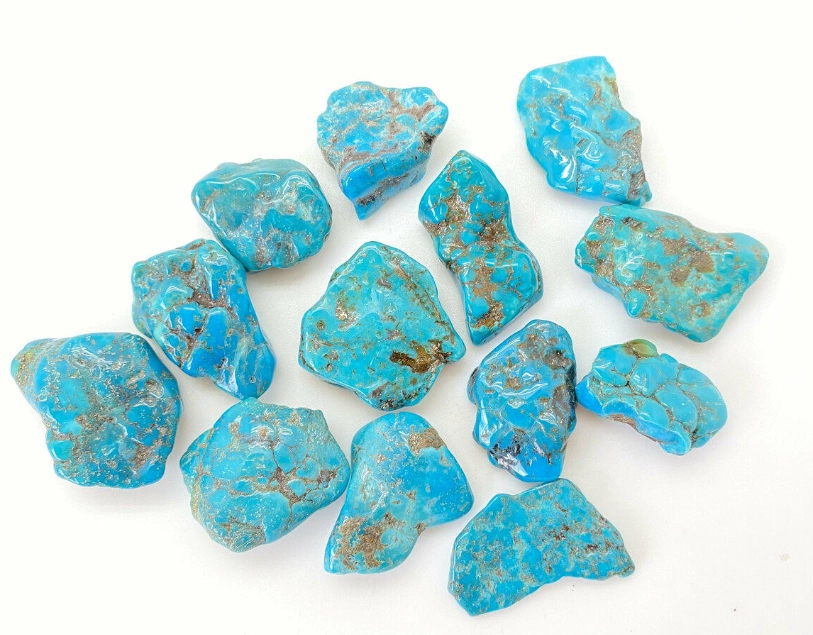
Personal Take: The trend towards "ethical sourcing" is hot right now, but it's often vague. For turquoise, seek out sellers who support Native American artisans or use traceable mining practices. It might cost more, but the story adds value.
Caring for Your Turquoise Treasures
Turquoise is softer than diamonds, so treat it gently. I've repaired rings where the stone cracked from a simple knock against a counter. First rule: remove turquoise jewelry before swimming or cleaning. Chlorine and chemicals can alter the color permanently. A friend of mine ruined a bracelet by wearing it in a hot tub—the blue turned dull green within weeks.
Daily Wear Dos and Don'ts
Keep it simple:
- Do store turquoise separately in a soft pouch to prevent scratches.
- Don't use ultrasonic cleaners; the vibrations can fracture the stone.
- Do wipe with a damp cloth after wear to remove oils and sweat.
Long-Term Preservation Strategies
For heirlooms, consider professional cleaning every few years. Avoid direct sunlight exposure, as UV rays can fade the color. If you live in a humid climate, use silica gel packets in your jewelry box to absorb moisture. I learned this from a collector whose turquoise necklace developed white spots from humidity—a sign of dehydration that's hard to reverse.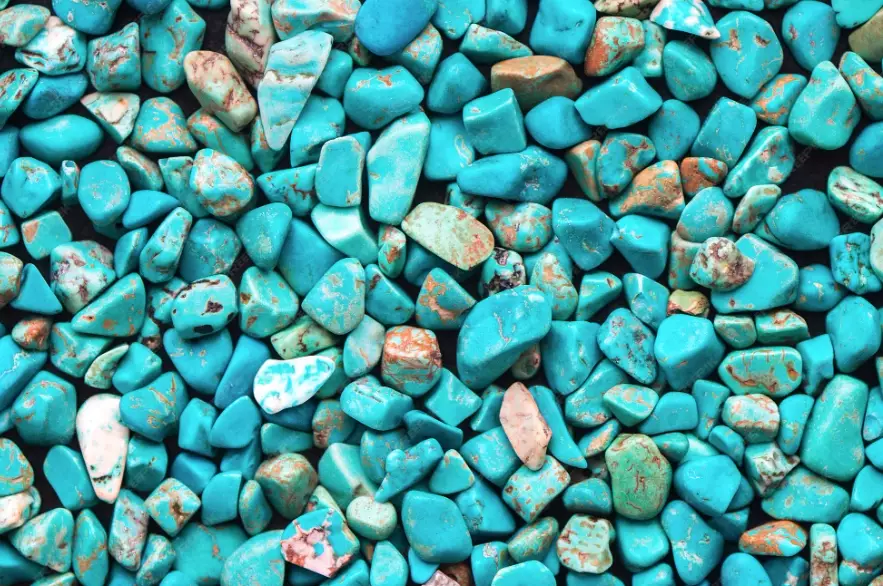
Your Burning Questions Answered
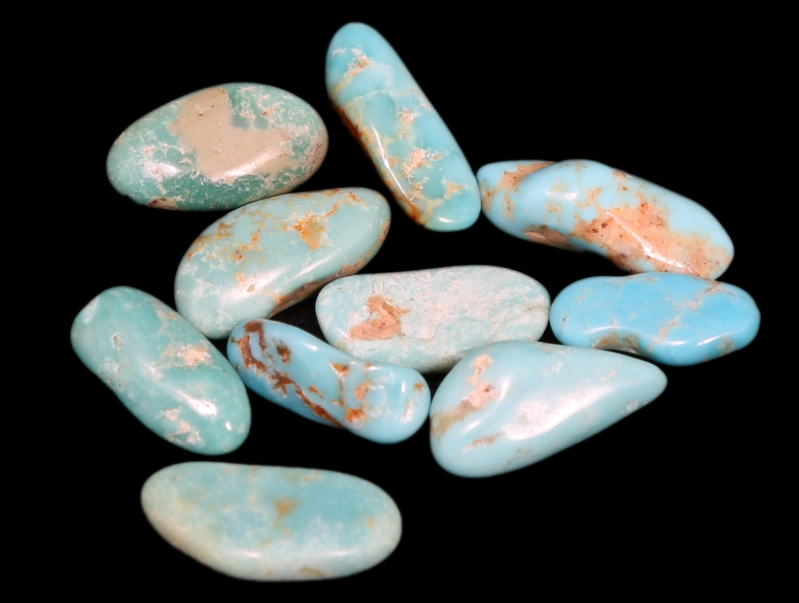 Turquoise blue holds a magic that's hard to replicate. Whether you're a collector or a casual wearer, understanding its nuances saves you money and heartache. Start with small purchases, build your knowledge, and don't be afraid to ask questions. The gem world is full of stories, and yours can be one of confidence and beauty.