Let's talk about the smell of amber. It's not something you hear about every day, but if you're holding a piece of amber jewelry or a raw specimen and give it a cautious sniff, you might be surprised. That faint, warm, piney scent is one of amber's most fascinating—and least discussed—secrets. It's a direct line to its ancient, resinous origins. But here's the kicker: not all amber smells the same, and a bad smell can be a glaring red flag. I've been collecting and studying amber for over a decade, and I've seen countless people get tripped up by confusing imitations or mishandling their pieces because they didn't understand this simple sensory test. This guide will cut through the confusion. We'll explore what real amber smells like, how to use that smell to tell if your piece is genuine, and what to do if it smells like anything from a chemistry lab to a damp basement.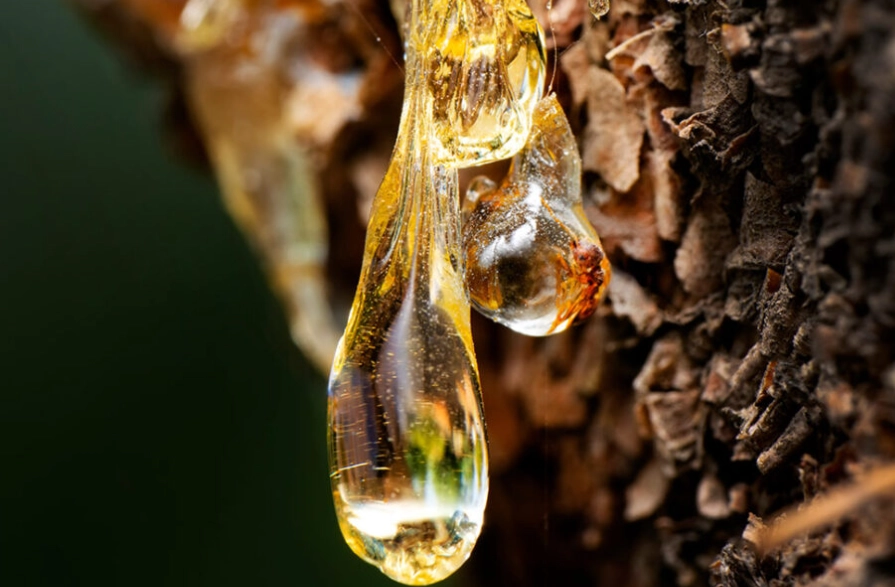
What’s Inside This Guide
What Does Real Amber Smell Like?
Genuine amber, when warmed slightly, emits a distinctive aroma. The most common description is a warm, piney, or resinous scent. Think of the air in a coniferous forest on a sunny day—hints of pine, wood, and a faintly sweet, earthy undertone. It should be pleasant and natural, not overpowering.
But it's not a one-note smell. The exact profile can vary depending on the amber's origin, which is a detail most generic guides miss.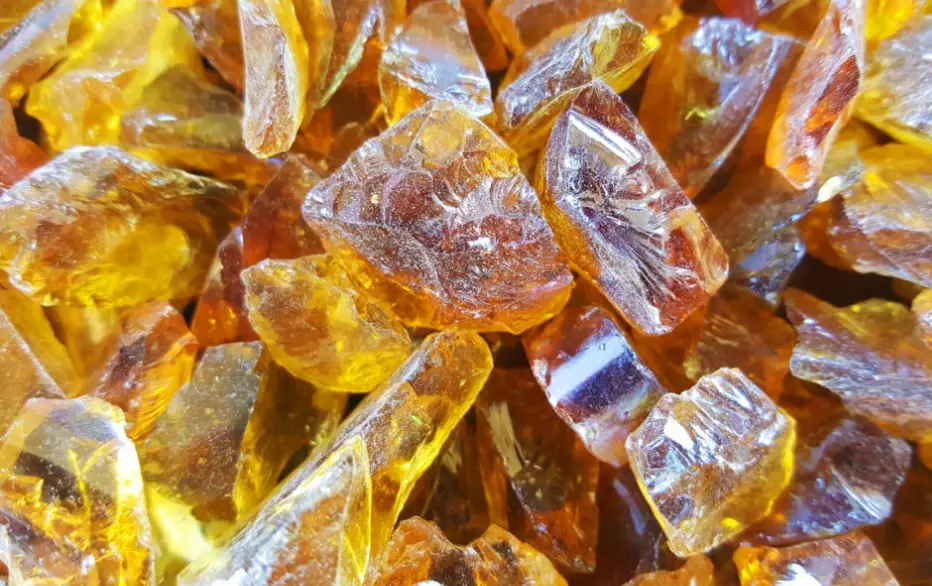
Baltic Amber (Succinite): This is the classic. Baltic amber, sourced primarily from around the Baltic Sea, gives off the quintessential pine-like, slightly smoky scent when rubbed. It's the smell most people refer to.
Dominican Amber: Often has a lighter, slightly sweeter aroma compared to Baltic amber. Some collectors describe a faintly floral or fruity note alongside the resinous base.
Burmese Amber (Burmite): Can be more variable and sometimes less pronounced. It may have a earthier, less coniferous character.
A huge mistake beginners make is expecting a strong, immediate perfume. Real amber's scent is subtle. You need to activate it with a bit of warmth from friction. If a piece screams a strong chemical or plastic smell without any effort, that's your first major warning sign.
Why Does Amber Have a Scent at All?
Amber isn't a stone; it's fossilized tree resin. That resin, millions of years ago, was sticky and aromatic, meant to protect the tree. The smell we detect today is a ghost of those original volatile organic compounds (VOCs) that got trapped and preserved during the fossilization process. When you warm the amber by rubbing it, you're gently releasing a tiny, trapped fraction of those ancient molecules.
This is why the smell test has weight. Modern plastics and copal (young, unfossilized resin) have different chemical compositions. Their scent profiles under heat are distinct. The Gemological Institute of America (GIA) notes that while not a definitive test alone, olfactory clues can be a useful part of the identification process for experienced gemologists.
How to Perform the Amber Smell Test
This is a simple, non-destructive home test. Don't overcomplicate it.
The Warm Cloth Method (Safest)
Take a soft, clean cotton cloth (an old t-shirt works perfectly). Rub the amber piece vigorously against the cloth for 20-30 seconds. This friction generates gentle, localized heat. Immediately bring the rubbed spot close to your nose and take a quick sniff. You're looking for that faint, warm, piney aroma.
The (Cautious) Pinpoint Heat Method
Some old-timers use a hot needle. I'm hesitant to recommend this because it can damage the amber, especially if it's treated or fake. If you must try it, use an inconspicuous spot—like the back of a pendant or a tiny edge. Briefly touch the tip of a heated needle (just hot enough to be uncomfortable on your skin) to the spot for a split second. The smell will be more immediate. A sharp, acrid plastic smell is a dead giveaway for imitation materials like Bakelite or celluloid. Real amber will produce a whiff of that resinous scent, but you also risk leaving a tiny melt mark. Frankly, the cloth method is safer and tells you most of what you need to know.
Warning: Never use open flame directly on amber. You will damage it, potentially causing cracks or melting, and the burning smell of any material will be overwhelming and useless for identification.
What Different Bad Smells Mean
If your amber doesn't smell like a quiet forest, don't panic. Different odors point to different issues.
A sharp, chemical, or plastic smell is the biggest red flag. It strongly suggests your piece is made from a synthetic material like polyester resin, plastic, or phenolic resins (Bakelite). These are common amber simulants.
A sour, musty, or mildewy smell is more interesting. This usually isn't about authenticity. It's about care. Amber is organic and porous. If stored in a damp environment (like a bathroom or a basement box), it can absorb moisture and develop a musty odor. I've bought pieces from estate sales that had this issue—they were genuine but neglected.
A soapy or perfumed smell often means the amber has been recently cleaned with a harsh chemical or has absorbed scent from lotions, perfumes, or storage with scented items.
No smell at all? This isn't an immediate fail. Some amber, especially if it's heavily polished or has a thick surface coating, may not release a scent easily. Older, more oxidized pieces might also have a fainter smell. Use it as one data point among others (like the warm-to-the-touch feel, UV reaction, and saltwater float test).
How to Remove an Unpleasant Odor from Amber
So you have a genuine piece of amber that smells off. Here's how to fix it, based on the odor type.
For Musty or Mildew Odors (Absorbed Moisture)
The goal is gentle, dry absorption. Bury the amber piece in a bowl of dry, uncooked rice or silica gel packets for 48-72 hours. These materials will slowly draw out the ambient moisture causing the smell. Do not use heat like a hairdryer, as sudden temperature changes can cause stress fractures in the amber.
For Perfume, Lotion, or Soap Scents
You need to gently cleanse the surface. Mix a few drops of mild, scent-free dish soap in a cup of lukewarm water. Dampen a very soft microfiber cloth in the solution, wring it out completely so it's just barely damp, and gently wipe the amber. Immediately dry it thoroughly with a separate clean, dry cloth. Never soak amber in water or any solution.
For Stubborn Odors
Sometimes odors are trapped in microscopic pores. Try the dry sunlight method. Place the amber on a windowsill where it will get indirect sunlight for a few hours. The gentle, dry warmth can help volatilize and dissipate trapped odor molecules. Avoid direct, hot sun for prolonged periods.
What never works? Using alcohol, acetone, bleach, or harsh cleaners. These can permanently cloud, crack, or damage the surface of your amber. I learned this the hard way early on with a prized inclusion piece that developed a hazy patch.
Your Amber Smell Questions Answered
 Can the smell of amber fade over time?
Understanding the smell of amber gives you a direct, sensory connection to its ancient past. It’s a tool—not the only one, but a surprisingly effective one—for separating the ancient, fossilized treasure from clever modern copies. Trust your nose, but pair it with knowledge. A faint whisper of pine and earth is a good sign. Anything harsh, sweet like candy, or reeking of plastic tells you to look closer. And if your prized piece picks up a bad odor, remember: gentle, dry methods are almost always the answer. Now go find that piece you've been curious about and give it a careful rub. What story does its scent tell?