You ask, "What do you mean by amber?" Most people will give you a one-line answer: fossilized tree resin. That's technically correct, but it's like describing a diamond as just a shiny rock. It misses the entire story—the science, the history, the beauty, and the minefield of misinformation that surrounds it. As someone who's handled thousands of pieces, from raw Baltic lumps to exquisite Dominican carvings, I can tell you that understanding amber is the first step to appreciating it and, more importantly, not getting ripped off.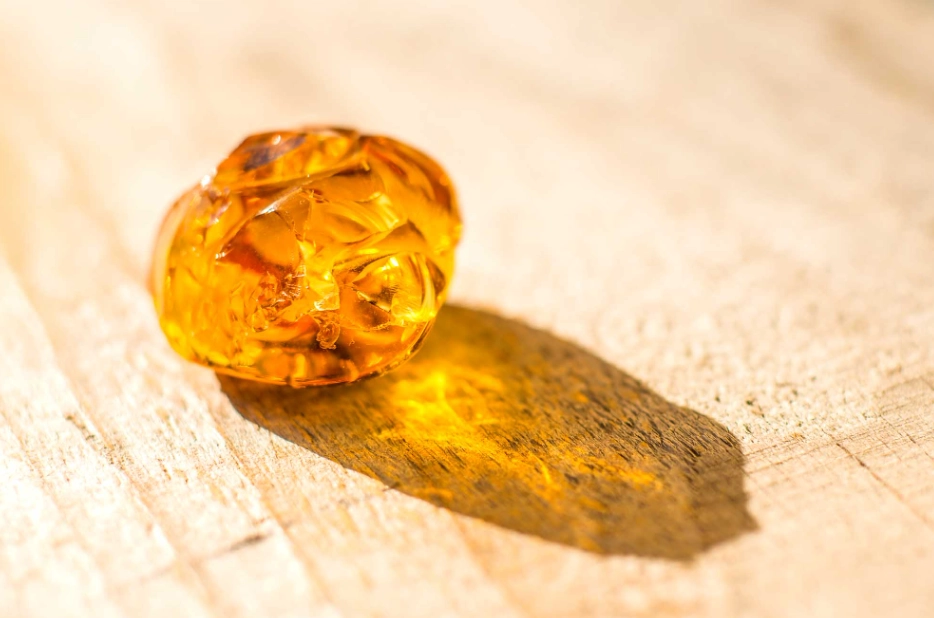
What You'll Discover in This Guide
Amber Beyond the Dictionary: A Technical and Historical Perspective
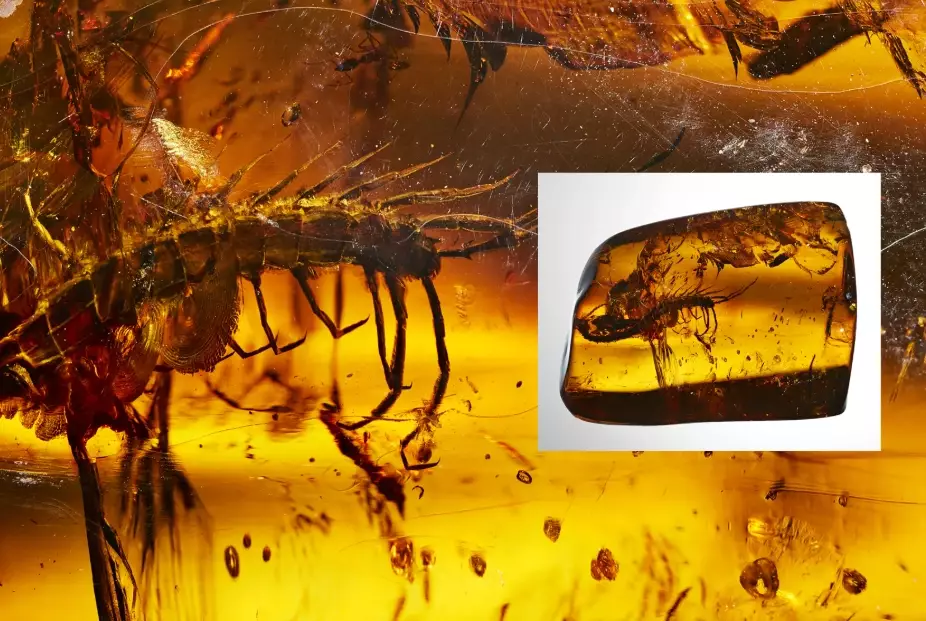
Let's get technical for a second. When we say "fossilized tree resin," we're talking about a specific process. Millions of years ago, certain trees (mostly conifers like pines) exuded resin as a defense mechanism. This sticky substance flowed over bark, trapping insects, plant matter, and even small vertebrates. Then, through a combination of burial, heat, pressure, and most critically, polymerization, this resin hardened and lost its volatile components over a vast geological timescale.
Key Point: The term "fossilized" is key. Fresh resin is called copal. Copal is only a few thousand to a few million years old and is much softer and less stable. True amber is typically older than 10 million years. The oldest known amber is about 320 million years old. This age is what gives amber its stability and gemstone status.
The Scientific Definition: More Than Just Tree Resin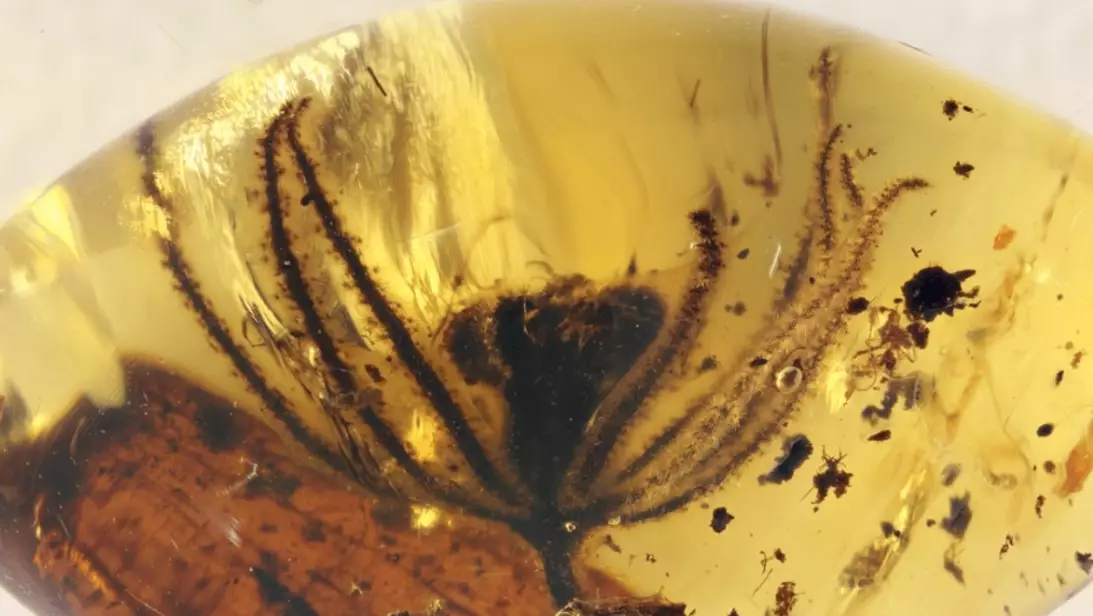
Scientifically, amber is an organic gemstone, classified alongside pearls, coral, and jet. It's amorphous, meaning it has no crystalline structure. Its chemical composition is primarily carbon, hydrogen, and oxygen (C10H16O), often with sulfur. This organic origin is why it feels warm to the touch compared to glass or plastic—it's a poor conductor of heat.
But here's a nuance most articles skip: not all ancient tree resin becomes the amber we know. The geological conditions have to be just right. If the resin is exposed to too much oxygen, it degrades. If it's buried in the wrong sediment, it dissolves. The amber we find today is the lucky survivor of a brutal natural lottery.
Amber in History and Culture: From Amber Rooms to Jurassic Park
Understanding amber means knowing its cultural weight. For millennia, it wasn't just a pretty stone. The ancient Greeks called it ēlektron, noting its ability to generate static electricity when rubbed (the root of our word "electricity"). They believed it was solidified sunlight or the tears of the gods.
The Romans valued it so highly that Emperor Nero sent expeditions north to the Baltic coast to secure the "gold of the north." The famed Amber Road was a trade network stretching from the Baltic Sea to the Mediterranean, carrying raw amber to be carved into beads, amulets, and intricate figurines.
Fast forward to the 18th century, and you have the breathtaking Amber Room in Russia, a chamber paneled entirely in carved amber, gold leaf, and mirrors—often called the Eighth Wonder of the World. (It was looted by Nazis in WWII and never fully recovered, a historical tragedy for amber art).
And of course, modern pop culture reignited fascination with Michael Crichton's Jurassic Park, where dinosaur DNA is extracted from mosquitoes preserved in amber. While the science is fictional, it perfectly captures amber's unique role as a time capsule. No other gemstone preserves life from millions of years ago in such vivid, three-dimensional detail.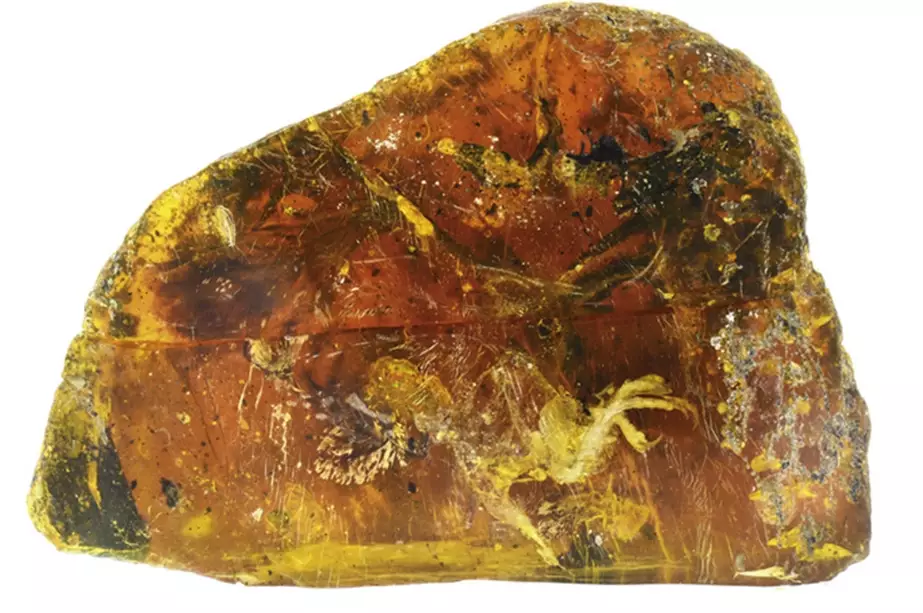
The Many Faces of Amber: A Guide to Types and Colors
When you say "amber," what color do you picture? Honey-yellow? That's just the start. Amber's palette is vast, determined by the tree source, the soil minerals it was buried in, the presence of bubbles, and oxidation over time.
The single biggest mistake beginners make is assuming all amber is the same. It's not. The source location dramatically affects its character and value.
| Type / Source | Typical Colors | Key Characteristics & Inclusions | Approx. Age & Notable Source |
|---|---|---|---|
| Baltic Amber (Succinite) | Buttery yellow, honey, cognac, milky white, even greenish. | Often contains succinic acid (hence the name). Famous for abundant insect and plant inclusions. The most common and commercially available amber. | ~44 million years old. Primarily from the Baltic Sea region (Poland, Lithuania, Russia). |
| Dominican Amber | Ranges from transparent yellow to the rare and prized blue amber and red amber. | Famous for exceptional clarity and spectacular biological inclusions (frogs, lizards, complete insects). Blue amber exhibits strong fluorescence under UV light. | ~25-30 million years old. Mined from mountains in the Dominican Republic. |
| Mexican Amber (Chiapas Amber) | Deep reds, cherries, yellows, and browns. | Similar in age and origin to Dominican amber but with a distinct color profile. Often has a rich, warm tone. | ~25-30 million years old. From Chiapas, Mexico. |
| Burmese Amber (Burmite) | Dark reds, browns, and oranges. | Extremely old and scientifically invaluable. Contains an incredible diversity of Cretaceous-period inclusions (dinosaurs feathers, early birds, countless insects). | ~99 million years old. From mines in northern Myanmar. |
See the difference?
If you're buying a piece with a stunning, clear lizard inside, it's almost certainly Dominican. If it's a deep, cherry red, think Mexican. That classic honey-colored bead necklace? Almost always Baltic.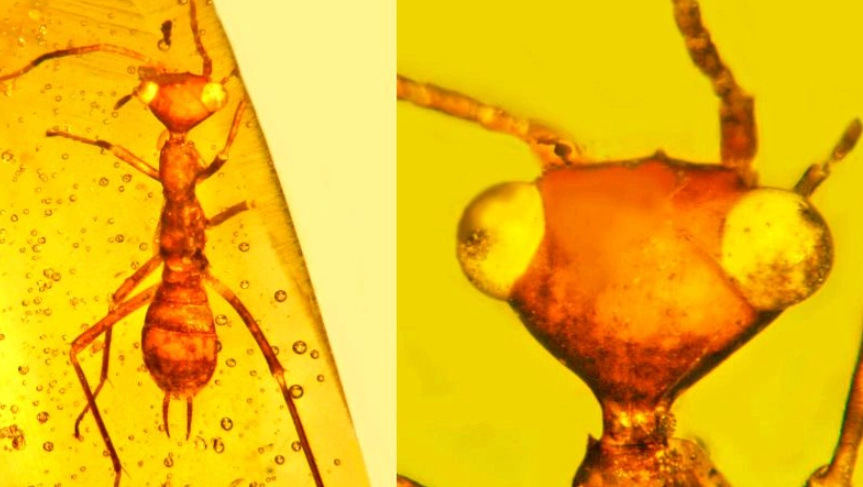
Watch Out: The term "Baltic Amber" is sometimes misused. Some sellers label any yellow amber as "Baltic" to command a higher price. True Baltic amber will often have a certificate of origin from an institute like the International Amber Association in Gdańsk.
What Determines Amber's Value? It's Not Just About Age
You might think older = more valuable. Not necessarily. Burmese amber is the oldest on the market, but its value is primarily to museums and scientists. For collectors and jewelers, other factors dominate.
Inclusions are king. A perfectly clear piece of amber is lovely. But a piece with a perfectly preserved, well-positioned insect, spider, or flower can be worth 10 to 100 times more. The inclusion must be complete, clearly visible, and aesthetically centered. A common gnat adds some value; a rare winged ant or a vertebrate fragment (like a lizard tail) sends the price skyrocketing. The Natural History Museum in London has some of the most priceless inclusion specimens.
Color and Clarity. In the absence of great inclusions, color takes over. The rare blue and green Dominican ambers command premium prices. Deep, clear cherry reds from Mexico are also highly sought after. Clarity matters—fewer internal fractures or clouds mean higher value.
Cut and Polish. A skilled artisan can turn a rough lump into a masterpiece. The quality of the carving, the polish (it should feel like smooth glass, not waxy), and the overall design significantly affect the price. A well-executed cabochon or a detailed figurine showcases the material's beauty.
Size and Weight. As with most gems, larger pieces are rarer and more valuable per gram, especially if they maintain good color and clarity.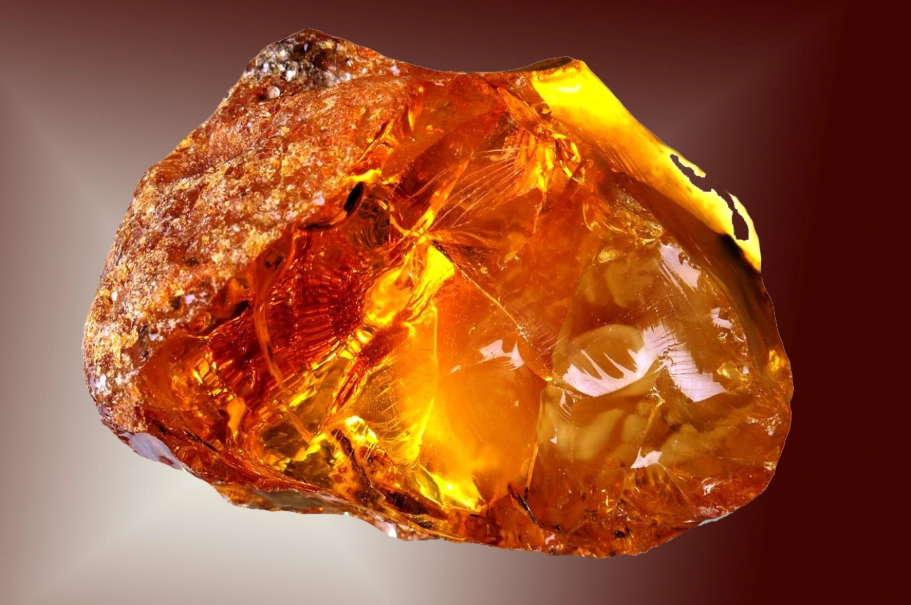
Here's my personal take, after years in the trade: the most overrated value factor is perfectly clear, inclusion-free yellow amber. It's beautiful, but it's also the most commonly faked and the least interesting. The real magic, the true answer to "what do you mean by amber," is in the pieces that tell a story—the ones with a little bug that got stuck on a sunny day 40 million years ago.
The Amber Minefield: How to Identify Real Amber and Avoid Fakes
This is where your new knowledge gets practical. The market is flooded with imitations. Let's break down how to protect yourself.
The Common Impostors
Copal: The arch-nemesis. It's young resin, often sold as "young amber" or "African amber." It's sticky, smells piney when rubbed, and can dissolve in alcohol. It hasn't fully polymerized.
Plastic (Bakelite, Celluloid, Polyester): The most common fake. It feels uniformly warm or cool, lacks natural flow lines or tiny imperfections, and often has swirls of color.
Glass: Feels cold and is much heavier. Easy to spot if you heft it.
Pressed/Reconstructed Amber: Made from amber dust and small pieces fused under heat and pressure. It's real amber material but not a natural stone. It often shows flow patterns that look unnatural or cloudy, elongated bubbles.
Simple At-Home Tests (The Safe Ones)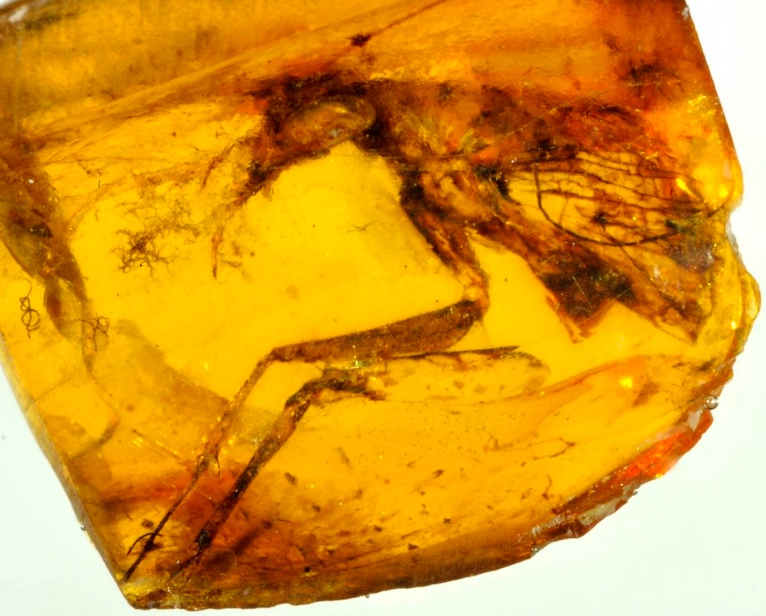
1. The Salt Water Test: Real amber has a density very close to that of salt water. Mix 7-8 tablespoons of salt in a cup of warm water. Stir until dissolved. Genuine amber will usually float. Most plastics and glass will sink. Caveat: Some plastics also float, and some dense Baltic amber might suspend or sink slowly. This is an elimination test, not a confirmation.
2. The Static Electricity Test: Rub the piece vigorously on wool or silk for 30 seconds. Real amber builds a strong negative charge and will pick up small pieces of paper or pepper. Plastic does this too, but often less effectively. Copal does it as well. Again, not definitive alone.
3. The Hot Needle Test (USE EXTREME CAUTION): Heat a needle until red-hot in a flame. In an inconspicuous area (like the back of a setting), gently touch the needle to the surface. Real amber will emit a faint, pleasant piney or resinous white smoke. Plastic will melt and smell acrid and chemical (like burning plastic). This is destructive—only do this if you own the piece and don't mind a tiny mark.
4. UV Light Test: Under a long-wave UV blacklight, most genuine amber will exhibit a strong blue, green, or white fluorescence. Dominican blue amber glows an intense, bright blue. This is one of the more reliable non-destructive tests.
The Professional's Advice: No single home test is 100% foolproof. For any significant purchase, insist on a certificate from a reputable gemological laboratory like the Gemmological Association of Great Britain (Gem-A) or the International Amber Association. It's worth the small fee for peace of mind.
Your Amber Questions, Answered by a Gemologist
 I see "amber" jewelry for very cheap online. Is it real?
So, what do I mean by amber?
I mean a window into a lost world. I mean a survivor of geology's slow alchemy. I mean a gem that warms in your hand and captures sunlight like no other stone. I also mean a subject where a little knowledge—knowing your Baltic from your Dominican, your amber from your copal—is the difference between owning a piece of deep history and owning a piece of clever plastic.
Look closer. Ask more. The real story is in the details.