You’ve seen lapis lazuli. That deep, celestial blue dotted with flecks of gold—it’s unmistakable. For centuries, it’s been carved into jewelry, ground into priceless pigment, and buried with pharaohs. But when someone today searches for "lapis lazuli benefits," they’re rarely just looking for a history lesson. They’re asking a more personal question: Can this ancient stone actually do something for me? The answer isn't a simple yes or no. It's a journey into how a physical object can become a tool for focus, honesty, and self-discovery. Let's cut through the mystical fluff and talk about what people genuinely experience.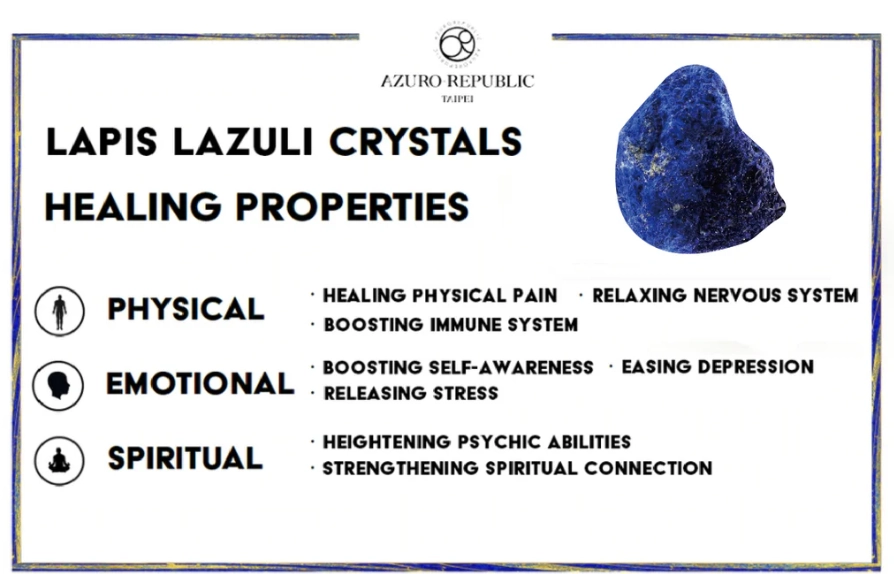
What You’ll Discover in This Guide
The 7 Core Benefits of Lapis Lazuli Explained
Forget vague promises of "positive energy." The value of lapis lazuli, based on both tradition and modern user reports, boils down to specific, actionable areas of life. Think of these not as magical guarantees, but as intentional focuses you can cultivate with the stone as a tangible reminder.
| Benefit | What It Means for You | Best Used For |
|---|---|---|
| Mental Clarity & Focus | Cutting through brain fog and distracting thoughts. It’s linked to the “third eye” and throat chakras, areas associated with insight and expression. | Studying, problem-solving at work, starting a creative project. |
| Honest Communication | Fostering the courage to speak your truth with integrity, both to others and to yourself. | Difficult conversations, setting boundaries, journaling for self-honesty. |
| Emotional Balance | Calming stress and anxiety, not by numbing you, but by providing a “cool blue” perspective on heated emotions. | During stressful periods, managing anger or frustration, before meditation. |
| Creative Insight | Unblocking creative channels and connecting to deeper wells of inspiration. Historically, the ultramarine pigment made from lapis was reserved for the most important figures in art. | Artist’s block, brainstorming sessions, any creative endeavor. |
| Spiritual Awareness | Deepening meditation and encouraging self-reflection. It’s often called the “stone of wisdom.” | Meditation practices, dream work, exploring personal spirituality. |
| Intuition Boost | Sharpening your gut feelings and inner knowing, helping you distinguish fear from genuine intuition. | Making decisions, when you feel “stuck,” navigating complex social situations. |
| Self-Expression | Encouraging authentic expression in all forms—art, writing, speech, even how you present yourself to the world. | Public speaking, artistic performance, building personal confidence. |
Here’s a personal take: I’ve found the “mental clarity” benefit to be the most immediately noticeable. I keep a small, tumbled piece on my desk. When I’m writing and hit a wall, picking it up and just rolling it in my palm creates a tangible pause. It doesn’t magically write the sentence for me, but it breaks the cycle of frantic, unproductive thinking. That shift is the real benefit.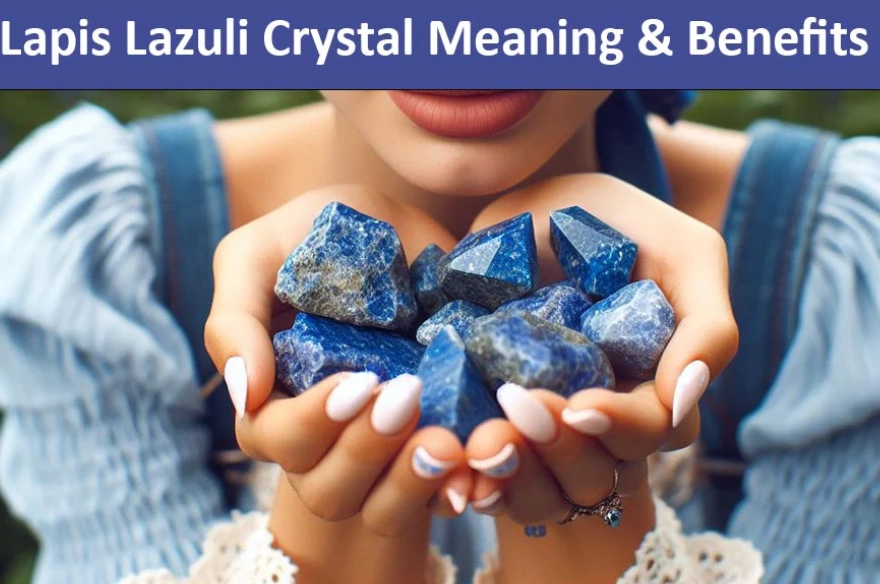
A Note on “Healing”: In the context of crystals like lapis lazuli, “healing properties” typically refer to emotional, spiritual, or energetic well-being, not a substitute for medical diagnosis or treatment. Always consult a healthcare professional for physical or mental health concerns. Organizations like Mindful offer great, evidence-based resources for mental wellness that can complement a holistic practice.
How to Use Lapis Lazuli: Practical Methods That Work
Buying a lapis lazuli stone and tossing it in a drawer won’t do much. Its value comes from intentional interaction. Here are methods that move beyond theory.
Wear It Close to Your Skin
This is the most effective way for many. The idea is constant, subtle contact.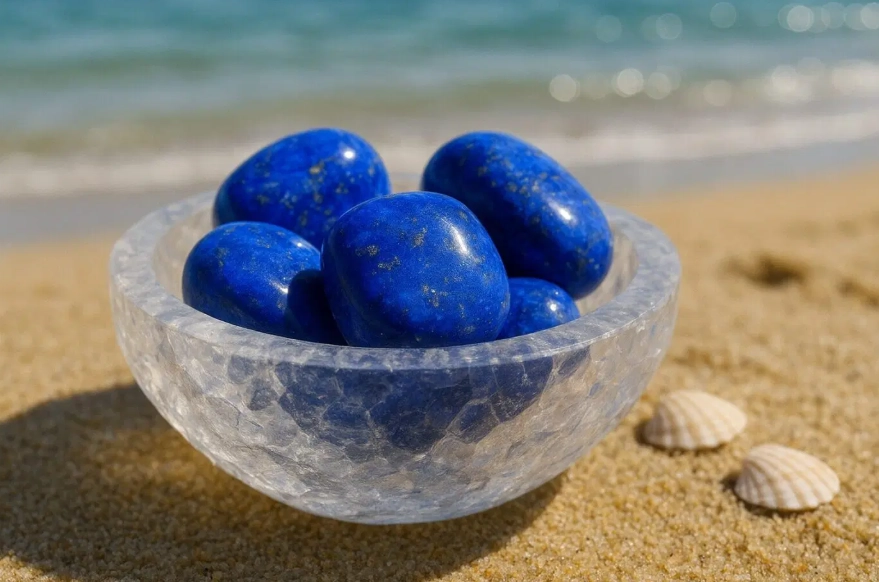
- Necklaces or Pendants: Worn near the throat (communication) and upper chest. A simple bezel pendant on a silver chain works perfectly.
- Bracelets: On your wrist, it’s in your line of sight throughout the day, a visual reminder of your intention.
- Earrings: Close to the head, subtly supporting mental clarity.
Don’t just put it on. When you clasp that necklace, take a second to set an intention. “Today, I speak with clarity and kindness.” That act bridges the gap between the stone and your goal.
Place It in Your Environment
Strategic placement turns the stone into an environmental cue.
- On Your Desk: For focus during work or study. Place it near your computer monitor.
- By Your Bed: To encourage insightful dreams or a calm mind before sleep. Not recommended if you find it stimulating.
- In a Meditation Space: Hold it in your hand or place it in front of you as a focal point.
Incorporate It into Rituals
This is where the “wisdom stone” aspect shines.
- Meditation: Hold it. Feel its weight and cool temperature. Visualize its deep blue light clearing your mind.
- Journaling: Keep a piece next to your journal. Touch it when you’re searching for an honest answer to a tough question you’re writing about.
- Breathing Exercise: During a stressful moment, hold the lapis, take three deep breaths, and imagine inhaling calm blue light and exhaling gray stress.
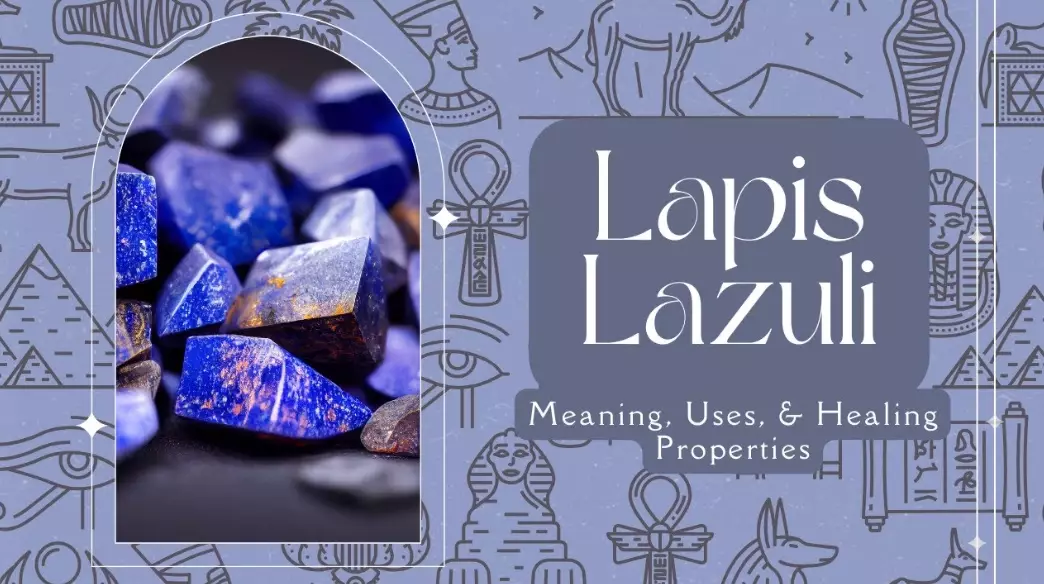
Choosing Quality Lapis: A Quick Buyer’s Reality Check
Not all lapis is equal. The market is full of dyed howlite and cheap imitations. A poor-quality stone might not ruin the experience, but a genuine, well-formed piece feels different—more substantial, more resonant.
What to look for:
- Color: A rich, uniform royal blue to violet-blue is most prized. Avoid a flat, dull, or overly grayish blue.
- Pyrite: Those gold flecks should be brassy yellow and crystalline, not a uniform, painted-on gold sparkle. Their presence is good; too many can make the stone brittle.
- Calcite: White streaks or patches (calcite) are common and natural, but a high-quality piece will have minimal white webbing. Some people prefer the look of more calcite—it’s a personal choice.
- Feel: It should feel cool and relatively heavy for its size.
The biggest pitfall? Assuming a higher price always means better quality. I’ve seen beautifully natural, modestly priced tumblestones and wildly overpriced, dyed beads. Reputable sellers, especially those who provide information about the mine origin (Afghanistan is the classic source, but Chile and Russia also produce), are worth seeking out. The Gemological Institute of America (GIA) is an unparalleled resource for gemstone education if you want to dive deeper into identification.
Common Mistakes People Make (And How to Avoid Them)
After years of talking to collectors and newcomers, I see the same missteps. Avoiding these will get you better results, faster.
Mistake 1: Treating it like a battery. People expect to wear it and feel an instant, overwhelming zap of clarity. It doesn’t work like that. Lapis is more like a tuning fork than a battery. It provides a frequency—a reminder—and you have to align with it. The work is still yours.
Mistake 2: Never cleansing it. The theory is that stones can absorb ambient energy. Whether you believe that or not, the practical act of cleansing—running it under cool water, leaving it in moonlight, smudging it with sage—is a ritual of resetting your own intention. It’s a mental refresh button. Do it monthly, or when the stone feels “heavy” to you.
Mistake 3: Using it passively. The single biggest error is not setting an intention. Without that, it’s just a blue rock. Before you wear it or use it in meditation, hold it and clearly state (out loud or in your mind) what you’re seeking. “I am open to creative ideas.” “I communicate with confidence.” This directs the practice.
Your Top Lapis Lazuli Questions Answered
Which is better for anxiety, lapis lazuli or amethyst?
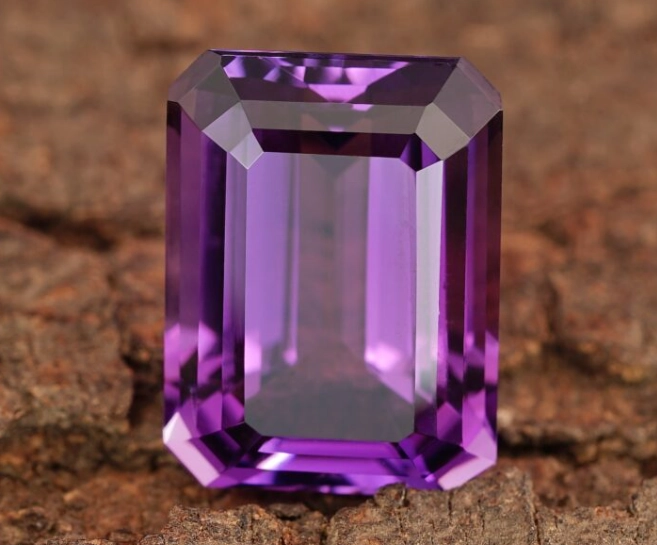
They work differently. Amethyst is often described as a calming, soothing blanket—it quiets the noise. Lapis lazuli is more like a wise friend who helps you understand and articulate the source of your anxiety. If your anxiety is a general, buzzing overwhelm, amethyst might feel more immediately comforting. If your anxiety is tied to unspoken thoughts, communication fears, or mental clutter, lapis could be more effective by promoting clarity and honest expression.
Can I wear lapis lazuli every day, and how do I clean it safely?
You can wear it daily, but be mindful. Lapis has a medium hardness (around 5-5.5 on the Mohs scale). It can be scratched by dust (which contains quartz) and is sensitive to harsh chemicals, heat, and prolonged sunlight. For cleaning: use a soft, dry cloth. For a deeper cleanse, use lukewarm water with a tiny drop of mild soap, rinse quickly, and pat dry immediately. Avoid ultrasonic cleaners, steamers, and salt water. The safest “energetic” cleanses are moonlight, sound (like a singing bowl), or passing it through the smoke of dried sage.
 I bought a lapis bracelet for focus at work, but I don’t feel anything. Am I doing it wrong?
Probably not. The sensation is rarely a dramatic “feeling.” It’s subtler. Instead of waiting for a tingle, track your behavior. At the end of a week wearing the bracelet, ask: Did I get distracted slightly less? Was I able to articulate my point in a meeting a bit more clearly? Did I have one moment of unexpected insight? The effects are often noticed in hindsight. Also, check your intention. When you put it on each morning, actively think, “This helps me focus.” That conscious coupling is crucial.
Is there a specific way to use lapis lazuli for public speaking?
Absolutely. This is a classic use. Hold a piece in your hand for 5-10 minutes before you speak. Focus on your breath and visualize the blue energy settling in your throat and chest, giving weight and truth to your words. If possible, wear a lapis pendant for the event. For a quick backstage boost, press a small stone to the center of your throat (the throat chakra area) for 30 seconds while taking three slow breaths. It’s less about magic and more about a powerful physical ritual to center yourself and connect to your authentic voice.
How can I tell if my lapis lazuli is real or fake?
A few home tests can raise red flags. First, the scratch test (carefully): Real lapis is soft. Try scratching an inconspicuous spot with a steel pin (like a sewing needle). If it scratches easily, that’s a good sign (but do this gently!). If it doesn’t scratch, it might be dyed jasper or a synthetic composite. Second, check for dye: Rub a cotton swab with acetone (nail polish remover) on a hidden area. If blue comes off, it’s dyed. Finally, examine the pyrite: The gold flecks should be irregular in size and shape, not perfectly round or uniform. When in doubt, buying from a trusted, knowledgeable dealer is the best insurance.
The real benefit of lapis lazuli isn’t found in a list of mystical properties. It’s found in the pause you create when you hold it. It’s in the intention you set to be clearer, braver, and more honest with yourself. It’s a tool, a beautiful, ancient tool, but the craftsmanship is yours. Start with one small, genuine stone. Place it where you’ll see it. Use it to remind yourself to take that deep breath, to find that clear thought, to speak that necessary truth. That’s where the magic—the real, practical magic—happens.