You've seen it in jewelry, maybe in a museum. That intense, celestial blue with flecks of gold. Lapis lazuli. It's stunning, but here's the thing most articles don't tell you: treating it only as decoration misses 90% of its power. For over 6,000 years, from the tombs of Egyptian pharaohs to the studios of Renaissance masters, this stone has been revered not for its looks alone, but for its profound spiritual meaning. It wasn't called "the stone of truth" and "the stone of royalty" by accident. If you're feeling scattered, struggling to speak your mind, or sense your intuition is buried under noise, that's where lapis lazuli's real magic begins. It's less about vague "good vibes" and more about a specific, grounding energy that targets communication, self-awareness, and inner vision. Let's cut through the fluff and get into what it actually does, how to use it without common mistakes, and why the quality of your stone matters more than you think.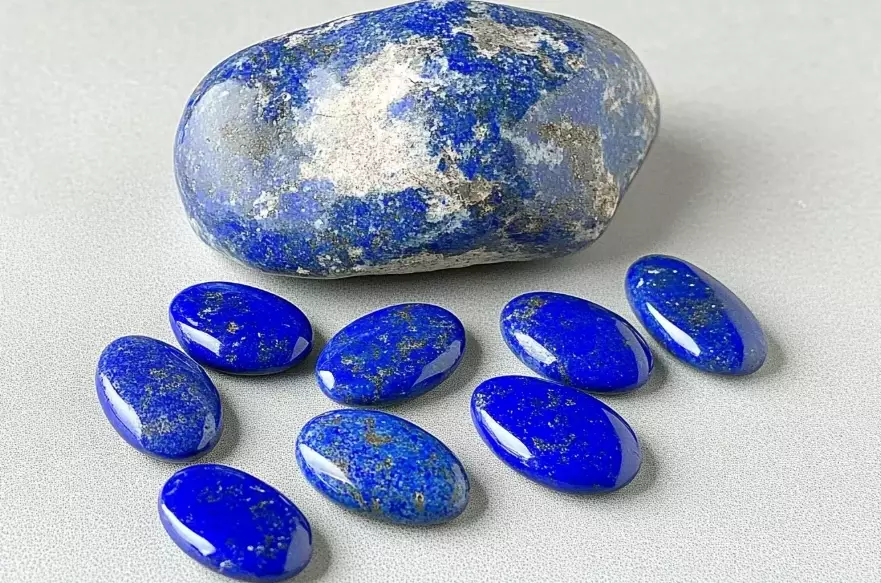
What You'll Discover in This Guide
What Is the Core Spiritual Meaning of Lapis Lazuli?
At its heart, the spiritual meaning of lapis lazuli revolves around truth. Not just telling the truth to others, but the harder task: facing the truth about yourself. Its deep blue color, often likened to the night sky, connects it to wisdom, intuition, and the vastness of the mind. The golden pyrite inclusions aren't just "fool's gold"—in spiritual contexts, they're seen as sparks of insight, moments of clarity that pierce through confusion.
Historically, this connection is undeniable. The ancient Sumerians believed their gods lived in a lapis lazuli heaven. Egyptians used powdered lapis as eyeshadow for Cleopatra, but more importantly, they carved it into scarabs and placed it over the heart of mummies to guide and protect the soul in the afterlife—a direct link to its association with inner vision and spiritual protection. Fast forward to the Middle Ages in Europe, where it was ground into ultramarine, the most expensive pigment, reserved for painting the robes of the Virgin Mary, symbolizing holiness and truth.
The Top 3 Spiritual Benefits of Lapis Lazuli (Backed by Tradition)
Forget generic lists. Based on centuries of use across cultures, these are the three areas where lapis lazuli consistently shows up as a key player.
1. The Truth-Teller & Communicator
This is its flagship benefit. Lapis is associated with the throat chakra, the energy center of communication. It doesn't just make you talk more; it helps you articulate your inner truth with clarity and confidence. Stumble over words when trying to be assertive? Feel a knot in your throat when you need to set a boundary? That's where lapis comes in. It's like a spiritual vocal coach, encouraging you to align your outer speech with your inner knowing. I've found it particularly useful before difficult conversations—holding a piece helps organize my thoughts and reduces that anxious, defensive energy.
2. The Intuition Booster & Mental Clarity Stone
The "night sky" stone is famous for enhancing intuition and mental clarity. It's believed to stimulate the third eye chakra (the seat of intuition) and the brow chakra (linked to insight). This isn't about psychic fantasies. Practically, it helps sift through mental clutter, quiet the constant inner chatter, and access deeper understanding. If you're overthinking a decision or feel mentally foggy, meditating with lapis can create space for genuine insight to surface. It encourages objectivity, helping you see situations from a higher perspective.
3. The Emotional Stabilizer for Modern Stress
Here's a less poetic but crucial benefit: emotional regulation. Its deep, calming blue energy is said to counteract anger, release stress, and soothe feelings of overwhelm. In our always-on world, this is a major user pain point. It doesn't sedate you. Instead, it provides a stable, grounded foundation from which you can process emotions without being swept away by them. Many find it helps with releasing old resentments or patterns of criticism (both of self and others), tied back to its truth-telling nature—you can't heal what you won't acknowledge.
How to Use Lapis Lazuli in Your Spiritual Practice
Owning the stone is step one. Using it intentionally is where the transformation happens. Here are concrete, actionable ways to integrate it.
Meditation & Journaling Companion
This is the most direct method. Hold a lapis lazuli palm stone or place it on your forehead (third eye) or throat during meditation. Don't force anything. Set a simple intention like, "I open to clarity," or "I speak my truth with ease." Notice any shifts in your thoughts or bodily sensations. After meditating, keep the stone nearby while journaling. You might find thoughts flowing more freely, or uncovering truths you'd been avoiding on paper.
Wearing It for All-Day Energy
Jewelry is a powerful delivery system. A lapis pendant worn near the throat chakra provides constant, gentle support for communication. Rings or bracelets keep its grounding energy on your person. The key is intention. When you put it on, take a second to connect. A simple mental note like, "I carry the energy of truth today," programs the stone and your own mind for the day ahead.
Strategic Placement in Your Space
Place a good-sized lapis specimen in your home office or study to encourage clear thinking and focused work. In the bedroom, it can promote honest communication with a partner and peaceful, insightful dreams. Some place it near their computer, as a talisman against the distracting, chaotic energy of the internet.
Choosing & Caring for Your Lapis: A Buyer's Guide
Not all lapis is created equal. Knowing what to look for saves money and ensures you get an energetically potent stone.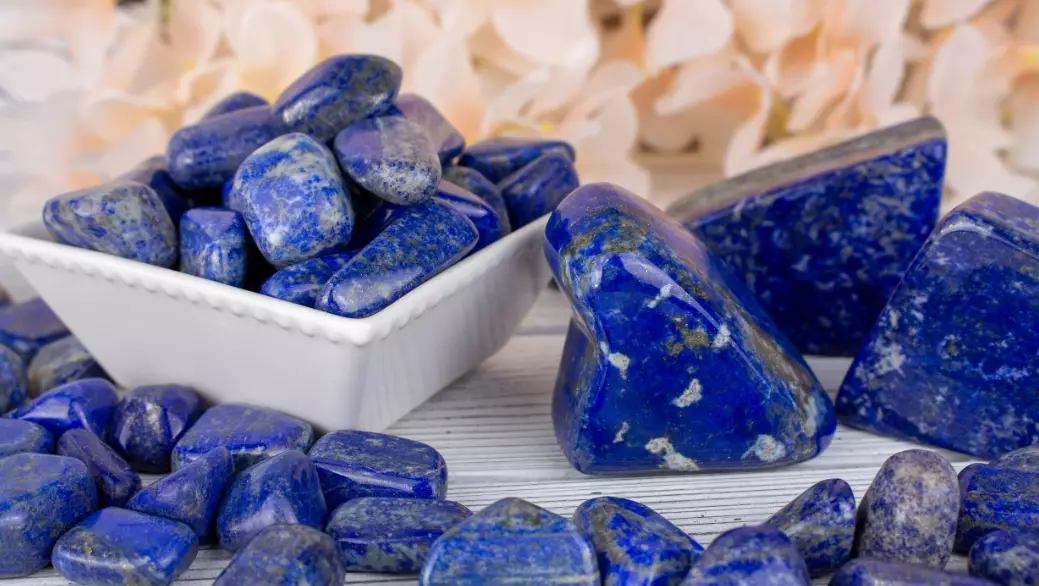
Color is King: Seek a uniform, intense royal blue to deep violet-blue. Avoid stones that are mostly white calcite (the grayish or streaky parts) or have only a few blue spots. The richer the blue, the better.
Pyrite is a Feature, Not a Flaw: Those golden flecks should be desirable. Well-distributed, brassy-yellow pyrite adds to the stone's energy and beauty. However, avoid stones where pyrite covers the surface in a thick, rusty-looking layer, as it can be unstable.
Origin Matters (A Bit): The finest lapis has historically come from the Sar-e-Sang mines in Afghanistan's Badakhshan province. This doesn't mean lapis from Chile or Russia is "bad," but Afghan lapis often sets the standard for color. Be wary of sellers who don't disclose treatments.
The Cleaning Lowdown: Lapis is porous and relatively soft. Never use ultrasonic or steam cleaners. Never soak it in salt water or harsh chemicals. To cleanse its energy, use gentle methods: smudging with sage, placing it on a selenite plate, or bathing it in moonlight. To physically clean it, use a soft, dry cloth. If needed, a barely damp cloth followed by immediate drying is okay.
Your Lapis Lazuli Questions, Answered
 I've heard lapis is connected to the third eye. How is that different from amethyst?