You've seen that deep, celestial blue, often speckled with golden pyrite. It's captivating. But what is lapis lazuli actually good for? Is it just a pretty rock for a necklace, or is there more to the story? The answer is a lot more interesting than you might think. For thousands of years, this stone has been a cornerstone of art, power, and spiritual practice. Today, its uses span from the bezel of a luxury watch to the palette of a master painter, and yes, to the meditation cushion. Let's cut through the noise and look at what this ancient gem can really do.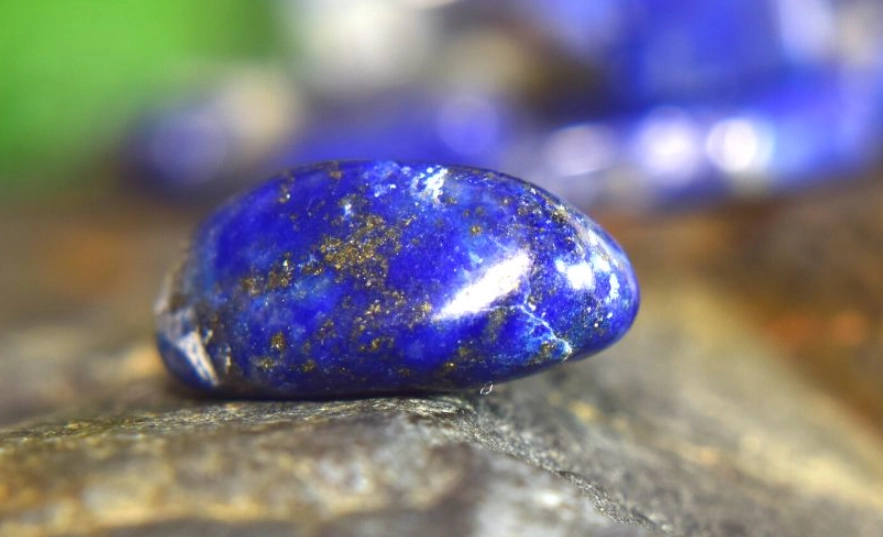
What You'll Discover in This Guide
From Pharaohs to Pigments: The Historical Rockstar
To understand what lapis lazuli is good for, you have to start with where it's been. This isn't a new-age fad. Its resume is millennia long.
The most famous source for millennia was the Sar-e-Sang mines in the mountains of modern-day Afghanistan. Getting it out was a brutal journey, which is why it was valued more than gold in some ancient societies. Cleopatra used powdered lapis as eyeshadow. Sumerian tombs were filled with it. But its most enduring historical use was as a pigment.
Ultramarine: The Priceless Blue
When lapis lazuli is carefully ground and purified, it produces a pigment called natural ultramarine. Before the 19th century, there was no synthetic substitute. This meant ultramarine was astronomically expensive, reserved for the most important parts of a painting—like the Virgin Mary's robes. Artists like Michelangelo and Vermeer relied on it, and patrons would specify in contracts how much ultramarine could be used. It wasn't just color; it was a statement of importance and devotion. When a synthetic version was invented in 1826, it democratized the color but also ended one of lapis lazuli's primary practical applications overnight.
That shift from essential art supply to primarily decorative stone is key to its modern story.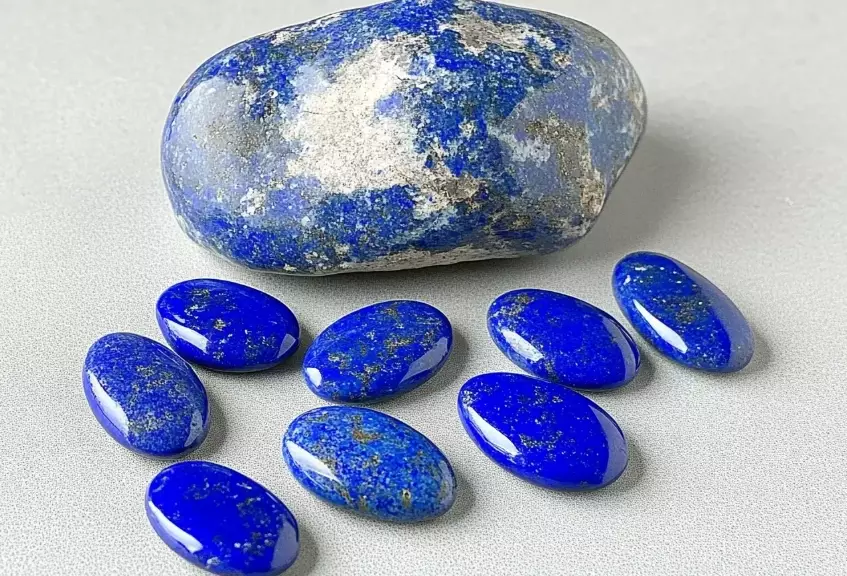
What is Lapis Lazuli Used for Today?
So, if we're not grinding it up for paint, what is lapis lazuli good for now? Its applications are surprisingly varied.
1. Jewelry and Adornment (The Obvious One)
This is the primary commercial use. Its rich blue works with both sterling silver and yellow gold. You'll find it in:
- Beaded necklaces and bracelets: Often cut into smooth, round or oval beads. The best pieces have an even, deep blue with subtle, sparkly pyrite flecks.
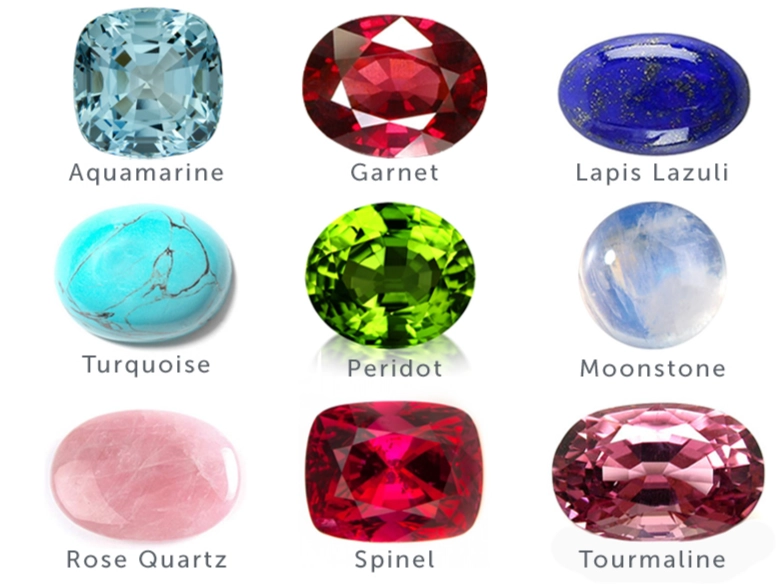
- Cabochon rings and pendants: The stone is usually cut en cabochon (a smooth, polished, domed shape) to showcase its color and matrix. It's popular in men's signet rings and statement pendants.
- Inlay work: Small, flat pieces are used in mosaic-like designs on boxes, dagger handles, and decorative objects.
A word of caution here. Lapis is relatively soft (around 5-5.5 on the Mohs scale). A ring is fine for occasional wear, but if you're hard on your hands, it will scratch and dull quickly. I learned this the hard way with a lapis ring I wore daily—within a year, the high points were noticeably abraded.
2. Carvings and Ornamental Objects
Lapis has been carved into seals, figurines, and vases for centuries. Modern lapidaries still create beautiful spheres, pyramids, and animal carvings. These are sold as collectibles, decorative pieces, or for use in crystal grids. The value here depends heavily on the uniformity of color and the skill of the carving. A poorly executed carving on a patchy stone isn't worth much.
3. A Collector's Mineral Specimen
High-quality, untreated lapis lazuli with brilliant blue color and well-defined, crystalline pyrite is sought after by mineral collectors. The finest specimens still come from Afghanistan. A cabinet-sized specimen of top-grade material can command prices rivaling many precious gemstones.
The Metaphysical Angle: Lapis Lazuli Healing Properties
This is where the question "what is lapis lazuli good for?" gets subjective. In metaphysical circles, lapis is considered a powerhouse. It's dubbed the "Stone of Truth" and is associated with the throat chakra.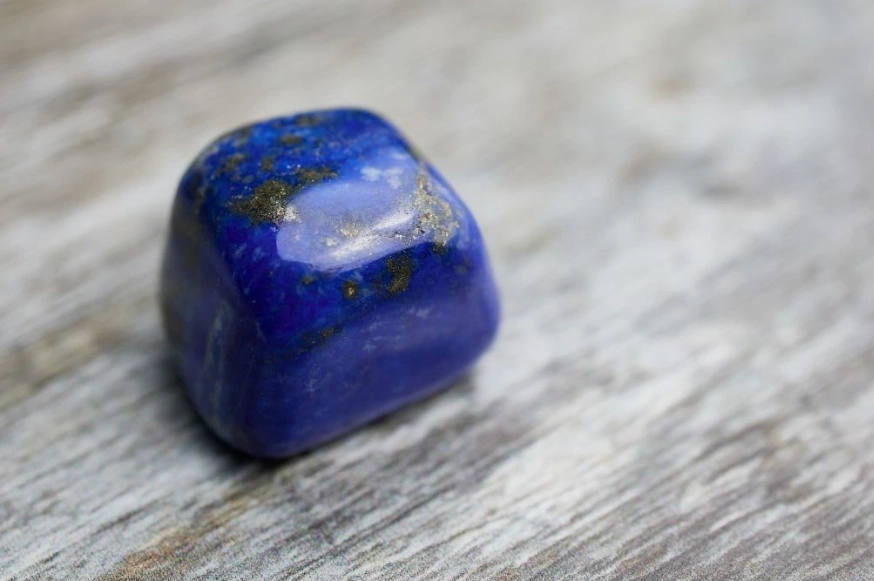
Commonly attributed properties include: Enhancing clear communication and self-expression, encouraging honesty (with oneself and others), stimulating intellectual ability, and promoting inner peace. Many people use it during meditation, place it on their throat or forehead, or simply keep a piece on their desk.
Let's be clear: there is no scientific evidence that crystals heal physical ailments. Any benefit comes from the placebo effect or the mindful intention you bring to the practice. However, the cultural and historical weight behind lapis gives these beliefs a powerful resonance. If holding a beautiful, ancient stone helps you focus your thoughts or find your voice, that's a real use. It's a tool for mindfulness, not medicine.
I've spoken to therapists who keep a lapis stone on their office desk as a tactile reminder for clients to speak their truth. That's a practical, modern application of its symbolic meaning.
How to Tell if Lapis Lazuli is Real (A Practical Guide)
The market is flooded with fakes. Knowing what lapis lazuli is good for is pointless if you're buying dyed howlite or synthetic spinel. Here’s how to spot the real deal.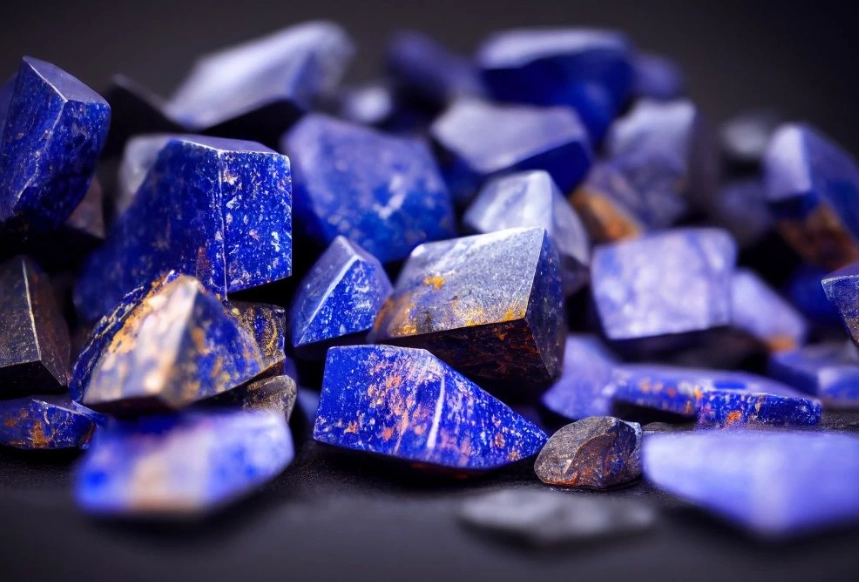
The Giveaways of a Fake:
- Too Perfect and Uniform: Natural lapis has variations. If the blue is unnaturally even and the pyrite flecks are perfectly spaced and identical, it's suspicious.
- Dye Rub-Off: Rub a damp white cotton swab or cloth on an inconspicuous area. If blue comes off, it's dyed (usually dyed howlite or jasper).
- Wrong "Sparkle": Fake lapis might use added copper flakes to mimic pyrite. Real pyrite has a brassy, cubic, and somewhat tarnished look. Added copper is often shinier and flakier.
- Absence of Calcite Veins: While top-grade lapis has minimal white calcite, most stones have some. If there's zero white and the texture is completely smooth and uniform, be wary.
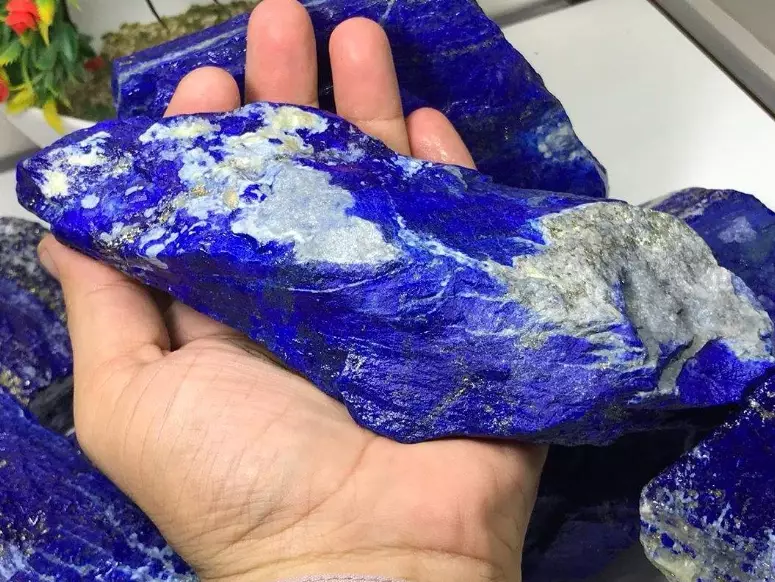
What Real Lapis Lazuli Looks Like:
- Color Variation: Shades can range from royal blue to deep indigo, often within the same piece.
- Natural Pyrite: The golden flecks are irregularly shaped and distributed. They are embedded in the stone, not sitting on top.
- Texture: It can feel slightly granular. A perfect, glassy polish is less common.
- Weight: It should feel reasonably dense for its size.
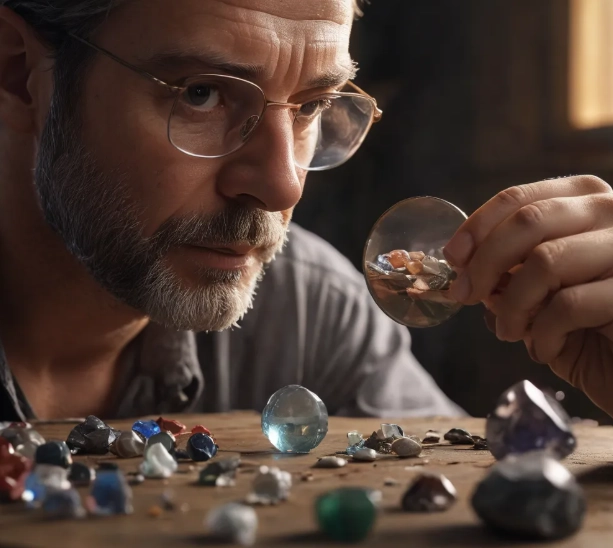
The most convincing fake I've seen is reconstituted lapis—where powdered low-grade lapis is mixed with resin and pressed. It passes the scratch and dye tests. The tell? Under magnification, it lacks the granular, interlocking structure of the natural stone and can have a plastic-like sheen.
Caring for Your Stone: It's Not as Tough as It Looks
Lapis is porous and soft. Here’s how to keep it looking good:
- Avoid Water and Chemicals: Don't soak it. Remove lapis jewelry before swimming, showering, or using cleaners. Water can dull the polish and seep into cracks.
- Store It Softly: Keep it separate from harder gems to prevent scratches. A soft pouch is ideal.
- Clean Gently: Wipe with a dry, soft cloth. If needed, a barely damp cloth followed by immediate drying is the limit. Never use ultrasonic or steam cleaners.
- Re-polish: Over time, it may lose its shine. A professional jeweler can re-polish a cabochon easily.
Your Lapis Lazuli Questions, Answered
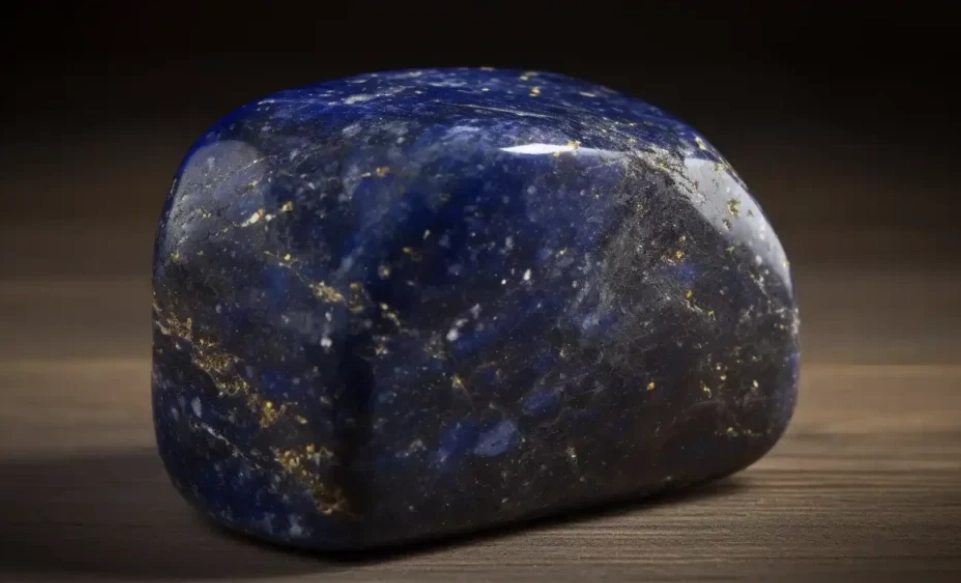 So, what is lapis lazuli good for? It's a tangible piece of art history, a striking medium for jewelry, a symbolic tool for personal reflection, and a test of your eye for authenticity. Its value lies not in one magical property, but in that unique intersection of beauty, history, and meaning. Whether you're drawn to its color, its story, or its purported energy, understanding its real nature—both glorious and fragile—is the first step to truly appreciating it.