If you've come across a dark green stone speckled with vivid red spots and wondered about its purpose, you're not alone. The question "what is a bloodstone used for?" opens a door to a world that spans from elegant jewelry stores to ancient healing traditions and modern spiritual practices. At its core, bloodstone (also known as heliotrope) is a variety of chalcedony, and its uses are as multifaceted as the stone itself. Forget the one-line answers you might find elsewhere. Let's break down exactly how this distinctive gemstone functions in practical, historical, and personal contexts.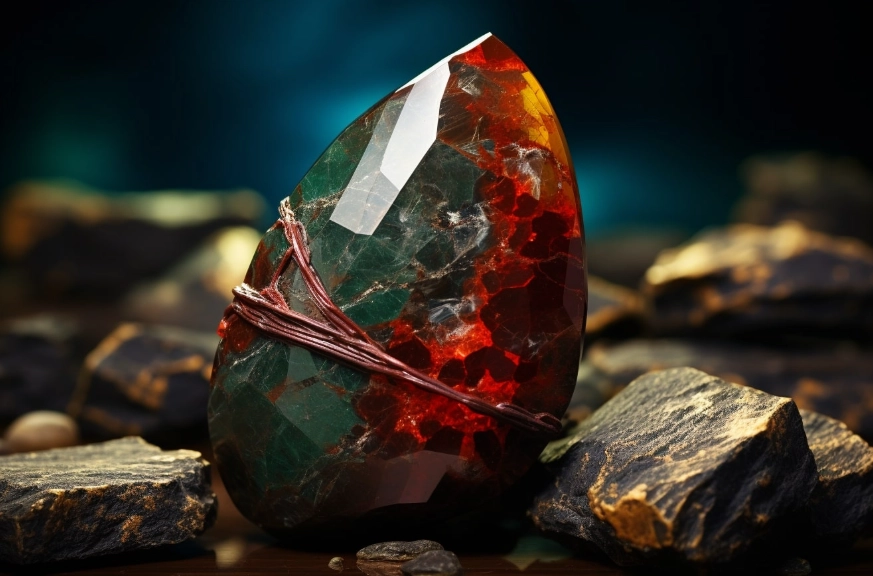
What You'll Learn in This Guide
Bloodstone in Jewelry: From Rings to Statement Pieces
This is the most visible and widespread use of bloodstone. Its deep, forest-green base provides a sophisticated backdrop, while the red inclusions (iron oxide, typically hematite) add a unique, organic character. It's not a flashy, sparkly gem like a diamond. Its appeal is earthy, bold, and masculine-leaning, though many stunning pieces are designed for anyone.
Popular Jewelry Forms and Styles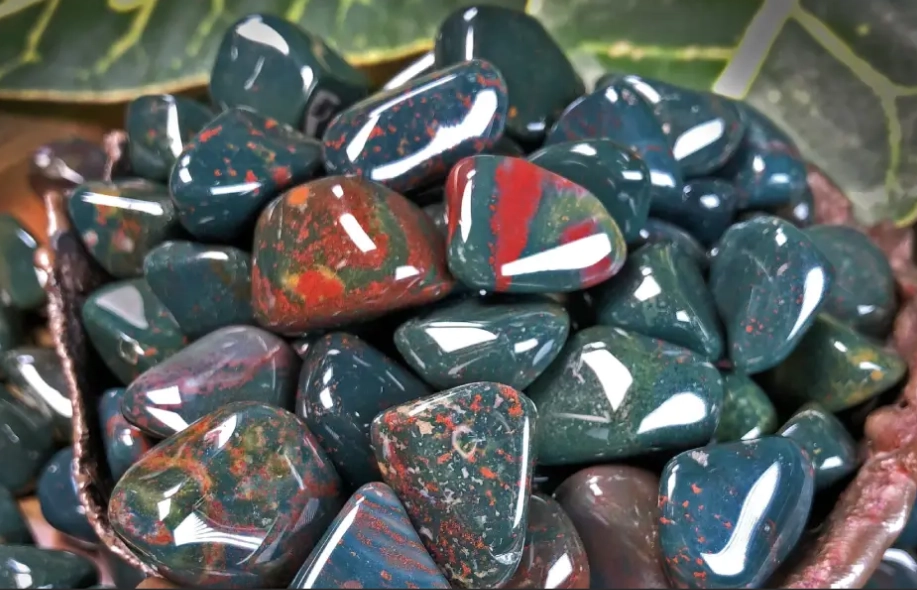
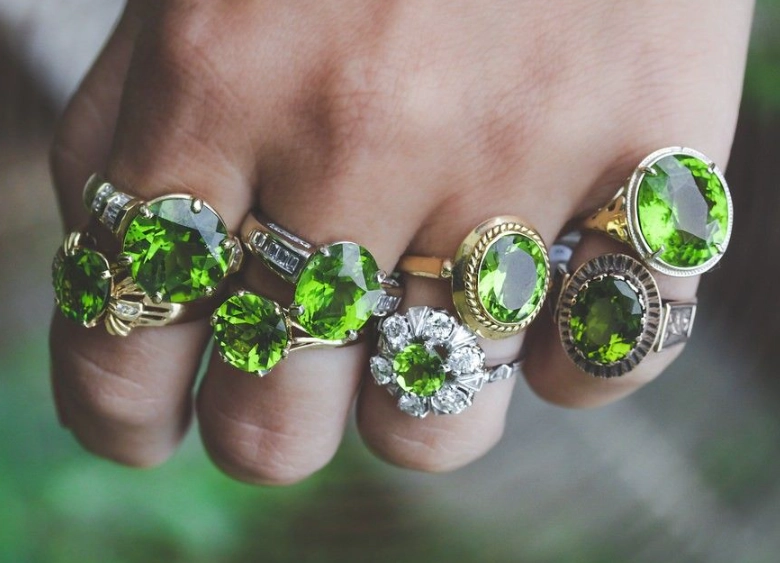
Men's Rings and Signets: Bloodstone is a classic choice for men's rings. Its durability (6.5-7 on the Mohs scale) makes it suitable for daily wear in a protective bezel setting. For centuries, it was carved into intaglios (raised carvings) for seals. Today, a simple polished bloodstone cabochon in a sterling silver or yellow gold ring is a powerful, understated accessory.
Pendants and Necklaces: Worn close to the heart or throat, bloodstone pendants are popular in metaphysical circles. The stone is often set as a simple, polished drop or a rough, raw chunk. I've seen beautiful pieces where the stone is wire-wrapped, leaving much of its natural surface exposed.
Bracelets and Beads: Beaded bloodstone bracelets are common. A word of caution here: many "bloodstone" beads on the market are actually dyed green jasper or other stones with painted red spots. A real one will have a more subtle, integrated look—the red spots look like they belong in the stone, not sitting on top.
The style you choose depends on your goal. A fine jewelry ring for daily confidence? A raw pendant for meditation? That dictates the form.
Historical & Modern Healing Uses of Bloodstone
This is where the "blood" in bloodstone earns its name. Its uses are steeped in legend and a long, cross-cultural history of association with vitality, blood, and healing.
A Quick Historical Tour: In ancient Babylon, warriors carried it for courage and to staunch bleeding wounds. Medieval Christians linked the red spots to the blood of Christ, carving scenes of the crucifixion into it and calling it the "Martyr's Stone." In Indian Ayurvedic tradition, it was associated with purifying the blood. This isn't just folklore; it's a documented thread of human belief across millennia.
Contemporary Metaphysical and Wellness Applications
Today, within crystal healing and holistic wellness practices, bloodstone is championed for several key uses. It's crucial to state that these are not medically proven substitutes for professional healthcare, but rather practices within complementary traditions.
Energy for Fatigue: The most common modern use I hear about is for combating lethargy and boosting circulation—both of blood and metaphorical energy. People feeling drained or stuck often turn to it as an energizing talisman.
Detoxification Support: Linked to its historical blood-purifying reputation, it's frequently used in rituals or meditations focused on cleansing the body's systems. Think of it more as a symbolic focus for a detox mindset rather than a literal liver cleanser.
Courage and Grounding: Its earthy green color connects it to the root chakra, promoting feelings of stability and security. Holding it before a stressful event is a common practice for summoning courage.
Here’s a mistake I see beginners make: they buy a tiny tumbled stone, keep it in a drawer, and wonder why they don't feel anything. The use requires interaction—carrying it, meditating with it, placing it in your environment.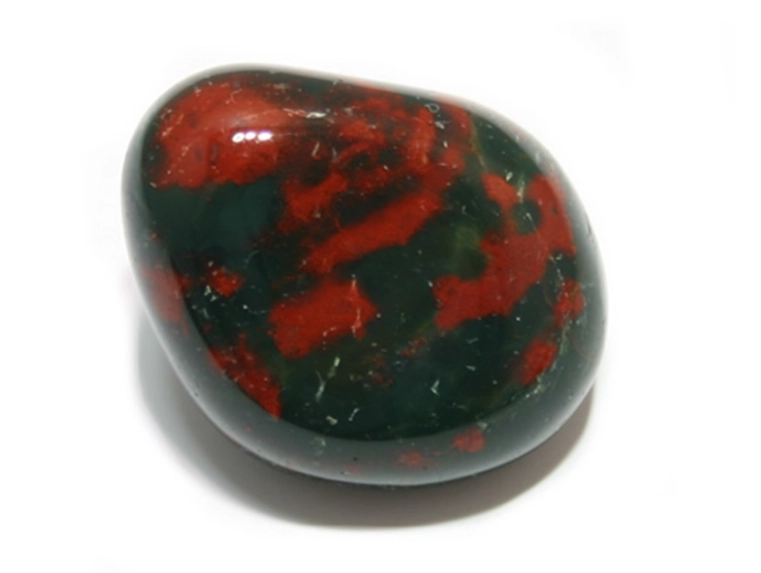
Incorporating Bloodstone into Spiritual Practices
Beyond general wellness, bloodstone has specific roles in structured spiritual work. Its energy is considered proactive and strengthening.
Meditation Anchor: Its grounding quality makes it an excellent focus object during meditation. Hold it in your non-dominant hand or place it on your root chakra (base of spine) to help quiet a busy mind and connect to the present moment.
Altar Work and Grids: In crystal grids—arrangements of stones for a specific intention—bloodstone often occupies a position representing foundation, strength, or the physical body. On an altar dedicated to healing or courage, it serves as a central, anchoring piece.
Carrying Stone for Challenges: Many keep a small piece in their pocket or purse during difficult times—a job interview, a hospital visit, a taxing travel day. It acts as a tangible reminder of inner resilience. I personally carried one during a long legal process; it wasn't a magic wand, but having that physical token to grip provided a real sense of steadiness.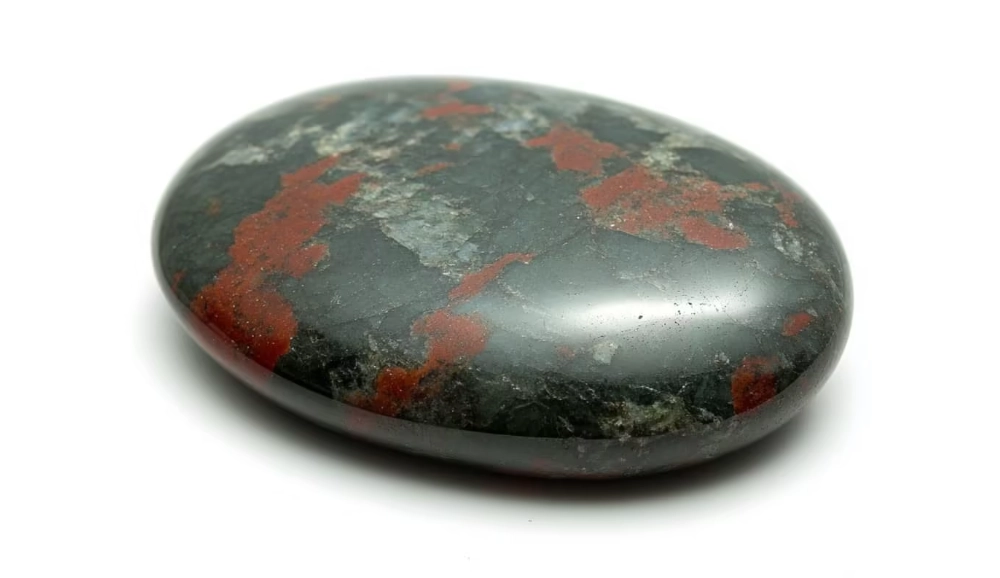
How to Identify and Buy a Real Bloodstone
With its popularity, the market is flooded with fakes. Knowing what to look for is the difference between getting a powerful tool and a piece of colored glass.
| Feature | Real Bloodstone | Common Fake/Imitation |
|---|---|---|
| Color & Pattern | Deep, opaque forest green. Red spots are irregular, vary in size, and look embedded/integrated. | Bright, uniform kelly green. Red spots are too perfect, uniform, or look painted/superficial. |
| Texture & Feel | Polished surfaces are waxy (typical of chalcedony). Raw pieces are dense and hard. | May feel glassy, plasticky, or have a chalky texture if dyed. |
| Price Point | Moderately priced. A good quality, palm-sized raw piece might be $20-$50. Fine jewelry varies with metal. | Often suspiciously cheap (e.g., a bracelet for $5). |
| Source & Seller | Reputable crystal shops, lapidaries, or jewelers who provide details (e.g., "natural heliotrope from India"). | Vague sellers on generic marketplaces with no geological information, using stock photos. |
My top buying tip: Ask the seller, "Is this natural, or is it dyed/a reconstitute?" A reputable seller will have no issue answering. If they're evasive, walk away. Primary sources for genuine bloodstone include India, Brazil, and Australia.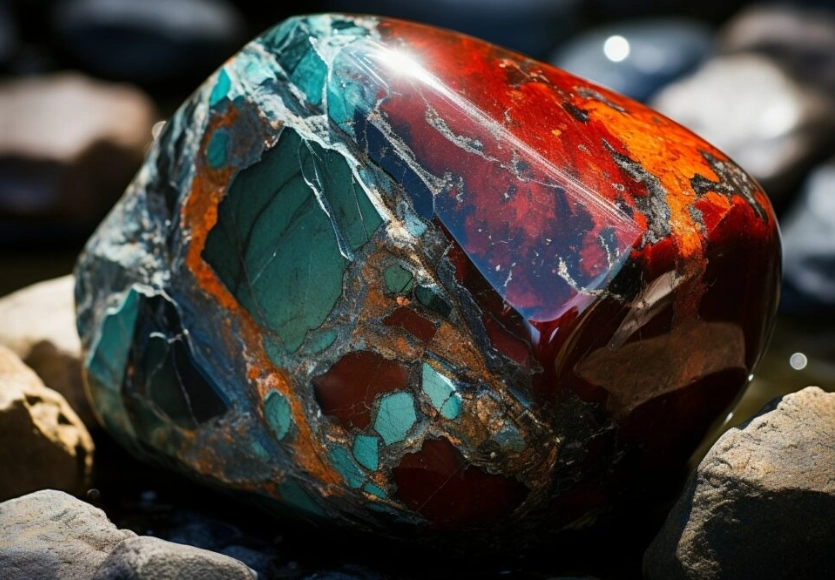
Your Bloodstone Questions, Answered
You can, but with consideration. Its hardness (6.5-7) means it's resistant to scratches but can be chipped by a hard blow. Avoid wearing it during heavy manual labor, gym workouts, or gardening. For a daily-wear ring, choose a setting that protects the stone, like a bezel or a deep basket setting. A prong setting leaves it more vulnerable.
Absolutely not. This is a critical point. The historical belief was symbolic and pre-scientific. In any real medical emergency involving bleeding, you must apply direct pressure, use a tourniquet if trained, and seek immediate professional medical help. Relying on a stone for physical first aid is dangerous and ineffective. Its modern "blood-staunching" use is purely energetic or metaphorical, relating to stopping energetic leaks or feeling more vital.
Since it's associated with earth and water, gentle methods work best. Rinse it under lukewarm running water for a minute while setting an intention to wash away stagnant energy. You can also bury it in dry earth (not soil) or salt for 24 hours. Avoid harsh methods like prolonged sunlight (can fade color over years) or saltwater (can damage the setting if it's in jewelry). Recharge it by placing it on a bed of clear quartz crystals or in moonlight.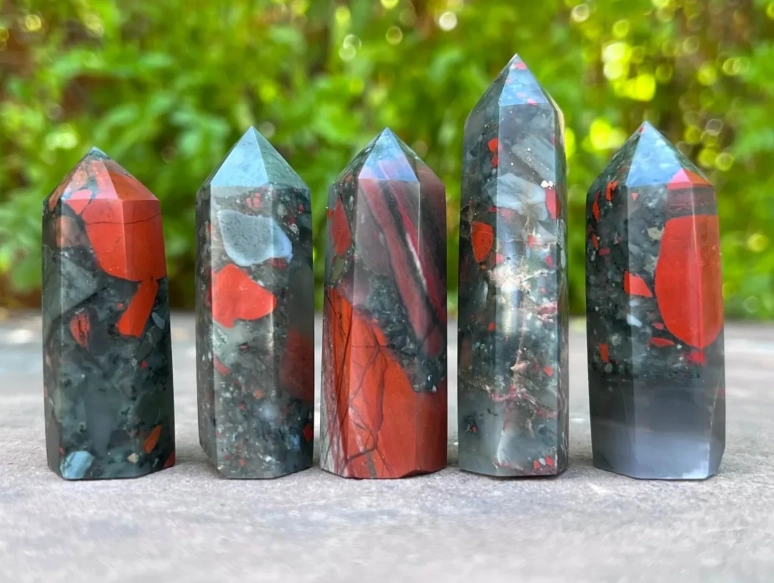
They are the same mineral. "Heliotrope" is the older, more formal geological name derived from Greek words meaning "sun turning." "Bloodstone" is the common name that describes its appearance and legendary uses. In the gem trade, you'll hear both, but "bloodstone" is more prevalent in metaphysical and jewelry contexts.
Its birthstone association makes it a deeply personal gift or self-purchase. For birthday energy—symbolizing new beginnings and personal strength—consider a piece you'll interact with daily. A ring or pendant you wear sets a tone of grounded confidence for your new year. Alternatively, place a raw piece on your desk or nightstand as a constant reminder of your resilience and vitality as you move forward.
So, what is a bloodstone used for? It's a tool, a symbol, and an adornment. Its utility depends entirely on the hand that holds it. Whether you're drawn to its bold aesthetics, its epic history, or its grounding spiritual reputation, understanding these layers of use allows you to engage with it meaningfully. Start by finding a genuine piece that speaks to you. Hold it. Feel its weight. Then decide how its ancient, earthy energy fits into your modern life.