The first time I held a piece of genuine bloodstone, I was struck by its weight. It wasn't just the physical heft of the dark green jasper. It was the sense of history, a tangible connection to stories whispered across battlefields and ancient temples. Most gemstone guides will give you a quick paragraph on its myths, but they often miss the point. The myth of bloodstone isn't just one story—it's a layered tapestry of belief, utility, and symbolism that explains why this stone, also called heliotrope, has never truly fallen out of favor. Its legend is less about a single event and more about a persistent idea: that this stone embodies life force, courage, and a mysterious healing power rooted in the earth itself.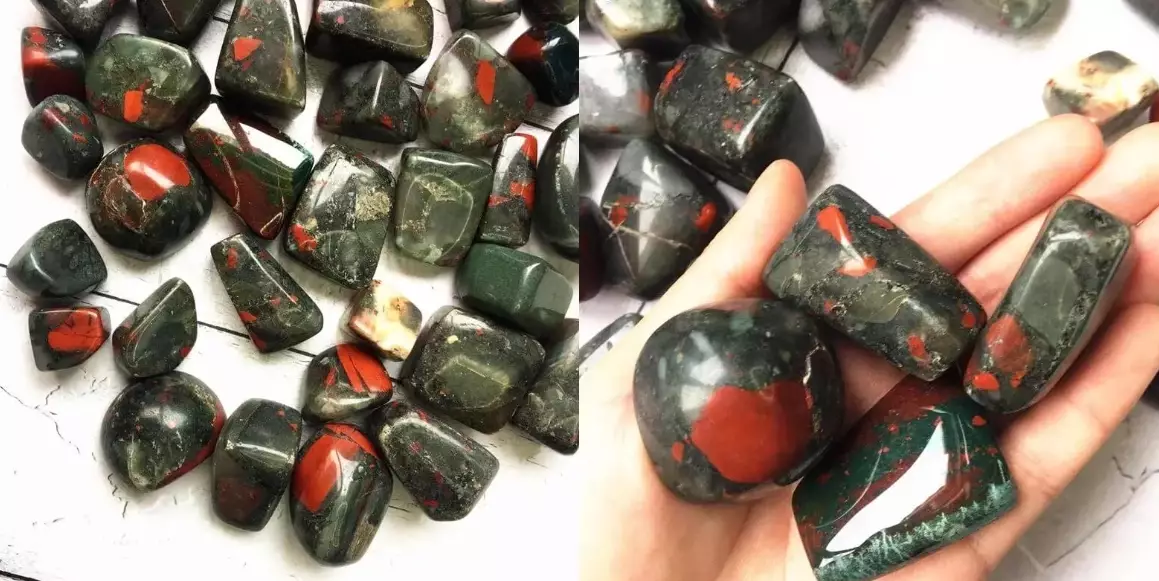
What You'll Discover in This Guide
- The Core Legend: Blood of Christ or Battlefield Healer?
- From Ancient Egypt to Medieval Europe: Bloodstone's Historical Journey
- Why Bloodstone is the March Birthstone: A Modern Myth
- Bloodstone in New Age Beliefs: Healing Properties and Uses
- How to Identify a Genuine Bloodstone: A Buyer's Guide
- Your Bloodstone Questions Answered
The Core Legend: Blood of Christ or Battlefield Healer?
Ask ten people about the bloodstone myth, and nine will mention a connection to the crucifixion of Jesus Christ. The most pervasive Christian legend holds that bloodstone formed at the foot of the cross. As Christ's blood dripped onto the dark green earth, it stained the jasper, creating the distinctive red specks (iron oxide or red jasper) that give the stone its name and dramatic appearance. This story, which gained traction in medieval Europe, framed bloodstone as a sacred relic—a stone of martyrdom, sacrifice, and divine connection.
But this is only the most famous chapter. The older, and arguably more practical, myth comes from the ancient world. Greek and Roman soldiers reportedly carried bloodstone as an amulet. They believed it could staunch bleeding from wounds. The logic was sympathetic magic: a stone that looked like blood on a green field (reminiscent of a battlefield) could control the very substance it resembled. This wasn't just superstition; it was early battlefield medicine. Historical texts, like those referenced by Pliny the Elder, describe its use. The stone was often carved with images of warriors or gods of healing to amplify this effect.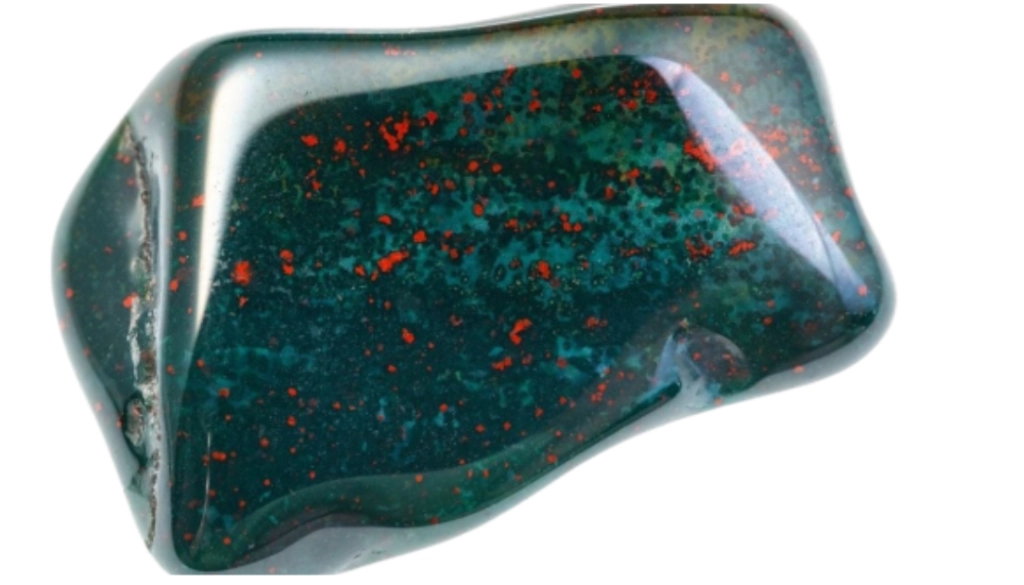
Here's a nuance most articles skip: these two myths aren't mutually exclusive. They represent a perfect evolution of a symbol. The stone transitions from a practical, earthly healer for soldiers to a spiritual, divine healer in Christian iconography. The core idea of "blood" and "healing" remains constant, just the context shifts.
Gemologist's Note: The name "heliotrope" comes from Greek words meaning "sun turning." Ancient beliefs claimed the stone could turn the sun red if placed in water, reflecting the blood-red specks. This links it to solar power and blood long before the Christian era.
From Ancient Egypt to Medieval Europe: Bloodstone's Historical Journey
Bloodstone's myth is cemented by its verifiable historical use. It wasn't just a story; it was a tool.
In Ancient Babylon and Egypt, it was used for signet seals and amulets. Its hardness made it durable for sealing documents, and its appearance lent it an air of authority and protection. Moving into the classical era, its reputation as a healer solidified. Roman naturalists documented its use.
The medieval period is where the Christian myth flourishes. Bloodstone became associated with the martyrdom of saints. It was carved into religious scenes, crucifixes, and used in rosaries. This era also produced some of the most famous bloodstone artifacts, like the exquisite cups and decorative objects believed to have detoxifying properties—if poison was placed in a bloodstone cup, it was thought to crack or sweat.
During the Renaissance, it became a favorite for "intaglio" carving—creating a negative image carved down into the stone. Artists would cleverly use the red spots as part of the design, perhaps as a wound on a sculpted figure or a drop of blood in a scene. I've seen a few of these in museums, and the craftsmanship is staggering. It transforms the stone's "flaw" into its central artistic feature.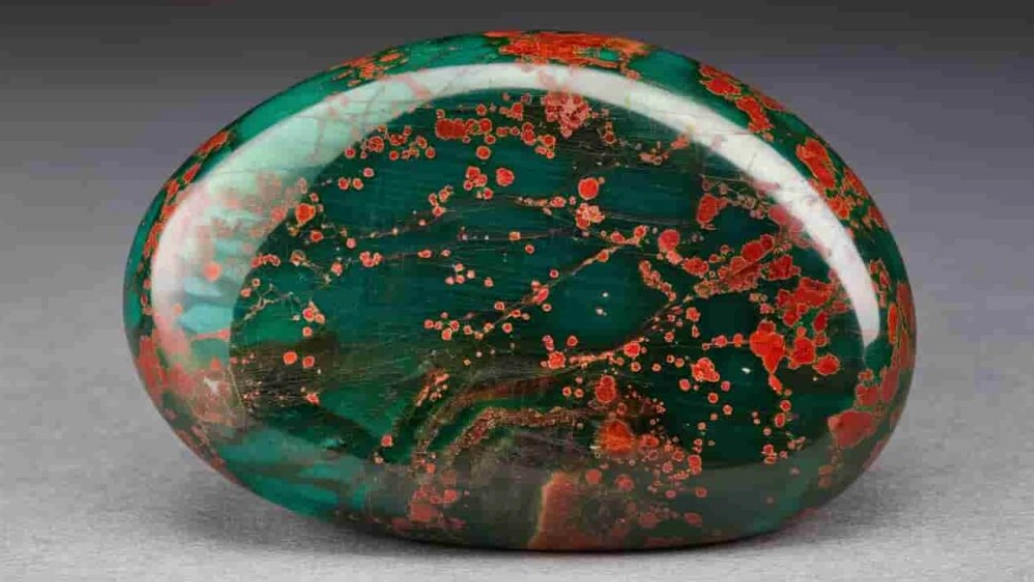
The Alchemist's Stone
No discussion of bloodstone history is complete without alchemy. Alchemists prized heliotrope. They saw it as a stone of transformation, aligning with their goal of turning base metals into gold. Its green and red colors were sometimes associated with the mythical "Green Lion" and the philosophical sulfur and mercury, key components in alchemical theory. This layer of myth connects bloodstone to hidden knowledge and the manipulation of nature's fundamental forces.
Why Bloodstone is the March Birthstone: A Modern Myth
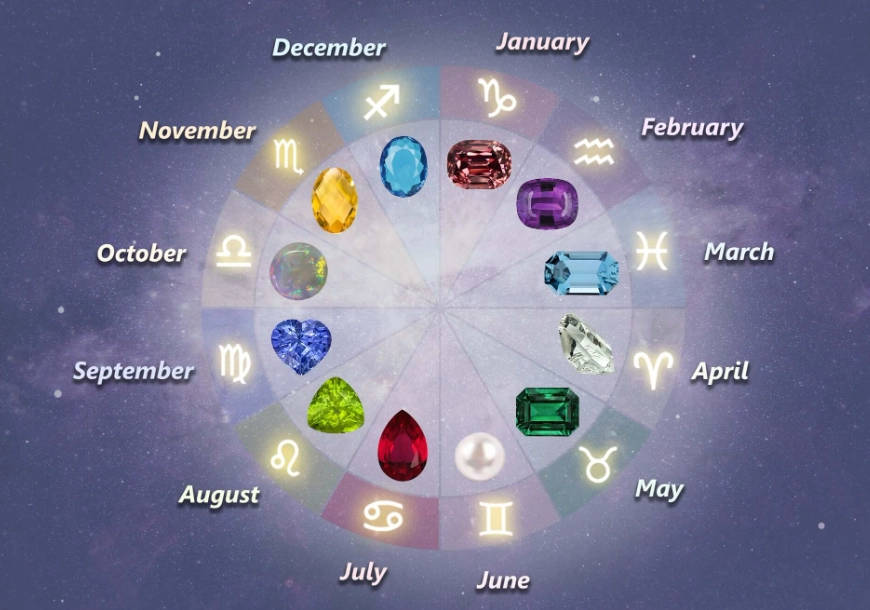
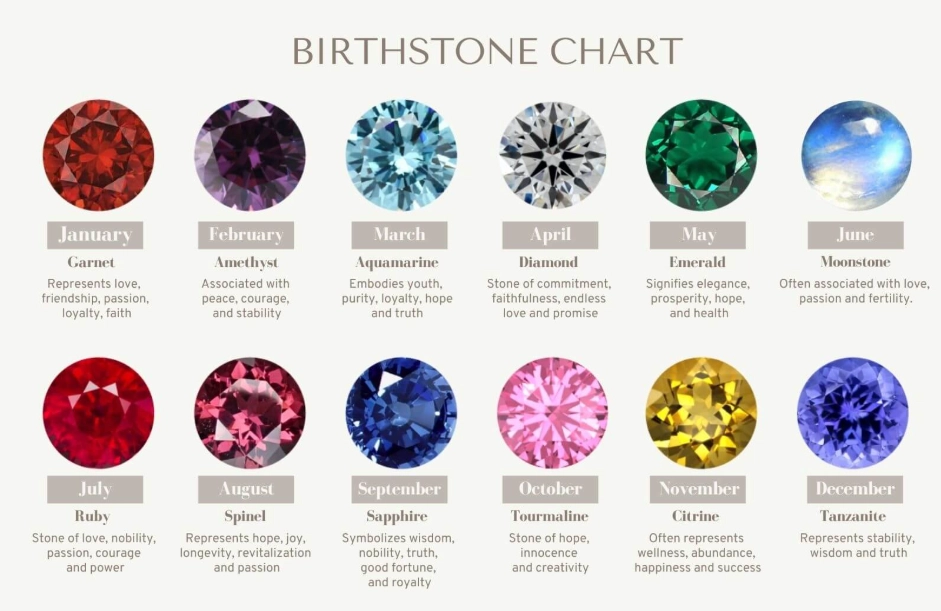
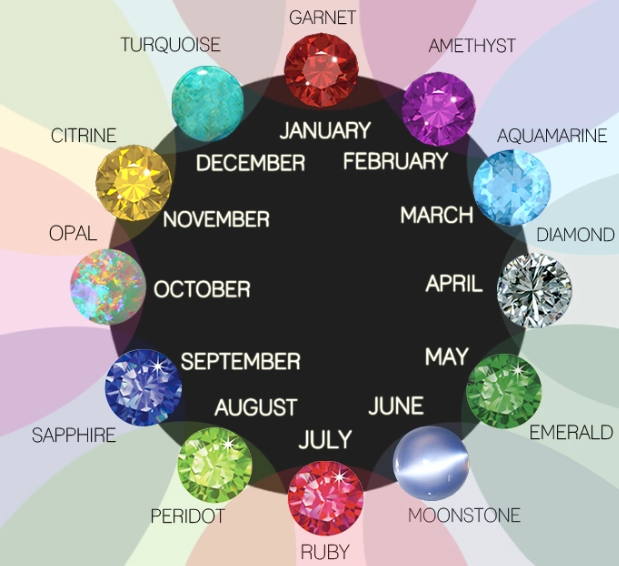
The association of bloodstone as the primary birthstone for March is a modern mythologizing process. This tradition was largely standardized in 1912 by the Jewelers of America to create a consistent marketing calendar. So why was bloodstone chosen for March?
The logic is seasonal and symbolic. March is a month of transition, of the spring equinox in the Northern Hemisphere. The earth (green jasper) begins to awaken with new life, symbolized by the blood-red spots representing returning vitality and strength. It's the end of winter's dormancy. The stone's themes of courage, vitality, and renewal perfectly mirror the attributes one might wish for a spring birthday.
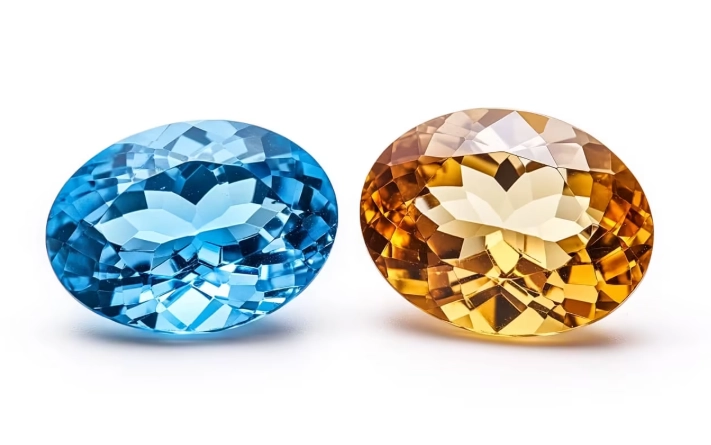
It's worth noting that aquamarine is the other, more popular, March birthstone. Bloodstone offers a stark, powerful alternative to aquamarine's serene blue. Choosing bloodstone often reflects a connection to its earthy, protective, and active myths rather than a purely aesthetic preference.
| Attribute | Bloodstone (Heliotrope) | Connection to March & Myth |
|---|---|---|
| Primary Color | Dark Green with Red Spots | Green for emerging earth/grass, red for returning life force and courage. |
| Key Myth | Healing, Blood of Christ, Battlefield Courage | Spring is a time of healing from winter, renewal (Christ's resurrection allegory), and planting (a kind of battlefield). |
| Historical Use | Amulets, Seals, Medicinal Talismans | Gift for protection and health in the new year/season. |
| Modern Meaning | Strength, Steadfastness, Vitality | Desired traits as one starts the active spring and summer months. |
Bloodstone in New Age Beliefs: Healing Properties and Uses
Today, the myth of bloodstone lives on powerfully in metaphysical and crystal healing circles. This is where ancient legends get repurposed for modern spiritual needs. It's considered one of the ultimate "grounding" and "vitality" stones.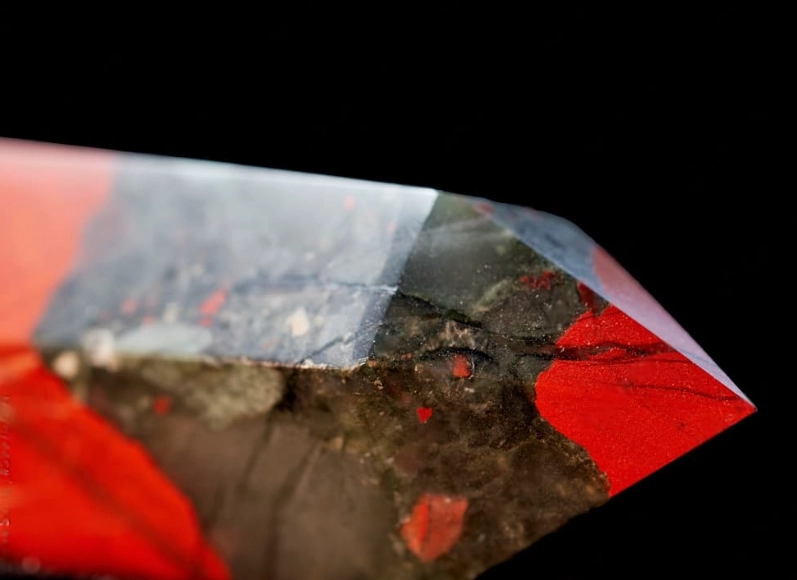
Common attributed properties include:
Physical Vitality: Drawing directly from the battlefield healer myth, it's believed to support blood circulation, detoxification, and overall physical strength. It's often recommended for athletes or those recovering from illness.
Emotional Courage: It's dubbed the "Stone of Courage." The idea is that it helps overcome fear, promotes decisiveness, and provides emotional resilience during challenging times—a direct line from the soldier's amulet.
Spiritual Grounding: Its deep green color associates it with the root and heart chakras, believed to connect the wearer to the earth's energy while fostering compassion.
How do people use it? As jewelry (kept close to the skin), placed in a pocket or purse, used in meditation by holding it, or placed in a home or workspace to create a protective, energetic environment.
Let's be clear: there's no scientific evidence for these healing claims. But the psychological power of a myth is real. Wearing a bloodstone because you believe it lends you courage can create a placebo effect of increased confidence. That, in itself, is a form of modern-day magic rooted in an ancient story.
How to Identify a Genuine Bloodstone: A Buyer's Guide
With its popularity, you'll find imitations. Knowing the myth is one thing; holding a real piece is another. Here’s what to look for, based on my experience handling hundreds of specimens.
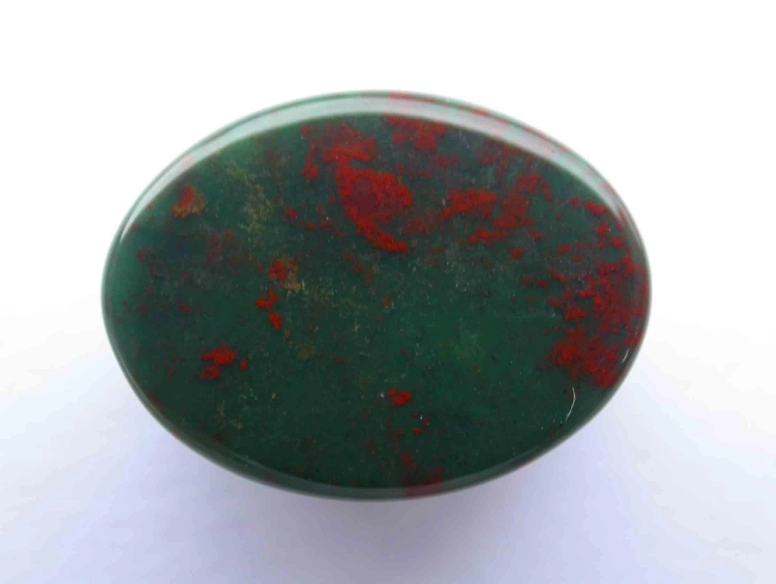
The Base is Crucial. Genuine bloodstone is a variety of chalcedony (cryptocrystalline quartz), specifically dark green jasper. The background should be a deep, opaque forest green, moss green, or sometimes a nearly black-green. It is never translucent or a light, bright emerald green.
The "Blood" Spots. The red spots are the hallmark. They are typically iron oxide (hematite) or inclusions of red jasper. They should look integrated into the stone, not painted on. They vary in size from tiny specks to larger splotches. A common fake is dyed green quartz with red paint. Under a loupe, real spots have mineralogical texture; paint looks flat and may collect in cracks.
Hardness and Feel. As a quartz variety, it has a Mohs hardness of 6.5-7. It should be able to scratch glass. It feels cool to the touch and has a substantial, waxy lustre when polished.
A Common Misconception: "More red means better." Not true. The most prized antique carvings often used stones with sparse, strategically placed red spots that the artist incorporated into the design. A stone overwhelmed by red may be lower-grade jasper or something else entirely.
When buying online, buy from reputable dealers who specify the material as "natural bloodstone (heliotrope)" or "green jasper with iron oxide inclusions." Avoid listings that just say "red and green stone" or use overly flashy, saturated photos.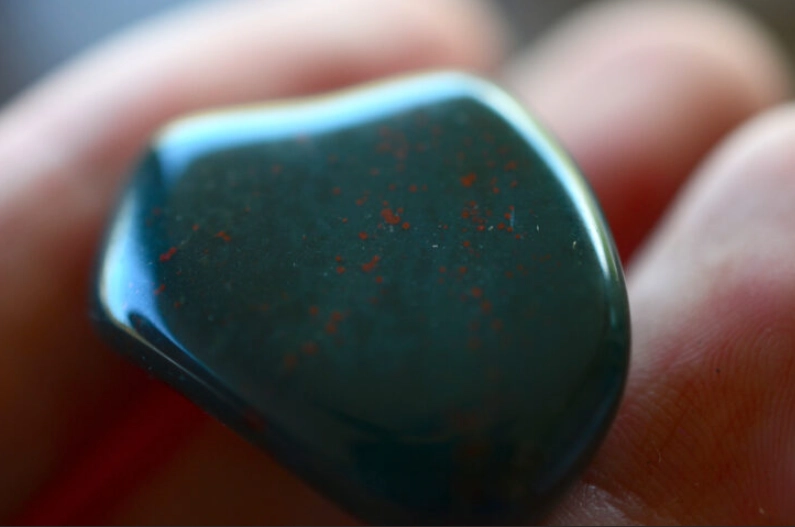
Your Bloodstone Questions Answered
Is bloodstone really effective for stopping bleeding like the ancient myths say?
As a physical substance, no. Applying a stone to a wound has no proven hemodynamic effect and could introduce infection. The myth's power was symbolic and psychological. Soldiers believing in the amulet might fight with more confidence and perhaps care for wounds more diligently, leading to perceived effectiveness. In any first-aid scenario, use modern medical techniques.
I'm not religious. Does the "Blood of Christ" connection matter if I want to wear bloodstone?
Not at all. That's just one cultural layer of its story. You can connect to the older myth of the battlefield healer—symbolizing personal courage and resilience. Or, you can appreciate it purely as a striking natural artifact, a piece of the earth's artistry. The meaning you assign to it is what matters most. Many are drawn to it simply because it's the traditional March birthstone.
 How should I clean and care for my bloodstone jewelry?
Use warm, soapy water and a soft brush. Avoid ultrasonic cleaners and steamers, as the stone can have microscopic fractures. Harsh chemicals can dull its polish. Because it's a 6.5-7 on the hardness scale, store it separately from harder gems like diamonds, sapphires, or topaz to prevent scratches. Think of it as a durable but not indestructible stone.
Are there any other gemstones commonly confused with bloodstone?
Yes. The main one is "dragon's blood jasper," which is a green jasper with red patterns, but the patterns are often more dendritic (tree-like) or streaky. It's a close cousin. Bloodstone is specifically the combination of dark green jasper with distinct red spots. Sometimes red-spotted green aventurine or dyed agate is passed off as bloodstone, but the base material and look are different under scrutiny.
Where is bloodstone found today?
Historically, the finest material came from India. Today, significant sources include India, Brazil, Australia, and the United States (primarily Wyoming and Oregon). The Indian material is often considered the classic standard for color and contrast.
The myth of bloodstone endures because it's adaptable. It's a stone of the earth soldier and the heavenly martyr, the alchemist and the modern crystal enthusiast. Its story is written in its very appearance—a permanent record of green life punctuated by red vitality. Whether you seek a connection to ancient legends, a symbol of March's birth, or simply a uniquely powerful piece of jewelry, understanding these myths deepens the value of the stone you hold. It transforms it from a mere object into a conversation with history.