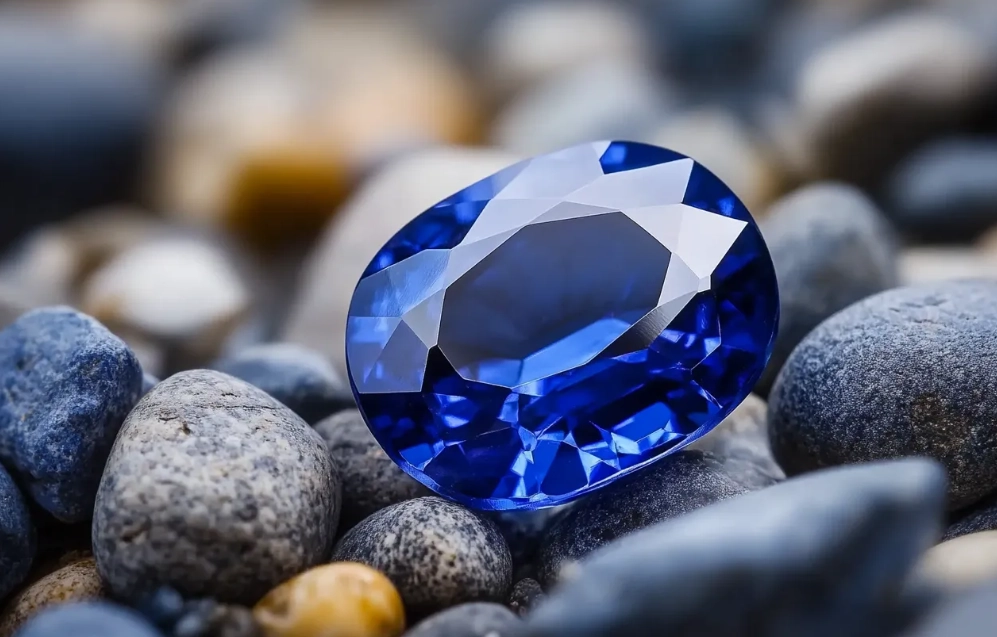
Let's be honest. You're probably here because you saw a beautiful blue agate – maybe in a shop, online, or someone gifted it to you – and you're curious. What is it, really? Is it just a decorative rock, or does it have some deeper meaning? How can you be sure the one you have (or want to buy) is genuine and not some cheap, dyed imitation? I've been collecting and working with agates for over a decade, and the questions I get about blue agate are always the same. This guide cuts through the fluff and gives you the straight facts.
The appeal is obvious. That serene blue, often layered in soft bands, feels calming just to look at. But there's a lot of confusion and misinformation out there. Is all blue agate natural? What's the deal with its supposed healing properties? And most importantly, how do you navigate a market flooded with fakes?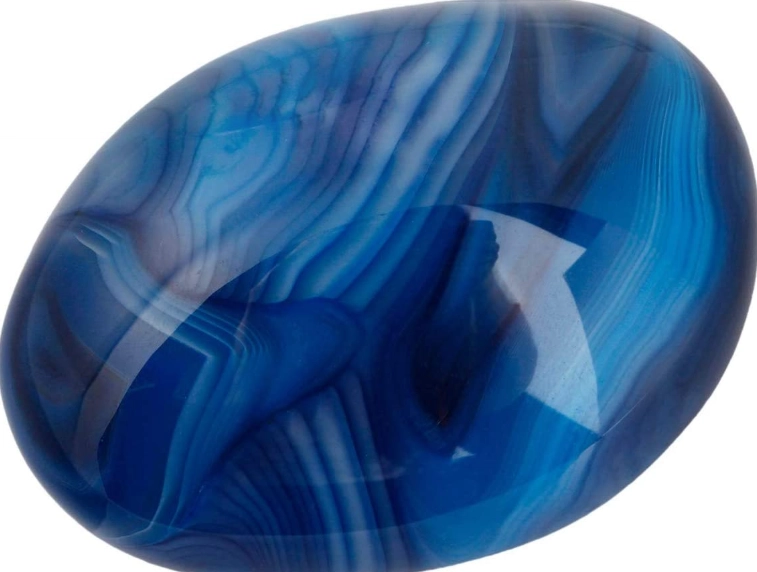
We're going to cover all of that. From its scientific backbone to its spiritual symbolism, and crucially, the practical steps to identify the real deal.
What's Inside?
What Exactly Is Blue Agate? The Science Simplified
First, let's get the basics straight. Agate is a variety of chalcedony, which is itself a microcrystalline form of quartz (silicon dioxide). The key feature of agate is its banding – those concentric layers you see when it's cut open. Not all chalcedony is banded; if it's not, it's usually just called chalcedony or jasper.
Now, here's the part most blogs gloss over: naturally occurring blue agate is relatively rare. The classic agate colors are browns, reds, whites, and grays, coming from iron and other mineral impurities. So where does the blue come from?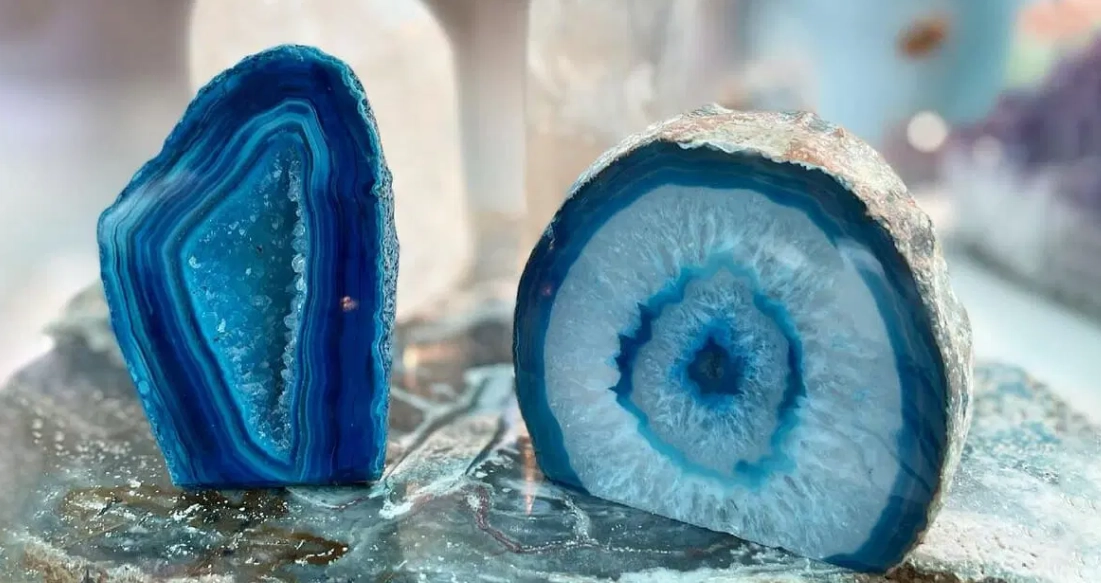
A Quick Chemistry Lesson
Natural blue hues in agate typically come from minute inclusions of minerals like dumortierite (which gives a more violet-blue) or specific copper compounds. However, a vast majority of the vibrant blue agate you see in jewelry and gift shops is artificially colored through dyeing. This isn't necessarily "bad" – it's a centuries-old practice – but you should know what you're buying. A dyed blue agate is still real agate, just enhanced.
Here’s a breakdown of its core properties. Knowing these is your first line of defense against misidentification.
| Property | Detail | Why It Matters for You |
|---|---|---|
| Chemical Composition | SiO₂ (Silicon Dioxide) | It's quartz-based, meaning it's durable and widely available. |
| Hardness (Mohs Scale) | 6.5 - 7 | Hard enough to resist everyday scratches (a steel knife is 5.5). Good for jewelry. |
| Luster | Waxy to Vitreous (glassy) | When polished, it has a soft, appealing shine, not a metallic or dull look. |
| Transparency | Translucent to Opaque | Light usually passes through the edges. If it's completely opaque and uniformly bright blue, be suspicious. |
| Key Identifier: Banding | Concentric, parallel layers | The most definitive sign of agate. Dyes often concentrate in the bands, making them overly stark. |
Blue Agate Meaning and Uses: Beyond the Aesthetics
This is where things get personal. Whether you believe in crystal energy or not, the historical and cultural weight of blue agate is fascinating. For centuries, it's been carved into amulets and seals. The blue color has universally been tied to calm, communication, and truth.
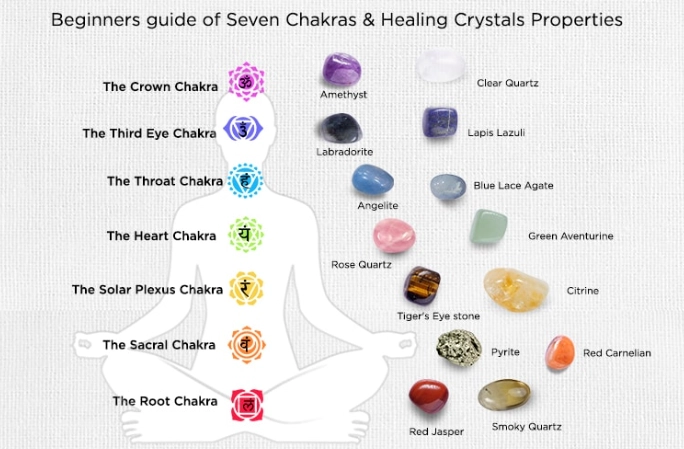
In modern metaphysical circles, blue agate is considered a throat chakra stone.
It's said to aid in clear, calm, and honest communication – helping you speak your truth without anger or anxiety. Think of it as a tool for that difficult conversation, a big presentation, or just finding your voice in a noisy world.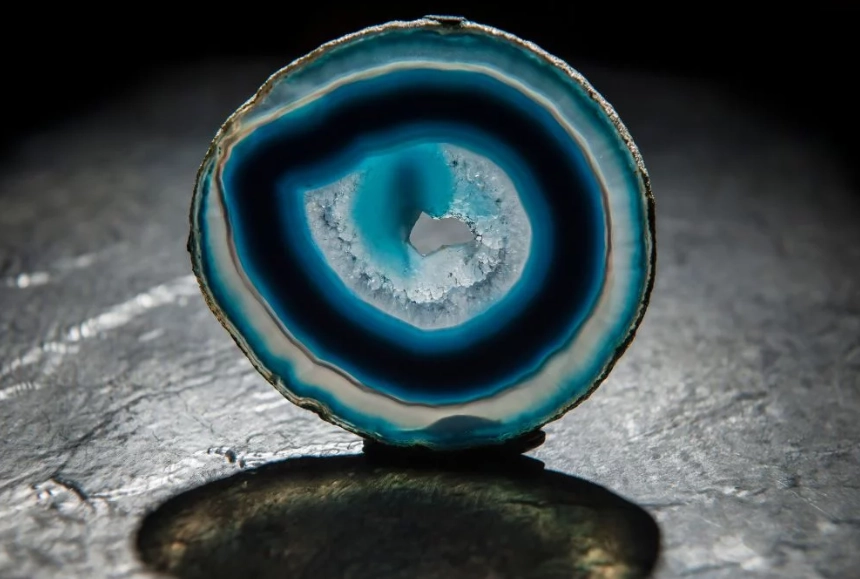
But let's talk practical, physical uses. How are people actually using it?
- Jewelry: The most common use. Pendants sit near the throat, aligning with its chakra association. Beaded bracelets and rings are popular for carrying its energy throughout the day.
- Meditation Anchor: Holding a tumbled stone during meditation, focusing on its cool surface and patterns to calm a busy mind.
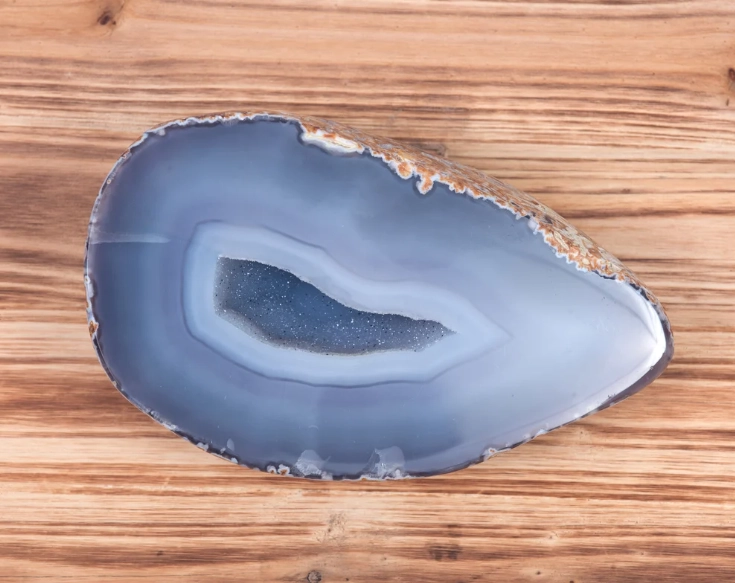
- Home & Office Decor: A large, polished blue agate slice or geode is a stunning natural art piece. Practitioners often place it in living rooms for a peaceful atmosphere or in home offices to encourage clear thinking.
- Pocket Stone: A simple, small tumbled piece carried in a pocket or purse for a tangible touchstone during stressful moments.
How to Identify Real Blue Agate: A Step-by-Step Guide
This is the heart of the matter. With so much dyed material out there, how do you know what you have? Let's walk through it. I'll use the example of evaluating a pendant you bought online.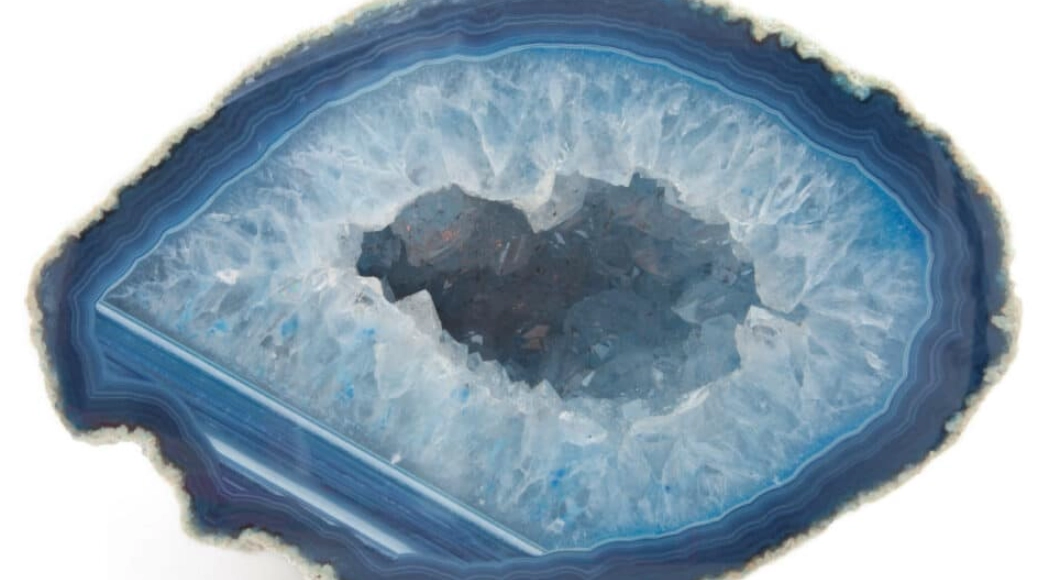
Step 1: The Visual Inspection
Pick it up in good light. Look closely at the color and bands.
Natural blue agate tends to have a softer, more grayish or dusty blue hue. The bands are subtle gradations. Dyed blue agate often screams with an electric, royal, or unnaturally uniform blue. The bands can look like neon stripes – too perfect, too contrasting.
Check for dye concentrations.
Look at any cracks or pits. Dye pools in these areas, creating small spots or lines of intense, dark blue that look out of place. Natural color is distributed more evenly through the stone's structure.
Step 2: The Transparency Test
Hold a bright light (your phone's flashlight works) behind the stone. Agate is translucent.
You should see light passing through, especially around the edges. The color will look more internal and deep. A dyed stone can sometimes block more light, or the color may look like it's sitting on the surface. If it's completely opaque and a vivid blue, it might be howlite or magnesite that's been dyed to imitate agate – a common cheap fake.
Step 3: The Feel and Weight
Agate feels cool to the touch and has a substantial, solid feel for its size (it's decently dense). Plastic or resin fakes feel warm, lighter, and you might even see mold lines.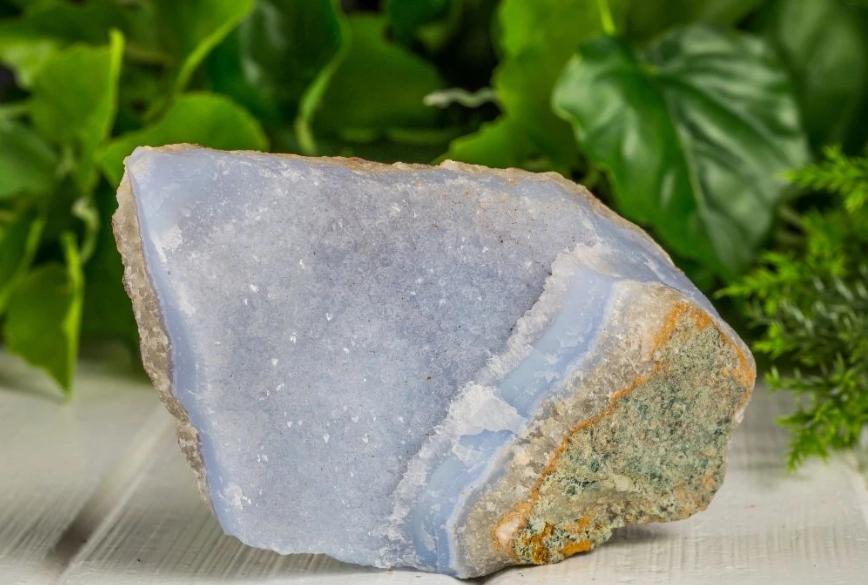
Step 4: Consult the Source & Price
Be realistic. A large, vividly blue agate bowl selling for $25 is almost certainly dyed. Natural, high-quality blue agate (like Blue Lace Agate) commands a higher price. Reputable dealers will disclose if a stone has been treated. If the listing only says "blue agate" with no mention of treatment, assume it's enhanced.
Here’s a simple comparison to keep in your mind:
Natural Blue Agate: Subdued colors, subtle banding, light passes through, feels solid, price reflects rarity.
Dyed Blue Agate: Vibrant/neon colors, stark banding, dye pools in cracks, still feels solid, generally affordable.
Fake (e.g., Dyed Howlite): Chalky feel under a glaze, opaque, uniform color with no banding, very light weight, often very cheap.
Caring for Your Blue Agate
Agate is tough but not invincible. Its main enemies are harsh chemicals and extreme heat.
Cleaning is simple.
Use warm, soapy water and a soft cloth. Rinse well. Avoid ultrasonic cleaners (the vibrations can crack it) and steam cleaners (heat risk). Definitely keep it away from bleach, ammonia, or acids.
Sunlight is a big one, especially for dyed stones.
Prolonged direct sunlight can fade the color over time. If you have a dyed blue agate necklace, don't leave it on the car dashboard. Store it in a soft pouch or a box when you're not wearing it.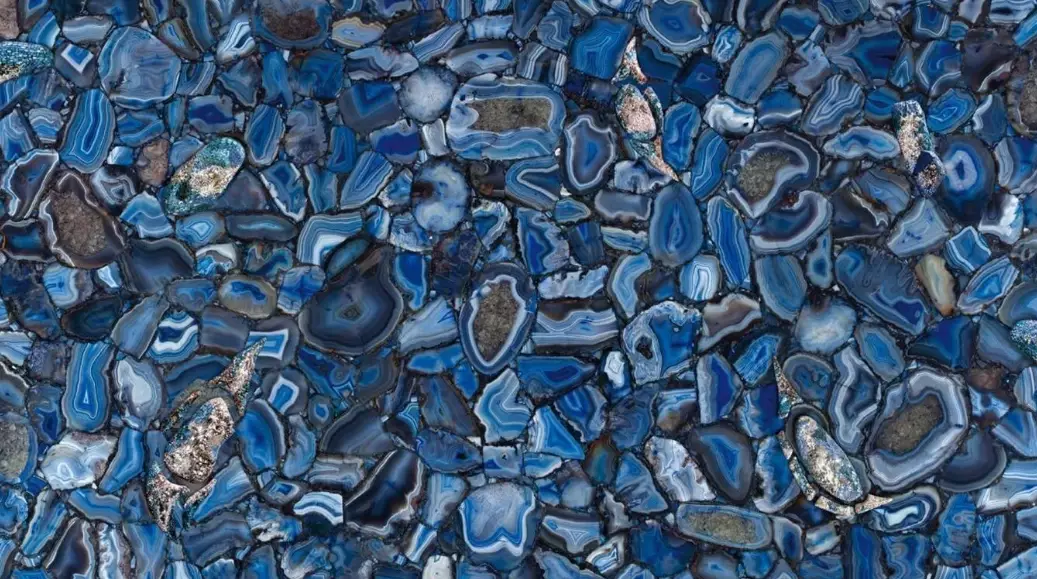
Your Blue Agate Questions Answered
Clearing Up the Common Confusions
 Can I wear my blue agate jewelry in the shower or swimming pool?