Quick Navigation
- What Are Lab Created Gemstones, Really?
- How to Define "Best" for You (It's Personal)
- The Contenders: Breaking Down the Best Lab Created Gemstones
- Side-by-Side: How Do the Best Lab Created Gemstones Stack Up?
- Lab Created vs. Natural: The Honest Comparison
- Caring for Your Lab Created Gems
- Your Questions, Answered (The Real Stuff People Ask)
- Final Thoughts: Trust Your Eyes
Let's talk about sparkle. Not just any sparkle, but the kind you can feel good about wearing and, let's be honest, feel good about paying for. That's where lab created gemstones come in. Gone are the days when "lab-grown" meant cheap or fake. The technology has exploded, and the quality? Honestly, it can blow your mind. But with so many options—lab diamonds, moissanite, sapphires, you name it—how do you even begin to choose the best lab created gemstones for you?
I remember helping a friend pick an engagement ring. She was torn between the classic idea of a diamond and the allure of something bigger and more colorful for her budget. We spent hours online, drowning in jargon: carat, clarity, refractive index, Mohs scale. It was overwhelming. That experience is exactly why I wanted to write this. Not as a scientist, but as someone who's been in the weeds, comparing stones side-by-side, talking to jewelers, and figuring out what all those specs actually mean for everyday wear.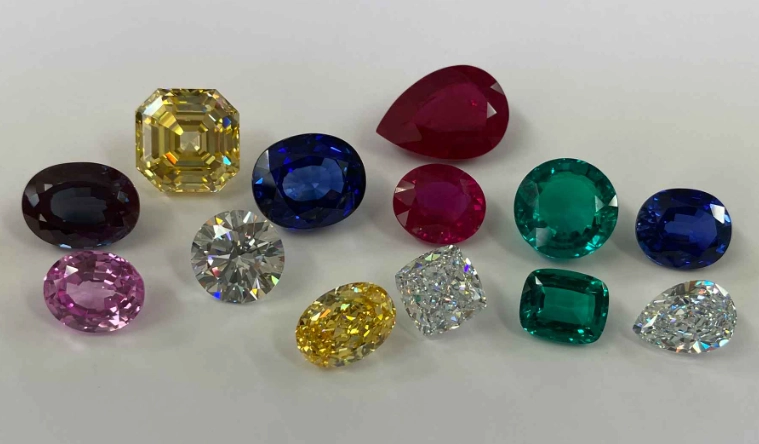
What Are Lab Created Gemstones, Really?
First, let's clear up the confusion. A lab created gemstone isn't a "fake." It's not cubic zirconia or glass. It's the real deal, chemically, physically, and optically identical to a gemstone mined from the earth. The only difference is its origin: a controlled laboratory environment instead of geological forces deep underground.
Think of it like ice from your freezer versus ice from a glacier. It's all H2O. The process just happens faster and with more control in the lab. Major institutes like the Gemological Institute of America (GIA) provide extensive education on how these stones are made and graded, treating them with the same seriousness as their mined counterparts.
There are two main methods:
- High Pressure-High Temperature (HPHT): Mimics the natural conditions that form diamonds deep in the earth. It's like a high-tech pressure cooker.
- Chemical Vapor Deposition (CVD): More like "growing" a crystal from a carbon-rich gas onto a seed plate. It allows for incredible precision.
For colored stones like sapphires and rubies, the International Colored Gemstone Association (ICA) notes that processes like flame fusion are common, producing stunningly pure and vibrant colors that are sometimes even harder to find in nature.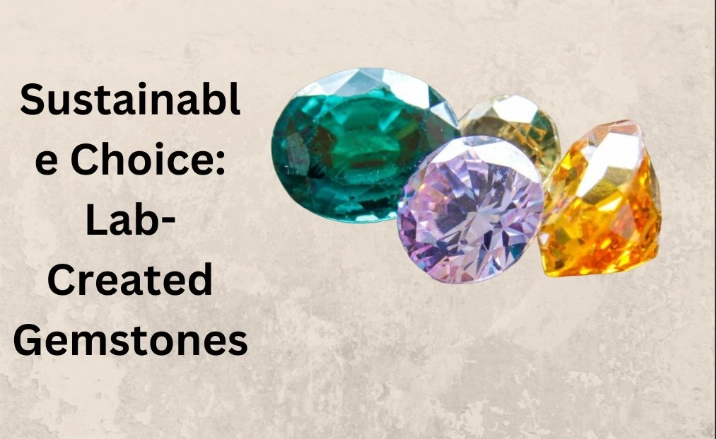
How to Define "Best" for You (It's Personal)
Before we dive into rankings and lists, you need to ask yourself a few questions. The best lab created gemstones for a daily-wear engagement ring are different from the best for a statement cocktail ring you wear occasionally.
Your Decision Checklist:
- Budget: This is the big one. What's your absolute max? Be realistic.
- Purpose: Everyday ring? Special occasion pendant? This dictates durability needs.
- Style & Color: Do you love classic white sparkle, or are you drawn to rich blues, pinks, or greens?
- Size vs. Quality: Would you rather have a larger stone or a perfectly clear, colorless one? Sometimes you can have both with lab-grown!
- Ethics & Sustainability: How important is a conflict-free, environmentally lighter footprint to you? This is a huge driver for many.
Once you've got a rough idea, we can start looking at the contenders. I've broken them down into categories because, honestly, comparing a moissanite to a lab emerald is like comparing a sports car to an SUV—they're both great, but for different reasons.
The Contenders: Breaking Down the Best Lab Created Gemstones
Here’s where we get into the nitty-gritty. I’ll give you the lowdown on each major player, why people love it, what to watch for, and where it truly shines (pun intended).
1. The Brilliance King: Moissanite
If you want maximum fire and sparkle for your money, moissanite is a superstar. It was originally discovered in a meteorite (how cool is that?) and is now exclusively lab-created for jewelry.
Why it's often called a top pick:
- Fire & Brilliance: Its refractive index is higher than a diamond's. This means it throws off more rainbow-colored flashes (fire). Some people adore this; others find it a bit too much. I have a moissanite right-hand ring, and in direct sunlight, it's a disco ball. I love it, but it's not a subtle look.
- Durability: At 9.25 on the Mohs scale, it's incredibly hard and perfect for daily wear. It'll resist scratches like a champion.
- Price: This is its biggest advantage. You can get a large, colorless, eye-clean moissanite for a fraction of the cost of a comparable diamond.
2. The Classic Benchmark: Lab Created Diamonds
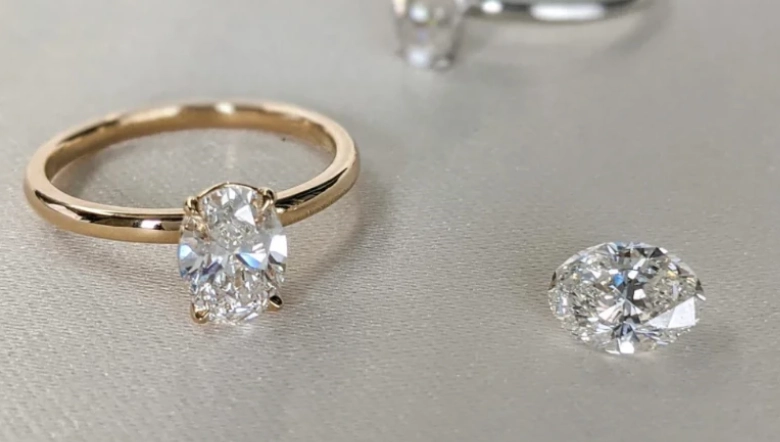
These are the real deal. A lab diamond is a diamond, full stop. Organizations like the GIA grade them with the same 4Cs (Cut, Color, Clarity, Carat) system. If you want the traditional look, feel, and properties of a diamond without the mining footprint, this is your choice.
When searching for the best lab created diamonds, you're not compromising on the material. You're just choosing a different origin story.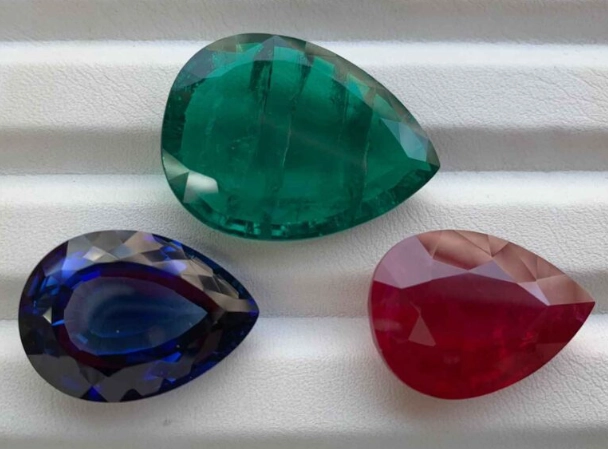
Key things to know:
- Identical Properties: Same hardness (10 on Mohs), same brilliance (though different from moissanite's fire), same chemical composition (pure carbon).
- Price Advantage: Typically 30-50% less than a comparable natural diamond. This means you can afford a better cut or a larger size.
- Ethical Clarity: The supply chain is transparent and conflict-free, which is a massive weight off many buyers' minds.
The market for these has matured so much. You can find every shape, color (including fancy yellows and pinks!), and quality imaginable.
3. The Color Champions: Lab Created Sapphires & Rubies
Welcome to the world of spectacular color. Corundum (the mineral family for sapphires and rubies) is a dream to grow in a lab. The colors achieved are often more vivid and consistent than many mined stones.
Lab Sapphires: Not just blue! You can find incredible padparadscha (sunset orange-pink), vibrant yellows, and rich purples. They're a 9 on the Mohs scale, making them exceptionally durable for rings. A lab grown sapphire color can be so pure and saturated—it's like looking into deep, still water.
Lab Rubies: That iconic pigeon's blood red can be achieved beautifully in the lab. One thing to note: some lab rubies can be so flawless and intensely colored that they look almost "too perfect" compared to natural ones which often have inclusions. For some, this is a bonus. For others seeking a more "natural" look, it's something to consider.
4. The Underrated Gems: Spinel, Alexandrite, and Emerald
This is where lab creation truly opens up possibilities.
- Lab Spinel: An absolute hidden gem (pun intended). It comes in amazing colors—cobalt blues, hot pinks, vibrant reds. Hardness is 8, so it's good for rings with some care. It's often more affordable than sapphire and has a lovely vitreous luster.
- Lab Alexandrite: The color-change phenomenon is magical. It shifts from green in daylight to red/purple under incandescent light. Natural alexandrite is astronomically expensive. Lab-created versions make this magic accessible, though the color change can vary in strength. Ask to see videos in different lights!
- Lab Emerald: This is a tricky one. Emeralds are famously included ("jardins"), and that's part of their character. Lab emeralds are often much cleaner. Some processes can create a slightly bluish-green tint, and some have a characteristic "growth" pattern visible under magnification. They're softer (7.5-8), so require more protective settings. I'd only recommend them for occasional wear rings or pendants/earrings.
Side-by-Side: How Do the Best Lab Created Gemstones Stack Up?
A table can help visualize the trade-offs. Remember, "best" depends on which column matters most to you.
| Gemstone | Mohs Hardness | Best For | Considerations | Relative Price (for size/quality) |
|---|---|---|---|---|
| Moissanite | 9.25 | Maximum sparkle & fire on a budget; durable everyday wear. | Rainbow flashes are distinctive; not a diamond simulant but its own stone. | Lowest |
| Lab Diamond | 10 | The classic diamond look & feel; ultimate durability; investment in tradition. | Higher cost than other lab options; some still prefer "natural" mystique. | Highest (but lower than natural) |
| Lab Sapphire/Ruby | 9 | Vivid, durable color; excellent for engagement & daily-wear colored rings. | Color can be very saturated; may lack inclusions of natural stones. | Medium |
| Lab Spinel | 8 | Unique, vibrant colors at a great value; great for statement pieces. | Slightly less hard than sapphire; requires a bit more care. | Low-Medium |
| Lab Alexandrite | 8.5 | Unique color-change magic; conversation-starting jewelry. | Color change quality varies; can be pricey for good quality shift. | Medium-High |
See? There's no single winner. It's a spectrum of choices.
Lab Created vs. Natural: The Honest Comparison
Let's address the elephant in the room. Is a lab created gemstone "as good as" a natural one?
From a scientific and aesthetic standpoint, for the best lab created gemstones, yes. They are real gems. In many cases, the lab version has superior clarity and color because the process is controlled.
The differences are philosophical and economic:
- Origin Story: One is a product of the Earth over millions of years, the other of human ingenuity. Which story resonates with you more?
- Rarity & Value Retention: Natural stones are rare geological accidents. This scarcity fuels their market value and potential for appreciation (though not guaranteed). Lab stones are, by nature, producible. Their value lies in their beauty and utility, not as a commodity investment. Don't buy a lab stone expecting it to appreciate like a rare natural gem might. Buy it to wear and love.
- Inclusions: Natural gems often have unique inclusions—like fingerprints. Some buyers cherish these as proof of natural origin. Lab stones can be incredibly clean or have specific growth-related inclusions.
My two cents?
If you're buying an engagement ring you hope might become a family heirloom, the origin story might matter more to you or future generations. If you're buying a stunning piece of jewelry to enjoy for its beauty right now, and maybe upgrade later, the lab route offers incredible freedom.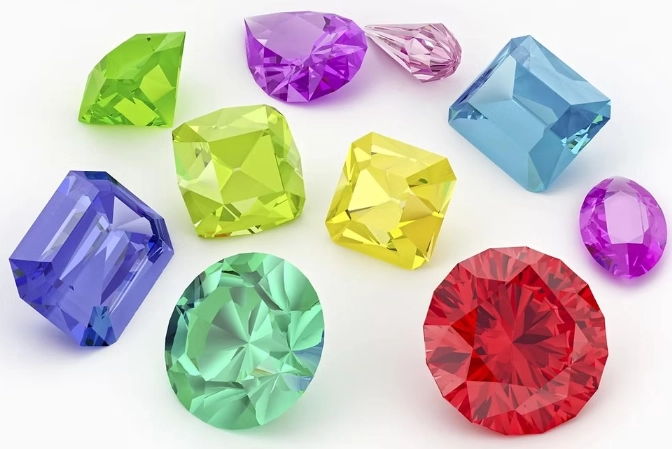
Caring for Your Lab Created Gems
Good news! You care for them just like their natural counterparts. The basics:
- Regular Cleaning: Warm water, mild dish soap, and a soft toothbrush. Ultrasonic cleaners are generally safe for diamonds, moissanite, and sapphires/rubies, but avoid them for emeralds, spinels, and alexandrite due to potential inclusions or fracture risks.
- Storage: Keep them separate in a soft pouch or a box with compartments to prevent scratches. Even a diamond can scratch another diamond.
- Mind the Setting: Prongs can wear down over time. Get your jewelry checked by a jeweler once a year, especially for rings worn daily.
Your Questions, Answered (The Real Stuff People Ask)
Final Thoughts: Trust Your Eyes
At the end of the day, the best lab created gemstone is the one that makes your heart skip a beat when you see it on your hand or around your neck. All the technical specs in the world can't trump that feeling.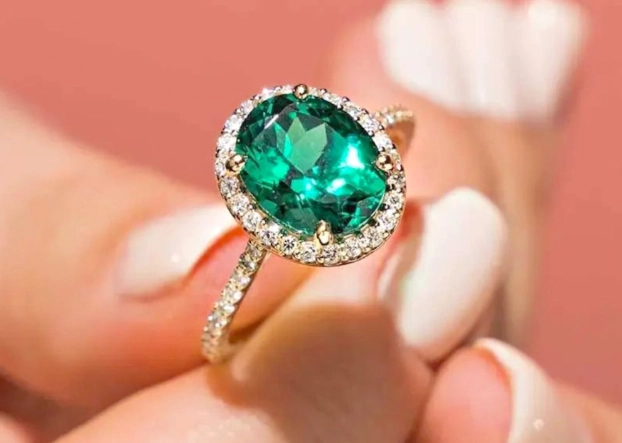
Use this guide to narrow down your options based on practicality—hardness for daily wear, budget, color preference. But once you have a shortlist, look at the stones themselves. Compare them. See how they play with light. Imagine wearing them.
The world of lab created gems is a gift. It democratizes beauty and choice. Whether you fall for the fiery rainbow of a moissanite, the timeless cool of a lab diamond, or the deep, velvety blue of a lab sapphire, you're getting a real, durable, and stunning piece of the future. And honestly, that's a pretty beautiful thing to wear.
So go ahead, explore with confidence. Your perfect sparkle is out there.