What This Guide Covers
So you're asking, "What is the most meaningful gemstone?" Let me tell you right off the bat, that's a trick question. If anyone gives you a single, definitive answer, they're probably trying to sell you something. The truth is, meaning doesn't come from a price tag or a celebrity endorsement. It gets woven into a stone through stories, through history, through a specific moment in your life that you can't forget.
I remember a friend who inherited her grandmother's simple opal ring. It wasn't expensive. It had a tiny chip on one side. But to her, it was the most meaningful gemstone in the world because it held a lifetime of memories in its milky fire. That's the kind of meaning we're talking about here.
So instead of just listing stones, let's dig into what actually makes a gemstone meaningful. Is it the color that catches your soul? The ancient legend behind it? The fact that it marks the month you were born, or the anniversary you almost didn't make it through? We'll look at all of that. By the end, you might not have one universal answer, but you'll have a much clearer idea of how to find your most meaningful gemstone.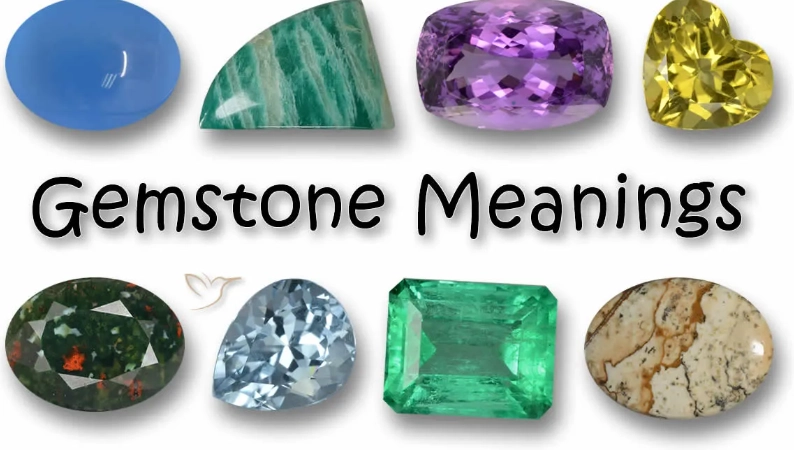
Where Does a Gemstone's Meaning Even Come From?
Before we get to specific stones, we need to unpack the suitcase. Meaning is layered. It's not one thing. For some, it's a deep cultural or religious symbol passed down for centuries. For others, it's a purely personal emotional trigger. Let's break down the main sources.
The Weight of History and Culture
This is the big one. Cultures around the world have assigned powerful attributes to gems for millennia. Sometimes it's about color associations—red for passion and life force, blue for wisdom and calm, green for growth and renewal. These aren't random. They're tied to what people saw in nature and in themselves.
Take the jade in Chinese culture. It's not just a pretty green stone. For thousands of years, it's been revered as the embodiment of virtue, purity, and moral integrity. Confucius even likened the qualities of a gentleman to jade. That's a heavy load of meaning for one mineral to carry. You can learn more about jade's profound cultural journey through resources from the Gemological Institute of America's (GIA) history and lore section, which does a great job tracing these deep roots.
Or consider the turquoise used by Native American tribes in the Southwest. It's seen as a sacred stone of protection, a piece of the sky fallen to earth. It's used in ceremonies and adornment with a purpose far beyond decoration.
When you wear a stone with this kind of historical baggage, you're connecting to a story much bigger than yourself. That can feel incredibly meaningful.
The Pull of Personal Connection and Milestones
This is where it gets real. This is where a "gemstone" becomes "my gemstone."
An engagement diamond is the classic example. On its own, it's a clear, hard crystal. But set it in a ring offered during a life-changing question, and it becomes a tangible promise. Its meaning is borrowed from the moment. The same goes for a birthstone gifted on a significant birthday, or a pearl necklace passed from mother to daughter on a wedding day.
I'm somewhat skeptical of the modern birthstone system's commercial origins, I'll admit. But you can't deny the power it has. Knowing your birthstone, or giving someone theirs, creates an instant, personal link. It says, "This is for you, specifically, because of when you came into the world." That's pretty hard to beat.
The Modern Search for Healing and Energy
This is a huge area of interest now, though it's important to approach it with a clear head. The idea that crystals and gemstones can channel specific energies or healing properties is central to many New Age and alternative wellness practices. Amethyst for calm and clarity, rose quartz for love, black tourmaline for protection from negative energy—you've probably heard these associations.
Does it work? Scientifically, there's no evidence that gemstones emit unique healing energies. The National Institutes of Health (NIH) database won't have studies proving crystal healing. But here's the thing: the placebo effect and the power of intention are real. If holding a rose quartz helps you focus on being more open-hearted, or if placing an amethyst on your nightstand creates a bedtime ritual that calms you, then the stone has created a meaningful, positive change. Its meaning comes from the action and focus it inspires in you.
Just be wary of anyone who makes outrageous medical claims or charges a small fortune for a "miracle" crystal. The meaning should empower you, not empty your wallet based on false promises.
A Look at the Usual Suspects (And Why They're Famous)
Okay, with that framework in mind, let's talk about some specific stones that often come up in the "most meaningful gemstone" conversation. I've put them in a table not to rank them, but to compare the different types of meaning they carry. Remember, the "most meaningful" column is subjective—it's showing why they could be top contenders for someone.
| Gemstone | Classic Symbolism | Common Modern Associations | Why It Could Be "The Most Meaningful" |
|---|---|---|---|
| Diamond | Invincibility, purity, light. Ancient Greeks thought they were splinters of fallen stars. | Eternal love, commitment, strength (thanks to marketing and Mohs scale hardness of 10). | The ultimate milestone marker. Its near-indestructibility makes it a powerful symbol for promises meant to last forever, like marriage. |
| Ruby | The "king of gems." Symbol of passion, vitality, and power. Associated with blood and life force. | Love, courage, wealth. July's birthstone. | For intense emotion and vibrancy. Its fiery red color is unmatched. It speaks to a passionate, bold life. |
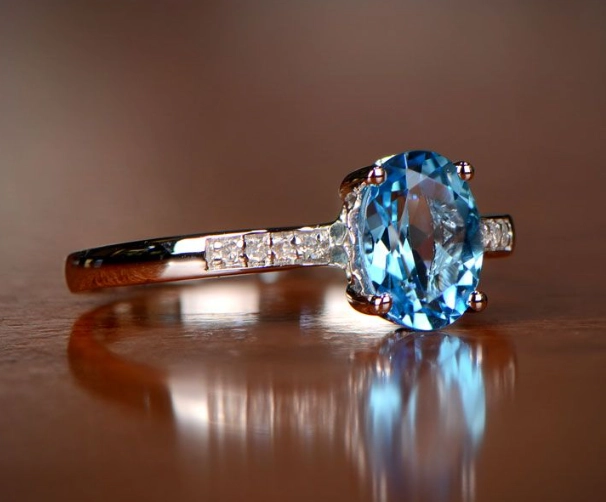
| Sapphire | Wisdom, loyalty, nobility. Medieval clergy wore it to symbolize heaven. | Truth, sincerity, focus. September's birthstone (especially blue). | For wisdom and faithful commitment. Its deep blue evokes calm and depth. A classic choice for engagement rings seeking meaning beyond the diamond tradition. |
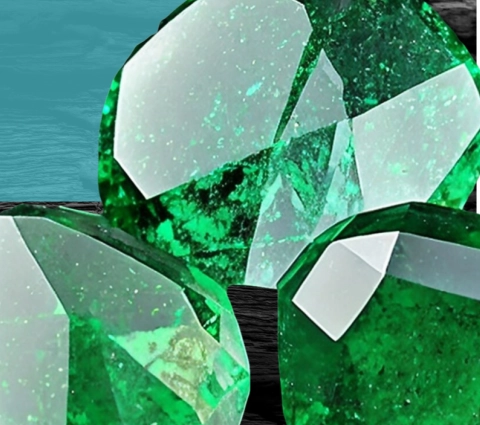
| Emerald | Rebirth, fertility, eternal spring. Cherished by Incas and Egyptians. | Hope, growth, harmony. May's birthstone. | For renewal and connection to nature. Its lush green is the color of thriving life. It can symbolize new beginnings or a deep love for the natural world. |
| Pearl (Organic) | Purity, humility, innocence. Formed through adversity (an irritant in the oyster). | Wisdom gained through experience, transformation. June's birthstone. | For transformation and quiet strength. Its origin story—something beautiful created from irritation—resonates deeply with human experience. It often symbolizes inherited wisdom. |
| Opal | Hope, purity, good fortune. Also feared as bad luck in some superstitions. | Creativity, imagination, spontaneity. October's birthstone. | For individuality and magic. No two opals are alike, and their play-of-color is unpredictable. It's the stone for those who embrace uniqueness and wonder. |
| Amethyst | Sobriety, peace, and piety. The name comes from Greek "amethystos" (not intoxicated). | Calm, stress relief, spiritual awareness. February's birthstone. | For peace and clarity. In a chaotic world, its soothing purple hue represents a search for tranquility and mindful living. A hugely popular "healing" stone. |
See what I mean? Asking "what is the most meaningful gemstone" is like asking what's the best flavor of ice cream. If you love intense, fiery passion, a ruby might speak to you. If your meaning is tied to calm wisdom, a sapphire could be it. A pearl might win if your story is about graceful transformation.
Its true meaning is the context you wrap around it.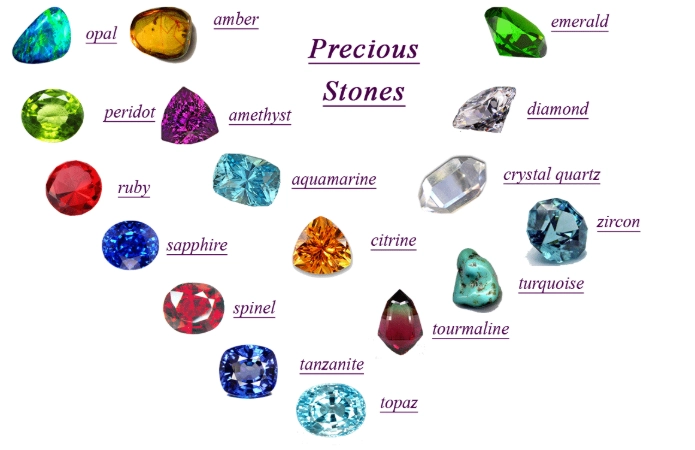
How to Actually Find YOUR Most Meaningful Gemstone
This is the practical part. You don't have to just wait for meaning to fall in your lap. You can be intentional about it. Here's a kind of mental checklist I've used myself and suggested to others.
Your Personal Meaning-Making Checklist
- Listen to Color: Are you constantly drawn to a specific color in your clothes, your home, art? That color likely holds emotional resonance for you. Start your gem search there (blue for sapphire, aquamarine; green for emerald, peridot; etc.).
- Mark the Moment: What are you commemorating? An achievement? A loss? A new chapter? Choose a stone whose traditional symbolism aligns with that moment (e.g., emerald for a new beginning, diamond for enduring strength).
- Honor Your Roots: Does your cultural or family heritage have a special connection to a particular gem? Jade in East Asian cultures, turquoise in Native American or Persian cultures, coral in Italian traditions? Wearing that stone can be a powerful connection to your identity.
- Consider the "Giver's Intent": If it's a gift, the most meaningful gemstone is often the one that shows you were truly seen. Did they remember your birth month? Pick your favorite color? Choose a stone that matches a quality they admire in you (like a sapphire for loyalty)? That thoughtfulness is the meaning.
- Forget the Rules: Your birthstone is peridot but you hate green? That's fine. The birthstone system is a fun guide, not a law. Your most meaningful gemstone doesn't have to be the one assigned to your birthday.
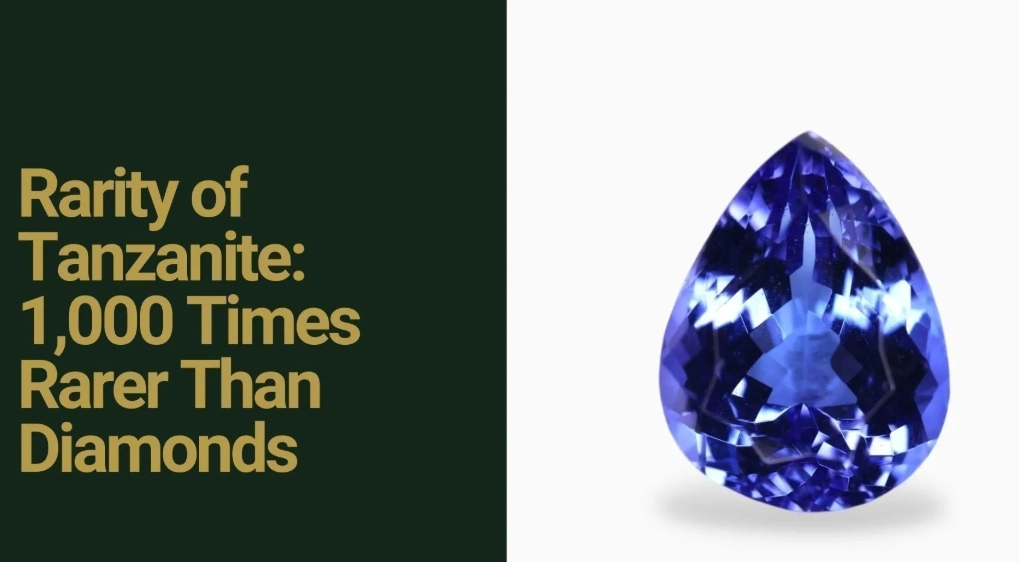
Sometimes, the search for the most meaningful gemstone leads you down a less common path. Maybe it's a stunning tanzanite, found only in one place on Earth, that symbolizes uniqueness for you. Maybe it's a humble but vibrant garnet, a stone of friendship and connection. Don't limit yourself to the "big names" if something else calls to you.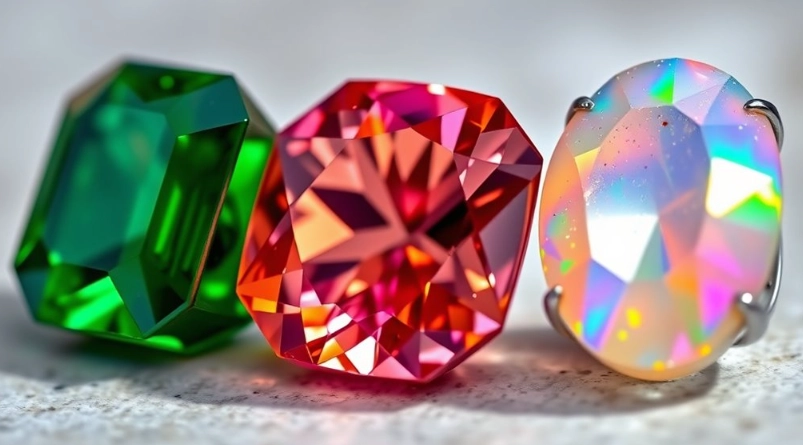
Going Deeper: Questions Beyond the Surface
Once you start thinking about meaning, more questions pop up. Let's tackle a few that often come up.
So, What's the Final Answer?
We've traveled all this way, and I'm still not going to give you a single stone name. Because that would defeat the whole purpose.
The most meaningful gemstone is the one that acts as a container for your story. It could be a diamond, but only if its hardness mirrors the strength of your commitment. It could be an opal, but only if its shifting colors reflect your adaptable spirit. It could be a simple piece of agate you found on a hike that reminds you of a perfect day.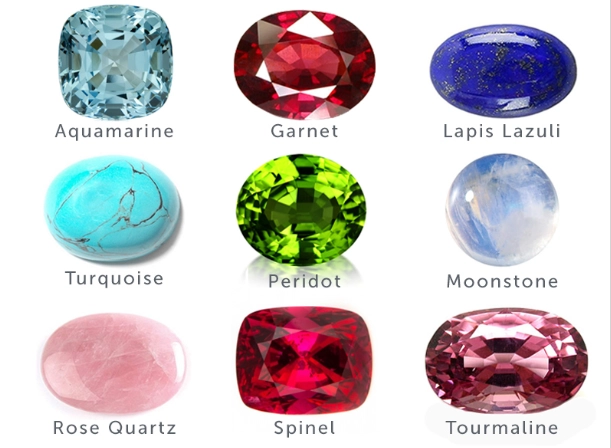
The work isn't in finding the "right" stone according to a guidebook. The work is in understanding what you want to remember, to celebrate, to aspire to. Then, finding the gem that feels like a physical touchstone for that feeling.
Look at your own life. Listen to what you're drawn to. Remember the moments that shaped you. The answer to "what is the most meaningful gemstone" isn't in my words, or on any website. It's in your own history and your own heart. Start looking there, and you'll know the stone when you see it.
Maybe you already own it, and just haven't thought about it that way yet.