Quick Navigation
- Start With Your Eyes: The Visual Inspection
- The Physical Clues: Simple At-Home Tests (Do No Harm!)
- Getting More Technical: Properties You Can Research
- When and How to Call in the Professionals
- Common Gemstone Look-Alikes and How to Spot the Difference
- Putting It All Together: A Step-by-Step Action Plan
- Frequently Asked Questions (The Stuff You're Really Wondering)
You're holding a stone. Maybe it was a gift, an inheritance, or a lucky find at a flea market. It sparkles, it has color, it feels special. But what is it? Is it a valuable ruby or just red glass? A sapphire or a piece of tumbled blue quartz? The question "how do I identify what gemstone I have?" pops into your head, and suddenly you're down a rabbit hole of confusing scientific terms and contradictory advice online.
I've been there. I once bought what I was convinced was a citrine pendant, only to have a jeweler friend gently point out it was heat-treated amethyst—a common misidentification. It was a lesson learned. You don't need a PhD in mineralogy to get started, but you do need a clear, practical path.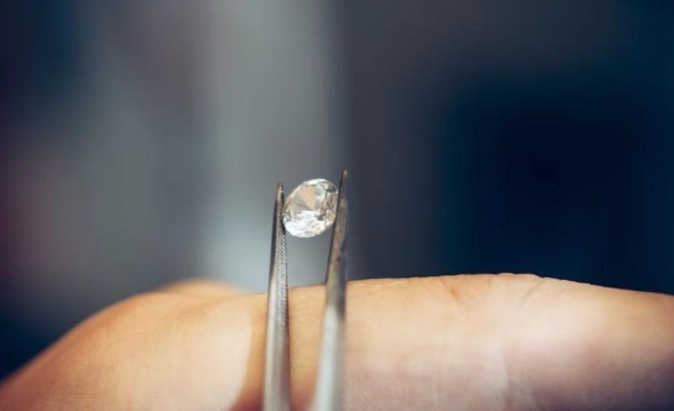
This guide is that path. We'll move from simple observations you can do right now with a magnifying glass and a good light, through some basic at-home tests (the safe ones!), all the way to understanding when it's time to call in the pros. Forget the fluff. Let's get straight to figuring out what you've got.
Start With Your Eyes: The Visual Inspection
Before you buy any special equipment, use what you already have. Your eyes are the first and most important tool. A lot of gemstone identification begins with simply looking closely. I mean, really closely.
Get a good, bright light—daylight from a window is best—and a simple 10x jeweler's loupe. You can find these cheaply online. Hold the stone so the light passes through it if it's transparent, or falls on its surface if it's opaque. Now, what are you looking for?
Color and Its Secrets
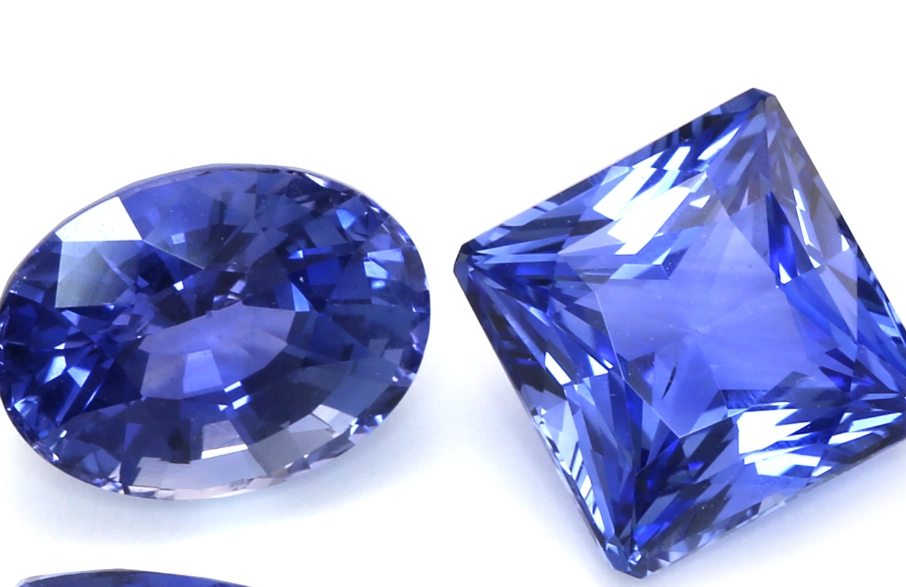
Color is the first thing we notice, but it's also the most misleading. Tons of different gems share the same color. A blue stone could be sapphire, topaz, iolite, or glass. Don't jump to conclusions based on color alone.
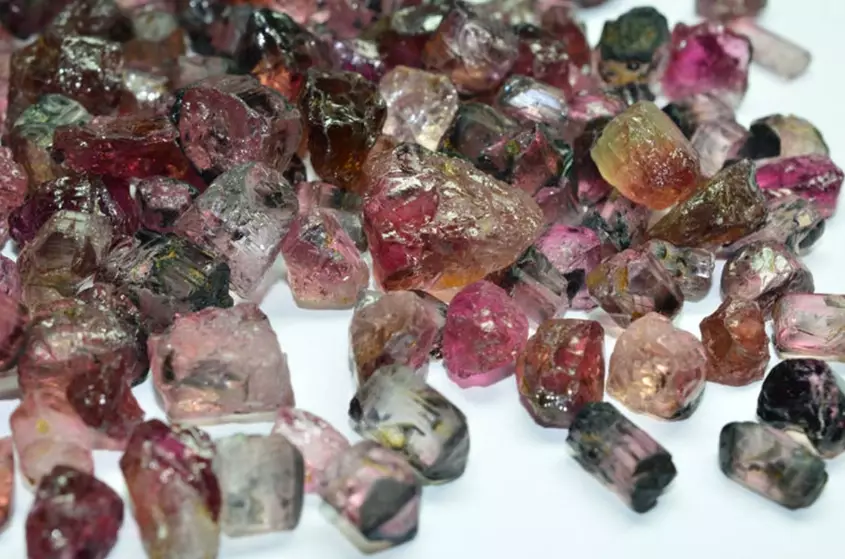
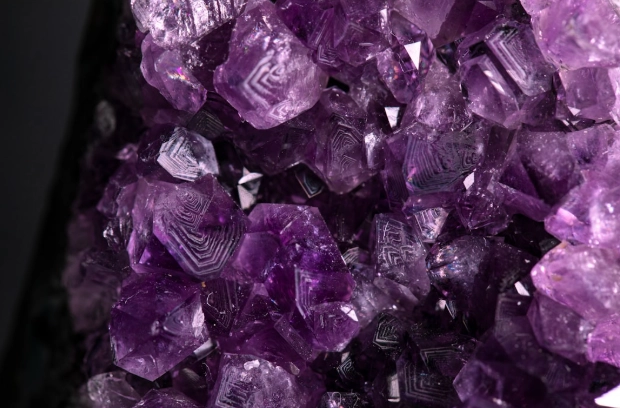
Instead, look at the quality of the color. Is it even throughout the stone, or is it zoned in bands or patches? Many natural stones like amethyst or tourmaline show color zoning. Is the color very, very bright and perfect? That can sometimes be a sign of synthetic material or treatment. Natural gems often have slight variations.
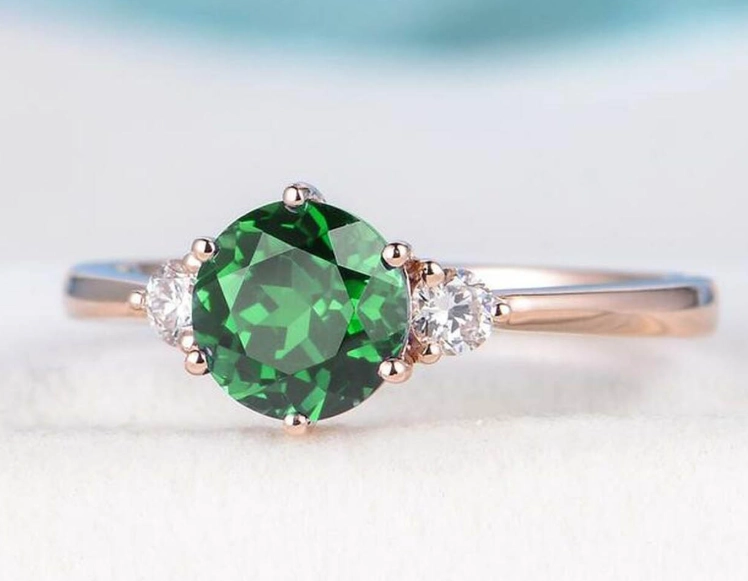
For example, a lot of people ask "how do I identify what gemstone I have if it's green?" Well, emerald tends to have a distinctive bluish-green, often with visible inclusions. Peridot is a more olive or lime green. Green tourmaline can be very dark. The shade and tone matter.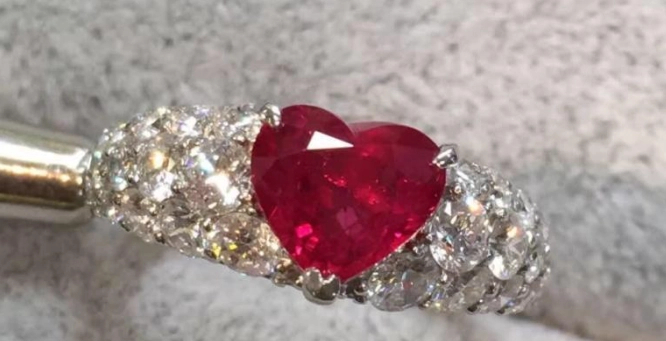
Inclusions: The Gem's Fingerprint
This is huge. Inclusions—the tiny internal features—are like a gem's birth certificate. Most natural stones have them. Synthetics and glass often look too clean.
With your loupe, look inside. Do you see tiny crystals, needle-like lines (rutile needles in quartz or sapphire), fluid-filled spaces, or feather-like fractures? These are all clues. For instance, tiny "horsetail" inclusions are classic for demantoid garnet. Silk (fine needle inclusions) is common in corundum (ruby and sapphire). If you see perfect, geometric bubbles, that's almost always glass.
I remember examining a small red stone under my loupe and seeing what looked like tiny, curved striae or growth lines. That was a major clue pointing towards a synthetic ruby, as those lines are a hallmark of the flame-fusion creation process. The visual check saved me from a wrong assumption.
Cut and Craftsmanship
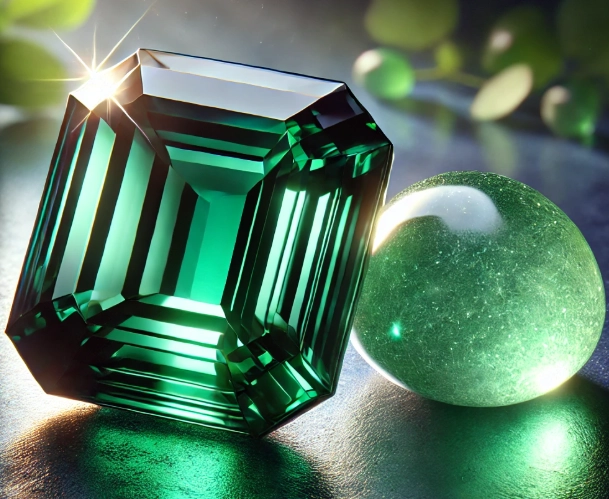
How is the stone shaped? Antique jewelry often uses specific cuts for specific eras. Very rounded, bubbly facets with soft edges can indicate an older cut or hand-cut stone. Machine-cut gems have sharp, precise facets. Some materials, like emerald or tourmaline, are often cut in rectangular "emerald cuts" or long oblong shapes to preserve weight from their crystal shape. A very cheap, poorly defined cut might be used on less valuable material.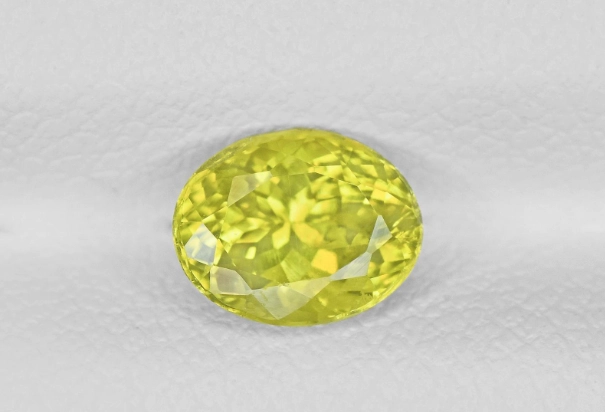
The Physical Clues: Simple At-Home Tests (Do No Harm!)
Once you've looked your fill, you can move on to some basic physical tests. A massive disclaimer here: BE GENTLE. Some tests can damage certain stones. Never do anything irreversible. If the piece is valuable, antique, or emotionally precious, skip straight to a professional.
So, what can you do safely?
The Heft and Feel Test
Different gems have different densities. This means a sapphire will feel heavier for its size than a piece of quartz of the same dimensions. This "heft" is a subjective but useful clue. Compare your unknown stone to one you know. Does it feel surprisingly light? That could point towards amber or certain plastics. Surprisingly heavy? Maybe it's a garnet or zircon.
The Transparency Test
We usually think of gems as transparent (see-through), translucent (light passes through but is diffused), or opaque (no light passes). Shine a bright light through it. Jadeite jade is famously fine-grained and translucent. A ruby can be transparent to translucent. Turquoise is opaque. This narrows the field.
The Hardness Observation (Not a Test!)
I'm not telling you to scratch anything. But you can observe signs of hardness. Look at the stone's facets and edges under your loupe. Are they sharp and crisp, or are they worn down and rounded? Softer stones (like apatite or fluorite) in everyday jewelry will show abrasions and wear on facet edges. A diamond or sapphire will keep sharp edges much longer. Check the setting too—is the metal worn down around the stone from frequent polishing? That sometimes happens with softer gems.
This is a key part of figuring out how do I identify what gemstone I have—using passive observation instead of destructive action.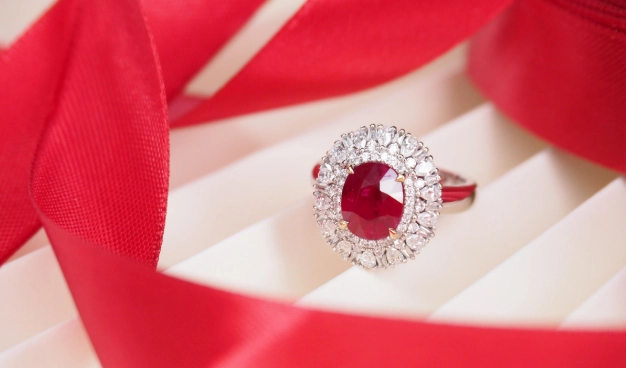
Getting More Technical: Properties You Can Research
If you've narrowed it down a bit visually and physically, you can start comparing its properties to known gemological data. This is where a bit of research comes in.
Refractive Index (RI) and The Sparkle
Refractive Index is a measure of how much light bends inside a gem. A high RI (like diamond's 2.42 or zircon's 1.93-1.99) gives incredible brilliance and fire. A lower RI (like quartz at 1.54-1.55) gives a softer, more greasy luster. You can't measure RI without a refractometer, but you can train your eye. Does the stone have an insane, fiery sparkle? It's likely a higher RI material. Is the sparkle more subdued? Lower RI.
Dichroism: Seeing Double Colors
Many doubly refractive gems show two different colors when viewed from different directions. This is called dichroism. You need a simple tool called a dichroscope to see it clearly, but sometimes you can spot it by looking through the stone at different angles against a white light. Iolite is famous for showing violet-blue and pale yellow-gray. This property can be a dead giveaway.
Let's say you're still stuck, thinking "how do I identify what gemstone I have with these blue and yellow hints?" Dichroism could point you straight to iolite.
Specific Gravity (SG): The Weight Clue, Quantified
This is the precise version of the "heft" test. Specific Gravity is the ratio of the gem's density compared to water. You can do a rough SG test at home if the stone is loose using a kitchen scale and the water displacement method (there are tutorials online). It's finicky, but for a loose, unknown rough crystal, it can provide a solid number to check against gem tables.
Here’s a quick reference table for the Specific Gravity of common gem materials. A significant deviation from these ranges is a strong clue.
| Gemstone | Typical Specific Gravity Range | Feel Compared to Quartz (SG ~2.65) |
|---|---|---|
| Amber | 1.05 - 1.10 | Much Lighter |
| Quartz (Amethyst, Citrine) | 2.65 | Average (Baseline) |
| Topaz | 3.49 - 3.57 | Noticeably Heavier |
| Corundum (Ruby, Sapphire) | 3.99 - 4.00 | Significantly Heavier |
| Zircon | 4.60 - 4.70 | Very Heavy for its size |
When and How to Call in the Professionals
Let's be real. Most of the time, especially with a cut stone set in jewelry, a definitive answer requires professional gemological equipment and expertise. And that's perfectly okay. Knowing when to stop guessing is a sign of a smart investigator.
You should seek a professional appraisal or identification if:
- The piece is potentially valuable (sentimentally or monetarily).
- You need a definitive answer for insurance or sale.
- Your at-home observations point to multiple possibilities that share similar looks (e.g., ruby vs. red spinel vs. red garnet).
- The stone is in a piece of fine jewelry.
So, who do you go to? Not just any jeweler. Look for a Graduate Gemologist (GG) or a Fellow of the Gemmological Association of Great Britain (FGA). These titles mean they have formal gemology education. Many work in independent appraisal firms or for auction houses.
A professional will use tools you don't have at home: a refractometer to measure RI, a spectroscope to see absorption spectra (a chemical fingerprint of color), a polariscope to determine single vs. double refraction, and often advanced lab equipment like Raman spectrometers for a definitive ID. They can also identify treatments—like heat, diffusion, or fracture filling—that dramatically affect value.
I sent that suspected synthetic ruby to a gemologist friend. He confirmed it in minutes with his refractometer and told me its likely origin. The small fee was worth the certainty.
Common Gemstone Look-Alikes and How to Spot the Difference
A big part of the puzzle is knowing what your stone is not. Here are some classic impersonators.
Glass: The Great Imitator
Glass is everywhere. It's single refractive, often has round gas bubbles (not angular crystal inclusions), can feel warmer to the touch than crystal, and its facets can be mold-seamed. Its RI is usually around 1.50, lower than most gems. Under a loupe, look for swirls of color and those tell-tale bubbles.
Synthetic vs. Natural
This is tough. Synthetics have the same chemical and physical properties as their natural counterparts. A lab-created ruby is a ruby. You need a pro to find the growth patterns (like those curved striae I saw). They're not "fakes," but their value is much lower. If a deal seems too good to be true for a large, clean, colorful stone, it might be synthetic.
Treated Stones
Most gems are treated. Heat treatment is common and accepted for sapphire and tanzanite. Diffusion adds color to the surface. Fracture filling hides cracks in emeralds and rubies. These treatments require expert detection (often with magnification) and must be disclosed. They affect durability and value.
Honestly, the treatment issue is why I'm skeptical of buying expensive gems online without a reputable lab report (like from GIA or AGTA members). It's just too easy to get it wrong.
Putting It All Together: A Step-by-Step Action Plan
- Gather Your Tools: Good light, 10x loupe, white paper, a soft cloth. That's your starter kit.
- Document: Take clear, close-up photos in good light from all angles. This is your reference.
- Visual Exam: Note color, inclusions, luster, wear, and cut. Write it down.
- Safe Physical Clues: Assess heft, transparency, and any signs of wear.
- Research: Compare your notes to reputable online resources. The GIA Gem Encyclopedia is an excellent, free resource.
- Decide: Do you have a likely candidate? Are you satisfied? If yes, great. If no, or if value is a concern...
- Consult a Pro: Find a qualified gemologist for a formal identification or appraisal.
This process answers the core question of how do I identify what gemstone I have in a logical, safe, and effective way.
Frequently Asked Questions (The Stuff You're Really Wondering)
Is there a free app to identify gemstones?
There are apps that claim to do this, often using your camera. My take? They're gimmicks at best and dangerously misleading at worst. They cannot measure physical properties or see inclusions. They might guess based on color, which is wildly unreliable. Don't waste your time or trust them.
How can I tell if it's a diamond?
At home, the best negative test is the "fog test." Breathe on it like you're fogging a mirror. A diamond disperses heat instantly and will clear up in a split second. Glass, cubic zirconia (CZ), or quartz will stay fogged for a few seconds. Also, look through the stone at text on paper. Due to its high refraction, you generally won't be able to read clearly through a well-cut diamond, while you often can through CZ or glass. For a positive ID, see a jeweler with a diamond tester.
What's the most common mistake people make?
Assuming color equals identity. "It's green, so it's an emerald." "It's blue, so it's a sapphire." This is wrong more often than it's right. The second biggest mistake is attempting destructive tests like scratching on a prized piece of jewelry.
How much does professional identification cost?
It varies widely by location and the gemologist's credentials. A simple verbal ID might cost $50-$100. A full written appraisal for insurance, which includes detailed identification, treatment detection, and valuation, can range from $100 to several hundred dollars based on the item's complexity and value. It's an investment in certainty.
Look, the process of learning how do I identify what gemstone I have is part detective work, part science, and part knowing your own limits. It's incredibly satisfying to narrow down the possibilities yourself through observation. It connects you to the object in a new way.
But there's no shame in needing an expert. In fact, for anything important, it's the wisest course of action. Start with your eyes, be patient, and let the clues—the color zones, the tiny crystals inside, the weight in your hand—guide you. You might just discover you're holding something more fascinating than you ever imagined.
Or, you might confirm it's a beautiful piece of glass. And you know what? Sometimes the story behind a piece of glass is more interesting than the gem it's imitating. The real treasure is finally knowing.