Quick Navigation
You're sifting through a pile of rough stones at a market, or maybe you're reviewing a stack of job applications, or perhaps you just bought an old painting at a garage sale. That question pops into your head, the one that's both exciting and a little nerve-wracking: how do you know if you found a gem? Is it luck? Is it a feeling in your gut? Or is there a real, tangible way to tell?
I've been down this road more times than I can count. I've gotten it gloriously right (a small vase I bought for twenty bucks turned out to be worth a lot more after some research), and I've gotten it embarrassingly wrong (let's just say not every "antique" silver mark is what it seems). The truth is, whether you're talking about a literal precious stone, a person with incredible talent, or an object of hidden value, the process of identification shares some surprising similarities. It's less about magic and more about knowing what to look for.
So let's ditch the vague ideas and get practical. This isn't just for jewelers or talent scouts. It's for anyone who wants to spot real value in a world full of clever imitations and overlooked potential.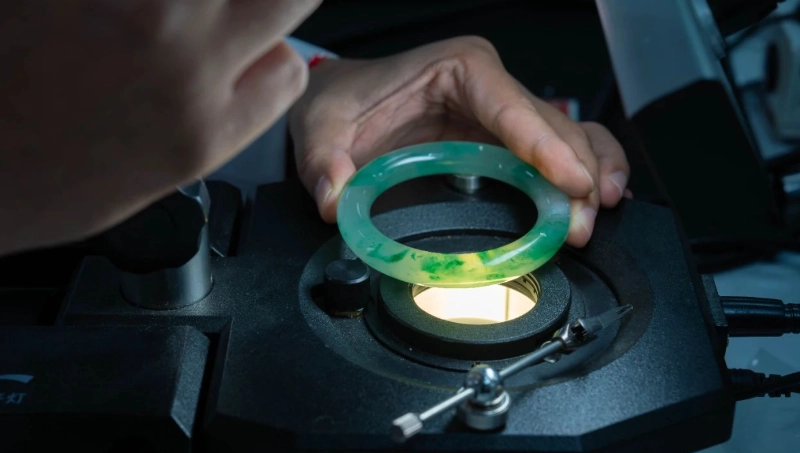
Part 1: The Literal Gemstone – Tests You Can Actually Do
Alright, let's start with the classic meaning. You have a shiny rock. Is it glass, cubic zirconia, or the real deal? The panic sets in. I remember a friend who was convinced she'd found a raw diamond. It was quartz. Beautiful, but not exactly retirement-plan material. So, how do you know if you found a gem in the mineral sense?
Look Beyond the Sparkle: The Basic Physical Tests
Sparkle is a great attention-grabber, but it's a terrible identifier. Many fakes sparkle more than the real thing! You need to get a little more hands-on.
Hardness is a huge clue. This is where the Mohs scale comes in. Can your stone scratch glass (which is about a 5.5 on the Mohs scale)? If yes, you're potentially looking at something harder like quartz (7), topaz (8), or corundum (9 – sapphire/ruby). A real diamond (10) will scratch just about anything. But be careful – you can also damage a real gem this way, so test on an inconspicuous spot if you must.
Check for inclusions. Perfectly flawless stones are incredibly rare and expensive. Most natural gems have tiny fingerprints of nature inside them—tiny crystals, feathers, clouds. Under a 10x loupe (a jeweler's best friend), a completely clean stone might be a red flag for synthetic material. Synthetics can be too perfect. The Gemological Institute of America (GIA) has fantastic resources and diagrams showing common inclusions for different gems. It's a rabbit hole worth going down.
Temperature and weight. Real gems often feel cooler to the touch than glass or plastic imitations. They also tend to be denser, so a real gem of a certain size will feel heavier in your hand than a fake of the same dimensions. It's a subtle thing, but you get a feel for it.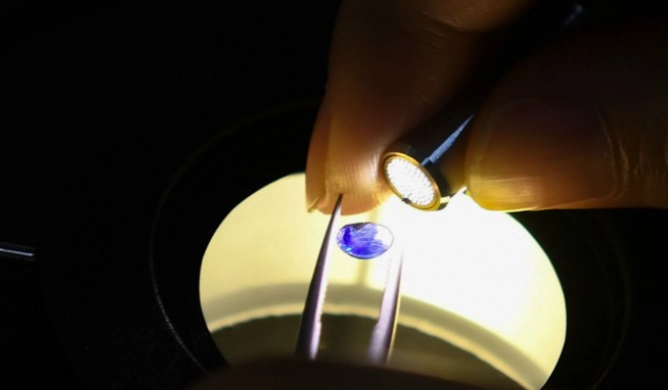
When in Doubt, Go to a Pro (But Be a Smart Client)
If you're serious about knowing, you need a professional appraisal from a graduate gemologist (GG). But here's the thing—not all appraisers are equal. Look for one who is independent (not trying to sell you anything) and has credentials from GIA or a similar reputable institution.
They'll use tools you don't have at home: a refractometer to measure how light bends in the stone, a spectroscope to see its absorption spectrum, and a polariscope to determine if it's singly or doubly refractive. This is the only way to get a definitive answer on species and origin. The cost is worth it for peace of mind, especially if you're considering a purchase. The American Society of Appraisers has a directory you can use to find qualified professionals.
So, for a physical gem, the answer to "how do you know" involves a mix of simple observations and, ultimately, professional verification.
Part 2: The Figurative Gem – Spotting Hidden Value in People and Things
This is where it gets interesting for most of us in everyday life. The "gem" is a metaphor for something of incredible, often overlooked, value. It could be an employee, a business idea, a stock, a vintage find, or a piece of art. The principles here are less about hardness and more about characteristics.
The Core Qualities of a Non-Literal Gem
Whether it's a person or an object, true gems share some common traits. They aren't always the flashiest on the surface.
- Authenticity Over Polish: A gem has a genuine core. A person might not have the slickest interview answers but has a proven track record of solving real problems. An antique might have a repair (a "flaw") that speaks to its age and history, making it more authentic, not less.
- Resilience and Durability: Does it hold up under pressure? A gem of an employee stays calm in a crisis and learns from failures. A well-made product lasts for years, not months. This is the figurative "hardness" test.
- Consistent Performance: It's not a one-hit wonder. A talented person delivers quality work reliably. A good investment shows steady, logical growth potential, not just a hype-driven spike.
- Scarcity & Unique Value Proposition: What does this person or thing do that others simply can't? It might be a specific skill combination, a unique historical provenance, or an innovative design solution. If it's easily replaceable, it's probably not a gem.
I once hired a graphic designer whose portfolio wasn't the most glamorous. But she had designed manuals and interfaces for medical devices—incredibly complex, regulation-heavy work. That demonstrated a depth of problem-solving and patience that was far more valuable than just making pretty logos. She was a total gem for our technical projects.
The "Too Good to Be True" Filter
This is critical. In the world of talent and collectibles, fakes abound. The resume that's a mile long with perfect titles at perfect companies? The "limited edition" collectible being mass-produced on the side? The start-up with explosive user growth but no clear path to revenue?
These are the cubic zirconias of their domains—brilliant at first glance, but lacking the enduring substance. How do you know if you found a gem and not just a good fake? You dig for proof of substance, not just style. You check references thoroughly. You research the production numbers of that "rare" item. You ask the hard questions about business fundamentals.
A Practical Comparison Table: Gem vs. Good Imitation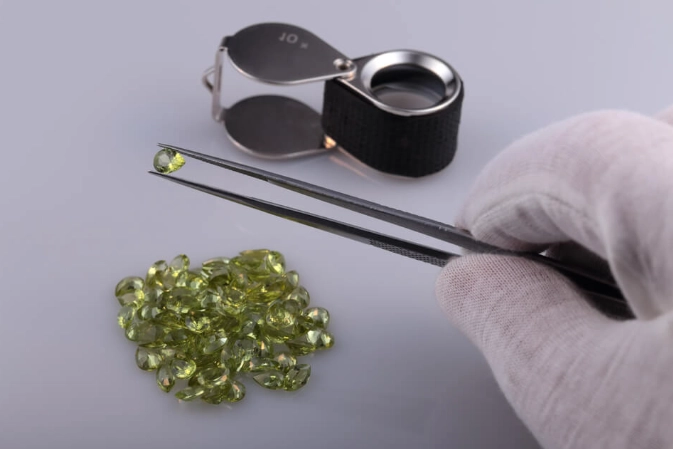
Let's break this down visually. It helps to see the contrast side-by-side.
| Attribute | The Real Gem (Person/Thing) | The Good Imitation |
|---|---|---|
| Value Foundation | Intrinsic, derived from core qualities (skill, craftsmanship, materials). | Extrinsic, derived from hype, marketing, or superficial trends. |
| Response to Pressure | Becomes more refined; problems reveal its strength. | Cracks or reveals cheap materials underneath. |
| Long-Term Trajectory | Holds or increases in value over time. | Value peaks quickly and then declines. |
| Authenticity Check | History/background is verifiable and consistent. | Backstory is vague, exaggerated, or has gaps. |
| Expert Opinion | Respected authorities in the field confirm its value. | Only promoted by paid influencers or the seller. |
See the pattern? It's about depth versus surface. It's about asking, "What is this made of at its core?"
Part 3: The Process – A Step-by-Step Gut Check
Okay, so we have the qualities. But in the moment of discovery, what do you actually do? Here's a mental checklist I run through. It applies to almost anything.
Step 1: Pause the Hype. Your initial excitement is fuel for the search, not proof of the find. Take a deep breath. The gem isn't going to vanish if you take a day to think. Impulse is the enemy of good judgment here.
Step 2: Do the Basic Due Diligence. This is the unsexy part. Google it. Research comparables. For a person, that's a LinkedIn deep-dive and reference checks. For an item, it's checking sold listings on eBay, Heritage Auctions, or specialized forums. The Better Business Bureau site can be useful for checking out companies. You're looking for inconsistencies or red flags.
Step 3: Seek Contradictory Evidence. Actively try to prove yourself wrong. Look for negative reviews. Search for "problems with [X]". Ask the critical questions you're afraid to ask. If it survives this deliberate stress test, your confidence can grow.
Step 4: Consult a Trusted, Knowledgeable Source. Not your friend who gets equally excited about everything. Find someone who knows more than you and isn't invested in your decision. For a career-related gem, that might be a mentor. For a collectible, it might be a seasoned collector on a niche forum. Pay for an expert opinion if the stakes are high.
Step 5: Listen to Your Calm Self. After the research, sleep on it. The feeling you have now—after the homework—is more valid than the first flash of excitement. Is it a calm confidence, or is it nervous hope?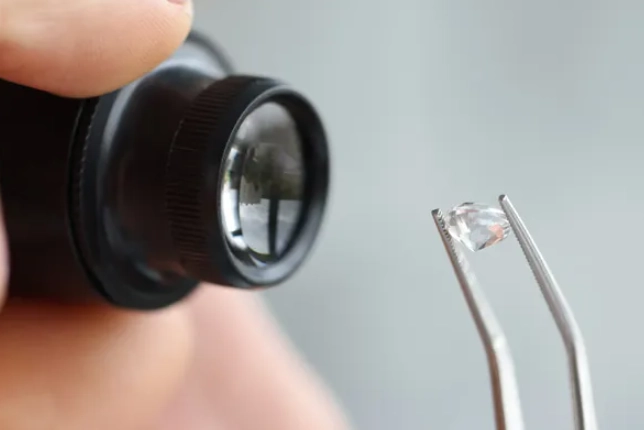
Common Questions (And Real Answers)
Let's tackle some specific things people worry about.
The goal isn't to never make a mistake. It's to make fewer, more informed mistakes.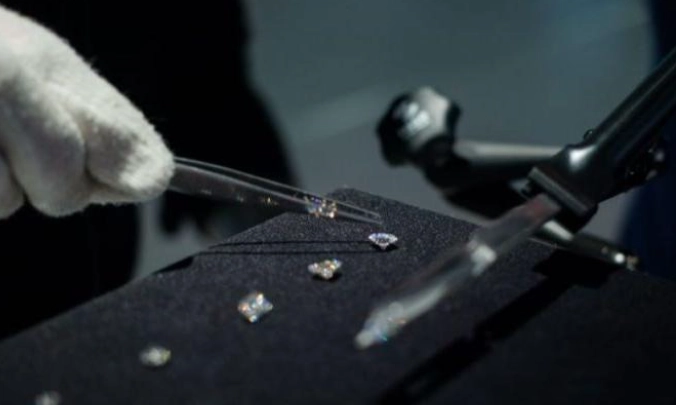
Wrapping It Up: The Mindset of a Gem Hunter
At the end of the day, knowing if you found a gem is a skill you build, not a secret you learn. It's a combination of knowledge, patience, and a willingness to look deeper.
It means getting comfortable with the fact that most of what glitters isn't gold (or sapphire, or top talent). It means valuing substance over shine every single time. It means doing your homework even when you're really, really excited.
The next time you hold that interesting stone, meet that intriguing person, or consider that unique opportunity, you won't just be wondering blindly. You'll have a framework. You'll know to check for hardness and inclusions—literal or figurative. You'll know to manage your own excitement and seek disconfirming evidence. You'll understand when to trust a feeling and when to demand proof.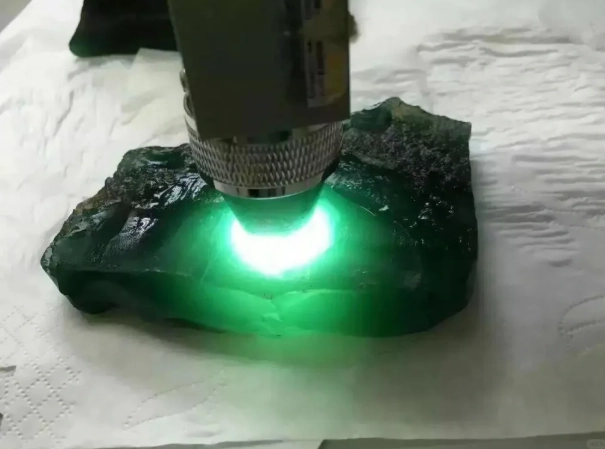
So go ahead, start looking. But look smart. Ask the hard questions. Be curious, be critical, and be patient. That's how you'll know. Truly know.