Your Crystal Journey Map
- Where Do These Meanings Even Come From?
- Your First Crystals: A No-Nonsense Starter List
- Okay, I Have a Crystal. Now What Do I Actually *Do* With It?
- Going Deeper: Matching Crystals to What You're Feeling
- Common Questions (The Stuff People Really Want to Know)
- Building a Practice That Feels Authentic to You
So you've seen those pretty stones everywhere—in shops, on Instagram, maybe on your friend's desk. And you're curious. What's the deal with healing crystals and their meanings? Do they actually do anything, or is it just a pretty trend?
I was in your shoes a few years back. Totally skeptical, honestly. The whole idea of a rock having "energy" felt a bit out there. But then a friend gave me a piece of black tourmaline during a stressful time, and I figured, why not? I didn't feel any sudden zaps of energy, but I did find myself holding it and focusing my thoughts more. It became a tangible reminder to breathe. That got me hooked on understanding the meanings behind healing crystals, not as magic bullets, but as tools for intention.
This guide isn't about wild, unproven claims. It's a down-to-earth look at the world of crystals. We'll explore common healing crystals and their meanings, how people actually use them, and how you can start if you're interested—without spending a fortune or feeling silly.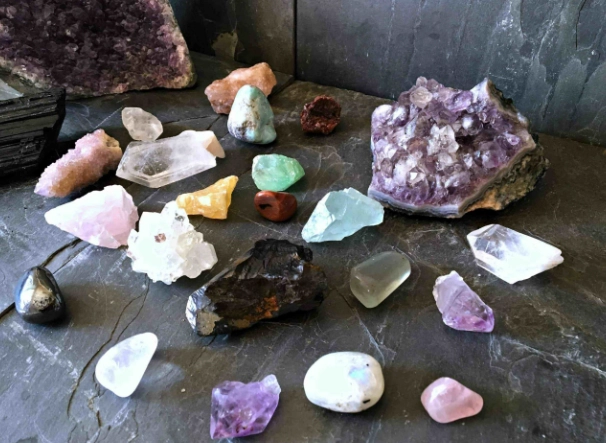
Where Do These Meanings Even Come From?
This is the first big question, right? Who decided that amethyst means "calm" and citrine means "prosperity"? The short answer is: it's a mix of ancient traditions and modern interpretations.
Historically, many cultures used stones for symbolic and ceremonial purposes. Ancient Egyptians used lapis lazuli and carnelian in jewellery and burial rites. In traditional Chinese medicine, jade was highly prized. These practices often linked stones to spiritual or symbolic properties based on their color, rarity, or where they were found.
The modern system of healing crystals and their specific meanings really took shape in the 1970s and 80s, blending elements of these old traditions with New Age spirituality. Color psychology plays a huge role. Green stones (like jade or aventurine) are often linked to the heart and growth because, well, they're the color of plants. Red or orange stones (like carnelian) get tied to vitality and passion.
It's less about a single, ancient rulebook and more about a collective, evolving language of symbolism. The meanings are a framework, a starting point for your own personal connection.
Your First Crystals: A No-Nonsense Starter List
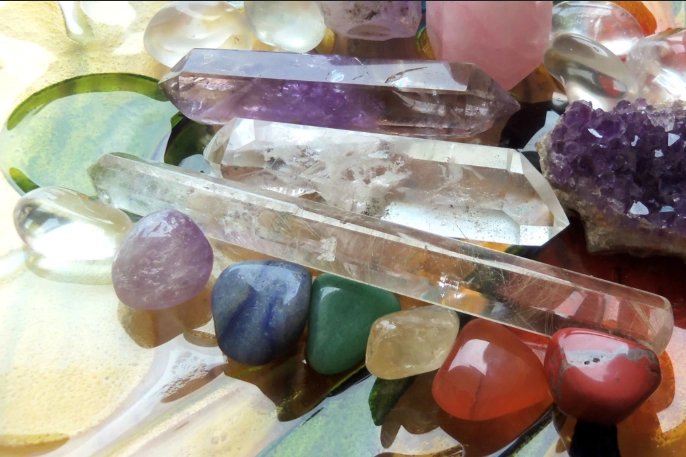
Walking into a crystal shop can be overwhelming. Hundreds of shiny things, all with different names and price tags. You don't need them all. Start simple. Here are a few of the most common and versatile stones, perfect for understanding basic healing crystals meanings.
I've put together a table because, honestly, it's the easiest way to compare when you're starting out. This covers the classics.
| Crystal Name | What It Typically Looks Like | Commonly Associated Meanings & Uses | A Personal Note |
|---|---|---|---|
| Clear Quartz | Clear, translucent, sometimes with milky parts or inclusions. | The "master healer." Said to amplify energy, thoughts, and the properties of other stones. Clarity, focus, power. | My absolute go-to. It's like the Swiss Army knife of crystals. I keep one on my desk. Does it amplify my focus? Maybe it just reminds me to focus. Either way, it works. |
| Amethyst | Beautiful purple, from light lavender to deep violet. | Calm, stress relief, peace, intuition. Known as a stone of sobriety and spiritual connection. Great for bedrooms. | I had a tiny one by my bed for years. Did it stop my insomnia? No. But its presence was a gentle cue to let the day go. The color alone is soothing. |
| Rose Quartz | Pale pink, often cloudy or milky. | The stone of unconditional love. Self-love, friendship, romantic love, compassion. Healing emotional wounds. | It's sweet, but it took me a while to connect with it. It felt almost too gentle. Now I see its value in moments when I'm being too hard on myself. |
| Citrine | Sunshine yellow to golden brown. Natural citrine is rare; much is heat-treated amethyst. | Manifestation, abundance, success, personal will. Called the "merchant's stone" for attracting wealth and positivity. | I'm a bit skeptical of the "get rich" claims, but I like it for boosting a sunny, can-do attitude on grey days. It's like a dose of visual caffeine. |
| Black Tourmaline | Opaque black, often with striations. Can be shiny or dull. | Protection, grounding, negative energy shielding. Said to absorb electromagnetic frequencies (EMFs) and psychic "smog." | The one that started it for me. I keep a chunk near my computer router. Does it block EMFs? Science says probably not. But it makes me *feel* like I've set a protective boundary, and that's powerful. |
See? Not so mysterious. These meanings of healing crystals are really just attributes we assign to help guide our use. You might feel something completely different with a stone, and that's perfectly fine. Your intuition is part of the process.
Okay, I Have a Crystal. Now What Do I Actually *Do* With It?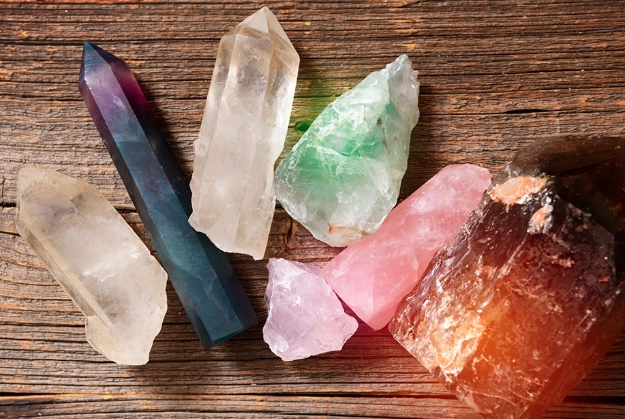
This is where people often get stuck. You buy a pretty rock, put it on a shelf, and... nothing happens. The magic (for lack of a better word) isn't automatic. It comes from your interaction with it. Here are some dead-simple ways to use them.
Holding and Meditating
The simplest method. Just sit quietly, hold the crystal in your hand, and focus on your breath. You can think about the stone's associated meaning. Holding a rose quartz? Think about love—for yourself or others. Holding black tourmaline? Visualize yourself feeling rooted and safe.
The point is the focused attention. The crystal is a physical anchor for your thoughts.
Carrying Them With You
Tuck a small tumble stone in your pocket, purse, or wear it as jewellery. It's a subtle, tactile reminder of your intention throughout the day. Feeling anxious? Reach into your pocket and feel your calming amethyst. Need confidence before a meeting? Hold your citrine pendant.
Placing Them in Your Space
This is about creating an environment. Place an amethyst or selenite by your bed for calm sleep. Put a citrine or pyrite on your desk for a productivity boost. A rose quartz in the living room can promote harmony. It's feng shui, but with sparklier accessories.
Setting Intentions (This is Key)
This is the most important step, in my opinion. When you get a new crystal, take a moment to "program" it with your intention. Hold it, quiet your mind, and clearly state (out loud or in your head) what you want its purpose to be. For example: "I program this clear quartz to help me focus on my creative writing." It's not about changing the crystal; it's about aligning your mind with a specific goal every time you see or touch it.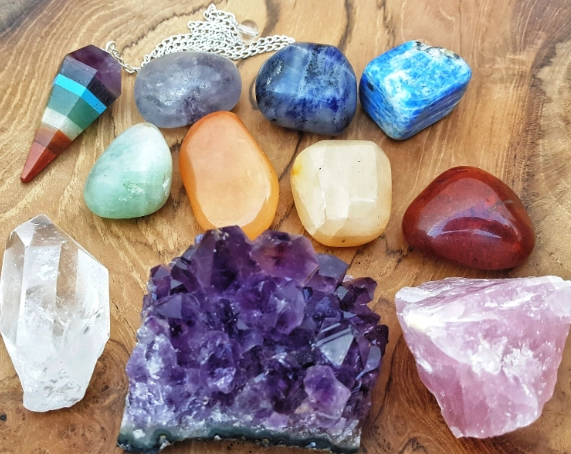
Do I Need to "Cleanse" or "Charge" My Crystals?
You'll hear about this a lot. The idea is that crystals absorb energy and need to be cleared periodically. Methods include running them under water (careful—some dissolve!), leaving them in moonlight or sunlight, smudging with sage, or burying them in earth.
My take? Do it if it feels right to you. It's a ritual of renewal. If you forget for months, don't panic. Your crystal isn't "toxic." I often just hold mine under running tap water for a minute while setting the intention to wash away any stagnant energy. It's more for my mindset than the stone's. The U.S. Geological Survey has great, science-based info on the actual physical properties of minerals if you're curious about their real-world composition (source).
Going Deeper: Matching Crystals to What You're Feeling
Once you get the basics, you can start choosing stones based on what you're experiencing. Think of it like building a personal wellness toolkit. Here's a quick guide based on common needs.
- For Stress & Anxiety: Amethyst, Lepidolite, Blue Lace Agate, Selenite. These stones have calming colors and are linked to peace.
- For Lack of Focus & Brain Fog: Clear Quartz, Fluorite, Tiger's Eye. They're associated with mental clarity and willpower.
- For Needing Grounding (feeling spacey/uncentered): Black Tourmaline, Smoky Quartz, Hematite, Red Jasper. Darker, earthy stones are great for this.
- For Creative Blocks: Carnelian, Orange Calcite, Aquamarine. These connect to sacral and throat energy, linked to creativity and expression.
- For Grief or Heartache: Rose Quartz, Rhodonite, Green Aventurine. Gentle stones for emotional healing and self-compassion.
Remember, these are suggestions. The best crystal for you is the one you're drawn to. See a pretty blue stone you've never heard of? Look it up! Part of the fun is the exploration and learning about new healing crystals and their unique meanings.
Common Questions (The Stuff People Really Want to Know)
See? Asking questions is good.
Building a Practice That Feels Authentic to You
At the end of the day, working with healing crystals and their meanings is a personal practice. It's not about following strict rules or fearing you're doing it wrong.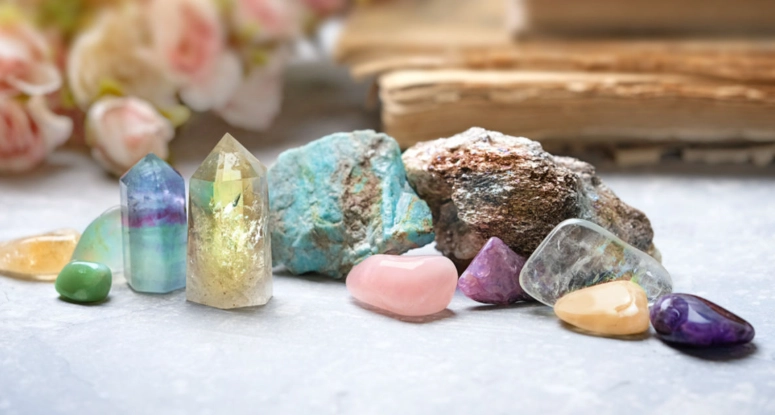
Some days, my practice is elaborate—a full moon cleansing, a detailed grid. Other days, it's just noticing the amethyst on my windowsill and taking that as a signal to straighten my posture and relax my shoulders. Both are valid.
The goal isn't to become a crystal expert overnight. It's to find a simple, enjoyable way to be more mindful, set positive intentions, and add a little bit of mindful beauty to your daily life. If a shiny rock helps you do that, then its meaning—whatever you decide that is—has been fulfilled.