Quick Navigation
So you've got a growing collection of crystals, maybe a little bowl on your desk, a few in your pocket, or even a full-blown grid on your altar. It's exciting, right? Each one feels like a little piece of the earth's magic. But then you hear a whisper, a piece of advice that makes you pause: "Be careful, not all crystals play nice together." Suddenly, you're looking at your beautiful arrangement with a hint of worry. What if you're accidentally creating energetic chaos? What two crystals cannot be together, and why? Is it just folklore, or is there something real to it?
I remember when I first started. I had this gorgeous, fiery Carnelian and a cool, dreamy Selenite wand. I thought, "Perfect! Motivation and peace!" I laid them side by side for a week. And honestly? I felt more scattered than focused. The Carnelian's push felt frantic, and the Selenite's calm felt distant, like they were canceling each other out. It was my first real, personal lesson in crystal compatibility. It's not about "good" or "bad" crystals; it's about understanding their unique personalities and how they interact.
This guide is here to cut through the confusion. We're not just going to list a few pairings and call it a day. We're going to dig into the why behind the rules. We'll look at it from three practical angles: their energy signatures (the metaphysical reason), their physical hardness (the geological reason), and their chemical makeup (the safety reason). By the end, you'll have a framework to make your own informed decisions, not just follow a list blindly.
Why Even Ask "What Two Crystals Cannot Be Together?"
It's a fair question. If you're a purely scientific thinker, the idea of crystals having "energy" that clashes might sound like nonsense. But even from that standpoint, there are solid, practical reasons to be mindful. For others, the energetic component is the primary concern. Let's break down both perspectives, because honestly, both matter.
The Energetic Perspective: This is the most common reason people search for crystal compatibility. Think of crystals like radio stations. Each one broadcasts on a specific frequency—some are fast and stimulating (like Clear Quartz or Carnelian), others are slow and grounding (like Smoky Quartz or Hematite). If you put two stations on wildly different frequencies together, you might just get static. The belief is that incompatible energies can create a sense of dissonance, drain each other, or blunt their intended effects. For example, a crystal meant for high-vibration spiritual work might be dampened by one used strictly for heavy-duty grounding.
The Physical & Safety Perspective (This is Non-Negotiable): This isn't about belief; it's about fact. Crystals are minerals with specific physical properties on the Mohs hardness scale. A harder crystal (like a Quartz at 7) can scratch a softer one (like a Selenite at 2). It will damage it, full stop. Furthermore, some crystals are water-soluble (like Selenite or Halite) or contain metals that can rust or react with moisture. Storing or cleansing these improperly with others can ruin your collection. This is the most critical reason to know what two crystals cannot be together in physical proximity.
So when we talk about incompatible pairs, we're often talking about a combination of these factors. A pairing might be energetically dissonant and physically risky. Understanding the "why" helps you prioritize. Physical safety always comes first.
The Core Principles of Crystal Compatibility
Before we get to specific names, let's build your mental toolkit. These are the three filters you should run any potential pairing through.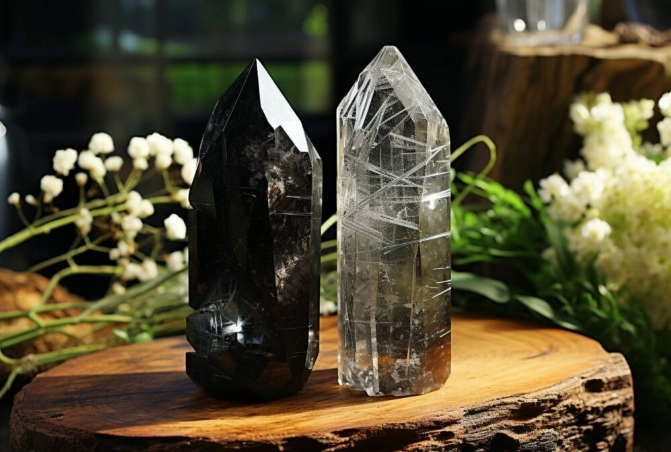
1. The Energy & Intent Filter
This is about purpose. Are the crystals' jobs aligned or in opposition? It's not that opposites never attract—sometimes a calming stone can temper an overly stimulating one beautifully. But direct opposites in intention can create a stalemate.
- Action vs. Rest: Pairing a high-energy stone for motivation (Tiger's Eye) with one for deep sleep and rest (Howlite) on the same project might send mixed signals.
- Opening vs. Protecting: A stone that opens your heart and psychic channels (Celestite) might feel at odds with a stone that creates a dense, shielding barrier (Black Tourmaline) right next to it. It's like trying to open a window while building a brick wall in front of it.
- Cleansing vs. Charging: Some crystals, like Selenite, are known for constantly cleansing energy. Others, like Citrine, are known for constantly radiating and charging energy. Putting a stone that needs a specific, held charge (maybe a programmed Quartz) directly on a Selenite plate might constantly reset it, which could be counterproductive.
My rule of thumb? If you have to force a logic for why they'd work together, they probably don't. The connection should feel somewhat intuitive.
2. The Mohs Hardness Filter (The Scratch Test)
This is geology, not metaphysics. Every mineral has a rating from 1 (talc, very soft) to 10 (diamond). A mineral can scratch any mineral with a lower number. If you store or carry crystals together, their hardness matters.
Simple Rule: Avoid storing crystals with a hardness difference of 2 or more on the Mohs scale directly touching each other. For example, Amethyst (hardness 7) stored loosely with a piece of Lapis Lazuli (hardness 5-5.5) in a bag could easily scratch the Lapis. Always wrap softer stones individually in a soft cloth or keep them in separate compartments. Resources like Mindat.org, the authoritative mineral database, are fantastic for checking the precise hardness of any stone.
3. The Chemical & Care Filter
This is about preservation. Some crystals are just... delicate. They have specific needs, and ignoring them leads to a damaged, dull, or even dangerous stone.
- Water-Soluble Stones: These will literally dissolve or become cloudy in water. Selenite, Gypsum, Halite (Rock Salt), and some forms of Calcite fall here. Never cleanse these in water, and be cautious in humid environments. They shouldn't be placed in a fountain or fish tank with other stones, for obvious reasons.
- Sun-Fading Stones: Many colored stones will fade dramatically in direct sunlight. Amethyst, Rose Quartz, Citrine (natural), Celestite, Fluorite can lose their beautiful color. Don't charge these on the same sunny windowsill where you might put, say, a Clear Quartz.
- Reactive & Toxic Stones: This is a serious safety category. Stones like Malachite, Cinnabar, or any raw copper-bearing minerals can release toxic dust if scratched or powdered. They should be handled with care, kept dry, and stored separately. The U.S. Geological Survey provides excellent material safety data on many mineral components. Also, stones with high iron content (like Pyrite or Hematite) can rust if left wet.
See? Even before we talk about "energy," there are plenty of concrete reasons to be picky about pairings.
Specific Pairings: What Two Crystals Cannot Be Together?
Alright, let's get to some names. This table covers some of the most common and problematic pairings, explaining the primary reason for the clash. Remember, context matters. Having these in the same room is fine. The issue is prolonged, direct contact in a storage box, jewelry setting, or intentional grid.
| Crystal Pair | Primary Conflict Type | Reason & Explanation | Better Alternative Pairing |
|---|---|---|---|
| Selenite & Carnelian | Energetic & Physical | Selenite is a high-vibration cleanser (soft, dissolves in water). Carnelian is a lower, fiery, motivating energy. Energetically, they can cancel out. Physically, Carnelian (hardness 7) can scratch Selenite (hardness 2). | Pair Carnelian with Sunstone or Red Jasper for motivation. Pair Selenite with other high-vibration stones like Clear Quartz or Amethyst. |
| Clear Quartz & Black Tourmaline | Energetic (Contextual) | A classic "clash" question. Clear Quartz amplifies everything. Black Tourmaline absorbs and grounds negativity. Placing them side-by-side might lead to Quartz amplifying Tourmaline's grounding to an extreme, creating a heavy field, or Tourmaline constantly grounding Quartz's amplifying signal. Some practitioners avoid it; others use it intentionally for powerful purification grids. | For cleansing, pair Clear Quartz with Selenite. For protection, use Black Tourmaline alone or with Smoky Quartz. |
| Malachite & Almost Anything (in raw form) | Physical & Safety | Raw Malachite is toxic if inhaled as dust and can be water-sensitive. It should never be used to make elixirs for drinking and should be stored carefully, wrapped separately. It's less about energy and more about literal safety. | If you want Malachite's heart-opening energy safely, use a tumbled, polished stone and keep it in a dedicated pouch. Pair its energy conceptually with Rose Quartz, not physically. |
| Amethyst & Citrine | Energetic | This one is controversial and purely energetic. Amethyst is calming, spiritual, and connected to the crown chakra. Citrine is solar, energizing, and connected to the solar plexus. They are opposite ends of the spectrum. Some find the combination jarring (calm vs. energy), while others love the balance. It's a personal sensitivity test. | If you want balance, try Amethyst with Moonstone (both calming) or Citrine with Carnelian (both energizing). |
| Pyrite & Water-Soluble Stones | Physical & Chemical | Pyrite (Fool's Gold) contains iron sulfide and can oxidize (rust) when exposed to moisture. If stored with or cleansed near a water-soluble stone like Selenite in a humid environment, you risk damaging both. | Keep Pyrite dry and store it separately. Cleanse it with sound, smoke, or dry rice. |
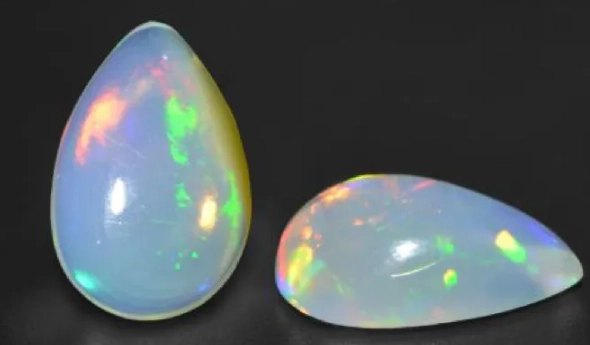
| Opal & Any Harder Stone | Physical | Opal is relatively soft (5.5-6.5) and contains water. It can craze (develop cracks) if it dries out or is scratched. Storing it loosely with Quartz, Topaz, or most other common stones risks physical damage. | Store Opal in a soft, separate pouch, ideally with a damp cloth in a sealed bag to maintain humidity. Keep it away from heat and harder stones. |
Looking at this table, you start to see patterns. The question of what two crystals cannot be together often leads you to Selenite, because it's so soft and has such a specific energy. It also leads you to the reactive stones like Malachite and Pyrite, where safety is key.
But here's a personal take: I think the internet sometimes overstates this. I've seen lists that make it seem like you'll cause an energetic explosion if you put the wrong two tumblies in a bag. It's not that dramatic. Most of the time, the worst that happens energetically is... nothing. They just don't work as well as they could. The physical damage is the real, irreversible problem.
How to Safely Pair and Store ALL Your Crystals
Knowing what to avoid is half the battle. The other half is knowing how to do it right. Here’s a practical system.
Storage Solutions Based on Risk
- The "Safe & Sound" Box: For your hardy, non-reactive, non-water-soluble stones (Quartz varieties, Agates, Jaspers, most Tigereye). A divided box with fabric lining is perfect. They can mingle here with low risk.
- The "Handle With Care" Pouch: Individual soft cloth pouches for: Selenite/Gypsum, Opal, Fluorite (also soft), and any stone below 5 on the Mohs scale.
- The "Isolation" Container: A small, sealed container (like a glass jar) for any toxic or highly reactive stones (raw Malachite, Cinnabar). Label it clearly. Keep it separate from your main collection.
- The "No Sun Club" Drawer: A dark drawer or box for all your sun-fading stones: Amethyst, Rose Quartz, Celestite, Aventurine.
Creating Effective Crystal Grids Without Conflict
Grids are where the energy question becomes most relevant. You're intentionally creating a circuit of energy.
Grid Strategy 1: The Central Anchor. Choose one central stone as your main goal (e.g., Clear Quartz for amplification, Rose Quartz for love). Surround it with stones that support that goal, not compete with it. For a love grid, don't surround Rose Quartz with stones for career success. Use Morganite, Rhodochrosite, or even more Rose Quartz.
Grid Strategy 2: The Pathway Method. Think of direction. Place grounding stones (Black Tourmaline, Hematite) at the "entry" points or corners. Place your activating or goal stones in the center or leading lines. This creates a flow rather than a muddle.
And always, physically, make sure none of the stones in your grid are scratching each other. Use a cloth or a large enough grid cloth so they aren't touching directly if hardness is an issue.
Your Crystal Compatibility FAQ
Let's tackle the specific questions buzzing in your head right now.
Wrapping It Up: Your Personal Crystal Relationship Guide
At the end of the day, exploring what two crystals cannot be together is about developing a relationship with your collection. It's about moving from seeing them as pretty rocks to understanding them as distinct beings with their own needs and personalities.
Start with the physical safety rules—those are non-negotiable. Protect your investment and your health. Then, play with the energy aspect. Experiment. Take notes. How do you feel with certain combinations? Your own intuition is your best guide. What feels chaotic to one person might feel dynamic and balanced to another.
Don't let fear of making a mistake paralyze you. The crystal world is meant to be explored with curiosity and joy. Now that you know the core principles—the Energy Filter, the Hardness Filter, and the Chemical Care Filter—you have the knowledge to explore confidently. You can look at any two stones and make a smart guess about their compatibility. You're no longer just following a list; you're understanding the language of the stones themselves. And that's where the real magic begins.
Go on, take a look at your collection now. Does any pairing need to be reconsidered? Maybe that Selenite wand needs its own special spot. Maybe it's time to give that slightly scratched softer stone some TLC. It's all part of the journey.