Quick Guide to Gem Mining
- What Are Public Gem Mines, Really?
- Why Go? The Allure of the Dig
- Finding Gem Mines Open to the Public Near You
- A Look at Some Notable Public Gem Mines in North America
- Your First Gem Mining Trip: A Step-by-Step Guide
- What Happens After You Find Gems?
- Common Questions & Honest Answers (FAQ)
- Final Thoughts & Encouragement
Hey there, rockhound! Ever seen those sparkling stones in a museum or jewelry store and thought, "I wish I could find one of those myself?" Well, guess what? You totally can. All across the country, there are real, honest-to-goodness gem mines open to the public where you can get your hands dirty and maybe, just maybe, walk away with a treasure. It's not just a kid's activity at a tourist trap—though those exist too—I'm talking about places where you can dig in the actual earth where gems have been found for decades.
I remember my first time. I drove to a place in North Carolina, paid my fee, and was handed a bucket of dirt and a screen. Two hours later, covered in mud and with a sore back, I held a small, cloudy blue aquamarine crystal. It wasn't worth much money, but the feeling was incredible. That's the real gem here: the experience.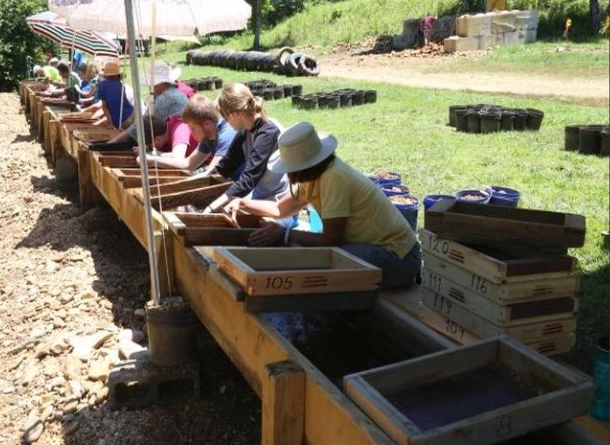
But let's be real. Planning a trip to one of these places can be confusing. Which ones are legit? What should you bring? Are you just going to find worthless pebbles? I've had great days and disappointing ones. This guide is here to cut through the noise and give you the straight talk on finding and enjoying public gem mines, so you can focus on the fun part: the hunt.
What Are Public Gem Mines, Really?
First things first, let's clear up what we're talking about. When people search for "gem mines open to the public," they might be imagining different things. Broadly, you can break it down into a couple of types.
The first is the fee-to-dig mine. This is the most common type of true public gem mining operation. These are often on private land where a mineral deposit is known to exist. The owners let visitors come in, usually for a daily fee, and dig or search for gems. Sometimes you dig directly in the soil (called "digging in the bank"), sometimes you sift through pre-dug material ("sluicing" or "panning"). The gems you find are yours to keep. These places range from rustic, bring-your-own-shovel spots to more organized setups with washing stations and staff to help identify your finds.
The second type is the commercial attraction. You'll see these in popular tourist areas, especially near mountains. They offer a "mining" experience, but you're typically buying a bag of "ore" that's been salted with rough gemstones from around the world. It's guaranteed fun, especially for young kids, because you will find colorful stones. But it's more of a simulated activity. It's still a blast, but it's different from digging in a real mine.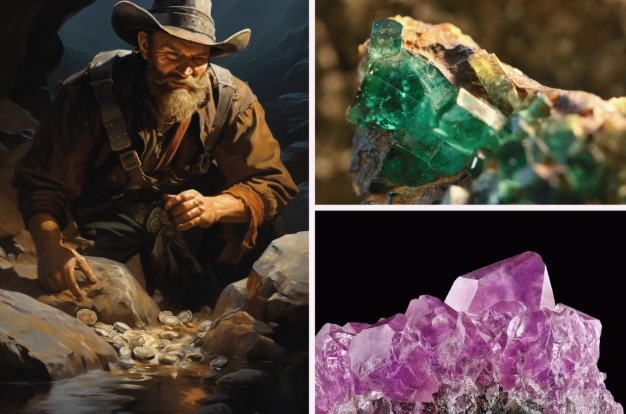
Then there are public mining areas on state or federal land. A few places in the US, often managed by the Forest Service or similar agencies, allow recreational rockhounding and mining for personal use. These usually have strict rules about the tools you can use (often hand tools only) and the amount you can take.
Quick Reality Check: If you're dreaming of striking it rich, temper those expectations. Most people find small, uncut specimens better for a collection than a ring. The value is in the adventure and the learning. That said, people do occasionally find significant stones! It's part of the thrill.
Why Go? The Allure of the Dig
Okay, so you're not likely to pay off your mortgage. Why bother? The reasons run deeper than you might think.
For one, it's a genuine treasure hunt. There's a primitive, addictive joy in searching and discovering something hidden. It's like a lottery ticket where your effort actually increases your odds. Every scoop of dirt holds potential. Is that a quartz or a diamond? (Spoiler: it's almost always quartz, but let the dream live for a second!)
It's also a fantastic, unplugged educational activity. You learn geology firsthand. You start to understand how minerals form, what different crystals look like in their natural state, and how they're intertwined with the earth. It makes you see the landscape differently. I learned more about rocks in one weekend at a mine than I did in years of school.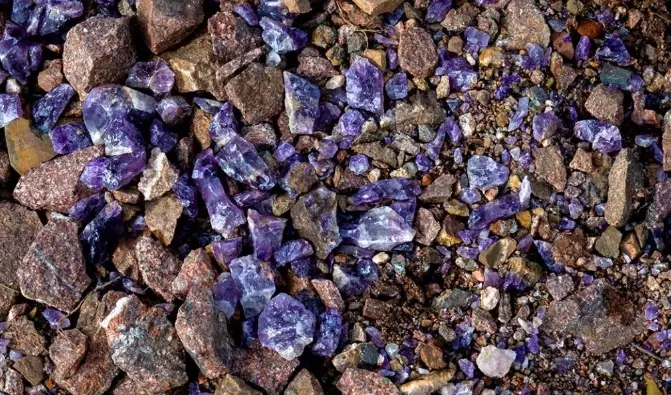
And honestly, it's just great, simple fun. It's physical but not overly strenuous. It gets you outside. It's a perfect multi-generational activity—grandparents, parents, and kids can all do it at their own pace. The shared excitement when someone yells "I found something!" is hard to beat.
My dad, who couldn't care less about jewelry, got completely obsessed with finding the perfect piece of smoky quartz. He spent four hours in the same spot, meticulously sifting. He didn't talk about work, or the news, just about the rock layer he was in. It was a kind of therapy.
Finding Gem Mines Open to the Public Near You
This is the big question, right? "Gem mining near me" is probably how you ended up here. It's not always straightforward, as these places aren't always great at marketing. Here’s how to actually find them.
Start with Online Searches, But Be Specific: Generic searches can lead to the commercial attractions. Try combining your state or region with terms like "fee dig," "dig your own gems," "rockhounding location," or "mineral collecting site." Websites like Mindat.org are incredible resources for mineral locations worldwide. It's a massive, community-driven database. You can search by mineral and location, and often forum posts will mention if a location is open to collectors.
Check with Local Clubs: This is the insider's tip. Find a local gem and mineral society or rockhound club. These groups are filled with passionate experts who know every dirt road and dig site in the region. They often have field trips to public gem mines. A quick search for "[Your State] mineral society" will get you started. The American Federation of Mineralogical Societies (AFMS) website has a directory of member clubs.
Guidebooks are Gold: Don't underestimate old-school books. Look for regional rockhounding guides. Titles like "Gem Trails of [Your State]" are classics for a reason. They provide directions, maps, and lists of what you can find. They often include notes on which sites are on public land and which are private fee-dig mines.
State Geological Surveys: Your state's geological survey department can be a surprising source of information. Some publish guides or maps for recreational rockhounding. It's a great way to get authoritative, location-specific data.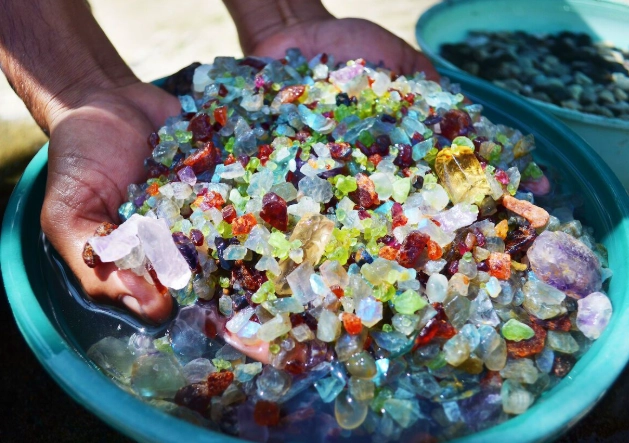
Permission is Everything: Never, ever assume you can dig somewhere. Trespassing on mining claims or private land is a serious offense and gives rockhounds a bad name. Always confirm the status of the land (public, private, claim) and get explicit permission from the landowner or managing agency. A genuine gem mine open to the public will have clear information on how to visit and pay fees.
What to Look For in a Good Public Mine
Not all fee-dig mines are created equal. Here’s what separates a great experience from a forgettable one.
- Clear Pricing and Rules: They should upfront about costs—entry fee, tool rental, pricing for buckets of rough material if they offer that.
- Helpful Staff: Look for places where the owners or staff are knowledgeable and willing to help beginners identify finds. Their enthusiasm is contagious.
- Variety of Material: Some mines have "fresh" digging areas and "tailings" (already-dug material) to sift through. Having options is nice.
- Basic Facilities: At minimum, a water source for washing rocks and a porta-potty. It's still outdoorsy, but you don't want to be utterly stranded.
- Good Reputation: Search for the mine's name + "reviews." Read what recent visitors say. Pay attention to comments about how "salted" the material feels or if people are finding indigenous stones.
A Look at Some Notable Public Gem Mines in North America
To give you a flavor of what's out there, here are a few well-known and highly regarded destinations. This isn't an exhaustive list, but it highlights the diversity of experiences. Remember, operations can change, so always check their website or call ahead before making a long trip.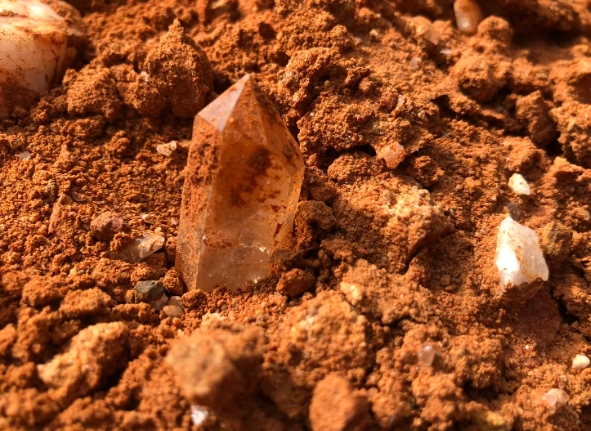
| Mine Name & Location | Main Gems You Can Find | Type of Experience | Why It's Notable / My Take |
|---|---|---|---|
| Herkimer Diamond Mines, NY | Herkimer "Diamonds" (double-terminated quartz crystals) | Dig directly into the famous dolomite bedrock. You keep what you find. | The original "pay-to-dig" mine. The crystals are stunningly clear and can be found right in the rock. It's hard work but incredibly rewarding. The campsite vibe is strong. |
| Crater of Diamonds State Park, AR | Diamonds, amethyst, garnet, jasper | Plowing field open to the public. Surface hunting after rain is best. Keep what you find! | This is the only public diamond mine in the world. It's a real, honest-to-goodness diamond-bearing volcanic pipe. Finds happen regularly. It feels more like a giant, muddy field than a "mine," but the potential is unreal. |
| Emerald Hollow Mine, NC | Emeralds, sapphire, aquamarine, garnet, many more | Choose from sluicing, creeking, or digging in the bank. | Located in the heart of the U.S.'s gem country. The variety is insane. It's a serious spot for rockhounds. I found my best aquamarine here. It can get crowded. |
| Oceanview Mine, CA (Pala District) | Tourmaline (pink, green), kunzite, morganite | Guided tours into the actual mine tunnel, then surface collecting from the mine's tailings. | This is as close as a tourist gets to a professional gem mine. You're on an active claim in a world-famous district. The tour is fascinating, and finding a piece of Pala tourmaline is a bucket-list item for collectors. Pricey but unique. |
| Morefield Mine, VA | Amazonite, cleavelandite, garnet | Fee-dig mine where you dig in large piles of pegmatite material. | Famous for its gorgeous, chunky amazonite (a green feldspar). The mine is only open on certain weekends, so planning is key. The piles are massive, and the finds can be spectacular specimens. |
See the variety? From a plowed field in Arkansas to a tunnel in California. That's the fun of searching for gem mines open to the public—each one has its own personality and specialty.
Your First Gem Mining Trip: A Step-by-Step Guide
Alright, you've picked a spot. Now what? Let's walk through a first-timer's day. I've made the mistakes so you don't have to.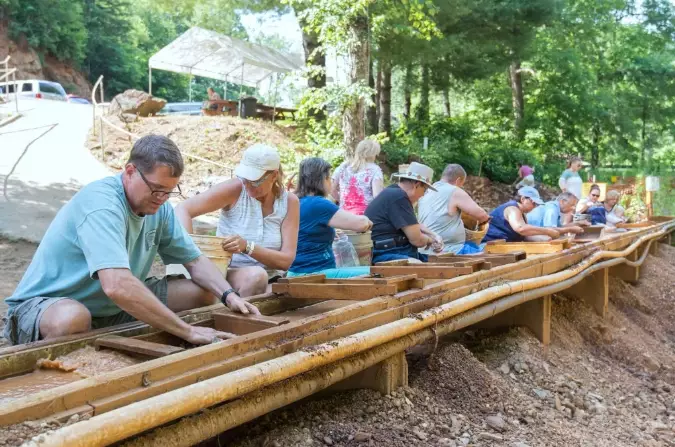
Before You Go: Research & Packing
Call or check the website. No, really. Do it. Ask: Are they open? What are the current fees? Do they rent screens/shovels/buckets, or should you bring your own? What's the terrain like? This simple call saved me from a 3-hour drive to a closed mine once.
The Packing List (The Non-Obvious Stuff):
- Sturdy Footwear: Not sneakers. Think hiking boots or work boots. You'll be on uneven, rocky, possibly muddy ground. Ankle support is good.
- Work Gloves: Gardening gloves are perfect. Your hands will thank you after hours of handling rough rock.
- Five-Gallon Buckets: The universal rockhound container. Bring a couple. One for tools, one for your finds, one for waste dirt.
- Small Tools: A geology pick (or a small hammer and chisel), a sturdy trowel or hand shovel, a flat-head screwdriver for prying.
- Screening Tool: If the mine doesn't rent them, a homemade screen with 1/4" hardware cloth in a wood frame is ideal.
- Lots of Water & Snacks: More than you think. This is physical work.
- Weather Gear: Hat, sunscreen, rain jacket. You're exposed.
- Containers for Finds: Egg cartons, small plastic bags, or little boxes to keep your treasures from banging together.
- Permanent Marker: To label your bags with the location and date.
- Old Towels/Newspaper: For wrapping delicate finds and cleaning up.
Pro-Tip from a Hard Lesson: Pack a basic first-aid kit. Band-aids and antiseptic wipes. Rocks are sharp, and scrapes happen. Also, a change of clothes and shoes for the drive home. You will be filthy in the best possible way.
On Site: Techniques for Success
You've arrived, paid, and are staring at a pile of dirt or a rocky hillside. Now what?
1. Talk to the Staff. Seriously, don't be shy. Ask: "Where are people having luck today?" "What does the [target gem] look like in the rough?" "Any tips for a beginner?" They want you to find stuff—happy customers come back.
2. Start with the Tailings. If there's an area of already-dug and discarded material, start sifting there. It's easier, and you can get quick wins by finding smaller pieces others missed. It builds confidence and teaches you what to look for.
3. Look for the Host Rock. Gems don't form in just any rock. Learn what the "host rock" or "matrix" looks like for your target mineral. Is it in white pegmatite? In a clay layer? In rounded river gravel? Focusing your effort is key.
4. Go Slow and Observe. This isn't shoveling snow. It's archaeology. Gently break apart clumps of dirt. Wash rocks to see their true color. Turn pieces over. The best finds are often hidden under a layer of mud or look like ordinary stones until cleaned.
5. Take Breaks and Hydrate. It's easy to get lost in the hunt. Set a timer if you have to. Sunstroke or exhaustion kills the fun.
What Happens After You Find Gems?
So your bucket has some interesting-looking rocks. Congratulations! The fun isn't over.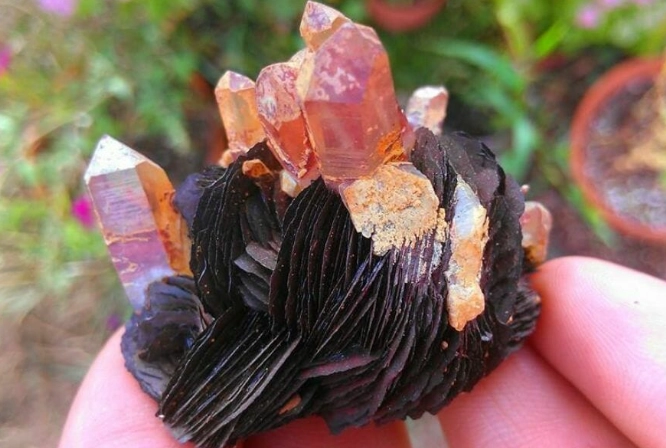
Cleaning: At home, give them a gentle wash with water and an old toothbrush. For tougher clay, some people use a short soak in dish soap water. Avoid harsh chemicals or ultrasonic cleaners unless you know exactly what the mineral is, as some can dissolve or be damaged.
Identifying: This is a puzzle. Use online resources, guidebooks, or ask your local rock club. Compare hardness, streak, luster, and crystal form. The U.S. Geological Survey (USGS) website has great educational resources on mineralogy. For a more hobbyist-friendly approach, the Gemological Institute of America (GIA)'s public encyclopedia is a fantastic, trusted reference.
What Can You Do With Them? Most of your finds will be "specimen grade"—beautiful as a natural artifact. Display them in a cabinet, a shadow box, or on a shelf. Some can be tumbled in a rock tumbler to make polished stones. If you find something truly special and clear, you might look into getting it professionally cut. But that's a whole other hobby!
The point is, the memory and the physical specimen last long after the dirt is washed away. That little jar of unassuming stones on my desk tells a story of a specific day, a specific place. That's the real treasure.
Common Questions & Honest Answers (FAQ)
Final Thoughts & Encouragement
Look, the world is full of pre-packaged, predictable experiences. Visiting a gem mine open to the public is the opposite. It's messy, unpredictable, and requires a bit of effort. You might find an amazing crystal, or you might just find a bunch of pretty rocks and a sore back.
But I'll tell you this: you'll almost certainly find a great story.
You'll remember the feel of the earth, the sound of gravel on a screen, the moment of doubt before you wash off a muddy lump, and the shared excitement with strangers when someone holds up a find. You'll learn to see the world a little differently, to recognize the incredible geology under our feet.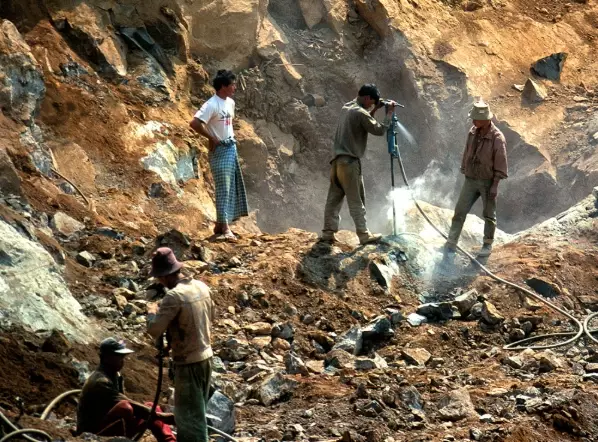
My collection isn't valuable. But every piece has a pin on a map in my head and a memory attached. That smoky quartz from my dad's obsessive dig. The tiny sapphire I almost threw away. The perfect Herkimer diamond I found just as I was about to give up. That's the real payoff.
So grab a bucket, some sunscreen, and a sense of adventure. Do your research, pick a spot, and go get dirty. The earth is hiding its treasures, and it's waiting for you to come and find them. Start your search for those gem mines open to the public today—your own treasure hunt is out there.