Your Gem Digging Adventure Map
Let's be honest, the idea of digging up your own sparkling treasure is just cool. It's not about getting rich quick – let's squash that myth right away. Most of us won't find a diamond worth a fortune. But the thrill of the hunt, the dirt under your nails, and the genuine surprise of pulling a raw, beautiful crystal from the earth? That's the real prize. If you've ever typed "where to dig for gemstones in the United States" into a search bar, you're in the right place. I've spent more weekends than I can count with a rock hammer in hand, and I'm here to cut through the noise and give you the real, practical guide you need.
The United States is ridiculously blessed when it comes to mineral diversity. From the quartz crystals of Arkansas to the sunstones of Oregon, there's a digging adventure for everyone, whether you're a family looking for a fun weekend or a serious rockhound on a mission. The best part? Many of these spots are on public land or are fee-to-dig sites run by folks who want to share the hobby.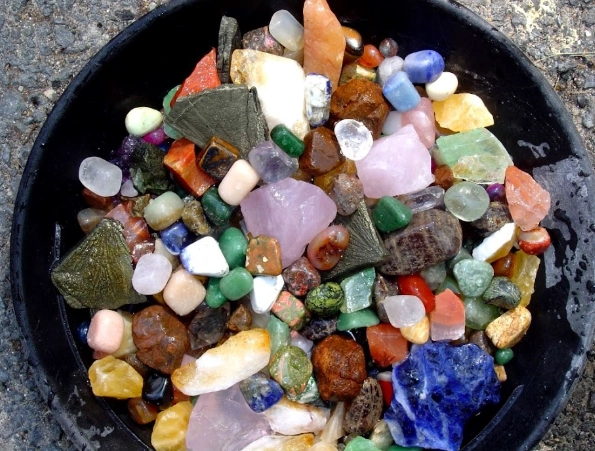
The core idea is simple: In many places, you can literally walk up, pay a small fee (or sometimes nothing at all), and start sifting through dirt or cracking open rocks to find minerals that have been forming for millions of years. It's geology you can hold in your hand.
Top Spots to Start Your Digging Adventure
Alright, let's get to the good stuff. Where should you actually go? I've organized this not just by popularity, but by the type of experience. Some places are super beginner-friendly, others require a bit more grit.
| Site Name & Location | State | Prime Finds | Type of Site | Good for... |
|---|---|---|---|---|
| Crater of Diamonds State Park | Arkansas | Diamonds (yes, real ones), amethyst, jasper | Public State Park | Everyone, especially families. "Finders, keepers" policy is legendary. |
| Herkimer Diamond Mines | New York | Double-terminated quartz crystals ("Herkimer Diamonds") | Private Fee-to-Dig | First-timers & crystal lovers. The crystals are uniquely beautiful. |
| Gem Mountain, Phillipsburg | Montana | Sapphires (mostly industrial, but some gem-quality) | Private Fee-to-Dig (Gravel Bags) | A relaxed, high-success-rate experience. Great for kids. |
| Jade Cove | California | Nephrite Jade | Public Beach/Bluff Area | Adventurous collectors. Requires hiking and coastal knowledge. |
| Morefield Mine | Virginia | Amazonite, Cleavelandite, Garnet | Private Fee-to-Dig Mine | Serious rockhounds wanting a true mining experience. |
| Denny Mountain (Wahoo claim) | Washington | Rainbow Hematite (Iridescent), Epidote | Public Land (Forest Service) | Hikers and photographers. The material is stunningly colorful. |
I have a soft spot for Herkimer, New York. The first time I cracked open a dolostone pocket and saw that perfectly faceted, water-clear quartz crystal winking back at me... it's addictive. You're almost guaranteed to find something there, which is great for morale. On the other hand, a place like Jade Cove is a different beast. You're scrambling down cliffs on the Big Sur coast, and finding a good piece requires patience and a keen eye. But holding a piece of ocean-tumbled jade you found yourself? Unbeatable.
Breaking Down the Big Names
Crater of Diamonds, Arkansas: This is the only public diamond mine in the world. You pay an entrance fee, they give you some basic instructions, and you go scour a 37-acre plowed field. The diamonds are alluvial, meaning they're just sitting in the dirt. People find them by surface hunting, dry sifting, and wet sifting. Hundreds of diamonds are found each year, mostly small, but the occasional whopper makes the news. It's hot, it's muddy, and it's a total lottery. But where else can you say you hunted for diamonds?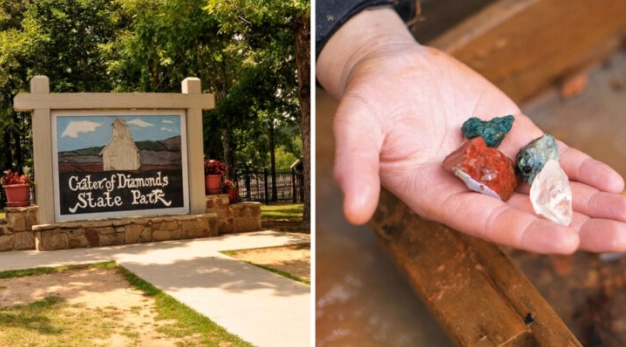
Pro Tip for Crater of Diamonds: Go after a good rain. The diamonds are harder and often cleaner than the surrounding clay, so they sparkle against the wet ground. It's the easiest way to spot them.
The Montana Sapphire Mines: Around places like Philipsburg and Helena, the old sapphire mining operations now offer "gravel bag" experiences. You buy a bucket or bag of pre-dug gravel from a known sapphire-bearing layer, and you wash and screen it at their flume. It's less about back-breaking digging and more about concentration and careful sorting. You will find sapphires—tiny blue, pink, and yellow stones. Finding a big, gem-quality one is rare, but the process is incredibly fun and educational. I've spent hours at the flume tables, lost in the Zen of searching.
What You Absolutely Need to Know Before You Go
Jumping in without a plan is a sure way to have a frustrating day. Here's the real-world knowledge you need, stuff that often gets glossed over.
Permission is Everything: The Land Status Maze
This is the most critical, and frankly, the most boring but important part. You can't just dig anywhere you like.
- Fee-to-Dig Sites (Private Land): This is the easiest route. A landowner or business operates a mine for public digging. You pay a daily fee, they provide tools (sometimes for rent), and often give guidance. Examples: Herkimer Diamond Mines, many of the Montana sapphire operations, Morefield Mine. Always check their website for current rates, hours, and rules.
- Public Land (BLM & National Forest): Vast tracts of land managed by the Bureau of Land Management (BLM) and the U.S. Forest Service are open to casual rockhounding for personal use. Key word: casual. This means no commercial digging, no heavy machinery, and you must follow the specific rules for that district. Always, and I mean always, check with the local BLM or Forest Service office for the area you're targeting. A ranger can tell you about claim status, restricted areas, and collection limits.
- Claimed Land: This is where it gets tricky. Individuals or companies can stake mining claims on public land for mineral rights. You cannot dig on an active claim without the claimant's permission. It's trespassing. How do you know? The BLM's LR2000 database is the official source, but it's clunky. For a beginner, sticking to established fee-sites or getting very clear info from a land manager is safest.
Respect & Preservation: Never dig in National Parks, National Monuments, or State Parks (unless it's a designated digging area like Crater of Diamonds). It's strictly illegal. Also, respect the environment—fill in any dangerous holes, pack out all trash, and leave the area as good or better than you found it. The future of public access depends on it.
The Tool Kit: From Basic to Serious
You don't need a $500 investment to start. For a first-timer at a fee site, they'll have what you need. If you catch the bug, here's what you'll want:
- The Essentials: Sturdy gloves (leather is best), safety glasses (rock chips are no joke), a small backpack, water (lots), sunscreen, a hat, and durable clothes you don't mind destroying.
- Digging Tools: A geological rock hammer (one end flat, one end pointed). A regular hammer will break. A small shovel or spade. A set of chisels (star drills or masonry chisels) for prying.
- Sifting & Sorting: A set of classifiers (screens with different mesh sizes). A 5-gallon bucket. A spray bottle for washing rocks. A magnifying loupe (at least 10x) to inspect your finds.
- Carrying Finds: Newspaper for wrapping specimens. Small, heavy-duty plastic containers or cloth bags. Never throw good specimens loose in a backpack—they'll get damaged.
I made the mistake of using cheap gardening gloves on my first serious trip. They were shredded in an hour. Good leather gloves are worth every penny.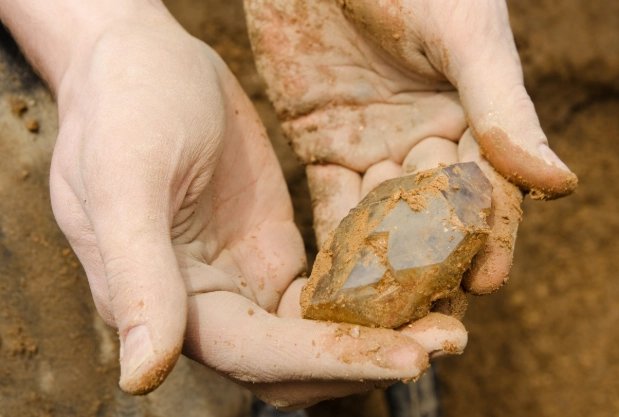
Answering Your Burning Questions (The FAQ Section)
Do I get to keep everything I find?
Almost always, yes, at fee-to-dig sites and for casual collection on most public land. That's the whole point! The "finders, keepers" rule is iconic at Crater of Diamonds. Always confirm the policy where you're going, but personal collection is the standard. Selling what you find can complicate things, especially on public land, so keep it for joy, not profit, unless you've done the legal research.
Is this a good activity for kids?
It can be fantastic. Choose the right site. A gravel bag sapphire operation or Herkimer is perfect—high success rate, minimal heavy labor. Crater of Diamonds is also great, but manage expectations; it's a big, open field and the diamond hunt is tough. Avoid sites with steep cliffs or heavy digging for young kids. Bring snacks, extra water, and make it a treasure hunt. Their patience will be shorter than yours.
I took my nephew to a sapphire mine when he was 8. He was bored after 20 minutes of sifting until he found a tiny blue stone. His eyes went wide, and he was hooked for the next two hours. The key is that first find.
What if I don't know anything about rocks?
That's totally fine! At fee sites, the staff are usually thrilled to help you identify what you've found. Start by learning the one or two minerals you're targeting at that location. Is it the hexagonal shape of quartz? The blue of sapphire? Focus on that. Bring a small field guide or use a rock identification app as a starting point (though they can be wrong). The learning is part of the fun.
When is the best time of year to go?
Spring and Fall are ideal across most of the country—mild temperatures. Summer in places like Arkansas or Arizona can be brutally hot. Winter is possible in some areas, but mine tailings can be frozen solid, and access roads may be closed. Always check site conditions. Some mines are only open seasonally, from May to October.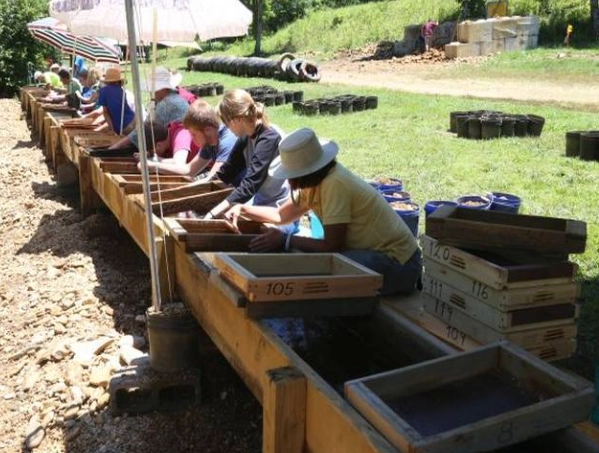
Digging Deeper: Regional Gems and Hidden Gems
Beyond the famous spots, every region has its own character. Knowing where to dig for gemstones in the United States means exploring these lesser-known areas too.
The Southeast: More Than Just Diamonds
North Carolina's gem belt is legendary. Places like the Emerald Hollow Mine (hiddenite, emerald) or the Mason Mountain Mine (ruby, sapphire) offer great digging. Tennessee has its freshwater pearl beds. Alabama has star blue quartz. The Appalachian region is a slow, steady treasure trove for patient collectors.
The Southwest: A Rockhound's Paradise
Arizona's fire agate fields (near Safford), Nevada's precious opal deposits (Virgin Valley), and Utah's topaz and red beryl areas are for the more dedicated and prepared collector. The environment here is harsh—remote, hot, and dry. Water, navigation skills, and vehicle preparedness are non-negotiable. The rewards, however, can be spectacular.
The Great Lakes & Midwest: Surprising Variety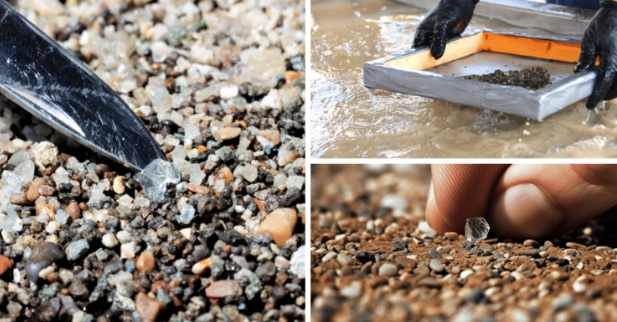
Michigan's Upper Peninsula for Lake Superior agates and copper country minerals. Iowa for geodes. Missouri for druzy quartz and galena. These areas might not have the "glamour" gems, but the geological formations and the hunt are incredibly satisfying.
Sometimes the journey and the scenery are the real gems you take home.
Turning Rough Rocks into Lasting Memories
So you've come home with a bucket of dirty rocks. Now what? The fun isn't over.
Cleaning is step one. A soft toothbrush, water, and maybe a little dish soap for clay. For tougher deposits, a soak in oxalic acid (for iron stains) or Iron Out can work wonders, but research carefully first—some minerals are acid-sensitive. A ultrasonic cleaner is a great investment if you get serious.
You don't need to be a master lapidary to enjoy your finds. A simple display shelf, a shadow box, or even a clear jar filled with your smaller, colorful stones makes a great conversation piece. I have jars of Montana sapphire gravel and Herkimer crystals on my desk. They're a daily reminder of those great trips.
If you do want to get a special stone cut, seek out a custom lapidary artist. It's not cheap, but having a gem you dug yourself turned into a piece of jewelry is an unparalleled feeling.
Final Thoughts Before You Grab Your Hammer
Figuring out where to dig for gemstones in the United States is the first step in an adventure that blends travel, science, physical activity, and a bit of luck. It gets you outside, teaches you patience, and gives you a tangible connection to the ancient geology of this continent.
Start simple. Pick a well-reviewed fee-to-dig site for your first trip. Talk to the owners and other diggers—the rockhounding community is overwhelmingly friendly and generous with advice. Don't get discouraged if you don't hit the motherlode. The value is in the experience itself—the quiet focus of the search, the camaraderie, and the simple joy of discovery.
So, check those land statuses, pack your water and gloves, and go get dirty. Your own piece of the Earth is waiting out there.