Your Gem Hunting Journey
Let's cut right to the chase. That question, "Can you mine for gemstones?" has probably been bouncing around your head, fueled by daydreams of uncovering a sparkling treasure with your own hands. Maybe you saw a video online, or heard a story from a friend of a friend. The short, honest answer is a resounding yes. But—and this is a huge but—it's not like grabbing a shovel and heading into your backyard. Well, unless your backyard is in a very specific part of Arkansas or Montana.
The real story is more nuanced, more fascinating, and honestly, more accessible than you might think. It's less about industrial-scale operations and more about a fantastic, muddy, sometimes frustrating, but ultimately rewarding hobby called recreational prospecting. I've been there—standing knee-deep in a creek, sieve in hand, sun beating down, wondering if every quartz pebble is a diamond. Spoiler: they never are. But the one time you spot that flash of deep blue in your pan, that's the hook. That's what keeps you coming back.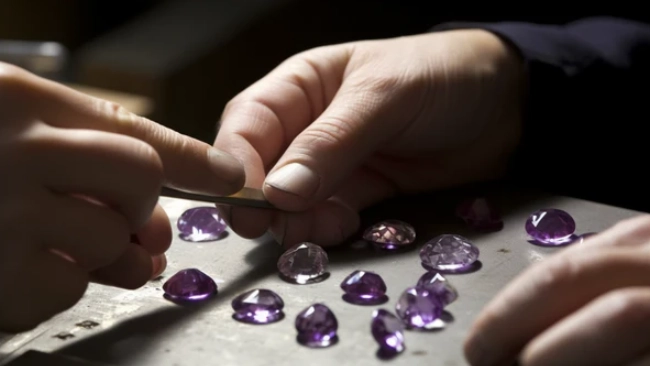
The Core Truth: Absolutely, you can mine for gemstones. It's a legal, established activity for hobbyists across the US and in many parts of the world. The "how" involves knowing where to go, understanding the rules, having realistic expectations, and getting your hands dirty. This guide is your map.
The Short Answer: Yes, But... Let's Set Realistic Expectations
Before we dive into the nitty-gritty, let's ground ourselves. Can you mine for gemstones and retire early? Almost certainly not. The gems you're likely to find as a beginner are often small, flawed, or semi-precious. Their value lies almost entirely in the story and the personal accomplishment, not in a big payday. That's crucial to understand. This pursuit is about the adventure, the connection to the earth, and the thrill of the hunt.
Think of it more like fishing. You spend a peaceful day by the water for the experience. Catching a fish is a fantastic bonus. Finding a gemstone is your "catch." Sometimes you get skunked, and that's okay too.
So, who can do this? Pretty much anyone with a moderate level of physical fitness and a dose of patience. Families do it. Retirees do it. Solo adventurers do it. You don't need a degree in geology, but a willingness to learn the basics goes a very long way.
Your Step-by-Step Roadmap to Gemstone Mining
Okay, you're still interested. Good. Let's break down the actual process of how you, personally, can go from zero to holding a raw gem you found yourself. This isn't a vague overview; it's a actionable plan.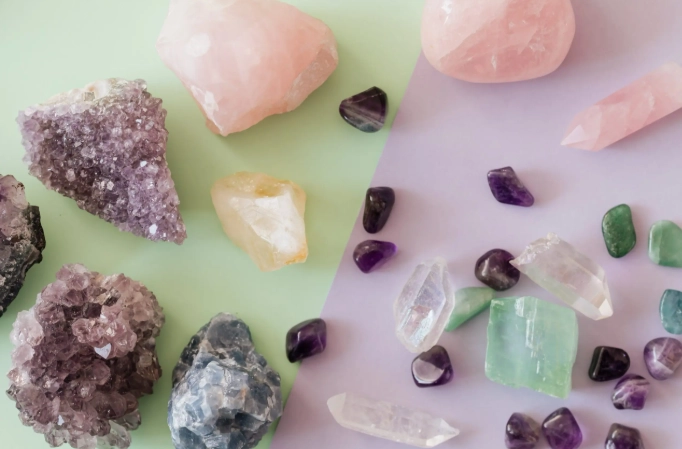
Step 1: The Legal Landscape – Don't Skip This!
This is the most boring and most important part. The answer to "can you mine for gemstones" is a firm "NO" if you're in the wrong place. Trespassing on private land or mining in a protected national park will land you in serious trouble. The framework is simple:
- Public Land: Managed by agencies like the Bureau of Land Management (BLM) and the United States Forest Service (USFS). Much of this land is open to casual rockhounding (surface collecting) for personal use. However, "mining" often implies using tools, digging, or moving material, which may require a permit, even for hobbyists. Always, always check the specific regulations for the exact area you plan to visit. The BLM website and USFS website are your starting points.
- Private Land: This is the gold standard (or should I say, emerald standard?). You must obtain explicit, written permission from the landowner. No exceptions. Sometimes, landowners will charge a small fee for access.
- Claimed Land: In the US, individuals can stake mining claims on certain public lands. If land is under an active claim, it is private property for mining purposes. Digging there without the claimant's permission is theft. You can research claim status through state mining agencies or BLM LR2000 systems.
My Early Mistake: I once got overly excited about a reported jasper site on a map. I drove out, found the spot, and started scanning the ground. An hour in, a very polite rancher on an ATV informed me I was about a quarter-mile onto his property. He was cool about it (thankfully), but it was a heart-pounding lesson in doing your homework. Always know the boundaries.
Step 2: Finding the Right Spot – Geography is Everything
Gemstones aren't randomly scattered. They form in specific geological environments and are found where those rocks are exposed. You wouldn't look for shark teeth in a desert. So where do you look for gems?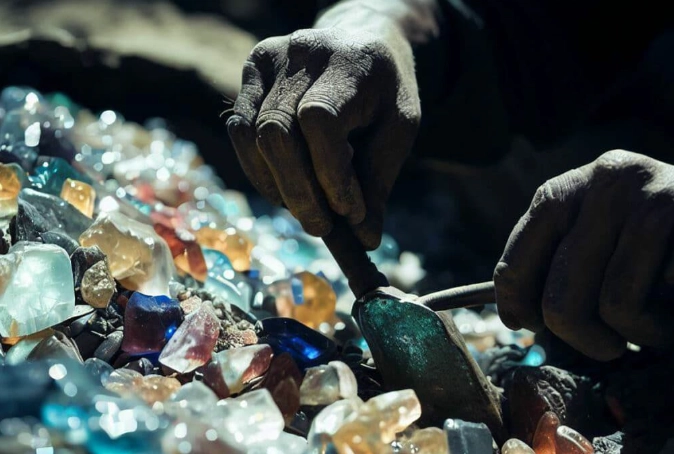
- Fee-to-Dig Mines: The absolute best place for a beginner to start. These are privately-owned mines that charge you a daily fee to dig in their soil, often in tailing piles (already excavated material) or in designated digging areas. They usually guarantee you'll find something because they salt the piles with rough material. It's a fantastic, low-stress way to learn the feel of gem hunting. Popular examples include the Crater of Diamonds State Park in Arkansas (where you keep what you find!) or various emerald and ruby mines in North Carolina.
- Known Public Dig Sites: Many state geological surveys publish guides for rockhounds. For instance, the U.S. Geological Survey (USGS) and state-level equivalents provide maps and information. Online forums and local rockhound clubs are treasure troves of specific, up-to-date location info.
- Streams and Rivers (Alluvial Deposits): Over millennia, gems weathered out of their host rock and were carried by water. Denser gems like sapphire, diamond, and gold settle in certain parts of riverbeds. This is where panning and sluicing come in. Look for gravel bars and inside bends of rivers.
Seriously, can you mine for gemstones successfully without a good location? Not a chance. Your research here is 50% of the battle.
Step 3: Gearing Up – Tools of the Trade
You don't need a bulldozer. For recreational digging, your toolkit can be surprisingly simple and affordable. Here’s a breakdown:
| Tool Category | Essential Items | What It's For & Pro Tips |
|---|---|---|
| Basic Digging & Carrying | Small shovel or spade, garden trowel, 5-gallon buckets, durable gloves. | Moving dirt and gravel. Get a plastic sieve that fits over your bucket to pre-screen material. Leather gloves save your hands from blisters and sharp rocks. |
| Washing & Separating | Classifying screens/sieves (different mesh sizes), gold pan, maybe a small sluice box. | Removing dirt and separating larger rocks from smaller, gem-bearing gravel. A 1/4-inch screen is a great starter. Panning is an art—watch a few tutorials first. |
| Examining & Extracting | Geologist's rock hammer (not a claw hammer!), chisels, safety glasses, loupe (10x magnification), a sturdy backpack. | Carefully breaking rocks open. SAFETY GLASSES ARE NON-NEGOTIABLE. A loupe lets you inspect small crystals up close. |
| Comfort & Safety | Sturdy boots, sun protection, plenty of water, first-aid kit, topographic map/GPS. | You'll be outdoors for hours. Hydration is key. Tell someone where you're going. Your phone might not have service. |
My personal must-have? A lightweight, folding shovel. It's gotten me out of more than a few situations where a trowel just wasn't enough.
Step 4: The Hunt – Techniques for Success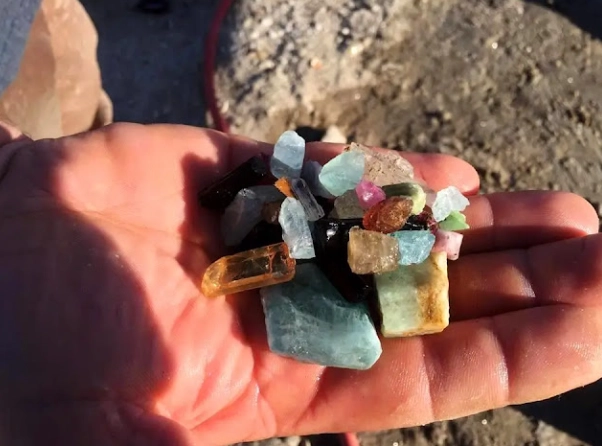
You've got permission, you're at a known site, and your gear is ready. Now what? How do you actually find the gems?
- Look for the Host Rock: Learn what the "mother rock" for your target gem looks like. Are you looking for corundum (sapphire/ruby) in a basaltic rock? Emerald in mica schist? Knowing this tells you which rocks to crack open.
- Work Systematically: Don't just dig random holes. If at a creek, work a gravel bar from one end to the other. If in a pit, clear a small area down to undisturbed soil or bedrock.
- Wash Everything: Dirt hides everything. Use your screen and water to wash the gravel. The gems will reveal themselves when clean.
- Train Your Eyes: This takes time. A raw, uncut gemstone often looks like a dull, rounded, colored pebble. A sapphire might just be a heavy, slightly blue-gray stone. A diamond in its rough state looks like a greasy piece of glass or quartz. Handle every interesting pebble.
Pro Tip: On a sunny day, try looking at your washed gravel with the sun behind you. The light will catch on crystal faces and create little flashes and sparkles you'd otherwise miss. It's how I found my first decent piece of aquamarine.
What Can You Actually Find? A Realistic Roster
Let's talk specific stones. When you ask "can you mine for gemstones," you're probably picturing rubies and emeralds. While possible, here’s a more common and realistic list of finds for North American hobbyists:
- Quartz Varieties: Amethyst, citrine, smoky quartz, agate, jasper. These are by far the most common and widespread finds. Beautiful, great for polishing, but not highly valuable.
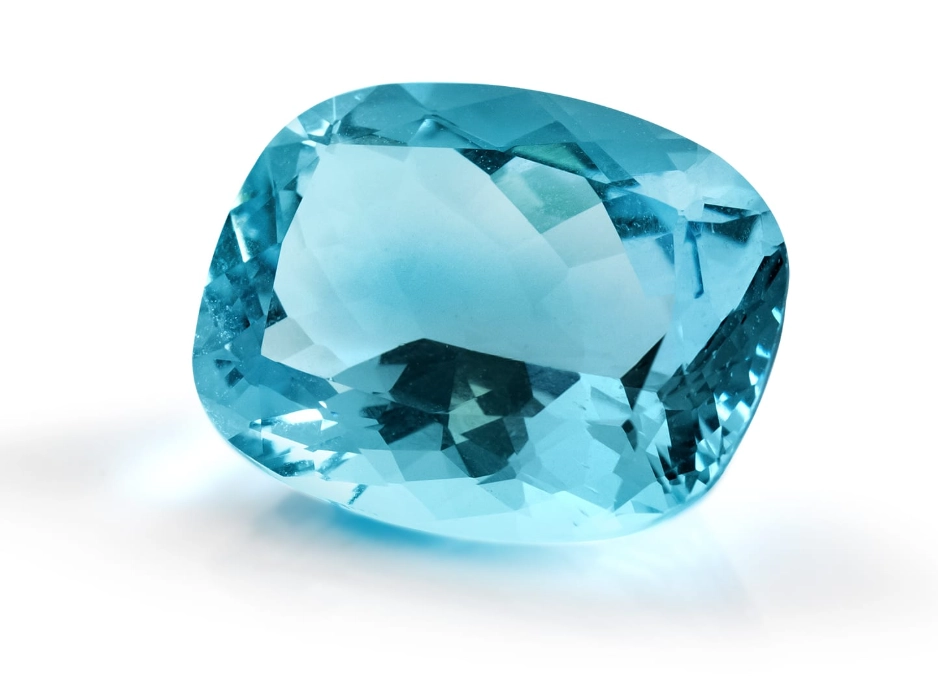
- Beryl: This mineral family gives us emerald (green) and aquamarine (blue). Finding gem-quality emerald is very rare, but finding small, pale aquamarine or other beryl in certain pegmatites is a thrilling possibility.
- Corundum: Sapphires (any color but red) and rubies (red). Montana is famous for its sapphire deposits. You can indeed find small, often pale "montanas" by the bucketful in some areas. A vivid blue one is the dream.
- Garnet: Very common in many metamorphic rocks. You'll often find small, dark red crystals. Almandine garnet is a frequent find.
- Tourmaline: A fantastic find, often in beautiful pinks, greens, and watermelons (pink center, green edge). Primarily found in pegmatite pockets.
- Diamond: Really! But only in a few places, like the Crater of Diamonds, Arkansas. It's the world's only diamond-bearing site open to the public. Hundreds of small diamonds are found there every year by visitors.
Can you mine for gemstones like topaz, opal, or peridot? In very specific, often remote locations, yes. But the list above covers 95% of a hobbyist's potential haul.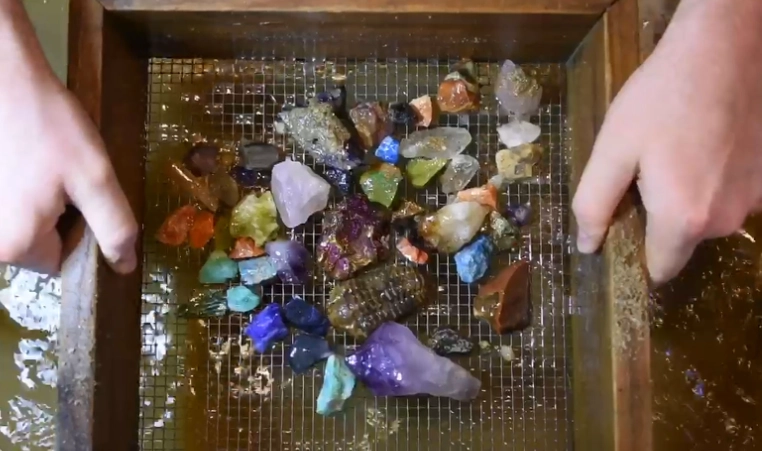
The Not-So-Glamorous Side: Challenges & Ethics
Nobody talks about this enough. It's not all sunshine and sparkles.
Physical Labor: This is digging. It's lifting buckets of wet gravel. It's bending over for hours. It's exhausting. If you're not prepared for a solid day of manual work, this might not be for you.
Weather & Elements: You're at the mercy of the sun, rain, cold, and insects. Ticks and snakes are a real concern in many areas. Proper preparation is a safety issue.
The Mental Game: You can go on multiple trips and find nothing of note. It requires patience and resilience. The "find" is never guaranteed.
I remember one trip to a supposed garnet hotspot. Six hours of digging, sifting, and breaking rocks. My back ached, I was covered in mud, and all I had to show for it was a handful of tiny, fractured garnet crystals no bigger than peppercorns. It was, frankly, a bust. But even then, there was a weird satisfaction in the effort itself.
Ethical Mining: This is huge. We have a responsibility to the land. The ethos is "Leave No Trace" for rockhounds.
- Fill in your holes. Don't leave dangerous pits for people or animals.
- Pack out ALL your trash, including others'.
- Respect wildlife and vegetation.
- Take only what you need for your collection. The goal is preservation, not stripping a site bare.
- Never damage historical sites or archaeological resources.
From Rough Stone to Treasure: What Next?
So you've found a few promising stones. Congratulations! Now what? Raw gemstones are rarely jewelry-ready.
- Cleaning: Use warm water, mild soap, and a soft toothbrush. Never use harsh chemicals or ultrasonic cleaners on an unidentified stone, as you might damage it.
- Identification: This is a skill. Use resources like the Mindat.org mineral database, field guides, or consult with a local gem & mineral society. Basic tests include checking hardness (Mohs scale), streak, luster, and crystal form.
- Valuation: Be very skeptical. That "emerald" is likely just green quartz. Most hobby-found stones have modest monetary value but immense personal value. If you think you have something special, get it assessed by a certified gemologist (GG, FGA) or a reputable jeweler. They won't just give you a price; they'll tell you what you have.
- Lapidary: The art of cutting and polishing stones. This is a deep and rewarding hobby in itself. You can learn to cabochon (make rounded, polished domes) or even facet your finds. Local clubs often have workshops and shared equipment.
Can you mine for gemstones and then turn them into a piece of jewelry? That's the ultimate goal for many, and it's an incredibly fulfilling journey from earth to adornment.
Answers to the Questions You're Actually Asking
Let's tackle the specific things people google after that first "can you mine for gemstones" search.
Can you mine for gemstones in the USA?
Absolutely. The USA is one of the best places in the world for recreational gem mining. From Herkimer "diamonds" in New York, sunstones in Oregon, sapphires in Montana, tourmaline in California, to diamonds in Arkansas, the diversity is astounding. Each state has its own hotspots.
Is it legal to mine for gemstones?
It is legal, but it is highly regulated. Legality is 100% dependent on location and method. Surface collecting small specimens on much BLM land is usually fine. Digging, using mechanized tools, or removing large quantities almost always requires checking regulations or obtaining a permit. When in doubt, call the local land management office. They are usually helpful.
Can you make money mining gemstones?
As a hobbyist? Almost never enough to cover your costs, let alone make a profit. The time, fuel, equipment, and fees outweigh the value of typical finds. Professional, commercial mining is a different world involving massive investment, expertise, and risk. View hobby mining as a source of enjoyment and unique souvenirs, not income.
Do I need a permit to mine for gemstones?
On many public lands, yes, for anything beyond casual surface rockhounding. For example, some National Forests offer inexpensive "personal use" permits for collecting limited amounts of mineral material. These permits define what, where, and how much you can collect. They are easily obtainable online or at ranger stations. Never assume a free-for-all.
What is the easiest gemstone to mine?
For absolute beginners, quartz varieties like amethyst or agate are the most accessible. They are widespread, easy to identify, and often found in places where you can simply pick them up off the ground (like certain beaches or desert areas). Starting at a fee-to-dig mine is also the "easiest" way to get guaranteed hands-on experience.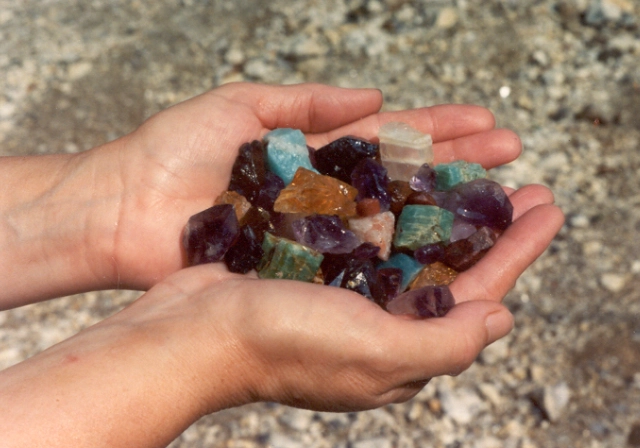
So, can you mine for gemstones? I think you now have a much clearer picture. It's not a simple yes or no. It's a "yes, if..." Yes, if you do the research. Yes, if you respect the laws and the land. Yes, if you manage your expectations. It's a hobby that offers tangible rewards, a deep connection to geology, and stories you'll tell for years. It's hard work, often frustrating, but the moment you pull a beautiful, untouched crystal from the earth that has been waiting there for millions of years just for you to find it... well, there's nothing quite like it. Grab a shovel, do your homework, and see what you discover.