Quick Guide
Let's be honest, that's a question that pops into your head when you see a stunning piece in a jeweler's window, or when you inherit something, or maybe when an ad for a "rare investment opportunity" lands in your inbox. The sparkle is undeniable, but so is the price tag. So, is it worth buying gemstones? The short, frustratingly accurate answer is: it depends. Completely. On you, your goals, your wallet, and a whole bunch of other factors that most salespeople won't dive deep into.
I remember the first time I seriously considered it. It was an unheated sapphire, a deep cornflower blue that seemed to hold a piece of the sky. The seller talked about rarity, value appreciation, heirloom quality. My heart said yes, my brain screamed caution. That tension is what we're going to unpack here. This isn't a sales pitch. It's a reality check. We'll look at gemstones as emotional purchases, as potential investments (a tricky area), as wearable art, and as complex physical assets. By the end, you should have a much clearer picture of whether pulling the trigger on that ruby or aquamarine makes sense for your life.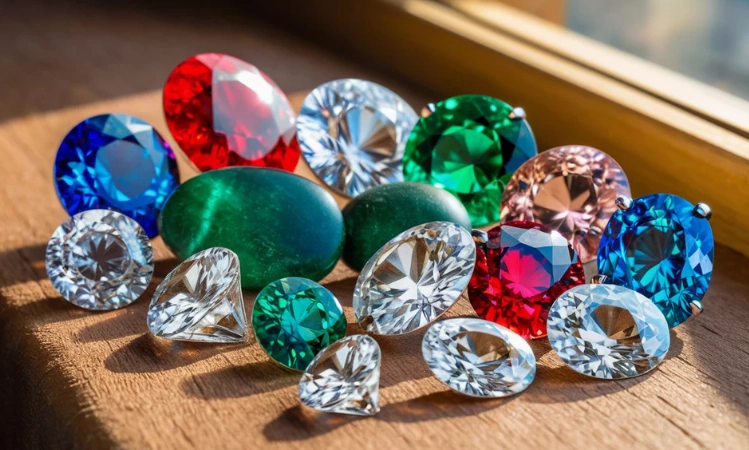
The Core Question: The value of buying gemstones isn't a single number. It's a mix of financial cost, emotional payoff, practical utility, and long-term potential. Asking "is it worth buying gemstones?" means you need to first ask yourself: "Worth it for what, exactly?"
Why Do People Buy Gemstones? (Hint: It's Not Just One Reason)
If you think everyone buying a gem is doing it for the same reason, you're already on the wrong track. Motivation is everything here. It drastically changes how you should judge "worth."
For Love, Memory, and Marking Moments
This is probably the most common and, frankly, most defensible reason. An engagement ring. A birthday pendant. A gift to celebrate a major achievement. Here, the gemstone is a symbol. Its value is intrinsically tied to the memory and emotion it represents. The financial value is secondary (though not irrelevant). If a gemstone serves as a powerful, daily reminder of love or a milestone, its worth can be immense on a personal level. You're buying a feeling, a story you can hold. You can't really put a price on that, though you do have to pay one.
As Wearable Art and Personal Adornment
Some people just love beautiful things. They appreciate the craftsmanship of a great cut, the unique color of a tourmaline, the way light plays in an opal. For them, a gemstone is like a painting you can wear. It's about aesthetics, self-expression, and joy. Is it worth buying gemstones for this? If you derive daily pleasure from wearing something beautiful, and it fits your budget, then absolutely. The value is in the usage and the confidence it brings. Think of it like buying a well-made piece of furniture you'll see every day, versus one that sits in a vault.
The Allure of Gemstones as an Investment
This is the big one, and the area filled with the most hype and potential pitfalls. You'll hear stories about colored gemstones outperforming the stock market, about rarity driving prices through the roof. There's truth to it, but it's a very narrow, specific truth. The vast majority of gemstones bought by regular people are not good financial investments in the traditional sense. They are highly illiquid, valuation is complex and subjective, and the market is opaque. However, for the ultra-high-end, truly rare, and professionally vetted stones (think exceptional unheated Burmese rubies, Kashmir sapphires, or large D-flawless diamonds), there can be significant capital appreciation. The problem? Getting into that game requires expert knowledge and serious capital. For the average buyer asking "is it worth buying gemstones for investment?", the answer is usually a cautious no. You're more likely to do well in a low-cost index fund.
I have a friend who bought a "investment-grade" tanzanite a decade ago, convinced it was the next big thing. He's struggled to sell it for anywhere near what he paid. The market for it just isn't there like he was told it would be. That's a common story.
For Collecting and Passion
The collector's mindset is different. It's about completing a set, hunting for a specific species or locality (like a Russian demantoid garnet), or appreciating mineralogical uniqueness. Worth is defined by the completion of the collection or the acquisition of a prized specimen. This can intersect with investment, but the primary driver is passion. The value is in the hunt and the ownership, not necessarily the eventual sale.
Potential Pros of Buying Gemstones
- Tangible Asset: You own a physical, beautiful object, unlike stocks or crypto.
- Emotional Dividend: Can provide daily joy, commemorate events, and become an heirloom.
- Potential for Appreciation: *If* you buy the right rare stone at the right price, values can rise significantly over decades.
- Diversification: For a large portfolio, a small allocation to tangible assets like top-tier gems can be a hedge against inflation or market volatility.
- Personal Expression: Unique way to showcase personal style and taste.
Potential Cons and Risks
- High Illiquidity: Very hard to sell quickly for fair market value. It's not like selling a share of stock.
- Subjective Valuation: Value depends heavily on color, clarity, cut, rarity, and market trends—all open to interpretation.
- Fraud and Misrepresentation Risk:
- High Markups: Retail jewelry often carries markups of 100-300% or more over the stone's wholesale cost.
- Carrying Costs: You may need insurance, secure storage (a safe or bank vault), which adds ongoing expense.
- No Income Generation: Unlike rental property or dividend stocks, gems don't generate cash flow while you hold them.
What Actually Determines a Gemstone's Value?
If you're going to spend money, you need to know what you're paying for. Forget the shiny surface; value is a deep, multi-layered thing. People throw around the "4 Cs" from diamonds, but colored stones are a whole different, more complicated beast.
The Big Four (And Then Some): Color, Clarity, Cut, Carat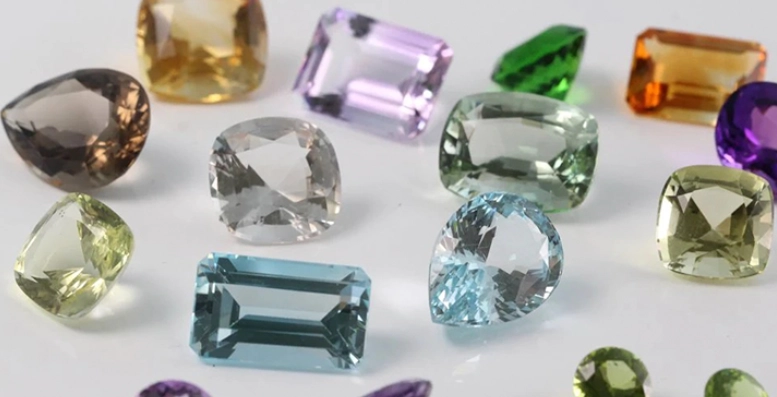
Color: This is king for colored gemstones. It's not just "blue." It's hue (the type of color), tone (lightness or darkness), and saturation (intensity or purity of the color). A vivid, medium-toned, pure red ruby is worth exponentially more than a light, purplish, or dull one. It's the single biggest price driver.
Clarity: How clean is the stone? Inclusions (internal features) are common and often accepted, even desired as proof of natural origin. But they shouldn't materially affect the stone's durability or seriously detract from its beauty. A gem that's completely "clean" to the eye is rare and valuable.
Cut: This is about how well the rough crystal has been shaped. A good cut maximizes color, brilliance, and overall beauty. A poor cut can make even great color look dead or windowed (see-through in the center). It's about artistry and physics, not just shape.
Carat Weight: Size matters, but not linearly. A 2-carat stone of the same quality is usually worth more than twice a 1-carat stone. Large, fine-quality gems are exponentially rarer.
The Critical Fifth C: Country of Origin
For some gems, where it was mined can be a huge price factor. A ruby from Myanmar (Burma) traditionally commands a premium over one from Mozambique, even if they look similar to the untrained eye. A sapphire from Kashmir is the stuff of legend and price records. This is where a reputable lab report becomes essential. You can't just take a seller's word for it.
Treatments and Enhancements: The Transparency Test
Most gemstones on the market are treated in some way to improve their appearance. Heating sapphires to enhance color is common and widely accepted. But other treatments, like fracture filling (filling cracks with glass or resin) or dyeing, are less stable and must be disclosed, as they significantly impact value and care requirements. A natural, untreated stone is worth more than a treated one, all else being equal. Always, always ask: "Has this stone been treated, and if so, how?" A trustworthy seller will disclose this readily.
Rarity and Market Trends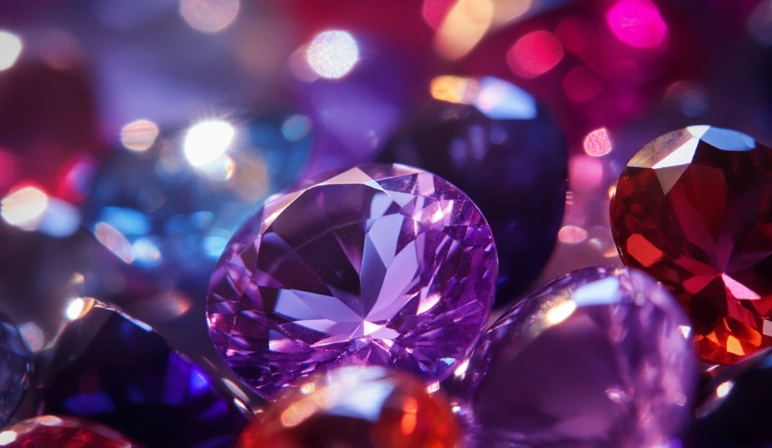
Some stones are just rarer in fine quality. Paraíba tourmaline, alexandrite, and fine red spinel are examples. Rarity drives long-term value. Market trends also play a role—what's fashionable now? Right now, spinel and certain garnets are having a moment, while some traditional stones are steady. It's a factor, but chasing trends is risky.
| Gemstone Type | Key Value Drivers | Common Treatments | Liquidity Note |
|---|---|---|---|
| Ruby | Color intensity ("pigeon's blood" red), clarity, origin (Burma), size. | Heat treatment is very common and accepted. Beware of lead glass filling. | High for fine quality, low for commercial grade. |
| Sapphire | Color saturation (cornflower blue, padparadscha), clarity, origin (Kashmir, Burma, Ceylon). | Heat treatment is standard. Diffusion treatment (surface color) must be disclosed. | One of the most liquid colored gems, especially blues. |
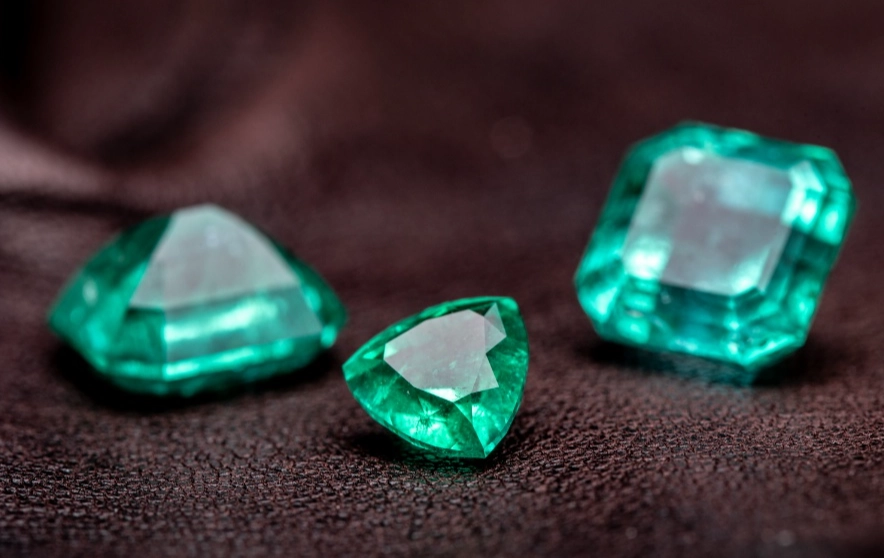
| Emerald | Color (vivid green), clarity (inclusions expected, called "jardin"), treatment level. | Oiling with resins (cedar oil) is almost universal to hide fractures. Clarity of oil used matters. | Good for fine quality, but treatments can complicate resale. |
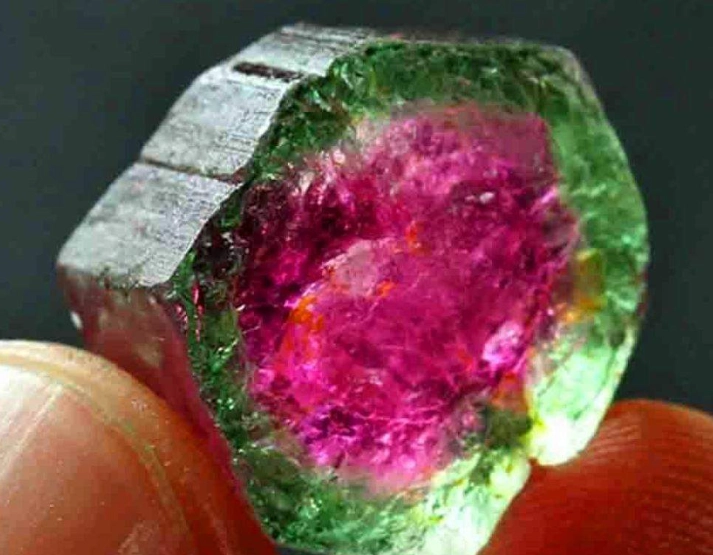
| Tourmaline | Color variety (Paraíba blues, rubellite pinks), size, clarity. | Often heated to improve color. Some irradiated. | Lower than the "Big Three," except for top-tier Paraíba. |
| Diamond (White) | The 4 Cs (Cut is paramount for brilliance), certification (GIA). | Usually none for naturals. HPHT/ CVD for lab-grown. | The most liquid gemstone market in the world. |
The Practical Guide: How to Buy Smart (If You Decide To)
Let's say you've thought about it, and you're leaning towards a purchase. Maybe for an engagement ring, maybe just for yourself. How do you not get taken for a ride? This is the actionable part.
Step 1: Define Your "Why" and Budget
Go back to the first section. Are you buying for emotion, for wear, for potential investment? Be brutally honest. Then, set a firm budget and stick to it. Remember to factor in the cost of setting (the metal, the design) and insurance. The stone itself is often only part of the total cost.
Step 2: Research Relentlessly
Don't just walk into a mall jeweler. Read. The Gemological Institute of America's (GIA) Gem Encyclopedia is an incredible, free resource. Learn about the stone you like—its properties, common treatments, value factors. Knowledge is your only defense against a slick sales pitch.
Step 3: Find a Reputable Seller
This is the most important step. Look for jewelers or gem dealers who are members of professional organizations like the American Gem Society (AGS) or who have Graduate Gemologists (GG) on staff. Ask for references. Read reviews. A good seller is an educator, not just a closer.
Step 4: Insist on a Reputable Laboratory Report
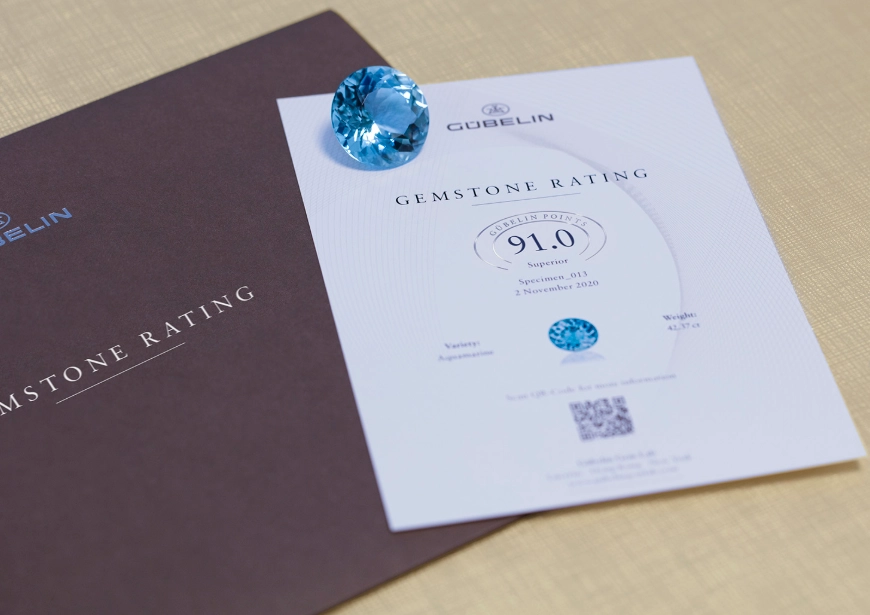
For any significant purchase, the stone should come with a report from a major independent lab like GIA, AGS, or Gübelin. This is your stone's birth certificate. It verifies species, identifies treatments, and often comments on origin. It removes subjectivity from the basic facts. No report? For a major purchase, that's a major red flag. Walk away.
Step 5: See It in Person (Or With Detailed Media)
Photos and videos can lie. They can enhance color or hide inclusions. If possible, see the stone under different lights—daylight, office light, home light. See how it performs. If buying online, use a vendor with a solid return policy and who provides high-quality, unenhanced videos.
Step 6: Think About the Future
Is the stone durable enough for your intended wear? An opal or emerald is softer and more fragile than a sapphire or diamond. Consider insurance immediately. Get a professional appraisal for insurance purposes from an appraiser not affiliated with the seller.
Common Mistakes First-Time Buyers Make
- Prioritizing size over quality: A small, beautiful stone is better than a large, mediocre one.
- Not getting a lab report: This is your single most important piece of documentation.
- Assuming all treatments are bad: Some are standard and stable (like heating). The sin is not disclosing them.
- Forgetting about the total cost: The setting, taxes, insurance, and possible resizing can add 50-100%+ to the stone's cost.
- Buying under pressure: If a deal seems too good to be true, or the seller is creating false urgency, it almost always is.
Answering Your Specific Questions
Final Verdict: So, Is It Worth Buying Gemstones?
After all this, circling back to the core question—is it worth buying gemstones?—my conclusion is this: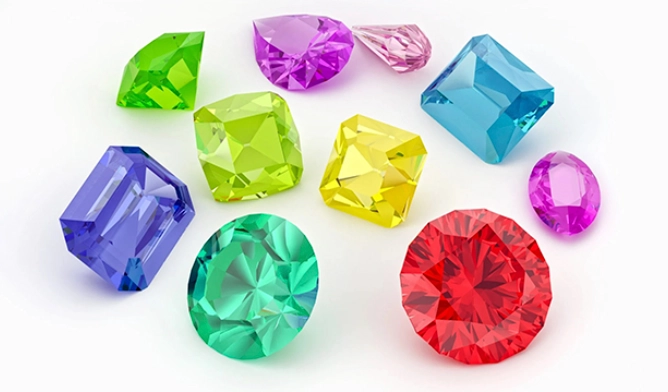
It is worth buying a gemstone if: You are primarily motivated by emotion, memory, or aesthetic joy; you have done your research; you are buying from a transparent, reputable source; you are getting an independent lab report; you are buying quality within your budget (not overextending); and you view any potential financial gain as a possible bonus, not the goal.
It is likely NOT worth buying a gemstone if: You are looking for a quick, liquid investment; you are relying on a seller's promises of guaranteed high returns; you are buying based on hype without understanding the stone; you are skipping the lab report to save money; or you are spending money you can't afford to lose.
Gemstones are not a commodity. They're pieces of the earth, each unique. Their worth is a fascinating blend of geology, art, market forces, and human emotion. If you go in with your eyes open, a clear purpose, and a healthy dose of skepticism towards deals that seem too good to be true, then yes, buying a gemstone can be an incredibly rewarding experience. You're not just buying a rock. You're buying a piece of natural art, a future heirloom, a personal talisman.
But if you're just looking to park cash and watch it grow? There are simpler, less beautiful, but far more reliable ways to do that.
Take your time. Learn. Look at lots of stones. Ask endless questions. And only buy the one that speaks to you, for a reason that makes sense to you, from someone you trust. That's how you answer the question of worth for yourself.