Quick Navigation
- The Core Meanings: What Does Turquoise Symbolize at Its Heart?
- A Cultural Tour: Turquoise Symbolism Around the World
- Turquoise in Modern Life: What Does It Symbolize Today?
- Choosing and Caring for Your Turquoise: A Practical Guide
- Answering Your Questions: The Turquoise FAQ
- Final Thoughts: Making It Personal
You’ve probably seen it – that striking blue-green stone set in silver jewelry, adorning a bolo tie, or maybe inlaid in an antique box. Turquoise is everywhere. But have you ever stopped and wondered, what’s the big deal? What does turquoise symbolize that has made it so cherished for thousands of years, from ancient pharaohs to modern fashionistas? It’s more than just a pretty color. It’s a piece of the sky, a fragment of history, and for many, a powerful talisman. I remember buying my first piece from a vendor in Santa Fe years ago, drawn to its color but clueless about its meaning. Since then, I’ve learned it’s a stone with a serious backstory.
Let’s be clear from the start: turquoise symbolism isn’t a single, neat definition. It’s a rich tapestry woven from countless cultures, spiritual practices, and personal beliefs. Asking "what does turquoise symbolize?" is like asking what water symbolizes – it depends on who you ask and where they’re from. For some, it’s pure protection. For others, it’s a direct line to spiritual wisdom. And for a lot of us today, it’s a beautiful connection to earthy, natural aesthetics. This isn’t about pushing mystical claims you can’t verify. It’s about understanding the profound cultural and historical weight this stone carries. We’ll look at the facts, the stories, and the enduring legacy that makes turquoise so special.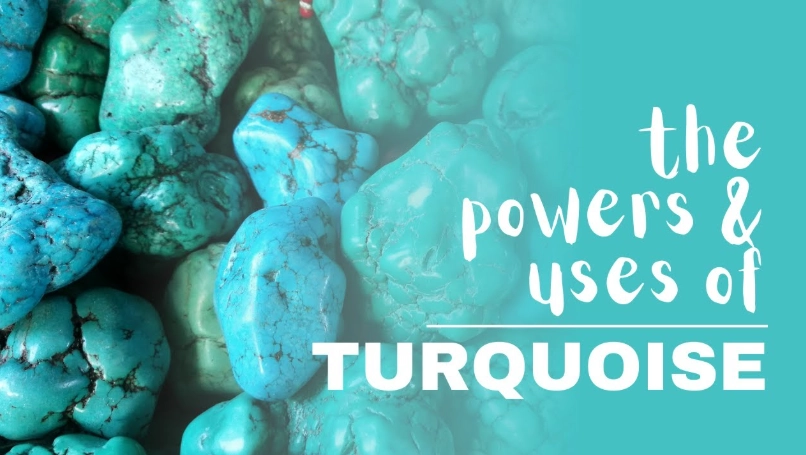
The Core Meanings: What Does Turquoise Symbolize at Its Heart?
If you had to boil it down to a few universal themes, you’d land on these big three. Across continents and centuries, these symbols keep popping up.
Protection and Safe Travel
This is arguably the oldest and most persistent meaning. Ancient Persians believed turquoise wards off the evil eye and would change color to warn its wearer of impending danger or illness. Turkish soldiers attached it to their saddles and bridles for protection in battle. This belief traveled along trade routes, cementing the stone’s reputation as a guardian. It wasn’t just about physical safety, either. It symbolized safe passage – for travelers, for the soul after death, for navigating life’s uncertainties. Think of it as an ancient, mineral-based security system. Does it work? I can’t prove that. But the depth of the belief is undeniable. I’ve met people who swear by their turquoise pendant when they fly. Placebo? Perhaps. But the sense of security it provides is very real to them.
Healing and Wholeness
Turquoise has long been linked to physical and emotional healing. Many cultures used it in medicinal practices, believing it could cure ailments, especially those related to the sky – like allergies or respiratory issues – given its celestial color. On an emotional level, it’s often seen as a stone of reconciliation and peace. It’s said to promote honest communication, helping to mend fences and soothe emotional turmoil. The idea is that it balances extremes, bringing the wearer back to a state of wholeness. It’s fascinating how this connects to its appearance – the matrix (the web-like patterns) within the stone is often seen as a symbol of the interconnectedness of life, the web that holds us together even when we feel broken.
Wisdom, Communication, and Connection
This is a big one, especially in Native American symbolism. Turquoise is considered a sacred stone that facilitates communication with the spiritual world. It’s a conduit for wisdom, not just human intelligence, but the deeper, intuitive knowing. It’s also strongly tied to communication, encouraging truth and clarity in speech. Some say it helps the speaker articulate their thoughts with integrity. Furthermore, its blue-green color links it to both sky (spirit, father) and water/earth (life, mother), making it a powerful symbol of connection between heaven and earth, the spiritual and the physical. When you think about what does turquoise symbolize in this context, it’s about bridging gaps – between people, between ideas, between ourselves and something greater.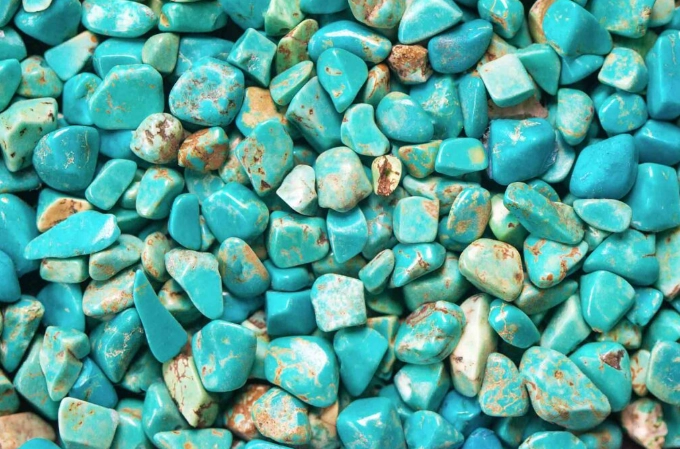
Quick Thought: It’s easy to dismiss these as "just folklore." But when a symbol persists for millennia across disconnected cultures, it tells you something about shared human hopes – for safety, for health, for understanding. That, in itself, is powerful.
A Cultural Tour: Turquoise Symbolism Around the World
To truly grasp what turquoise symbolizes, you have to take a world tour. Its meaning shifts and adapts, revealing what different cultures valued most.
| Culture/Region | Primary Symbolism | Key Uses & Beliefs |
|---|---|---|
| Ancient Persia & Mesopotamia | Protection, Royalty, Divine Favor | Worn by rulers and soldiers to ward off the evil eye ("Nazar"). Believed to change color as a danger warning. Used in palaces and mosques. |
| Native American Cultures (Navajo, Zuni, Hopi) | Sacred Life, Rain, Health, Protection | Considered a piece of the sky fallen to earth. Central to ritual, art, and identity. Used in prayer sticks, inlay work, and jewelry as a direct link to the spiritual realm. The Smithsonian’s National Museum of the American Indian has excellent resources on the cultural significance of materials like turquoise in indigenous art. |
| Ancient Egypt | Power, Status, Afterlife Protection | Adored by pharaohs like Tutankhamun. Inlaid in gold burial masks and jewelry to protect and guide the soul in the afterlife. Symbolized the god Hathor. |
| Tibetan & Himalayan | Health, Longevity, Spiritual Purity | Used in traditional medicine (though this should not be taken as medical advice). Incorporated into prayer beads and amulets. The blue represents the boundless sky of enlightenment. |
| Modern Western Spirituality | Personal Healing, Throat Chakra, Calm | Popular in crystal healing for communication (linked to the Throat Chakra) and emotional balance. Focuses on personal well-being and mindfulness. |
Looking at this table, you see the evolution. From a stone of literal, physical protection for kings and warriors, to a deeply spiritual connector for Native cultures, to a more internalized tool for personal growth today. The thread is always about value – turquoise symbolized what was most precious to that society.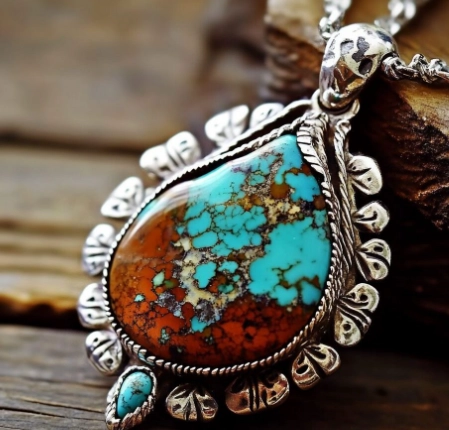
I find the Native American perspective particularly profound. It’s not just decoration; it’s a living part of their cultural and spiritual expression. The care and intent behind a piece of Zuni inlay or a Navajo squash blossom necklace transforms the stone. It makes mass-produced, cheap imitations feel pretty hollow in comparison.
Turquoise in Modern Life: What Does It Symbolize Today?
Okay, so we’re not all ancient warriors or shamans. What does turquoise symbolize for someone buying a ring online or inheriting a bracelet from a grandmother?
Connection to Nature and Earth: In our digital, urban lives, that earthy blue-green is a direct visual link to natural elements – tropical water, desert skies, mineral-rich earth. It symbolizes a desire for authenticity and a grounding connection to the natural world.
Personal Style and Individuality: Turquoise jewelry, especially in Southwestern or bohemian styles, symbolizes a free-spirited, artistic, and independent personality. It’s a statement piece.
Heritage and Tradition: For many in the American Southwest, wearing turquoise is a proud symbol of regional heritage and connection to Native American artistic traditions (when sourced and respected ethically).
Spiritual and Wellness Tool: In contemporary mindfulness and crystal practices, it’s a tangible focus for intentions related to calm, clear communication, and self-care. Whether you "believe" in crystal energy or not, having a physical object to represent an intention (like speaking your truth) can be a powerful psychological tool.
Choosing and Caring for Your Turquoise: A Practical Guide
If you’re drawn to what turquoise symbolizes, you might want a piece of your own. Here’s the unglamorous but essential part. Not all turquoise is created equal, and a lot of what’s sold is… well, not great.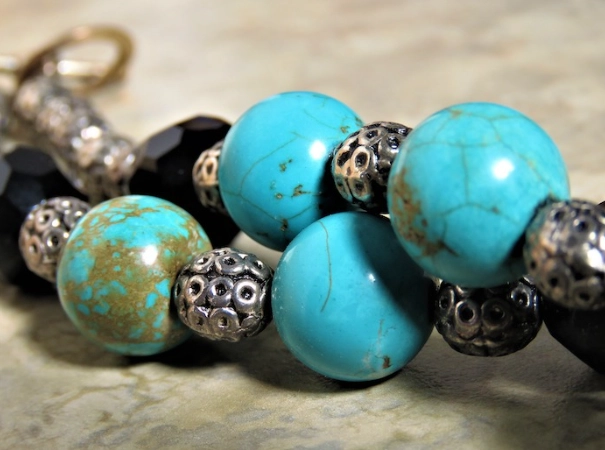
How to Spot Quality (and Avoid Fakes)
The market is flooded with dyed howlite, magnesite, and plastic masquerading as turquoise. Here’s a quick, non-technical checklist from someone who’s been burned before:
- Color: Natural color is uneven. It can range from sky blue to greenish-blue to apple green. If the color is screamingly bright, perfectly even, and has no variation, be very suspicious. Dyed stones often have concentrated color in cracks.
- Matrix: The brown or black webbing (matrix) is the host rock. It should look organic, like a spiderweb or a map. Fake matrix often looks painted on, too uniform, or like little black specks.
- Price: High-quality, natural turquoise from famous mines (Sleeping Beauty, Lander Blue) is expensive. If a large necklace is $30, it’s almost certainly fake or heavily treated.
- Texture & Temperature: Real stone feels cool to the touch and is hard. Plastic or resin feels warm and light.
For authoritative information on turquoise as a mineral, including its formation and properties, the Gemological Institute of America (GIA) turquoise guide is an excellent, science-based resource.
Caring for Your Stone
Turquoise is relatively soft and porous. Its symbolism won’t protect it from perfume, lotion, or harsh chemicals! Here’s how to keep it looking good:
- Avoid Chemicals: Always put jewelry on last, after hairspray, perfume, and makeup. Take it off before swimming (chlorine is a killer) or cleaning.
- Clean Gently: Use only a soft, dry cloth. Never use ultrasonic cleaners, steamers, or harsh jewelry dips.
- Store Separately: Keep it in a soft pouch away from harder gems (like diamonds) that can scratch it.
- Embrace Change: Some turquoise can change color slightly over time with exposure to light and skin oils. Some people love this as it personalizes the stone.
Answering Your Questions: The Turquoise FAQ
Let’s tackle some of the specific things people are searching for when they wonder what does turquoise symbolize.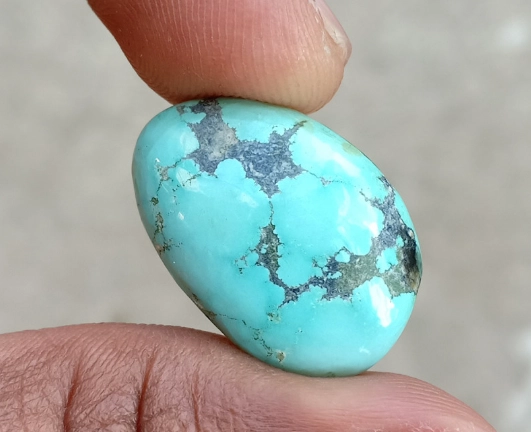
See how it all connects back to those core themes?
Final Thoughts: Making It Personal
After all this research and talking to artists and collectors, here’s my take. The question "what does turquoise symbolize?" is best answered by you. The historical and cultural meanings give it depth and resonance. You’re holding an object with a epic resume. But what matters most is what it means to *you*.
Maybe it symbolizes a memorable trip to the Southwest. Maybe it’s a connection to your grandmother’s style. Maybe you wear it as a reminder to stay calm and speak clearly in meetings. Maybe you just think it’s stunning. All of those are valid. The stone’s millennia of symbolism are a bonus, a rich layer of context you can choose to engage with or not.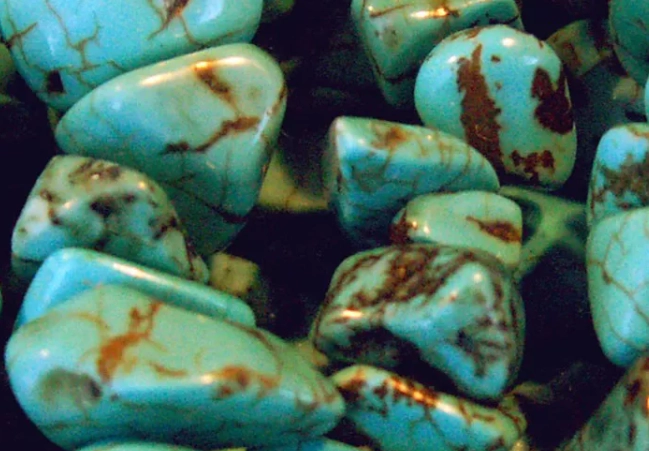
The key is to seek out the real thing when you can – a piece with integrity, sourced with respect for the cultures that cherished it first. Understand its care needs. Then, wear it or keep it with your own intention. That’s how a piece of mineral becomes more than just a decoration. It becomes a personal symbol, carrying the weight of history and the lightness of your own story.
So, the next time you see that blue-green stone, you’ll know. You’ll see the sky, the earth, the history, the hope. You’ll understand a little better what turquoise symbolizes. And that knowledge makes its beauty even deeper.