Your Citrine Companion
- What Exactly Is Citrine? The Science Behind the Sunshine
- The Meaning and Symbolism of the November Birthstone
- Citrine Healing Properties: Separating Lore from Science
- Your Practical Guide to Buying Citrine
- How to Care for and Clean Your Citrine Jewelry
- Citrine in Jewelry: Styles and Settings
- Answering Your Top Citrine Questions (FAQ)
- The Final Word on This Golden Gem
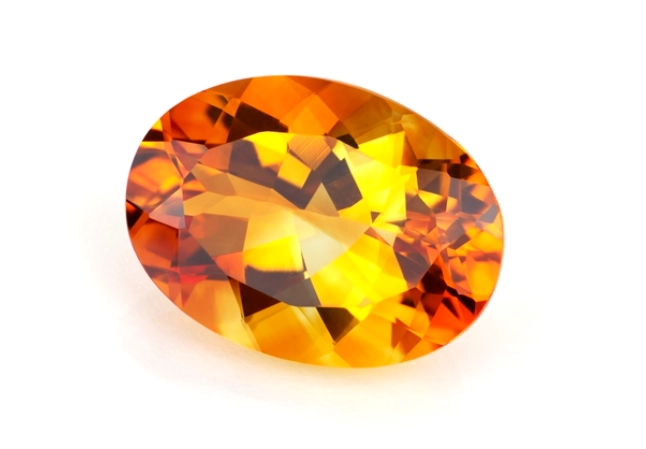
Let's talk about the November birthstone, citrine. You've probably seen it – that warm, sunny yellow stone that seems to catch the light just right. It's not just a pretty face, though. There's a whole world behind this gem that most people never get to see. I remember the first time I held a really good piece of citrine. It wasn't in some fancy jewelry store, but at a small gem show. The dealer, an older fellow with years of experience etched on his face, placed it in my palm. "Sunshine captured in stone," he said. And you know what? He wasn't wrong.
But is all citrine created equal? Far from it. That's where things get interesting, and sometimes, a bit frustrating for buyers. We'll get into that later. For now, let's just say that understanding this November birthstone goes way beyond knowing it's yellow.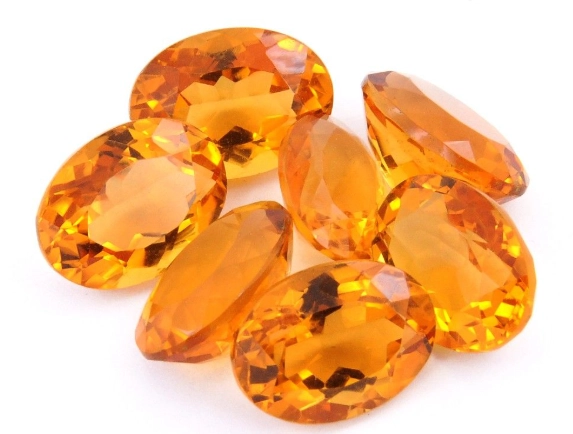
What Exactly Is Citrine? The Science Behind the Sunshine
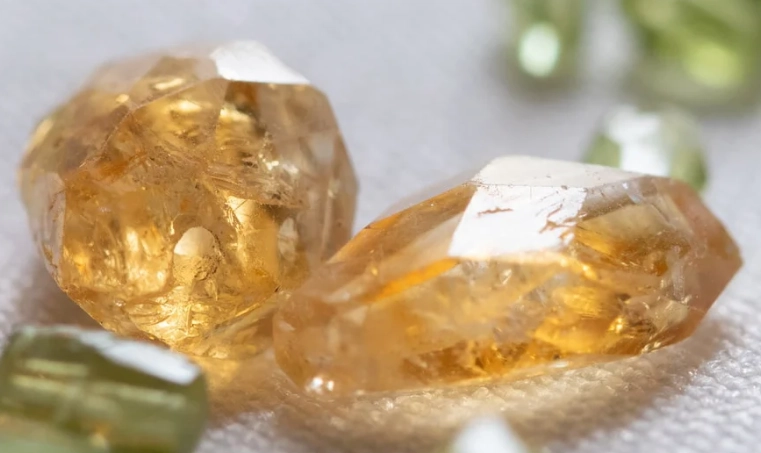
Alright, let's break it down without the textbook jargon. Citrine is a variety of quartz (silicon dioxide, if you want the chemical formula). Its signature yellow-to-orange color comes from impurities of ferric iron (that's iron in a specific, oxidized state) within the crystal structure. Heat, either from natural geological processes deep in the Earth or applied in a lab, can affect this iron and change the color.
Here's a fact that often surprises people: natural citrine is actually quite rare. A lot of what's sold as citrine, especially in commercial jewelry, started its life as a different, more common, and often less expensive stone: amethyst (purple quartz) or smoky quartz (brownish-gray quartz). Through heat treatment, these stones can be transformed into a yellow-orange color that is visually identical to natural citrine. The Gemological Institute of America (GIA) has a great resource explaining how heat treatment affects quartz gems, which you can find on their quartz gem page.
Now, before you feel misled, it's crucial to know that this heat treatment is permanent, stable, and widely accepted in the trade. The resulting material is still genuine quartz, just with its color altered by man-made heat replicating what nature does over eons. But if you're a purist seeking a stone colored solely by Mother Nature's hand, you need to ask the right questions.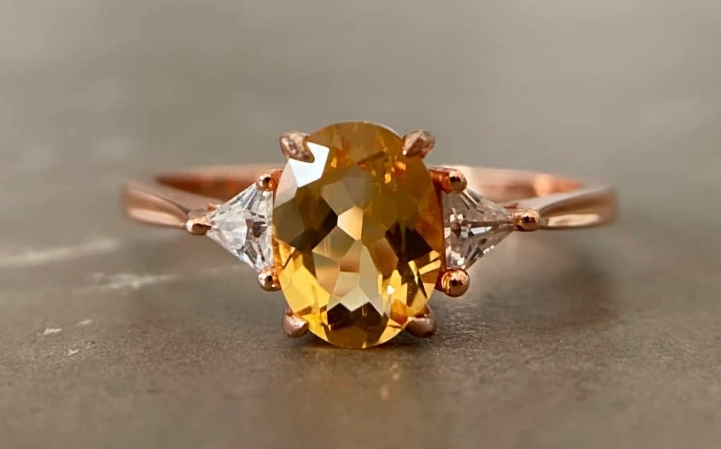
Natural Citrine vs. Heat-Treated Amethyst: Spotting the Difference
This is where your eyes need a bit of training. While both are beautiful, they often have different characteristics.
| Characteristic | Natural Citrine | Heat-Treated Amethyst/Smoky Quartz |
|---|---|---|
| Typical Color | Pale yellow to a rich, golden "Madeira" hue. Often has a subtle, even tone. | Often a deeper, more reddish-orange or amber color. Can sometimes have a slight smoky undertone. |
| Color Zoning | Color is usually evenly distributed. | May show faint remnants of the original amethyst's angular color zoning, looking like faint stripes or patches. |
| Common Source | Brazil is a major source. Also found in Madagascar, Spain, and Russia. | Vast majority comes from large amethyst deposits in Brazil and Uruguay that are specifically heated. |
| Price Point | Generally more expensive due to rarity. | Much more affordable and readily available. |
| Transparency | Usually very clear with high transparency. | Also typically clear, but some lower-quality heated stones can appear a bit cloudy. |
Personally, I don't think one is inherently "better" than the other. It comes down to what you want and what you're paying for. The heated material makes the beauty of a citrine-like stone accessible to everyone. But if a dealer is selling heat-treated amethyst at a natural citrine price, that's a problem. Transparency is key.
The Meaning and Symbolism of the November Birthstone
Why is citrine the November birthstone? Its connection to autumn is obvious – it mirrors the changing leaves, the warmth of the harvest sun, the golden fields. Historically, it's been a stone of light and warmth for centuries. Ancient cultures believed it could hold sunlight and ward off evil thoughts and snake venom (a common fear back then). Not sure about the snake venom part, but the symbolism stuck.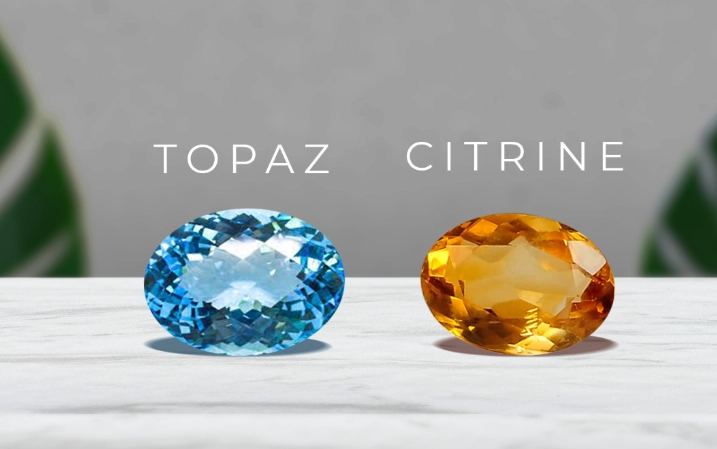
In more modern metaphysical circles, citrine is famously known as the "Merchant's Stone" or the "Success Stone." The lore says it attracts wealth, prosperity, and abundance. People would place it in their cash registers or wallets. I'm not going to promise it'll make you win the lottery, but I can see the logic. Its bright, positive color is inherently uplifting. Feeling more optimistic and confident might just help you make better business decisions, right?
Beyond wealth, citrine is associated with joy, personal power, and manifestation. It's said to carry the energy of the sun – warming, energizing, and life-giving. It's one of the few stones in crystal lore that is believed not to retain negative energy, so it supposedly never needs cleansing. Whether you buy into the spiritual side or not, you can't deny that holding a piece of fine November birthstone citrine just feels good. It's cheerful.
Citrine Healing Properties: Separating Lore from Science
This is a big topic, and we need to tread carefully. When people search for "citrine healing properties," they're looking for a range of answers, from the spiritual to the pseudo-scientific. My job is to present what is widely believed in alternative practice circles, while being clear about what is not medically proven.
In crystal healing traditions, citrine is primarily linked to the solar plexus chakra (the energy center associated with personal power, will, and digestion) and the sacral chakra (associated with creativity and emotion). It's used by practitioners for:
- Energetic Uplift: Combating feelings of lethargy, seasonal affective disorder (SAD), or general low mood. Its sunny color is thought to be inherently stimulating.
- Digestive Support: A historical association links it to supporting the health of the digestive organs like the spleen, pancreas, and stomach. Again, this is symbolic and energetic, not a medical treatment.
- Mental Clarity: Believed to sharpen the mind, improve concentration, and dispel brain fog. Some students keep a piece on their desk while studying.
- Manifestation & Confidence: As the "Success Stone," it's used as a focus for goals, boosting self-esteem and the courage to pursue one's aims.
That said, the placebo effect is a powerful thing. If wearing a November birthstone citrine makes you feel more confident and positive, that's a real benefit. The mind-body connection is strong. I know when I wear my citrine ring on a gray day, it does add a little spark of mental sunshine. Maybe it's just a reminder to be brighter, but sometimes that's enough.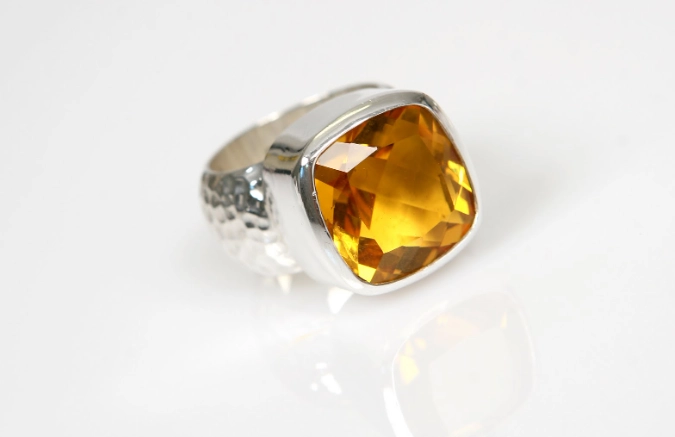
Your Practical Guide to Buying Citrine
So you want to buy a piece of citrine jewelry or a raw stone. What should you look for? Let's move past the vague advice and get specific.
The 4 Cs Adapted for Citrine
We often hear about the 4 Cs for diamonds, but they apply here too, with a twist.
- Color: This is king for citrine. The most prized color is a deep, saturated "Madeira" hue – a rich orangey-brown with red flashes, named after the wine. A pure, vivid yellow is also highly desirable. Avoid stones with dominant brown or gray undertones; they look muddy and dull. Pale yellow citrine is pretty but less valuable.
- Clarity: Citrine is a Type I quartz, meaning it's typically eye-clean. You should expect high transparency with no visible inclusions to the naked eye. Cloudy or included stones are lower grade. Sometimes you'll see tiny wisps or "fingerprints," but a good stone will be clear.
- Cut: A good cut maximizes the stone's brilliance and color. Look for symmetrical facets that reflect light evenly. Citrine is often cut in oval, cushion, emerald, and trillion shapes. A poorly cut stone will look lifeless, even if the color is good.
- Carat Weight: Citrine is available in large sizes, so you can get a substantial stone without breaking the bank. Size preference is personal, but remember that in larger stones, color saturation becomes even more critical. A big, pale stone is less impressive than a smaller, intensely colored one.
Questions to Ask Your Seller (Don't Be Shy!)
Arming yourself with questions is the best way to avoid disappointment.
- "Is this natural color citrine, or is it heat-treated amethyst/smoky quartz?" (Listen for honesty. "It's heated" is a fine answer if the price reflects it.)
- "Has the stone been treated in any other way?" (Some low-quality material might be dyed or coated. Genuine citrine treatment is usually just heat.)
- "What is the country of origin?" (Brazilian citrine is classic. Other origins like Madagascar can have lovely stones too.)
- "Can you provide any documentation?" (A reputable dealer might offer a basic gemstone ID report, especially for higher-end pieces.)
My rule of thumb? If a deal on a piece of November birthstone citrine seems too good to be true for its size and color, it probably is. You're likely looking at glass or heavily included, low-grade material.
How to Care for and Clean Your Citrine Jewelry
Citrine is a 7 on the Mohs scale of hardness. That means it's durable enough for everyday wear in rings, but it can still be scratched by materials harder than 7 (like topaz, sapphire, or diamond). It's also susceptible to sudden, extreme temperature changes, which can cause fractures.
Here’s a simple, foolproof cleaning routine: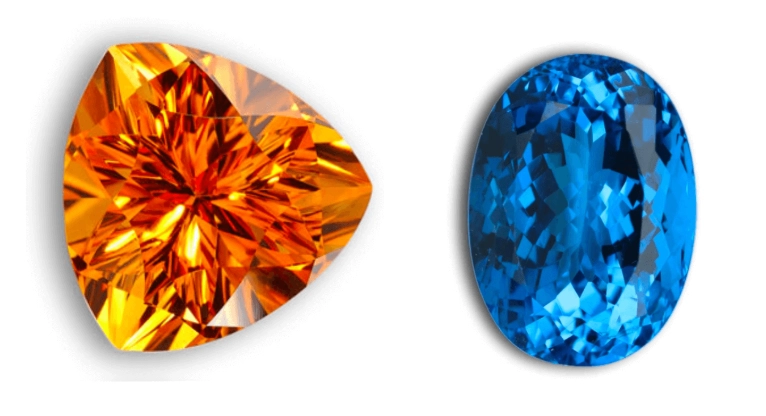
For storage, keep your citrine separate from harder gems. A soft pouch or a compartment in a jewelry box is perfect. Don't just toss it into a jumbled bag with other pieces – that's asking for scratches.
And about sunlight? There's a myth that citrine fades. Natural citrine is color-stable and won't fade in sunlight. However, some very dark heat-treated amethyst might lighten slightly over years of intense, direct exposure. To be safe, it's a good practice not to store any fine jewelry, including your November birthstone citrine, on a windowsill.
Citrine in Jewelry: Styles and Settings
Citrine's versatility is a designer's dream. Its warm tone complements both yellow and white metals beautifully.
- Yellow Gold: This is a classic, warm-on-warm combination that feels luxurious and timeless. A Madeira citrine in yellow gold is stunning.
- White Gold or Platinum: The contrast makes the yellow/orange of the citrine pop dramatically. It gives a more modern, crisp look.
- Silver: A fantastic, affordable option. Sterling silver settings make citrine jewelry accessible and very popular in artisan and bohemian styles.
You'll see citrine as a stunning solitaire, as accent stones alongside diamonds or other colored gems (it pairs wonderfully with amethyst, peridot, and blue topaz), and in all kinds of statement pieces. Because larger stones are available, it's a go-to for bold cocktail rings and pendants.
Answering Your Top Citrine Questions (FAQ)
Let's tackle some of the most common things people wonder about this November birthstone.
It's considered a semi-precious gemstone. Fine quality natural citrine, especially in larger sizes with top color, can command significant prices. However, the abundant supply of beautiful heat-treated material keeps citrine jewelry very affordable for the average person. It offers incredible beauty per dollar.
Yes, briefly, for cleaning. Its chemical structure is stable, so water won't harm it. But as with all jewelry, prolonged exposure to chlorinated or salt water isn't recommended, as it can damage the metal setting over time.
They're often confused! Yellow topaz (November's other traditional birthstone) is harder (8 on Mohs scale), has a higher refractive index (more sparkle), and is often more expensive. Citrine tends to have a warmer, more honeyed yellow, while topaz can be a brighter, more lemony yellow. A gemologist can tell them apart easily with tools.
First, it's almost certainly real quartz. The question is usually about the color. Professional testing is the only sure way. But for a home check: Real citrine (and heat-treated quartz) will be cooler to the touch than glass, which is a poor insulator. It will also have slight imperfections under a loupe, while glass may have bubbles or swirls. If it scratches glass easily (quartz can), that's another indicator it's not glass. For more detailed identification methods, resources from the GIA Gem Encyclopedia are invaluable.
This is a personal choice. With a hardness of 7, it's softer than sapphire (9) or diamond (10), making it more prone to scratches over decades of daily wear. If you're hard on your hands, you might see wear. However, for someone who loves color, wants a unique ring, and is willing to be a bit careful, a well-set citrine can be a beautiful and meaningful choice. Consider a bezel or halo setting for extra protection.
The Final Word on This Golden Gem
Look, at the end of the day, the November birthstone citrine is a gift of warmth. In the month when days get shorter and colder in many parts of the world, it offers a literal and symbolic piece of sunlight. Whether you're drawn to it for its birthstone connection, its legendary properties of abundance, or simply because that golden hue makes your heart sing, it's a gem with character.
My advice? Don't get too hung up on the "natural vs. heated" debate unless you're a collector. Focus on finding a piece with a color that brings you joy, from a seller who is honest about what they're offering. A beautiful, heat-treated stone that you love and wear often is worth infinitely more than a "natural" one that sits in a drawer because you overpaid for it.
Hold it up to the light. See how it catches the fire. If it makes you smile, you've found your November birthstone.