Your Guide to November Birthstones
- The Great November Birthstone Confusion: A Historical Mess
- Meet the Contenders: Citrine vs. Topaz
- Side-by-Side: The Ultimate November Birthstone Showdown
- How to Choose YOUR November Birthstone
- Caring for Your November Gem
- Your Questions Answered: The November Birthstone FAQ
- The Final Word: What is the True Birthstone of November?
So you're a November baby, or maybe you're shopping for one, and you've hit this classic wall of confusion. You look it up, and bam – you get two answers. Citrine. Topaz. Sometimes they even throw "yellow sapphire" into the mix just to mess with you. Which one is it? What is the true birthstone of November? Is there even a single true one?
I remember trying to buy a November birthstone ring for my sister a few years back. The jeweler showed me a beautiful yellow stone and called it topaz. Another shop, just down the street, had a stone that looked almost identical, but they insisted it was citrine and that it was "the real" November stone. I left more confused than when I started. It felt like a gemological conspiracy.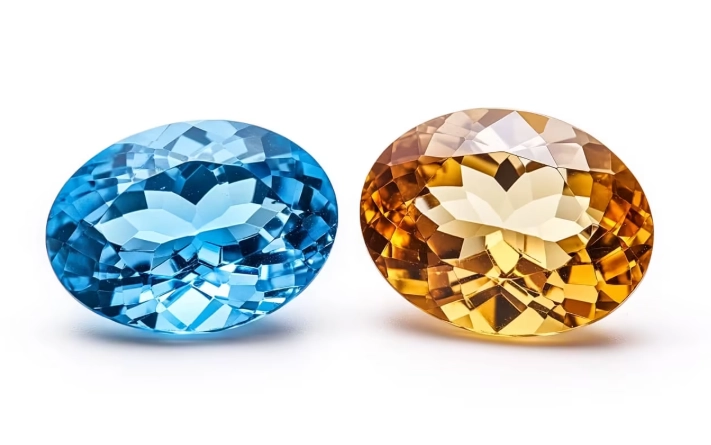
It turns out, the answer isn't a simple one-word reply. It's a story. A story about history, marketing, geology, and a whole lot of mixed-up names. If you want the quick, modern, official answer from the big jewelry authorities, citrine and topaz share the title. But if you dig into the "why," things get fascinating. The quest to find the true birthstone of November reveals how traditions change, how mistakes become cemented, and what really matters when you're choosing a stone to represent you.
Here's the core of the issue: For most of history, any yellow-to-orange gem was likely called "topaz." The specific, beautiful yellow quartz we know as citrine was often lumped in. The separation into two distinct modern birthstones is a relatively recent correction of an ancient error. So, in a historical sense, topaz was the original. In a modern, gemological sense, we now recognize citrine as its own, equally valid, and often more accessible option.
The Great November Birthstone Confusion: A Historical Mess
To understand why we have two stones, you have to go back. Way back. The whole concept of birthstones is ancient, tracing roots to the Breastplate of Aaron in the Bible with its twelve gems. But the modern list we use? It was standardized much later.
The real trouble started with naming. For centuries, the mineral name "topaz" was used as a color descriptor. Got a golden yellow gem? That's a topaz. This included actual topaz (the silicate mineral) and also yellow quartz (citrine). They look similar to the naked eye, especially in candlelight, so the mix-up was easy. Gemology wasn't a precise science back then.
In 1912, the American National Association of Jewelers (now Jewelers of America) tried to bring order to the chaos. They standardized a modern birthstone list to help, well, sell jewelry. For November, they listed topaz. This cemented topaz's place as the "official" stone. But here's the kicker – they were almost certainly including gems we would now call citrine under that umbrella.
As gemology advanced and we learned to distinguish minerals by their crystal structure and hardness, the mistake became clear. Citrine (quartz, hardness 7) and topaz (a silicate mineral, hardness 8) are completely different. The jewelry industry faced a choice: stick rigidly with the name "topaz" and confuse customers, or acknowledge the historical inclusion of citrine. They chose a pragmatic path – embrace both.
Myth Buster: A common myth is that citrine is just "fake topaz" or "poor man's topaz." This is a dated and unfair view. Citrine is a gorgeous gem in its own right with a unique history and properties. Calling it a substitute does a disservice to its sunny, vibrant character.
So, when you ask, "What is the true birthstone of November?" from a historical-turned-modern perspective, the truest answer is: both citrine and topaz hold legitimate claim, but for different reasons. Topaz has the older pedigree on paper. Citrine has the older pedigree in reality, as it was the stone often actually worn.
Meet the Contenders: Citrine vs. Topaz
Let's get to know these two November stars individually. Understanding them separately is the only way to make a smart choice later.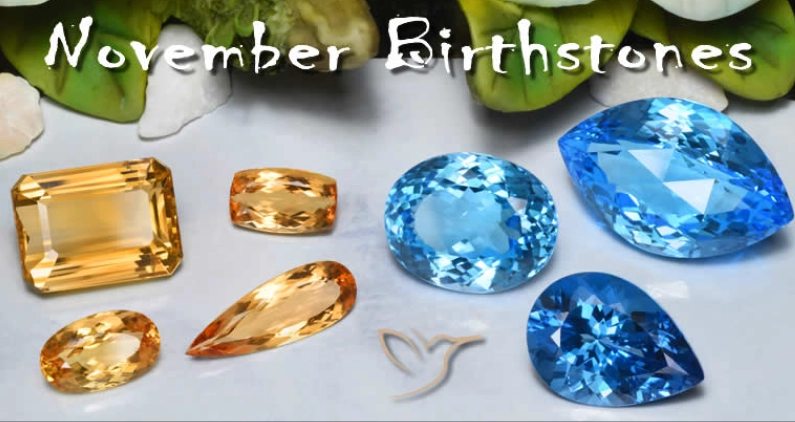
Citrine: The Sunlight Captured in Stone
Citrine is all about warm, positive energy. Its name comes from the French "citron" for lemon, but its colors range from pale yellow to a deep, fiery amber or "madeira" hue. It's a variety of quartz, one of the most abundant minerals on Earth, which makes it generally more affordable than topaz. But don't let the "abundant" tag fool you – natural citrine is actually quite rare.
Most citrine on the market is heat-treated amethyst or smoky quartz. Stick a piece of purple amethyst in an oven, and the iron impurities change, turning it yellow. This is a stable, permanent, and completely accepted treatment in the industry. In fact, it's so common that when you see a rich, orangey-brown citrine, it's almost certainly heated amethyst from places like Brazil. Natural citrine tends to be a paler, more subtle yellow. I personally prefer the deeper tones of heated stones – they just have more warmth to them.
Why choose citrine? It's tough (hardness 7 on the Mohs scale, perfect for daily wear in rings and bracelets), it's affordable, and it has a no-nonsense vibe. It doesn't try to be anything else. It's the sunny, accessible, welcoming member of the November birthstone family. You can get a statement piece without a statement price tag.
Topaz: The Gem of Many Colors (But We're Here for the Yellow)
Topaz is the more aristocratic of the two, at least in reputation. It's harder (a solid 8 on the Mohs scale) and has a higher refractive index, which means it can have more brilliance and sparkle than citrine when cut well. Pure topaz is actually colorless. The famous colors – blue, pink, imperial, and our November yellow – come from impurities or defects in the crystal lattice.
Here's where it gets tricky for November. The classic "yellow topaz" of birthstone lore is often a specific shade: a sherry-like, warm brownish-orange to pinkish-orange. This is sometimes called "precious topaz" or "imperial topaz," and it's the most valuable color. However, a lot of commercial "yellow topaz" is actually colorless or pale topaz that has been irradiated and heat-treated to produce a stable yellow color. This is standard practice and the stones are beautiful, but it's good to know.
The most prized yellow/orange topazes, like imperial topaz from Brazil's Ouro Preto region, are stunning and command high prices. They have a depth and a glow that is distinct. Topaz feels more formal, more of a "precious gem" in the traditional sense than citrine. It's for when you want something that feels a bit more special occasion, though it's certainly durable enough for everyday wear.
Side-by-Side: The Ultimate November Birthstone Showdown
Enough talk. Let's put them head-to-head. This table breaks down everything you need to know to compare them directly.
| Feature | Citrine | Topaz (Yellow) |
|---|---|---|
| Mineral Family | Quartz (Silicon Dioxide) | Silicate Mineral (Fluorinated) |
| Mohs Hardness | 7 (Very good for daily wear) | 8 (Excellent for daily wear) |
| Typical Colors | Pale yellow to deep amber, orange-brown | Vivid yellow, golden brown, sherry orange, pinkish-orange (Imperial) |
| Clarity | Usually eye-clean. Inclusions are less common. | Often eye-clean. Can have liquid or gas inclusions. |
| Source & Rarity | Most is heat-treated amethyst from Brazil. Natural citrine is rarer (e.g., Zambia). | Brazil, Sri Lanka, Russia, Nigeria. Natural fine imperial topaz is rare & valuable. |
| Treatments | Extremely common (heat treatment of amethyst). | Very common for yellow color (irradiation & heat). Natural color is premium. |
| Price Point | Generally affordable. A high-quality 5ct stone may be $50-$200. | Wider range. Treated yellow is affordable; natural imperial topaz can be $500+/ct. |
| Durability Note | Very durable. Good for rings. Can be cleaned safely. | Hard but has perfect cleavage (can split if hit sharply on the wrong plane). |
| Symbolism & Lore | Sunshine, joy, positivity, success. A "merchant's stone." | Strength, intelligence, loyalty. Thought to cool boiling water and anger. |
Looking at that, the choice starts to take shape, doesn't it? It's not about which is the "true" birthstone, but which is true for *you*.
How to Choose YOUR November Birthstone
Forget the ancient arguments. Let's get practical. When you're deciding between citrine and topaz, here’s what should go through your mind.
First, your budget. This is the biggest practical divider. If you want a large, eye-catching stone without spending a fortune, citrine is your champion. You can get a spectacular citrine statement ring for the price of a modest, small topaz. If budget is less of a concern and you're drawn to the prestige and hardness of a classic precious gem, explore topaz.
Second, the color you love. Do you adore the deep, honeyed amber of a Madeira citrine? Or the bright, vibrant lemon-yellow of some topaz? Maybe it's the unique peachy-pink-orange of an imperial topaz that steals your heart. Look at pictures, visit a jeweler, and see which color makes you smile. The true birthstone of November is the one whose color speaks to you.
Third, consider the jewelry type. For an everyday ring that will take knocks, both are great, but citrine's lack of cleavage (that tendency to split) gives it a slight edge in toughness for a ring you never take off. For a pendant or earrings, where impact risk is lower, you can choose purely on aesthetics. Topaz's extra brilliance can really shine in dangling earrings.
Fourth, ask about treatments. Don't be shy. A reputable jeweler will disclose this. "Is this citrine natural or heat-treated?" "Is this topaz's color natural or treated?" There's no right answer—most of both stones are treated—but you should know what you're buying. A treated stone isn't inferior; it's just the reality of the market. But knowing adds to your expertise.
I lean towards citrine for its warmth and value, but I'll never forget the first time I held a fine imperial topaz. It had a weight and a fire that was undeniable. There's no wrong answer here, only a personal one.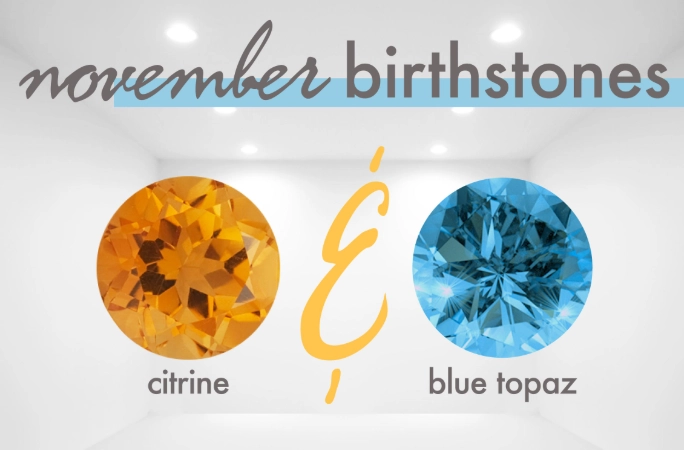
Caring for Your November Gem
You've chosen your stone. Now, keep it beautiful.
For both: Ultrasonic cleaners are usually safe, but steam cleaners can be risky, especially for treated stones or those with inclusions. The old-fashioned way is best: warm water, mild dish soap, and a soft brush. Rinse well and dry with a soft cloth.
Citrine Specifics: It's pretty hardy. Just avoid extreme heat (like leaving it on a windowsill in direct sun for months), as prolonged, intense heat can lighten its color over a very long time. Normal wear won't do this.
Topaz Specifics: Remember that cleavage! It means a sharp blow in the wrong direction can crack the stone. Remove your topaz ring for heavy lifting, gym workouts, or gardening. Store it separately from other jewelry to prevent scratches (though its hardness of 8 means it mostly does the scratching).
Your Questions Answered: The November Birthstone FAQ
The Final Word: What is the True Birthstone of November?
After all this, what's the verdict? The search for the true birthstone of November ends not with a single stone, but with an understanding.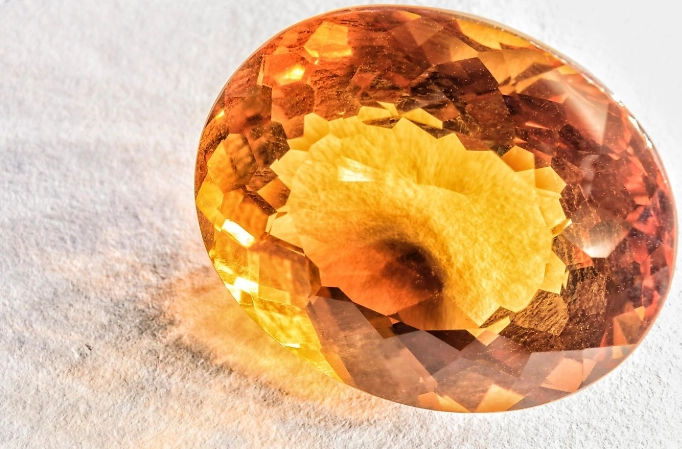
Historically, the name "topaz" was king, but it wore the face of citrine. Today, gemology has given us clarity and choice. The official answer from organizations like Jewelers of America and the American Gem Society is clear: November is blessed with two birthstones, citrine and topaz. The Gemological Institute of America (GIA), the world's foremost authority on gems, details the properties of both without declaring one more authentic than the other.
So, stop stressing about finding the one "true" answer. The power is yours. Do you want the warm, accessible, joyful sunshine of citrine? Or the brilliant, classic, enduring strength of topaz?
Maybe you're like me and you'll end up with both—a cheerful citrine for everyday and a special topaz for when you need a dose of gemstone grandeur. That's the beautiful resolution to the age-old question, "What is the true birthstone of November?" It's the one that feels true to you.
Now go find your November light.