Quick Guide
So you're a March baby, or maybe you're shopping for one, and you've started wondering about that special gem tied to the month. You've probably heard "aquamarine" and maybe something about a "bloodstone." But what's the real deal? Is one more official than the other? What do they even mean, and more importantly, which one is right for you or your gift?
Let's clear that up right away. March is actually lucky enough to have two birthstones. The main one, the one everyone pictures, is the stunning blue aquamarine. The second, often called the "alternative" March birthstone, is the deeply unique bloodstone. It's not a runner-up, though. It has a history and vibe all its own.
I've always been fascinated by how these two stones are so different yet represent the same month. One is all serene ocean skies, and the other is grounded, earthy mystery. It's a fantastic choice to have.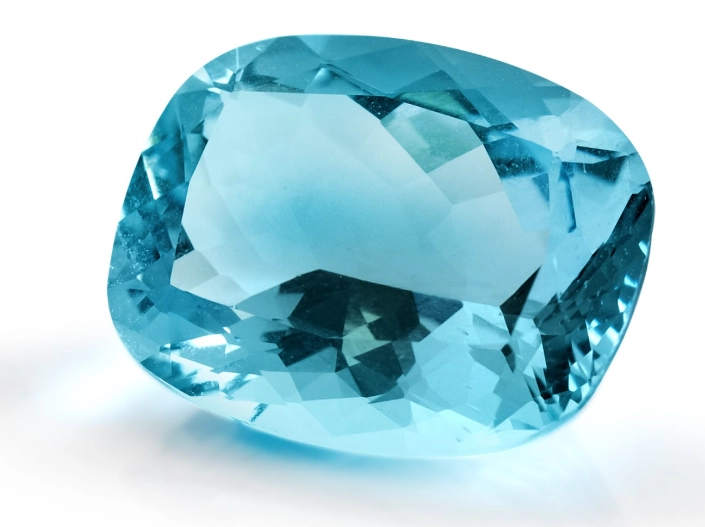
Aquamarine: The Serene Blue Heart of March
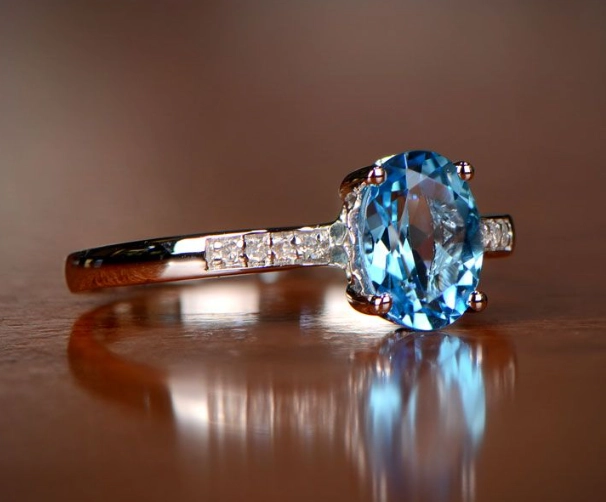
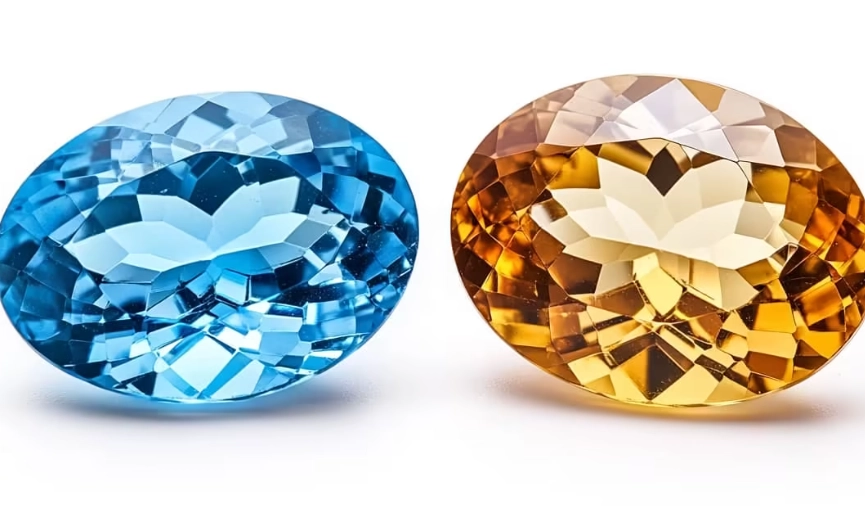
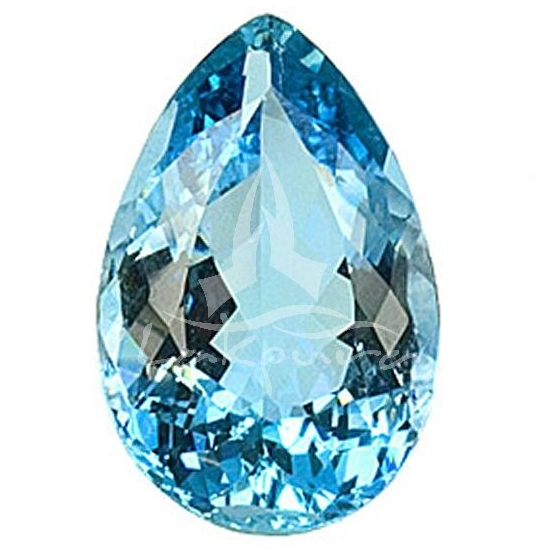
When most people search for "March birthstone," they're dreaming of aquamarine. And for good reason. That blue is just... calming. It's not the deep royal blue of a sapphire or the electric pop of a topaz. It's gentler. Think of the most perfect, clear tropical shallow water you've ever seen. That's the ideal.
But here's something a lot of articles don't tell you: not all aquamarines are created equal. The color can range from a very, very pale, almost unnoticeable blue to a rich, saturated sky-blue. The most prized color is a moderately strong, pure blue to slightly greenish-blue. Dealers often call it "Santa Maria" blue, after a famous mine in Brazil that produced incredible deep blue stones.
I once saw a "Santa Maria" aquamarine in a museum exhibit. Photos don't do it justice. It had a depth to it that cheaper, paler stones just lack. It wasn't just a light blue gem; it felt like you could look into it.
What Makes a Great Aquamarine? The 4 C's for March's Gem
Just like diamonds, you can judge aquamarines by some key factors. Knowing this can save you from overpaying for a mediocre stone.
1. Color: As mentioned, the stronger and more vivid the blue, the more valuable. Watch out for stones that are too greenish-gray—they're less desirable. The best stones have a clear, vibrant tone without looking dark or inky.
2. Clarity: Aquamarine is a type of beryl (same family as emerald), but it's typically much cleaner than its green cousin. You should expect an eye-clean stone, meaning no visible inclusions to the naked eye. If you see obvious flaws, the price should be lower. This high clarity is part of what gives it that beautiful, transparent water-like quality.
3. Cut: Cutters often shape aquamarine into elongated shapes like emerald cuts or oval cuts because the raw crystals form in long, hexagonal columns. A good cut will maximize the color and brilliance. A poorly cut stone can look washed out or dead.
4. Carat Weight: Aquamarine can be found in large sizes, so a big stone isn't as rare as, say, a big ruby. This means price per carat doesn't skyrocket as quickly with size. You can get a substantial, statement March birthstone ring without completely breaking the bank.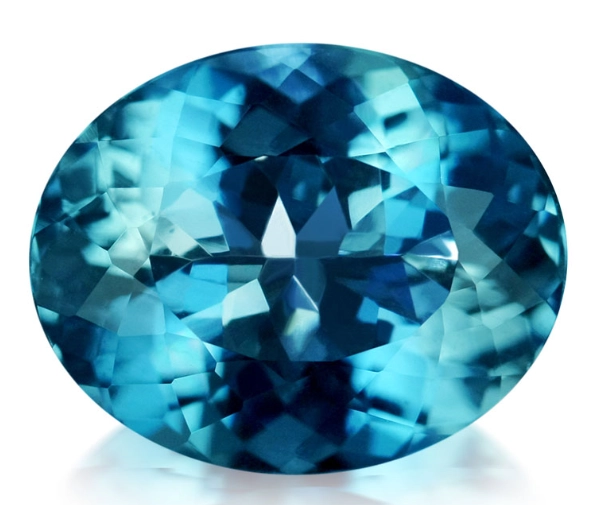
Caring for Your Aquamarine Jewelry
Aquamarine has a decent hardness of 7.5 to 8 on the Mohs scale (diamond is a 10). This means it's suitable for daily wear in rings, but it's not indestructible. It can be scratched by materials harder than it, like sapphire or diamond.
- Cleaning: Simple is best. Warm, soapy water and a soft brush (like a baby toothbrush) are perfect. Ultrasonic cleaners are usually safe for aquamarine unless it has significant liquid inclusions or fractures. Steamer cleaners are generally a no-go due to the heat.
- Storage: Don't just toss it in a jumbled jewelry box. Wrap it in a soft cloth or keep it in a separate compartment. This protects it from scratches.
- What to Avoid: Sudden temperature changes and harsh chemicals. Take it off before using bleach, chlorine (pools and hot tubs!), or other cleaners. The heat from a jeweler's torch during repairs can also damage it, so any resizing should be done by someone experienced with colored stones.
It's tougher than an opal but more delicate than a sapphire. Treat it with reasonable care, and your March birthstone will last generations.
Bloodstone: The Ancient and Powerful Alternative
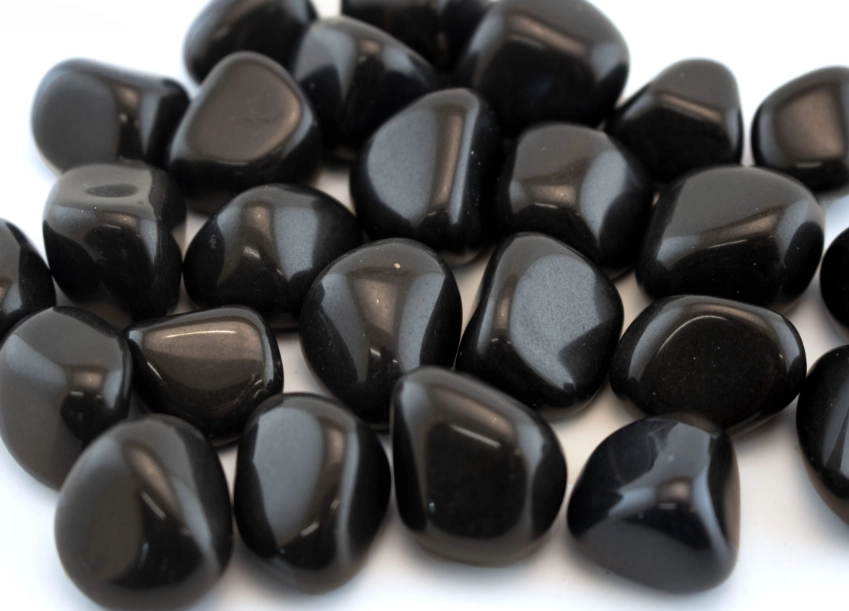
Now, let's talk about the other March birthstone, bloodstone. If aquamarine is a peaceful sea, bloodstone is an ancient, mossy forest after a rain. It's opaque, dark green, and dotted with distinctive red specks that look like splashes of blood. It's not everyone's cup of tea aesthetically, but its history is incredible.
Also known as heliotrope, this stone has been used for thousands of years. The Romans believed it could stop bleeding and improve circulation. Medieval Christians linked the red spots to the blood of Christ, carving scenes of the crucifixion into it and calling it the "Martyr's Stone." Soldiers in ancient times carried it as an amulet for courage and to literally stop wounds from bleeding. Whether you believe in the metaphysical or not, you have to admit that's a powerful legacy for a March birthstone.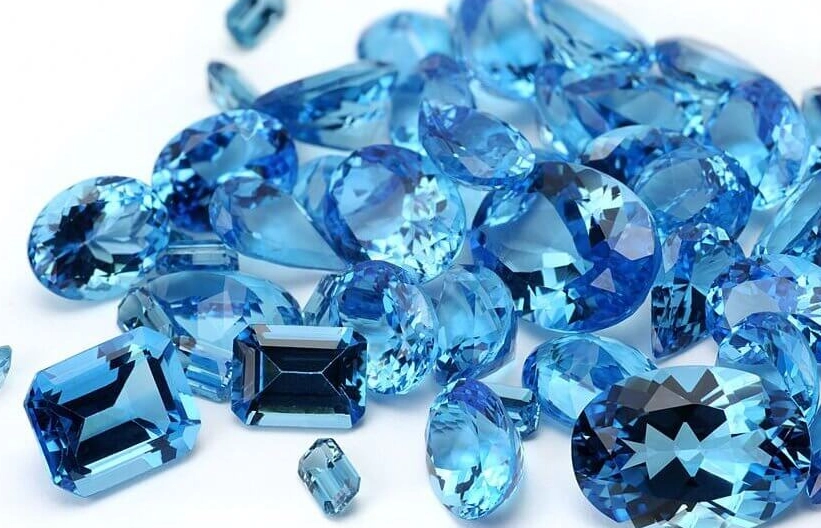
Key Properties of Bloodstone
What exactly are you getting with this alternative March birthstone?
- Composition: It's a variety of chalcedony, which is a type of quartz. The green base is jasper, and the red spots are iron oxide, usually hematite.
- Hardness: Around 6.5 to 7 on the Mohs scale. This makes it durable for carving and daily wear in pendants or earrings, but a bit softer than aquamarine. A ring with a bloodstone cabochon should be worn with a little more mindfulness than a diamond ring.
- Source: Major sources include India, Brazil, Australia, and the United States.
- The Look: The value is in the contrast and pattern. The most sought-after stones have a rich, dark green background with vivid, bright red spots clearly distributed across the surface. A dull green with muddy red spots is less desirable.
I have a friend who swears by his bloodstone worry stone. He says just rubbing its smooth surface is grounding. Even if it's just a placebo, it works for him. That's the kind of personal connection this March birthstone can foster.
Bloodstone Meaning and Modern Use
Beyond the history, what does bloodstone mean today? In modern crystal healing and metaphysical circles, it's considered a stone of courage, strength, and vitality. It's said to be grounding, to enhance endurance, and to promote a sense of justice. It's often called a "stone of action."
Whether you subscribe to those ideas or just like the look, bloodstone offers a masculine, earthy, and historical alternative to the more feminine and delicate aquamarine. It's a fantastic March birthstone choice for someone who wants something unconventional, symbolic, and full of character.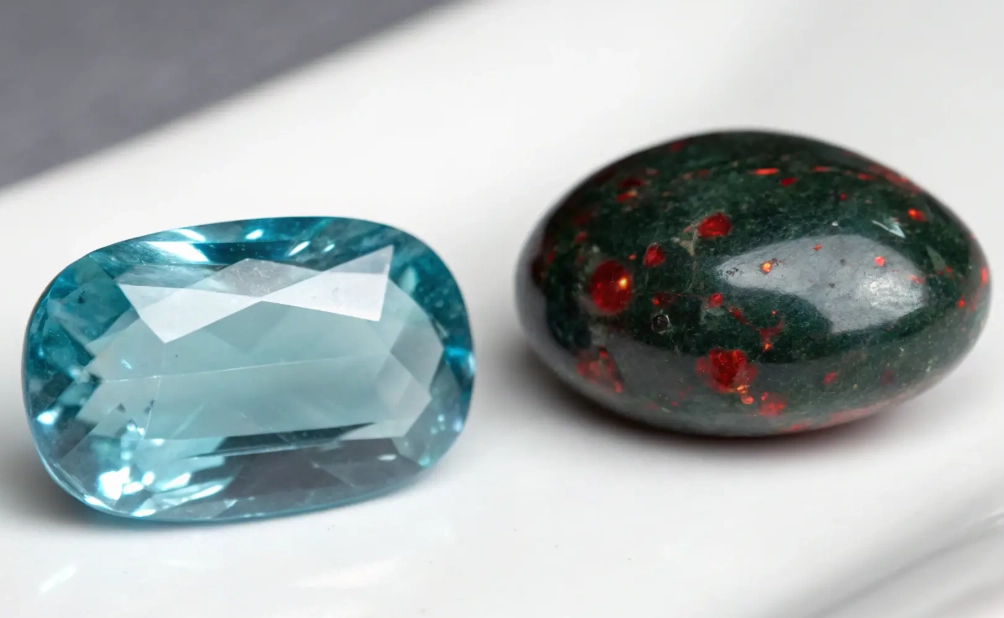
Aquamarine vs. Bloodstone: Which March Birthstone is Right for You?
Stuck between the two? It's a great problem to have. Here’s a quick, honest comparison to help you decide.
| Feature | Aquamarine (Primary March Birthstone) | Bloodstone (Alternative March Birthstone) |
|---|---|---|
| Appearance | Transparent, light to medium blue (sea-water color). Sparkly and faceted. | Opaque, dark green with red specks. Usually smooth, polished cabochon. |
| Vibe | Calm, serene, elegant, classic, feminine. | Grounding, powerful, ancient, masculine, unique. |
| Durability | Good (7.5-8 Mohs). Fine for daily wear with care. | Good (6.5-7 Mohs). Good for daily wear, but slightly softer. |
| Typical Jewelry | Rings, earrings, pendants, statement necklaces. Often in silver or white gold. | Signet rings, pendants, beads, men's cufflinks, carved seals. Works in yellow gold or silver. |
| Price Point | Wide range. Pale stones are affordable; vivid "Santa Maria" blue is premium. | Generally very affordable, especially in smaller sizes and beads. |
| Best For Someone Who... | Loves classic, sparkling jewelry with a calming color. Wants the widely recognized March birthstone. | Prefers earthy, symbolic, conversation-starting pieces. Loves history or wants a non-traditional look. |
See? It's not about which is better. It's about which fits the person. A delicate aquamarine pendant might be perfect for one March birthday, while a bold bloodstone signet ring hits the mark for another.
Buying Your March Birthstone: What You Must Know
Let's get practical. You're ready to buy. How do you not get taken for a ride?
For Aquamarine Buyers:
Is aquamarine treated? Almost always, yes. And that's okay, as long as it's disclosed. The vast majority of aquamarines on the market are heat-treated to remove greenish or yellowish tones and enhance that pure, desirable blue. This treatment is stable and permanent—it won't fade with normal wear. It's a standard practice accepted in the gem trade. The Gemological Institute of America (GIA) has excellent resources on this. Be wary of any seller who claims their stone is "completely natural" and untreated unless they provide a report from a reputable lab like GIA. For a March birthstone, treated is normal and expected.
What about synthetic or imitation aquamarine? Synthetic aquamarine (lab-created) exists but isn't super common because the natural stone isn't extremely rare. More common are imitations like blue topaz or even glass. Blue topaz is often a deeper blue and is much cheaper. Always ask: "Is this natural aquamarine?" If the price seems too good to be true for a large, vivid blue stone, it probably is.
For Bloodstone Buyers:
The main thing here is knowing what you're getting. Bloodstone is rarely faked because it's not high-value, but it can be confused with other spotted green stones.
- Ask for a description: "Dark green jasper/chalcedony with red iron oxide inclusions."
- Look for the distinctive contrast. The red should be bright against the deep green.
- It will be opaque. If it's translucent, it's probably not bloodstone.
Because it's affordable, you can often find beautiful, high-quality bloodstone pieces without spending a fortune, making it an accessible option for March birthstone jewelry.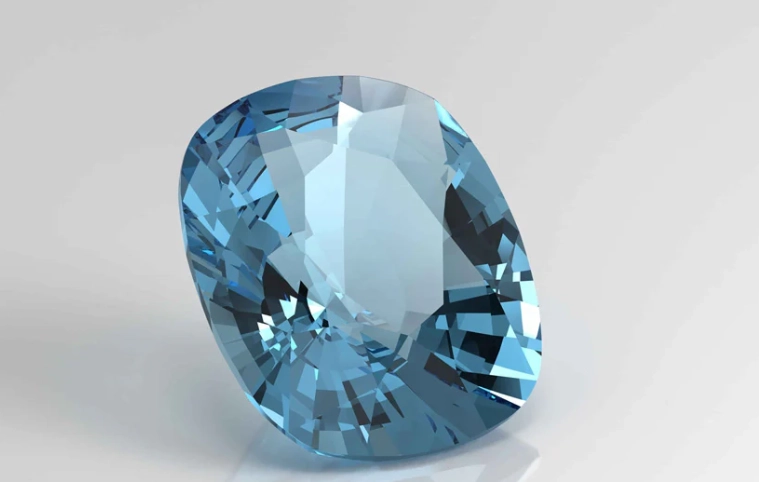
Answering Your March Birthstone Questions
I've gotten a lot of questions from friends and readers over the years. Here are the big ones.
Honestly, the most common question I get is simply, "Which one is more popular?" And the answer is clearly aquamarine. It's the blue beauty everyone knows. But popularity isn't everything. Sometimes the road less traveled—the bloodstone path—holds more meaning.
Final Thoughts on Choosing Your Stone
At the end of the day, a birthstone is deeply personal. It's a connection to your month, a symbol of your identity, or a thoughtful gift loaded with meaning. Whether you're drawn to the tranquil, expansive blue of aquamarine or the ancient, grounded energy of bloodstone, you have a fantastic option for the month of March.
Don't get too hung up on rules. The "official" March birthstone lists are just guides. If you're a March baby who hates blue but loves the deep green of bloodstone, go for it. If you love the classic look of aquamarine, embrace it fully. The best stone is the one that speaks to you, the one you'll love wearing and seeing for years to come.
My advice? If you can, go see the stones in person. Hold them. See how the light plays off an aquamarine. Feel the smooth, cool surface of a polished bloodstone. That personal experience will tell you more than any blog post ever could. That's how you find your March birthstone.