Your Emerald Journey: Quick Navigation
Let's be honest. When you first find out your birthstone is the emerald, you probably have a mix of feelings. Excitement, because hey, it's the same gem Cleopatra was obsessed with. And maybe a little bit of... anxiety? Because emeralds have this reputation for being fancy, expensive, and honestly, a bit mysterious. What does this green stone even mean? How do you buy one without getting ripped off? And if you're lucky enough to own one, how on earth do you take care of it?
I remember my first emerald. It was a tiny speck in a vintage ring I inherited. I was terrified to wear it. I thought just looking at it too hard would make it crack. Turns out, I wasn't entirely wrong—but I also wasn't right. There's a whole world to the emerald birthstone that most people never get to see past the price tag.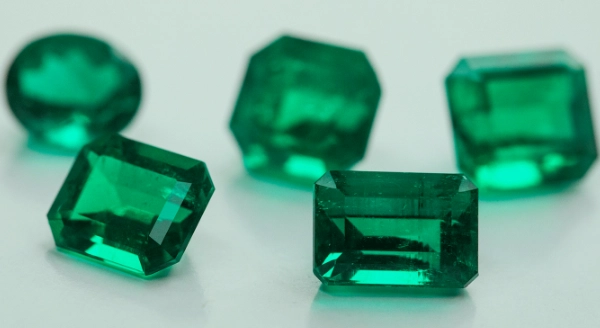
This guide is here to change that. We're going to strip away the intimidating luxury showroom vibe and talk about emeralds like we're chatting over coffee. We'll cover the deep, cool history, the practical stuff about buying one, and the real-talk on keeping it safe. Whether you're a May baby shopping for your first piece, someone receiving an emerald gift, or just a gem lover, consider this your no-nonsense manual.
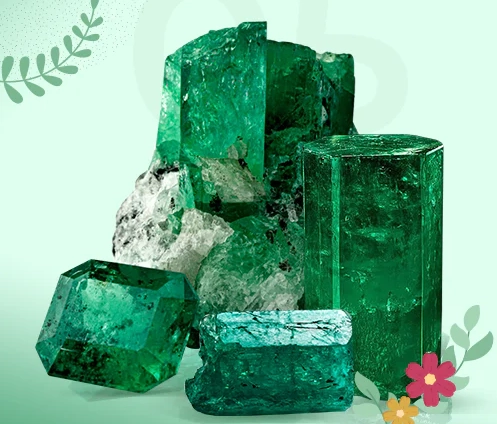
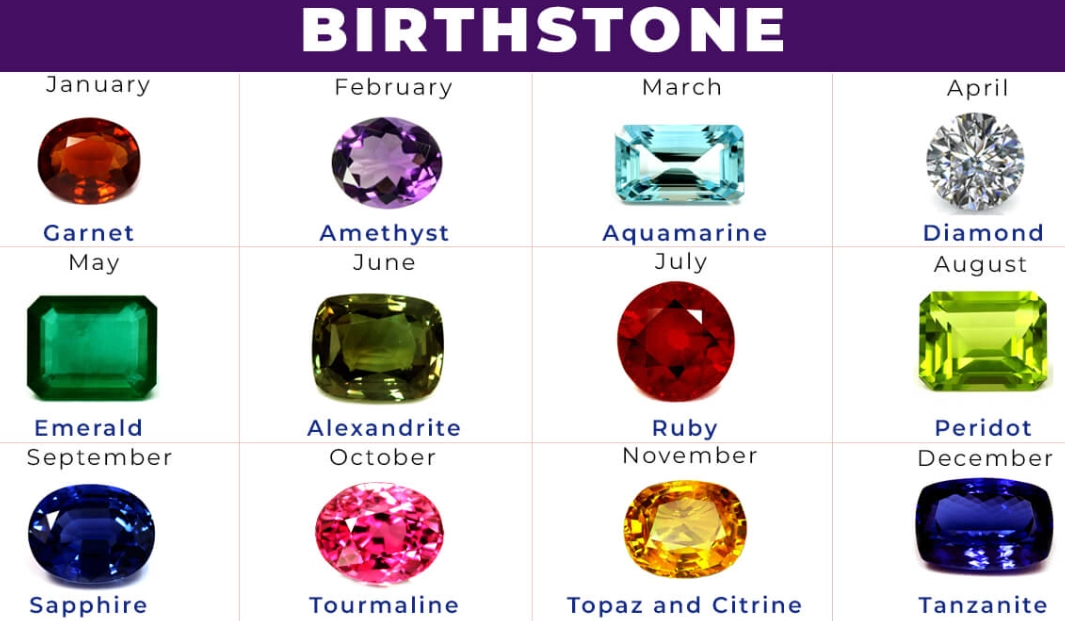
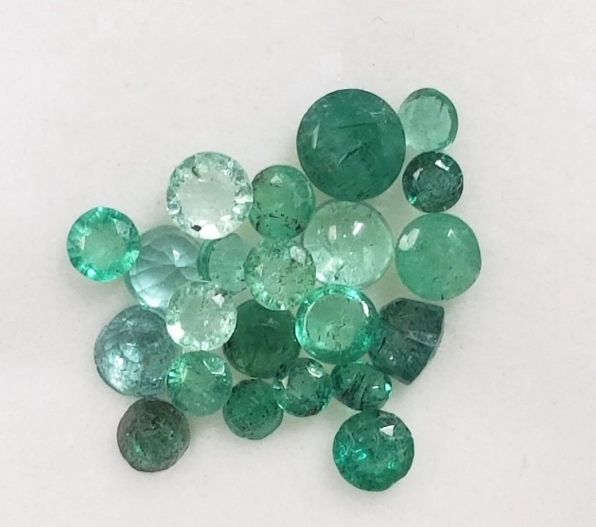
Quick Take: The emerald birthstone is the official gem for May. It's a variety of the mineral beryl, and it gets its iconic green color from trace amounts of chromium and sometimes vanadium. It's famous for its rich color, but also for its natural inclusions—often called its "jardin" or garden—which most experts see as a mark of identity, not a flaw.
More Than Just a Pretty Green Rock: The Meaning Behind Your Birthstone
Why has the emerald captivated humans for thousands of years? It's not just the color. That lush, spring-like green immediately connects it to renewal, growth, and life itself. Ancient cultures saw it as a symbol of eternal youth. The Romans dedicated it to Venus, the goddess of love and beauty. But the meaning of the emerald birthstone goes much deeper than surface-level symbolism.
For one, it's historically been tied to foresight and truth. There are old tales about emeralds being able to reveal the truth in a lover's oath or protect against deceit. I don't know if I'd trust a gemstone with my relationship decisions, but the idea is powerful. It speaks to clarity and insight. In many traditions, it's considered a stone of wisdom, believed to enhance memory and focus. Think of it less as a magic crystal and more as a ancient, physical reminder to seek truth and understanding.
Then there's the heart connection. Across cultures, green is the color of the heart chakra. The emerald birthstone is often associated with compassion, unconditional love, and harmony. It's a popular gift for 20th and 35th wedding anniversaries, symbolizing a deep, enduring partnership. For a May birthday, it's like carrying a little piece of spring's promise of new beginnings with you all year round.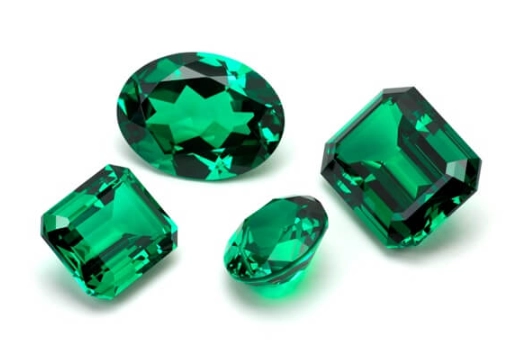
A Gem with a Passport: Where Do Emeralds Come From?
Not all emeralds are created equal, and a huge part of their story is where they're born. The geology matters. Colombia is the kingpin, producing what many consider the finest emeralds in the world—with a pure, intense green color that's almost unmatched. The famous Muzo and Chivor mines are legendary. But that's not the whole map.
Zambia has become a major player, offering stones that often have a slightly bluish-green tint and can be remarkably clear. Brazil produces beautiful emeralds too, sometimes with a lighter, more yellowish-green color. You'll also find them in Afghanistan, Pakistan, and Russia. Each origin gives the emerald a slightly different personality, influenced by the unique cocktail of minerals in the earth where it formed.
Here’s a quick look at how some major sources compare. Remember, this is a general guide—exceptions exist for every rule in the gem world.
| Origin | Typical Color Character | Notable Traits | What to Know |
|---|---|---|---|
| Colombia | Pure, intense grass-green, often with a slight warmth. | Often has a distinctive three-phase inclusion (solid, liquid, gas bubble). Considered the classic benchmark for color. | Commands the highest premiums, especially for top color. The name "Colombian" itself adds value. |
| Zambia | Deep green, often with a subtle bluish or grayish undertone. | Tends to have higher clarity (fewer visible inclusions) than many Colombian stones. | Excellent value for a high-clarity, saturated stone. A major source for modern jewelry. |
| Brazil | Lighter, often yellowish-green. Can also produce fine, deep green stones. | Stones can be very clean. Also a source of rare "cat's eye" emeralds. | Offers a wide range. The lighter stones can be more affordable entry points into owning a natural emerald birthstone. |
| Afghanistan (Panjshir Valley) | Vivid, pure green, rivaling fine Colombian color. | Relatively new to the market in significant volume. Often exceptionally transparent. | A rising star. Supply can be inconsistent due to geopolitical factors, making them rare finds. |
I once compared a Zambian and a Colombian emerald side-by-side. The Colombian one just had this... glow. It was like comparing two shades of a perfect forest. Both stunning, but undeniably different. The origin story is part of the gem's charm.
Navigating the Minefield: Your Practical Guide to Buying an Emerald
This is where most people get nervous. Buying an emerald birthstone shouldn't feel like defusing a bomb. Let's break down what you're really looking for, using the classic "Four Cs" but with an emerald twist. Spoiler: For emeralds, the rules are a little different.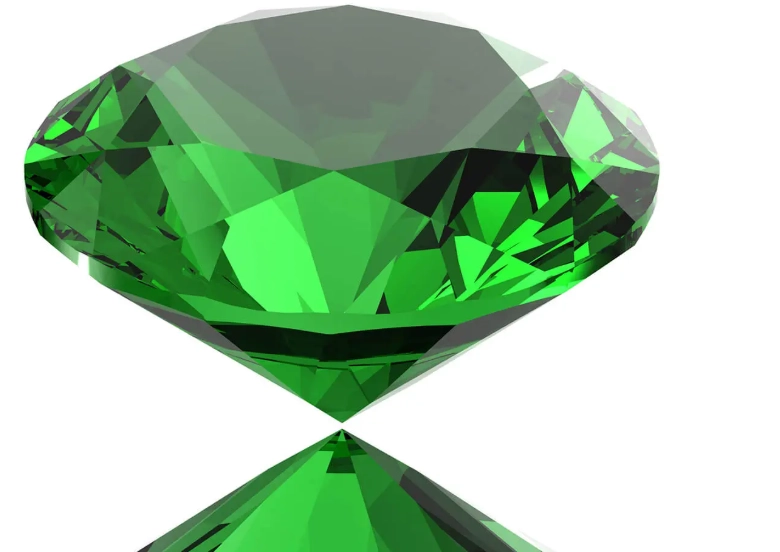
Color is King (Queen, and the Whole Royal Court). With emeralds, color trumps almost everything else. You're looking for a vivid, saturated green. Not too dark (where it looks black), not too light (where it looks like a green beryl, not an emerald). The most prized hue is a slightly bluish-green to pure green with strong saturation. Tone should be medium to medium-dark. If the color makes you think of a deep forest after rain, you're on the right track.
Clarity: Embrace the Jardin. This is the biggest mindset shift. Almost all natural emeralds have inclusions—fractures, crystals, gas bubbles. The gemological term for these is "inclusions," but the poetic French term is "jardin" (garden), because they can look like moss or foliage inside the stone. These are not automatically bad. They're proof the stone is natural. The key is location. You don't want large, distracting cracks that reach the surface or threaten the stone's durability. A cloud of tiny inclusions in the middle? That's often just character. A flawless, clean emerald is incredibly rare and suspiciously expensive—it might even be synthetic.
Watch Out: Be extremely wary of any emerald sold as "flawless" or "internally flawless" at a seemingly good price. It's almost certainly a lab-created emerald or a different green stone altogether. Reputable sellers will be transparent about clarity characteristics.
Cut: The Compromise Artist. Unlike diamonds, which are cut for maximum sparkle, emeralds are usually cut to preserve weight and highlight their color. The classic "emerald cut" (the rectangular one with stepped facets) is popular because it protects the corners of the gem, which are vulnerable, and showcases the color beautifully. But you'll see them in ovals, cushions, and rounds too. A good cut should make the color look even, hide the most obvious inclusions in the less visible areas (like under the setting's prongs), and not have windows (dead spots where color disappears).
Carat: Size vs. Quality. Emerald prices don't scale linearly. A 2-carat stone of excellent quality can cost more than double a 1-carat stone of the same quality, not just twice as much. My advice? Don't fixate on carat weight. A smaller emerald with fantastic color will always look more impressive than a larger, pale, or murky one. A well-cut 0.75-crat emerald birthstone can be a showstopper.
The Treatment Talk (The Oil in the Room)
This is non-negotiable knowledge. Over 95% of emeralds on the market are treated with oils or resins. Why? Those natural fractures (the jardin) often reach the surface. To improve clarity and stability, a colorless oil (like cedarwood oil) is infused into these cracks. It makes the fractures less visible and helps protect the stone.
This is standard, accepted practice.
But you must be told about it. A reputable jeweler will disclose any treatments. The GIA grading report, if you get one, will note it. The problem comes with "fracture filling" using green-tinted oils or permanent resins like epoxy. These are more controversial and should significantly lower the stone's value. They can also be unstable—heat from a jeweler's torch or even strong sunlight can melt the oil or cloud the resin.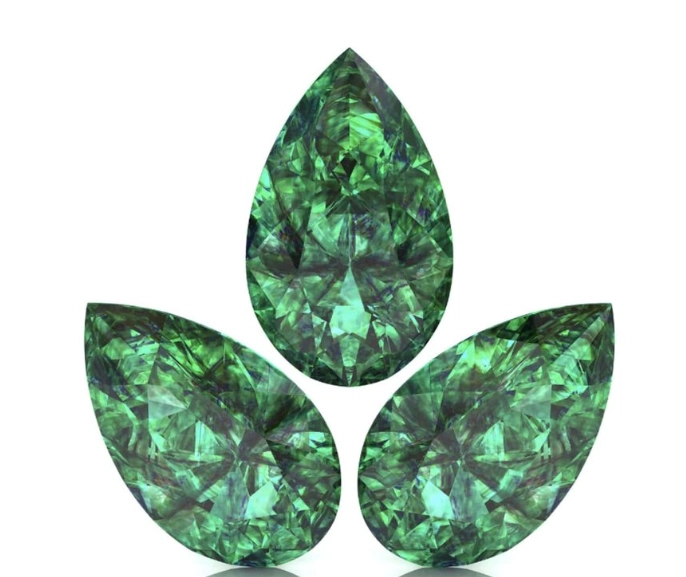
I made the mistake of cleaning an oily emerald ring with mild soap and warm water once. Big mistake. It dulled the stone slightly as some oil leached out. Had to get it re-oiled (a simple, inexpensive service). Lesson learned: know what's in your stone.
When buying, always ask: "Has this emerald been treated, and if so, with what?" The answer should be clear. If a seller hesitates or doesn't know, walk away.
Living With an Emerald: Care Tips That Aren't Overly Paranoid
Okay, you've got your emerald birthstone. Now what? Yes, emeralds are more fragile than diamonds or sapphires. They rank 7.5 to 8 on the Mohs scale of hardness, which means they can scratch. More critically, their inclusions make them susceptible to chipping or cracking from a sharp blow. But you don't need to lock it in a vault.
The Daily Do's and Don'ts:
- DO put your emerald jewelry on after applying makeup, perfume, and hairspray. Chemicals are not its friend.
- DON'T wear it while doing heavy manual work, gardening, or sports. Sudden knocks are the enemy.
- DO clean it gently with a soft, untreated cloth. For a deeper clean, use lukewarm water, a drop of mild dish soap (no harsh detergents!), and a soft toothbrush. Avoid the ultrasonic cleaner and steam cleaner at all costs—the vibrations and heat can shatter it or remove fillings.
- DON'T expose it to sudden temperature changes or leave it in direct, hot sunlight for prolonged periods.
- DO store it separately in a soft pouch or a fabric-lined jewelry box. Don't let it tumble against harder gems like diamonds.
Think of it like a precious piece of art. You wouldn't hang a watercolor in the shower, but you'd still display it proudly and enjoy it every day. Same logic.
Your Emerald Birthstone Questions, Answered Honestly
Wrapping It Up: Your Emerald, Your Way
At the end of the day, your emerald birthstone is a connection to the earth, to history, and to your own personal story (especially if you're a May baby). It doesn't have to be a museum piece. Whether it's a tiny accent stone in a pair of earrings or a bold statement ring, its value is in what it means to you.
The goal isn't to make you an expert gemologist overnight. It's to give you enough confidence to ask the right questions, spot the red flags, and appreciate the unique beauty of this incredible gem. So go ahead, enjoy that deep green glow. Just maybe take the ring off before you do the dishes.