I’ll cut to the chase: the seven precious stones that have defined luxury and allure for centuries are diamond, ruby, sapphire, emerald, pearl, opal, and cat’s eye. If you’re thinking, "Wait, pearl? Isn’t that organic?"—you’re right, and that’s where things get interesting. As someone who’s spent over a decade in gemology, I’ve seen countless collectors mix up these categories, so let’s clear the air right away. These seven aren’t just random picks; they’re rooted in history, market value, and that undeniable sparkle that makes us stop and stare.
What You’ll Discover in This Guide
Why Seven? The History Behind Precious Stones
The idea of "seven precious stones" isn’t some modern marketing gimmick—it dates back to ancient civilizations like India and Mesopotamia, where these gems were tied to astrology, royalty, and healing. In traditional gemology, the term "precious" was reserved for stones that combined rarity, durability, and beauty. Diamond, ruby, sapphire, and emerald were the core four, but over time, pearls, opals, and cat’s eye got added due to their cultural weight. The Gemological Institute of America (GIA) often references these in historical contexts, though today’s classifications can vary. Personally, I think sticking to seven helps beginners avoid overwhelm; it’s a manageable list that covers the heavy hitters.
The Seven Precious Stones Explained
Let’s dive into each gemstone. I’ve included a table below for a quick comparison, but the real juice is in the details.
| Gemstone | Key Color | Mohs Hardness | Notable Origin | Approx. Value per Carat (High-Quality) |
|---|---|---|---|---|
| Diamond | Colorless to fancy colors | 10 | Botswana, Russia | $5,000 - $50,000+ |
| Ruby | Red | 9 | Myanmar, Mozambique | $1,000 - $15,000 |
| Sapphire | Blue (but all colors except red) | 9 | Kashmir, Sri Lanka | $500 - $10,000 |
| Emerald | Green | 7.5-8 | Colombia, Zambia | $500 - $8,000 |
| Pearl | White, black, pink | 2.5-4.5 | Japan, South Sea | $100 - $10,000+ |
| Opal | Play-of-color (multi-hued) | 5.5-6.5 | Australia, Ethiopia | $50 - $5,000 |
| Cat’s Eye | Yellowish to greenish | 8.5 | Sri Lanka, India | $200 - $3,000 |
Diamond: The King of Gems
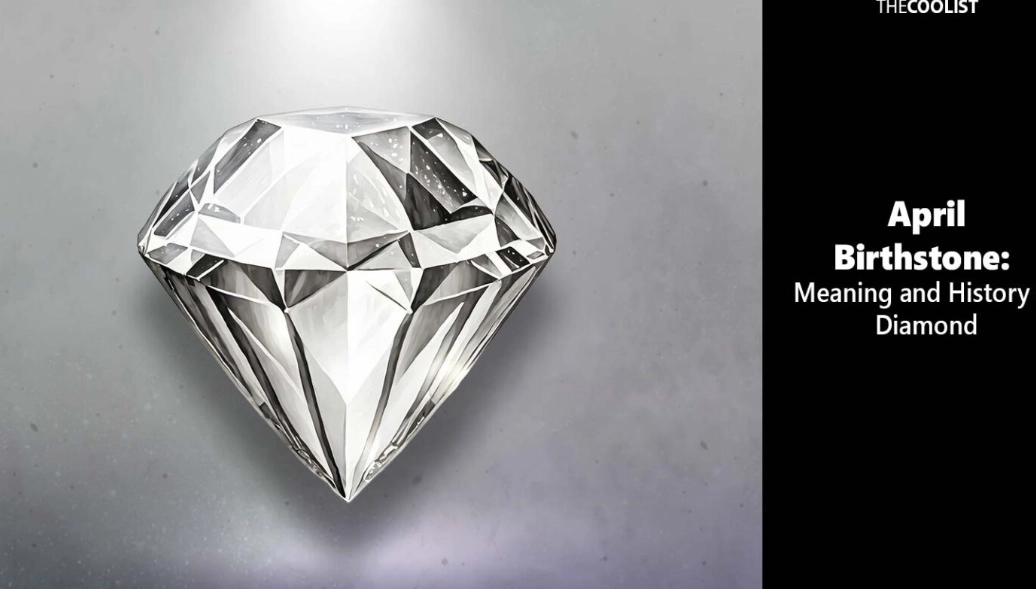
Diamonds top the list for a reason—they’re the hardest natural substance, scoring a 10 on the Mohs scale. Most people know about the 4Cs (cut, color, clarity, carat), but a subtle mistake I see is overlooking fluorescence. Under UV light, some diamonds glow blue, which can affect value. In my experience, strong fluorescence might make a stone look hazy in sunlight, so always check in different lighting. If you’re buying, don’t just go for size; a well-cut smaller diamond often outshines a bulky, poorly cut one.
Ruby: The Stone of Passion
Rubies are all about that deep red hue, often called "pigeon’s blood" in top quality. The catch? Many rubies are heat-treated to enhance color, which is acceptable but should be disclosed. I’ve handled rubies from Myanmar that had a velvety texture—natural ones often have inclusions called "silk," while synthetics look too perfect. A tip: if a ruby is priced too low for its size, it’s probably synthetic or glass-filled.
Sapphire: The Celestial Blue
Sapphires aren’t just blue; they come in pink, yellow, even padparadscha (a sunset orange-pink). The most valuable are Kashmir blues with a cornflower hue. Durability is high at Mohs 9, but they can chip if struck. I remember a client who bought a sapphire ring without checking for color zoning—uneven color distribution that lowers value. Always examine under a loupe.
Emerald: The Green Treasure
Emeralds are softer, around 7.5-8, and almost always have inclusions called "jardin" (French for garden). That’s normal; a flawless emerald is suspect. Colombian emeralds tend to have a warmer green, while Zambian ones are cooler. A common pitfall: treating emeralds with oils to hide cracks. Ask if it’s oil-treated, and avoid cleaning with ultrasonic methods—it can damage the stone.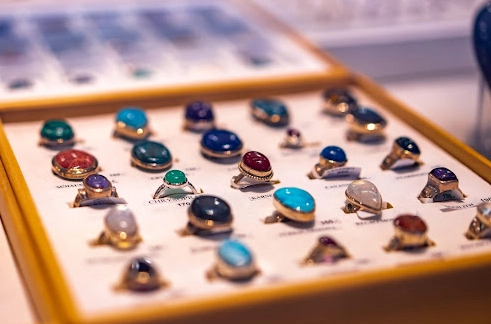
Pearl: The Organic Wonder
Pearls are the odd one out—organic, formed in mollusks. They’re graded on luster, surface, shape, and size. South Sea pearls can fetch thousands per piece. But they’re delicate; acidity from perfume can erode them. I ruined a pearl necklace by wearing it while cooking with vinegar—lesson learned! Freshwater pearls are more affordable but less lustrous.
Opal: The Play of Color
Opals are famous for their iridescence, but they’re prone to cracking if dehydrated. Australian black opals are the most prized. Many people store opals in dry places, causing crazing (tiny cracks). Keep them in a damp cloth occasionally. I’ve seen opals sold as "doublets" (thin slices glued to backing)—fine for jewelry, but know what you’re paying for.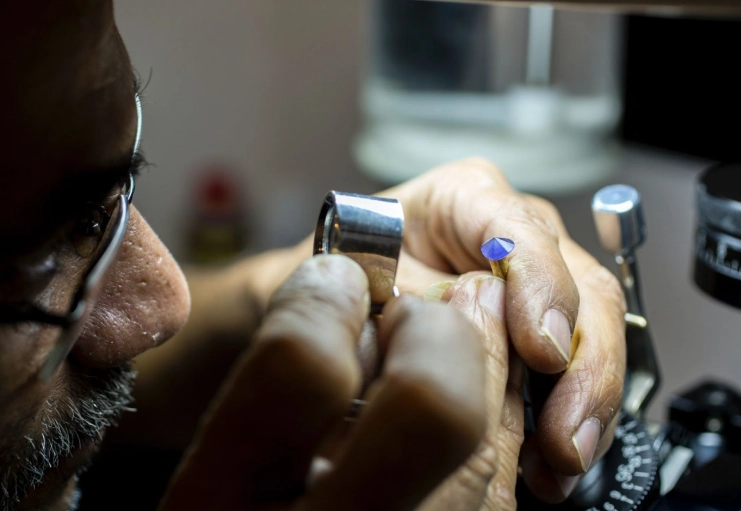
Cat’s Eye: The Chatoyant Gem
Cat’s eye refers to chrysoberyl that displays a silky band of light, like a cat’s eye. It’s durable at 8.5. The effect is best seen under a single light source. Some sellers pass off inferior quartz cat’s eyes as chrysoberyl—check the hardness and price. Sri Lankan stones are top-tier.
Pro Tip: When evaluating any precious stone, always use a 10x loupe and compare against certified samples from labs like GIA. Don’t rely on photos alone; gems look different in person.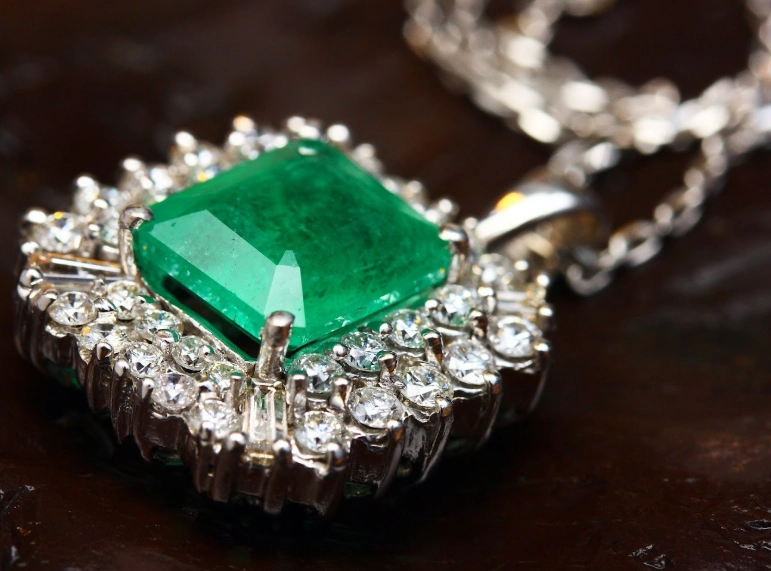
How to Tell if a Gemstone is Genuine
Authentication isn’t rocket science, but it requires attention. Start with a loupe: look for natural inclusions (like feathers or crystals) that indicate a real stone. Synthetics often have gas bubbles or curved lines. For diamonds, a fog test (breath on it—real diamonds clear instantly) is a quick hack, but not foolproof. Hardness tests can scratch softer imitations; diamond scratches glass easily. I’ve caught fakes by checking weight—some glass imitations feel lighter. If in doubt, get a professional appraisal; it’s worth the $50-$100 fee. Resources like the World Gem Society offer guides, but nothing beats hands-on experience.
Investing in Precious Stones: What You Need to Know
Gemstones can be a solid investment, but they’re not liquid like stocks. Focus on quality: color saturation, clarity, and cut matter more than size. Rubies and emeralds have appreciated steadily over decades. Avoid trendy stones unless you’re speculating. Storage is key—keep them insured and in climate-controlled settings. I know an investor who lost value by storing opals in a dry safe. Market reports from sources like the International Gem Society can help track trends, but diversify your portfolio.
Common Mistakes When Buying Gemstones
Here’s where I see beginners stumble every time:
- Ignoring treatments: Most rubies and sapphires are heated; emeralds are oiled. It’s fine, but demand disclosure and adjust price accordingly.
- Buying based on carat alone: A 2-carat diamond with poor cut looks smaller than a 1.5-carat excellent cut.
- Skipping certification: Always ask for a lab report from GIA or AGS. I once bought a "sapphire" that turned out to be spinel—cost me $500.
- Overlooking setting: A weak setting can damage a gem. For soft stones like pearls, use protective bezels.
Take your time, ask questions, and if a deal seems too good to be true, it probably is.