What You'll Find Here
Yes, garnet is the birthstone for January. I know, it sounds straightforward, but stick with me. If you're here, you probably want more than a one-word answer. You might be shopping for a January birthday gift, or perhaps you're a January baby yourself, curious about your stone. Or maybe you've heard conflicting information. Let's dive in.
Garnet has been the go-to gem for January for centuries, but there's a lot of confusion out there. I've worked in jewelry for over a decade, and I've seen people buy the wrong stone, overpay for low-quality garnets, or even dismiss garnet as "just a red rock." That's a mistake. Garnet is a family of gems with incredible diversity, and understanding it can save you money and ensure you get something special.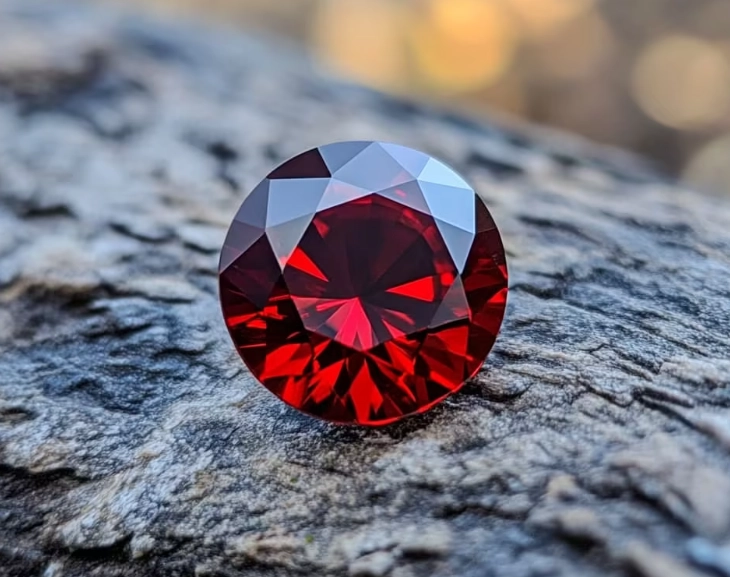
The Birthstone System: A Quick History
Where did this idea of birthstones come from? It's not some modern marketing gimmick. Birthstones trace back to ancient traditions, like the breastplate of Aaron described in the Bible, which had twelve gems representing the tribes of Israel. Over time, these got linked to months.
The modern list we use today was standardized by organizations like the American Gem Trade Association and the Jewelers of America. According to their official birthstone chart, garnet is the gem for January. No debate there. But here's a nuance: some alternative lists, like those from mystical traditions, might include other stones, but for mainstream jewelry, garnet is it.
I remember a client who insisted her January birthstone was amethyst because she read it online. We had to gently correct her—it's garnet. This mix-up happens more often than you'd think, especially with the internet spreading outdated info.
Garnet Unveiled: Not Your Average Red Gem
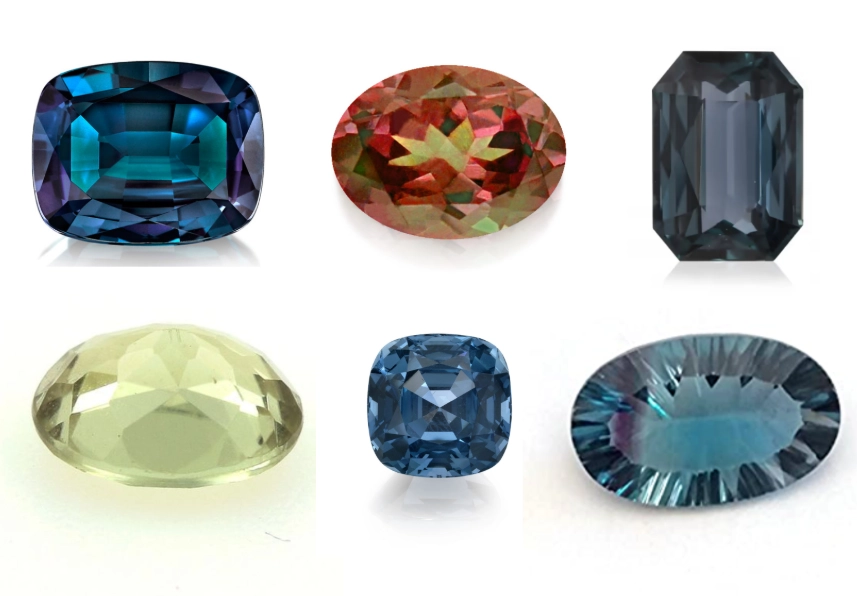
Most people think garnet is just a deep red stone. That's like saying all dogs are poodles. Garnet is a group of silicate minerals with similar crystal structures but different chemical compositions. This means they come in a rainbow of colors.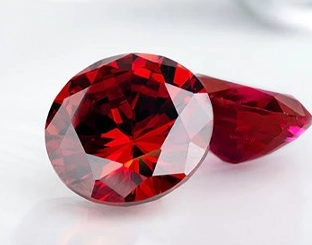
Key point: Garnet isn't one gem; it's a family. The color depends on the type. Red is common, but it's not the only option.
Types of Garnet You Should Know
Here are the main varieties, broken down so you can sound like a pro:
- Almandine: This is the classic red garnet. It's abundant and affordable, often used in budget-friendly jewelry. But don't scoff—high-quality almandine can have a rich, wine-red color that rivals rubies.
- Pyrope: Similar to almandine, but with a brighter, more fiery red. It's sometimes called "Bohemian garnet" because of historical mines in Europe.
- Spessartine: Orange to reddish-orange. I love this one—it's like a sunset in a gem. It's rarer and can be pricier, especially the vivid orange hues.
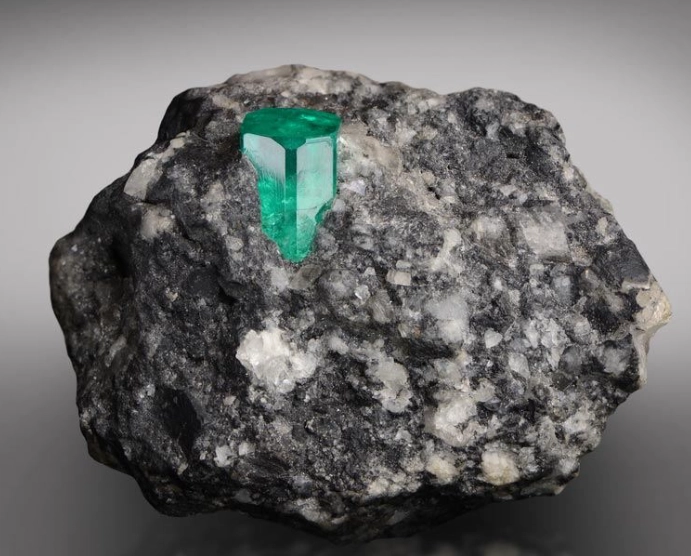
- Grossular: This comes in green (tsavorite), yellow, or even colorless. Tsavorite is a personal favorite; it's a vibrant green that competes with emerald but is more durable. I've seen tsavorite rings sell for thousands, but smaller stones can be more accessible.
- Andradite: Includes demantoid (green) and melanite (black). Demantoid is the most valuable garnet, known for its brilliance and rarity. If you see a green garnet with a high price tag, it's probably this.
- Uvarovite: A rare emerald-green garnet, usually found in small crystals, so it's not common in jewelry.
See? Garnet is way more than red. When someone says "garnet," you should ask, "Which kind?"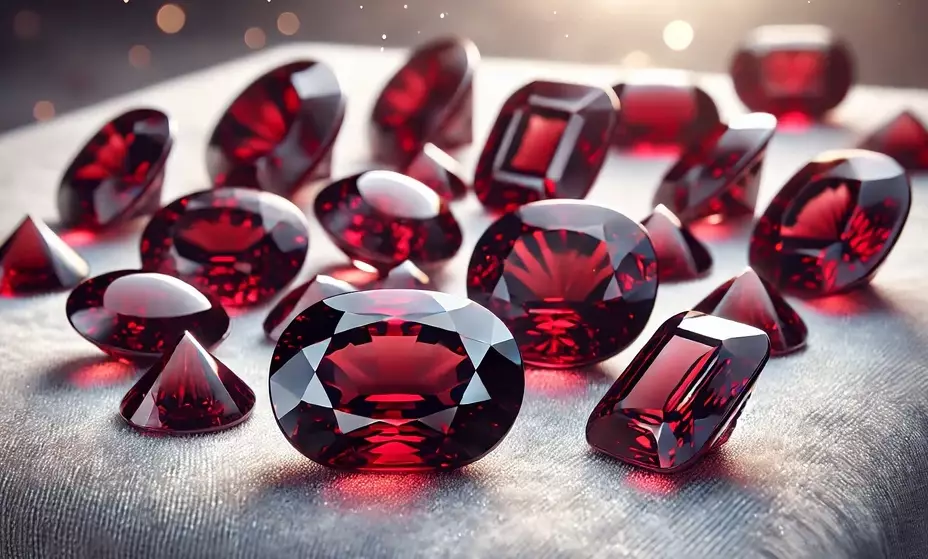
The Color Spectrum in a Table
| Garnet Type | Common Colors | Typical Price Range (per carat) | Best For |
|---|---|---|---|
| Almandine | Deep red to purple-red | $20 - $100 | Everyday jewelry, gifts |
| Pyrope | Fiery red | $30 - $150 | Statement pieces |
| Spessartine | Orange to reddish-orange | $50 - $500 | Unique color lovers |
| Tsavorite (Grossular) | Vivid green | $200 - $2,000+ | Investment, fine jewelry |
| Demantoid (Andradite) | Green with high brilliance | $500 - $5,000+ | Collectors, luxury items |
Prices vary based on clarity, cut, and carat weight. I've seen demantoid garnets go for over $10,000 per carat at auctions, while basic almandine can be under $50 for a whole necklace.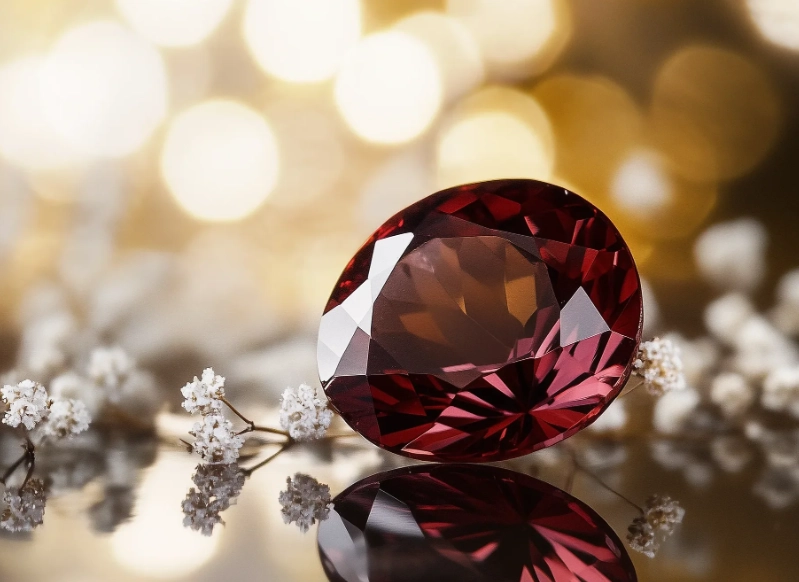
How to Spot a Real Garnet: A Practical Guide
With so many fakes out there, how do you know you're getting the real deal? I've handled hundreds of garnets, and here's what I look for.
First, check the hardness. Garnet ranks 6.5 to 7.5 on the Mohs scale. That means it can scratch glass but might get scratched by harder gems like diamond. A simple test: try scratching a piece of glass with the stone. If it leaves a mark, it's likely real garnet. But be careful—some synthetics can pass this test.
Second, look at the color and inclusions. Natural garnets often have inclusions—tiny flaws inside. Perfectly clear stones might be synthetic or glass. Use a loupe or magnifying glass. Garnet's inclusions can look like needles or crystals, not bubbles (which indicate glass).
Third, observe the refraction. Garnet has a high refractive index, so it sparkles brightly under light. Compare it to a known garnet if you can. I once had a client bring in a "garnet" that looked dull; it turned out to be colored glass with a plastic coating. The sparkle was off.
If you're buying online, ask for certification from a reputable lab like GIA or AGS. It costs extra, but it's worth it for expensive pieces.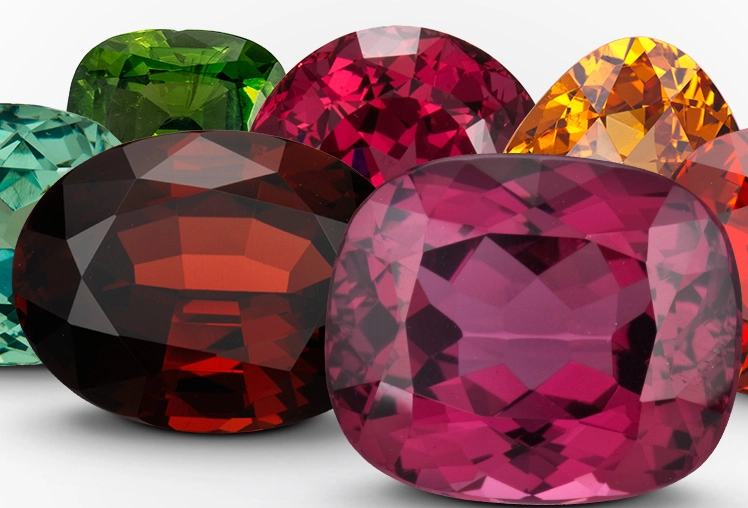
Debunking Common January Birthstone Myths
Let's clear up some misconceptions I hear all the time.
Myth 1: Garnet is only red. We've covered this—it's false. Garnet comes in green, orange, purple, you name it. I've sold green tsavorite garnets to January babies who thought they had to stick with red. They were thrilled.
Myth 2: Garnet is a cheap gem. Not true. While common red garnets are affordable, rare varieties like demantoid or fine tsavorite can cost more than sapphires. It's all about the type. I've seen people undervalue garnet and miss out on stunning pieces.
Myth 3: All garnets are the same. Nope. Different types have different properties. For example, demantoid has a higher dispersion (fire) than diamond in some cases, while almandine is more durable for daily wear. Knowing the difference helps you choose wisely.
Myth 4: Birthstones are fixed forever. Historically, lists have changed. But for now, garnet is the standard. If you prefer another gem, that's fine for personal style, but it won't be your official birthstone.
Choosing Your January Birthstone: A Buyer's Checklist
Ready to buy? Here's a step-by-step guide based on my experience.
- Set a budget: Garnet can range from $20 to thousands. Decide how much you want to spend. For a gift, $100-$300 can get a nice piece with good quality almandine or pyrope.
- Pick a color: Do you want traditional red or something unique? Green tsavorite is trendy right now, but orange spessartine is a conversation starter. Consider the wearer's style.
- Choose the type: Refer to the table above. If durability is key, go for almandine or pyrope. For brilliance, demantoid is top-notch but pricey.
- Check the source: Buy from reputable jewelers. I recommend stores with gemological expertise or online platforms with reviews. Avoid too-good-to-be-true deals on auction sites.
- Get it certified: For stones over $500, insist on a lab report. It details the type, treatments, and quality. I've saved clients from buying treated stones sold as natural.
- Consider the setting: Garnet works well in rings, necklaces, earrings. For rings, choose a protective setting because garnet can chip if hit hard. Prong settings are common, but bezel settings offer more protection.
Personal story: A friend wanted a January birthstone ring for her wife. She almost bought a cheap red stone online, but after talking, we found a local jeweler who sourced a beautiful spessartine garnet. It cost $400, but the color was stunning, and it came with a certificate. Her wife loved it because it wasn't the usual red.
Frequently Asked Questions
Garnet is more than just a January birthstone—it's a gem with depth and history. Whether you're buying for yourself or as a gift, understanding its varieties and how to choose can make all the difference. Don't settle for the basic red if you want something special. Dive into the colors, ask questions, and enjoy the process. After all, a birthstone should be something you love, not just a checkbox.